EN
EN



News
Ceramics, Bone China, And Reinforced Porcelain In One Comprehensive Guide, Helping You Avoid Common Pitfalls
When choosing tableware for a restaurant, it's common to feel confusing by the wide variety of options available on the market.
Today we'll discuss three common tableware materials: ceramic, bone china, and reinforced porcelain. We'll explain their characteristics and applicable scenarios to help you quickly clarify your thinking and choose the right "dining utensils" for your own restaurant.
1. Ceramics: Classic, reliable, and Utilitarian
Ceramic tableware, which is a familiar sight on the dining table, found in everything from roadside eateries to five-star hotels, with mature technology and affordable cost.Ceramics are mainly made from raw materials such as kaolin, quartz, and feldspar, fired at high temperatures above 1200℃.
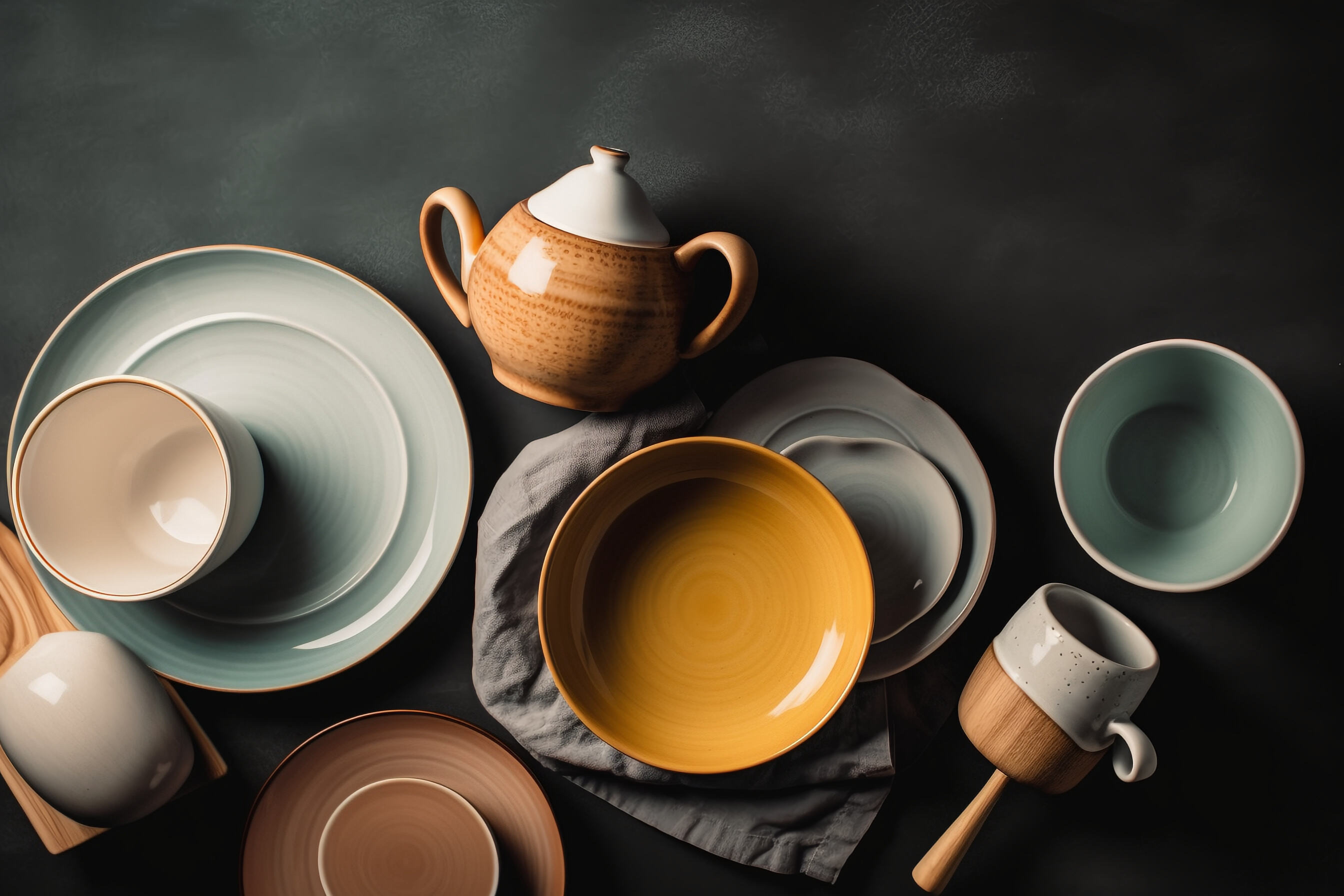
The characteristics of ceramics are also the reason why they have become the main tableware used in restaurants:
- Solid texture: It feels heavy and stable when placed, giving guests a sense of security and stability.
- Durability: High vitrification and excellent hardness make it resistant to daily wear, even in dishwashers.
- Heat Resistance: Suitable for ovens and steamers, allowing for quick reheating of dishes.
- Affordability: With a mature production process, individual pieces typically cost around a few dollars. Breaking a few won’t break the bank.
Applicable Scenarios:
- Restaurants with high customer traffic and high table turnover rate, specialty restaurants, or staff canteens.
- Venues pursuing a rustic, with substantial dining style.
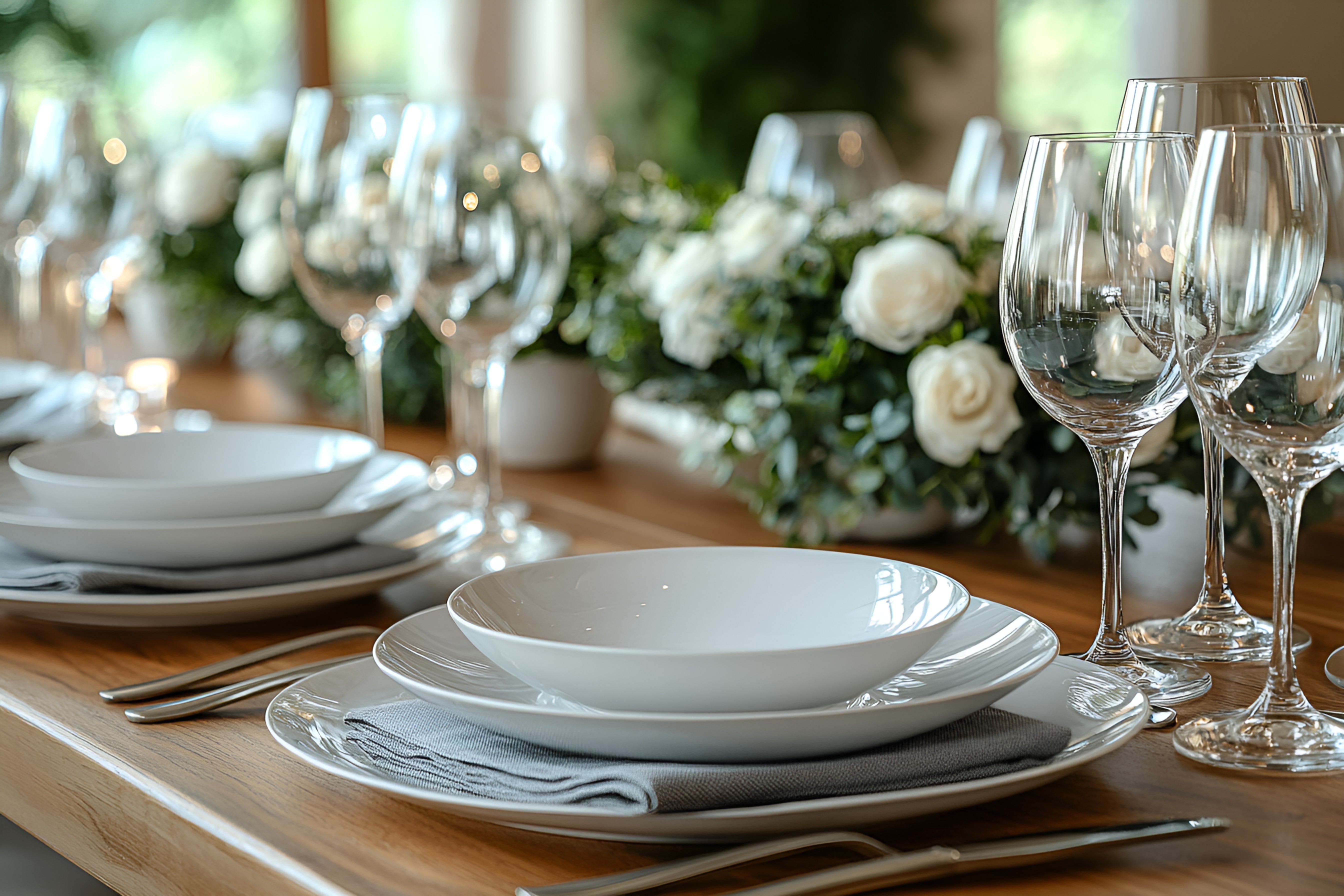
In short, ceramic is like a seasoned veteran—reliable, economical, and a solid foundation for restaurant operations.
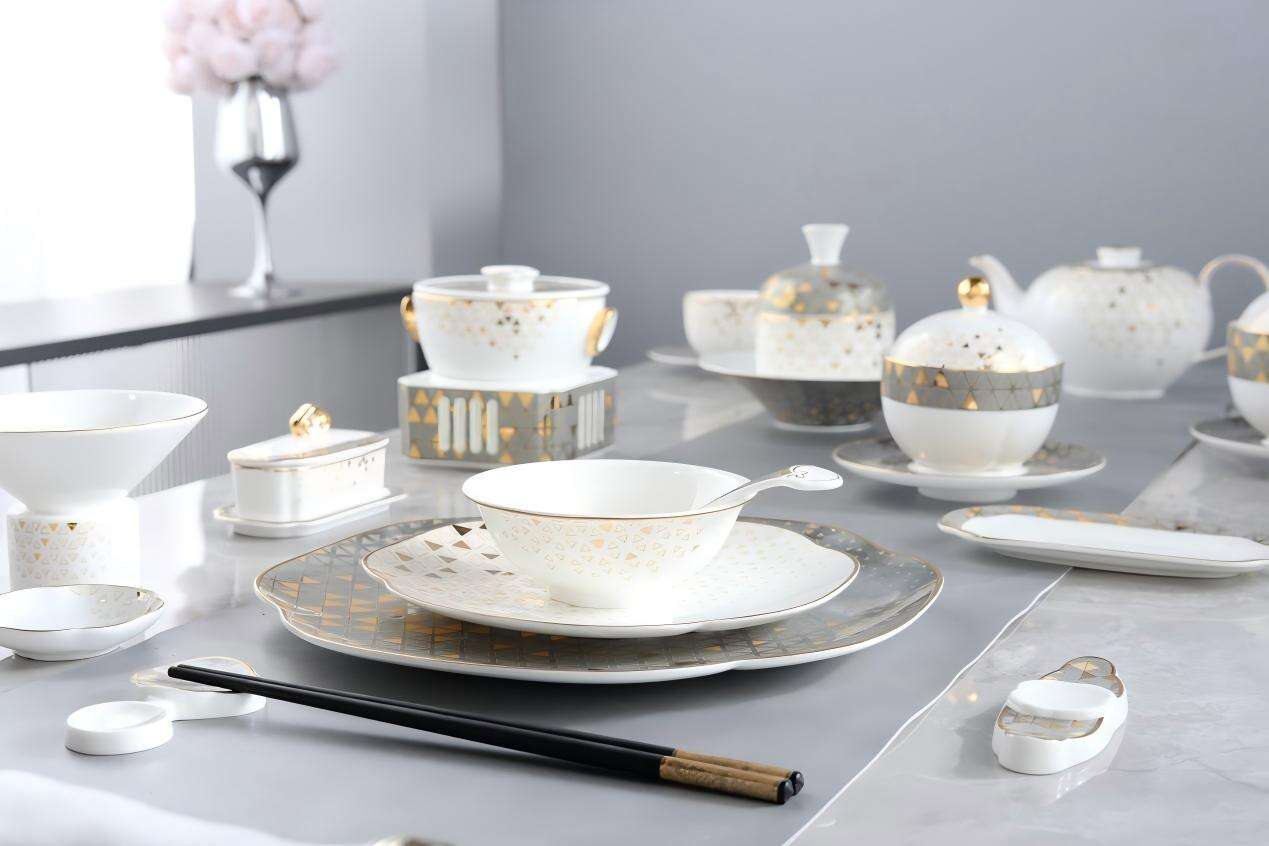
2. Bone China: Elegant and Premium, Elevating Ambiance
Originally reserved for British royalty, bone china has become the “standard” for high-end restaurants. Made from animal bone ash, kaolin, and quartz, it undergoes a double-firing process at high temperatures. it is translucent like jade and produces a clear, bell-like chime when tapped when finished.
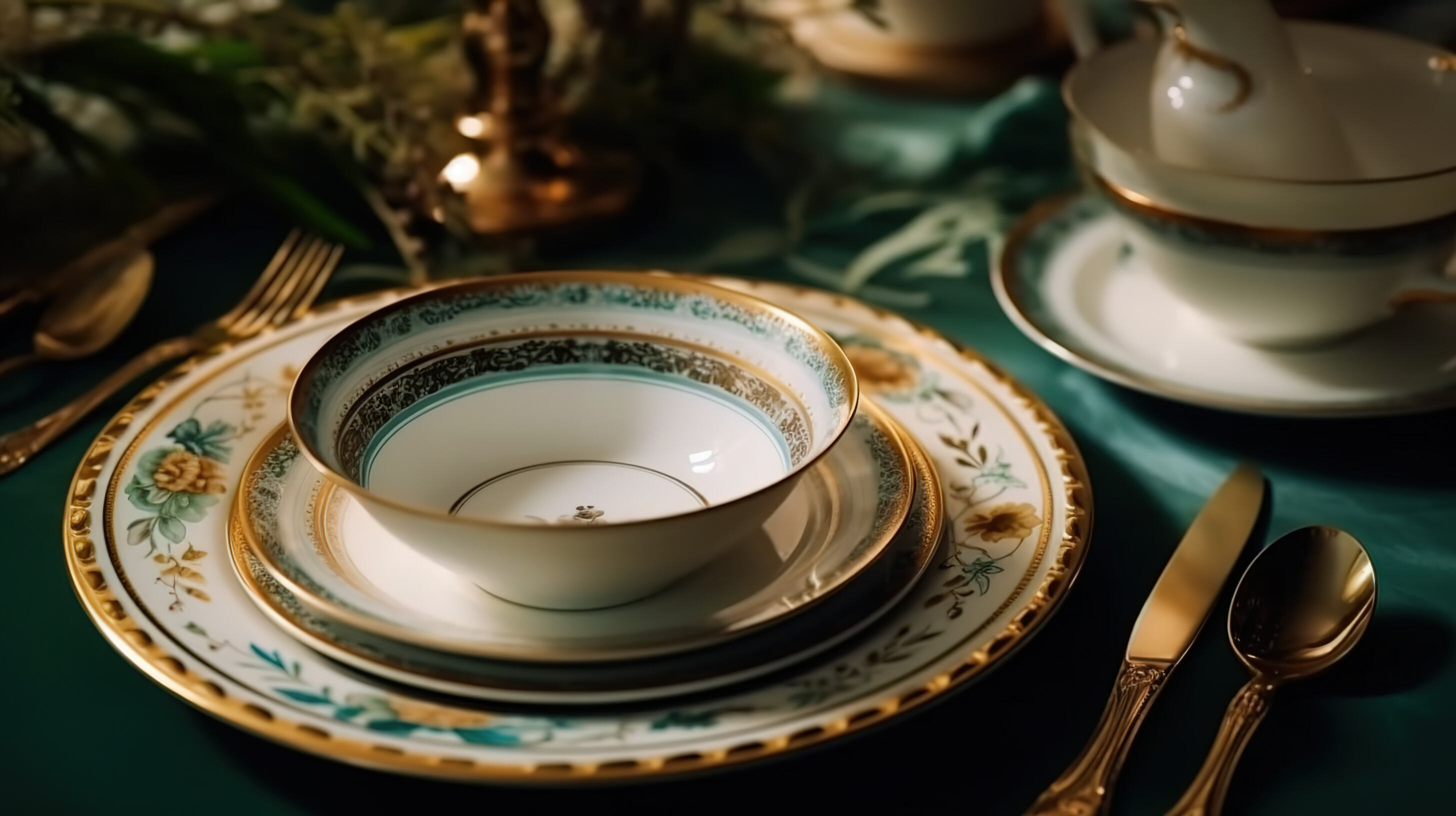
Bone china is the preferred choice for many high-end restaurants due to its unique characteristics:
- Lightweight and Translucent: About half the thickness of ordinary ceramic, with a gentle translucency when held to light, exuding elegance.
- Durability: Twice as impact-resistant as ordinary ceramic, making it less prone to chipping under normal use.
- Smooth Glaze: Naturally milky white in color, it enhances the visual appeal of dishes with its soft, delicate finish.
- Excellent Heat Retention: even after 30 minutes of serving hot soup, the temperature can still be maintained above 50℃, making it especially suitable for serving hot dishes in winter.
Applicable Scenarios:
- High-end restaurants for à la carte plating.
- Restaurants for steak plates and afternoon tea sets.
- Occasions emphasizing ceremony, such as wedding banquets or business dinners.
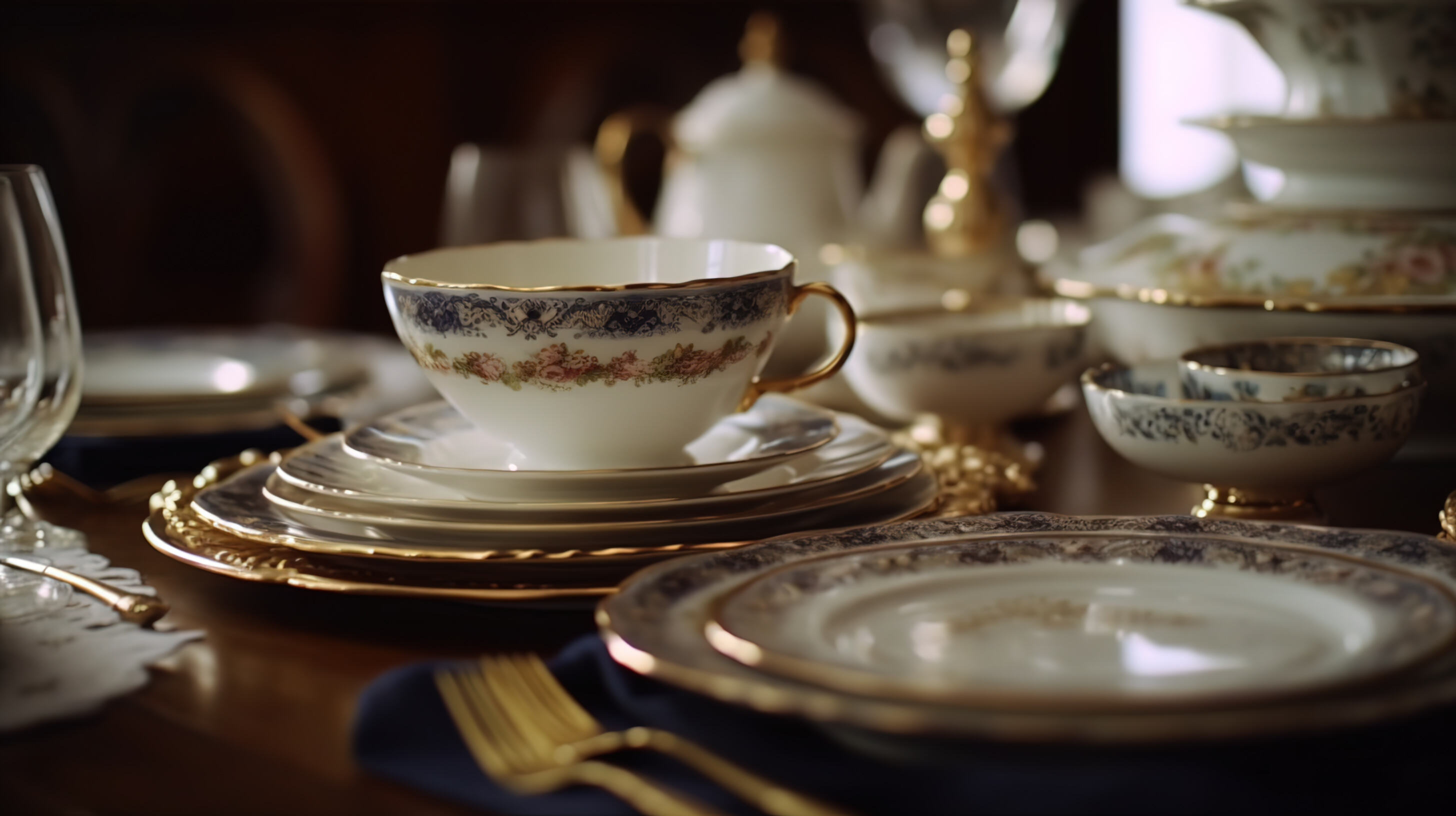
Bone china is the epitome of elegance on the dining table, significantly elevating the quality of the dining experience.
3. Reinforced porcelain: Tough, Practical, and Resilient
Strengthened porcelain is a “reinforced” ceramic designed for the high-intensity demands of the food service industry. By adding aluminum or magnesium components, or using magnesite and feldspar as the main raw materials, its microstructure is enhanced for greater toughness, making it more resistant to breakage than ordinary ceramic.
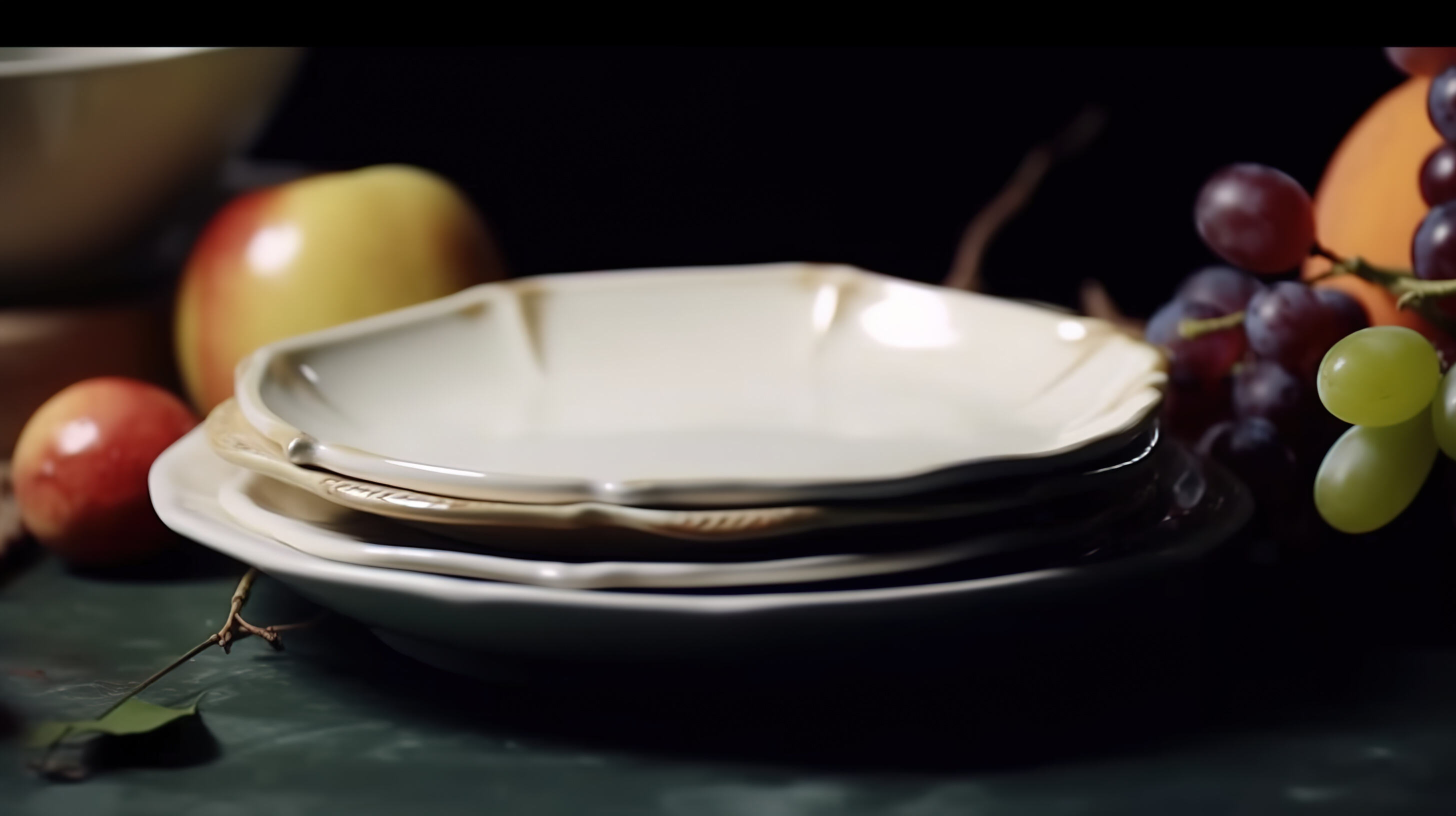
Reinforced porcelain not only enhances the base ceramic material but also develops its own distinctive features:
- High Drop Resistance: Reinforced material structure offers exceptional resistance to bumps and drops.
- Scratch and Wear Resistance: The surface effectively resists scratches and maintains a bright appearance even after long-term use.
- The surface is highly dense, and oil stains can be easily rinsed away. It is also dishwasher safe.
Applicable Scenarios:
- Restaurants aiming to minimize tableware replacement costs.
- Banquet halls, school canteens, and other venues requiring large quantities of tableware for frequent use.
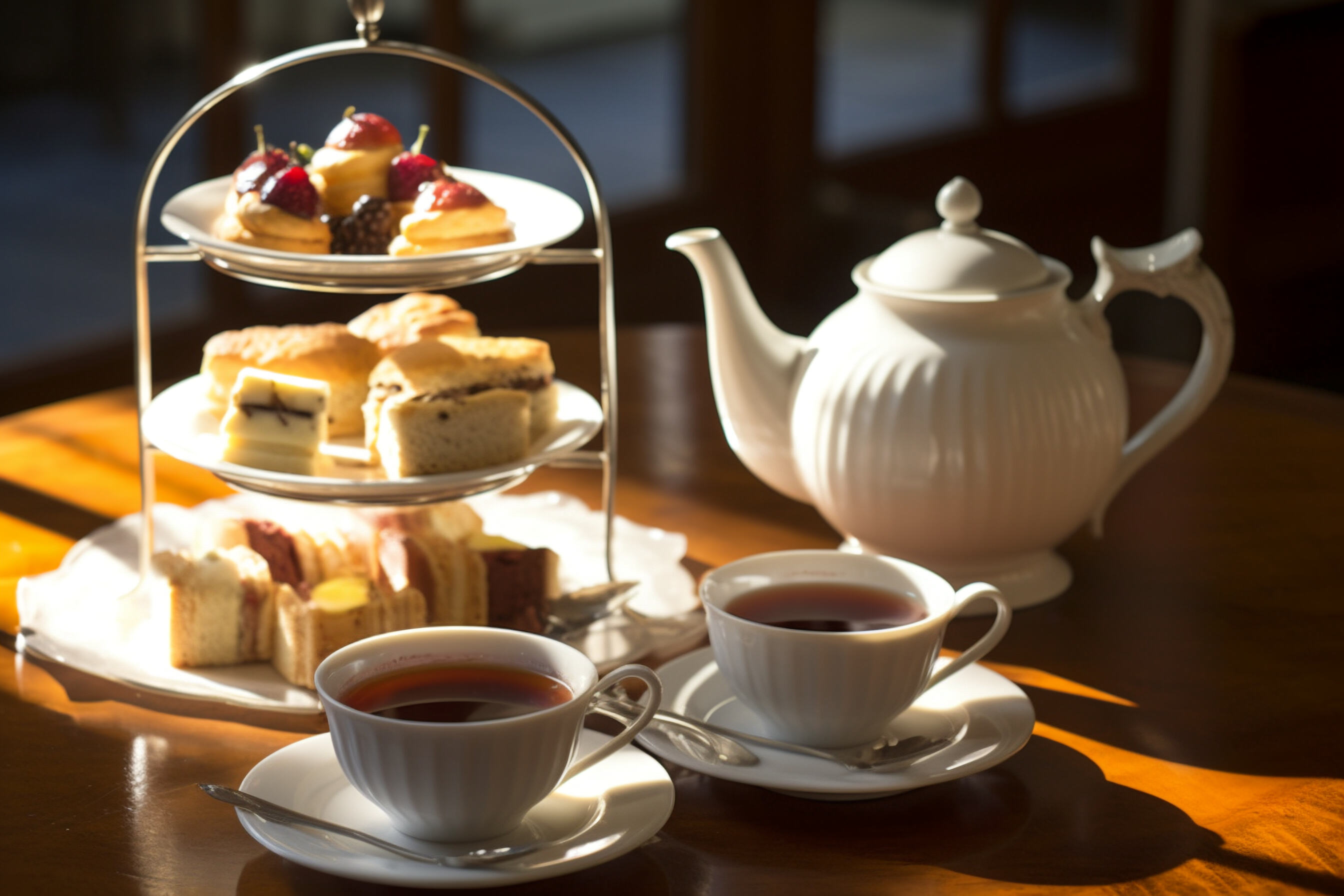
Reinforced ceramics act like a sturdy shield on the logistics line, directly helping you reduce long-term operating costs caused by breakage.
4. How to choose the right tableware for your restaurant
a. Define Your Restaurant’s Positioning: Consider your target customers and menu pricing to determine the most suitable tableware. Casual dining spots may opt for ceramic or strengthened porcelain, while high-end establishments might lean toward bone china.
- Fast Food/Canteens: Reinforced porcelain
- Mid-Range Restaurants: Ceramic
- High-End Dining: Bone china
b. Comprehensive cost calculation: In addition to the initial purchase price, attention should also be paid to the breakage rate over long-term use. Sometimes, durable products have a lower total cost.
c. Hands-On Experience: Feel the weight, glaze, and craftsmanship by handling samples—an irreplaceable step that images alone cannot convey.
d. Supply chain stability: Ensure a stable supply of selected styles to facilitate subsequent replenishment and matching.
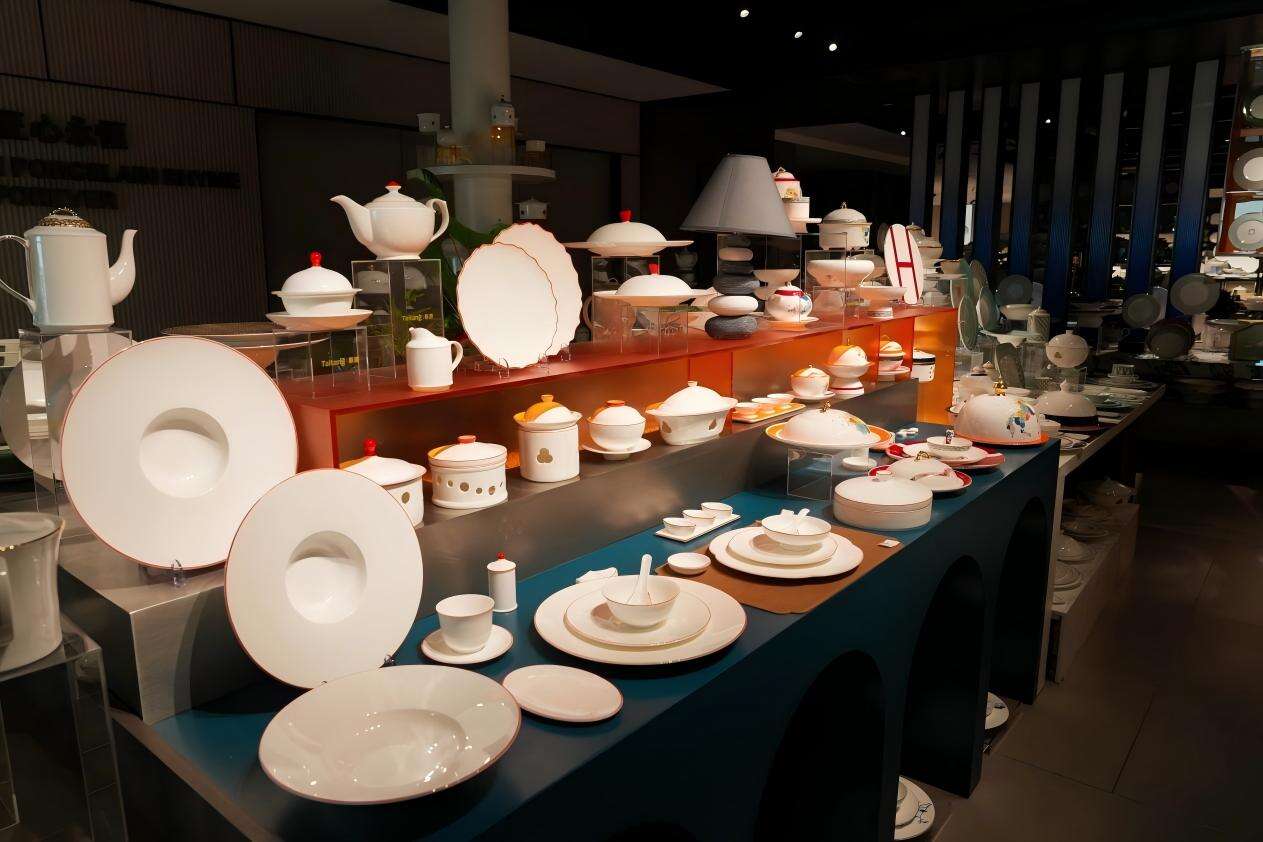
Tai Tang Porcelain Exhibition Hall
Tableware is more than just a container for food—it’s a crucial element in shaping a restaurant’s style and influencing the guest experience. A suitable set of tableware can silently convey your pursuit of quality.
This is precisely what Taitang focuses on. Since its inception, Taitang has always been a professional integrated enterprise of hotel supplies manufacturing and trading, adhering to the concept of "product + delivery + service."
Therefore, we collaborate with several renowned industry brands to offer tens of thousands of products—from ceramic and glassware to linens and banquet furniture—while also providing a comprehensive service chain covering design, coordination, and delivery.
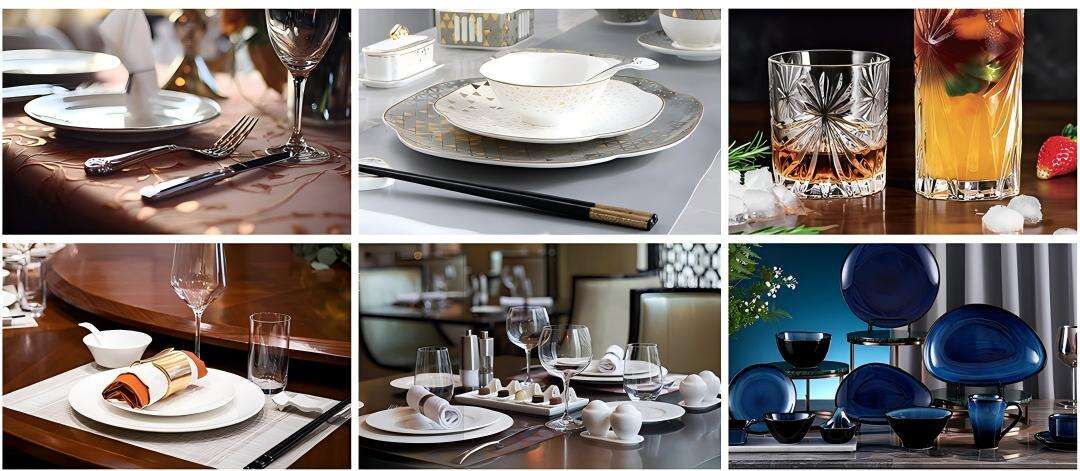
Thanks to our unwavering commitment to quality and service, Taitang has obtained multiple authoritative certifications, including the ISO Triple Management System Certification and the "Contract-honoring and Trustworthy Enterprise" award. We have also earned the strong recognition of over 80 luxury hotels and 2,000 quality hotel brands.
“Taitang Only for Ultimate.” From the tranquility of guest rooms to the vibrancy of dining spaces, every visible, tangible, and sensory detail reflects our thoughtful craftsmanship. We look forward to delivering higher added value through our premium support services, helping our clients create exceptional dining environments together.