
 EN
EN


News
How to Care for Commercial Glassware in Hotels & Restaurants?
Whether serving a vintage Pinot Noir in a fine dining establishment, delivering craft cocktails at a hotel rooftop bar, or hosting a banquet, crystal-clear glassware communicates quality, hygiene, and attention to detail.
Conversely, cloudy surfaces, water spots, lingering detergent odors, or micro-chipped rims undermine guest satisfaction and damage a hotel's brand reputation. Improper glassware handling also leads to breakage, escalating replacement costs.
This comprehensive commercial glassware care guide provides hoteliers with operational standards to maximize glassware longevity, and maintain immaculate clarity.

1. Pre-Rinsing & Preparation
Skip-step clearing is the primary cause of baked-in stains, persistent odors, and premature breakage.
1) Immediate Emptying: Dump leftover ice, citrus peels, garnishes, and liquid contents into a waste sink or slop drain immediately.
2) Lipstick & Oil Removal: Gently pre-treat lipstick, dairy creamers, or sugary syrup residues. These substances contain lipids and waxes that resist standard wash cycles and contaminate wash tank water.
3) Lukewarm Pre-Rinse: Rinse the interior and exterior of the glass with lukewarm water (approx. 30°C–40°C / 85°F–105°F).
Tips: Avoid Thermal Shock. Rapid temperature fluctuations above 40°C (104°F) cause thermal stress that leads to cracking or shattering.
2. Commercial Glasswasher Operation
The optimal results of glasswasher depend on correct technique and chemical balance.
1) Calibrate Water Hardness: Test water hardness regularly. Maintain a range between 3°dH and 5°dH using an industrial water softener.
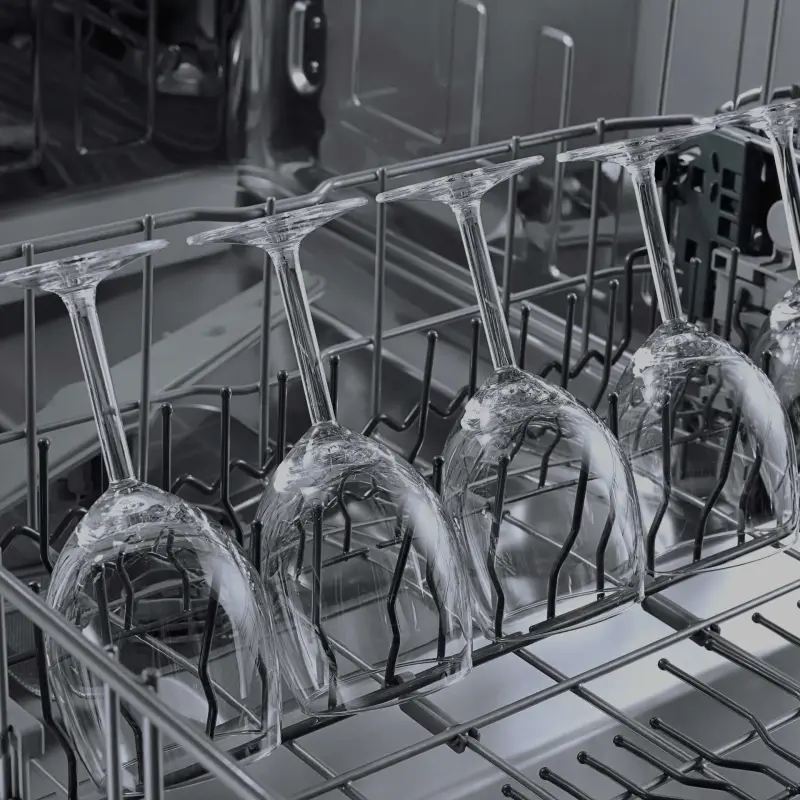
2) Select Compartment Rack: Use full-divider glass racks tailored to the height and diameter of the stemware. Position each glass upside down at a slight angle so water drains from concave bases.
3) Chemical Dosing: Use non-foaming commercial glasswasher detergents alongside rinse aids. Rinse aids break surface tension, allowing water to sheet off without leaving watermarks.
4) Temperature Zones:
• Wash Cycle: Maintain between 55°C and 65°C (130°F–150°F) to dissolve grease without baking proteins onto the glass.
• Sanitizing Rinse Cycle: Maintain between 80°C and 85°C (176°F–185°F) for sanitization, or use approved chemical sanitizers for low-temperature machines.
5) Steam Venting: Pop the glasswasher door open for 15–30 seconds to allow excess steam to escape before removing the rack.
Tips: Never overcrowd racks. Vibration during wash cycles causes glass-on-glass friction, leading to rim chipping and surface hazing. Never clean kitchen pans or dinnerware in the same rack.
3. Hand Washing Glassware
Lead-free crystal, hand-blown wine glasses, and oversized stemware require gentle manual care.
| Sink Station | Water Temperature | Action & Chemical |
| Sink 1: Wash | Warm (40°C–45°C / 105°F–113°F) | Neutral liquid detergent; soft microfiber sponge or rotary brush |
| Sink 2: Rinse | Warm (35°C–40°C / 95°F–105°F) | Clean running water; optional dilute white vinegar dip for hard water |
| Sink 3: Sanitize | Warm/Cool as per sanitizer label | Approved food-safe chemical sanitizer dip for required contact time |
Precautions
1) Sink Liners: Line the bottom and walls of stainless steel sinks with thick rubber or silicone protective mats to cushion against accidental slips.
2) Grip Strategy: Always support the glass by the bowl or base. Never hold by the stem. Torsional force easily snaps delicate stems.
3) No Abrasives: Avoid steel wool, scouring pads, or stiff plastic brushes that score the glass surface.
4. Drying
Drying is often where cross-contamination and smudging occur. Implementing strict drying protocols guarantees both hygiene and optical clarity.
1) Air-Drying: Allow glasses to air-dry inverted on racks or drying mats. Air circulation inside the bowl ensures moisture evaporates.
2) Microfiber Wipe: For fine crystal stemware, towel-drying after sanitizing prevents water spots from forming.
Tips: Avoid Interior Contact. Never insert fingers inside a glass with towel. Bare hands transfer natural skin oils and fingerprints to the interior bowl.
5. Polishing
Achieving a streak-free, mirror-like finish demands proper technique.
1) Steam Infusion: Hold the bowl of an air-dried glass over a commercial steam wand or a vessel of boiling pure water for 2 to 3 seconds until a light mist covers the glass.
2) Two-Cloth Technique: Hold the glass using two clean microfiber cloths—one in each hand—so bare skin never touches the glass.
3) Gentle Circular Motion: Wipe the base and footplate first. Move up the stem gently. Cradle the bowl while gently rotating the microfiber cloth around the exterior and interior walls.
6. How to Store & Transport Hospitality Glassware?
Proper storage protects cleaned inventory from dust, ambient airborne grease, and physical impact.
A. Storage
1) Use Open Compartment Racks: Store glasses in color-coded, stackable compartment glass racks with vertical extenders matched to stem height.
2) Upright vs. Inverted Rules:
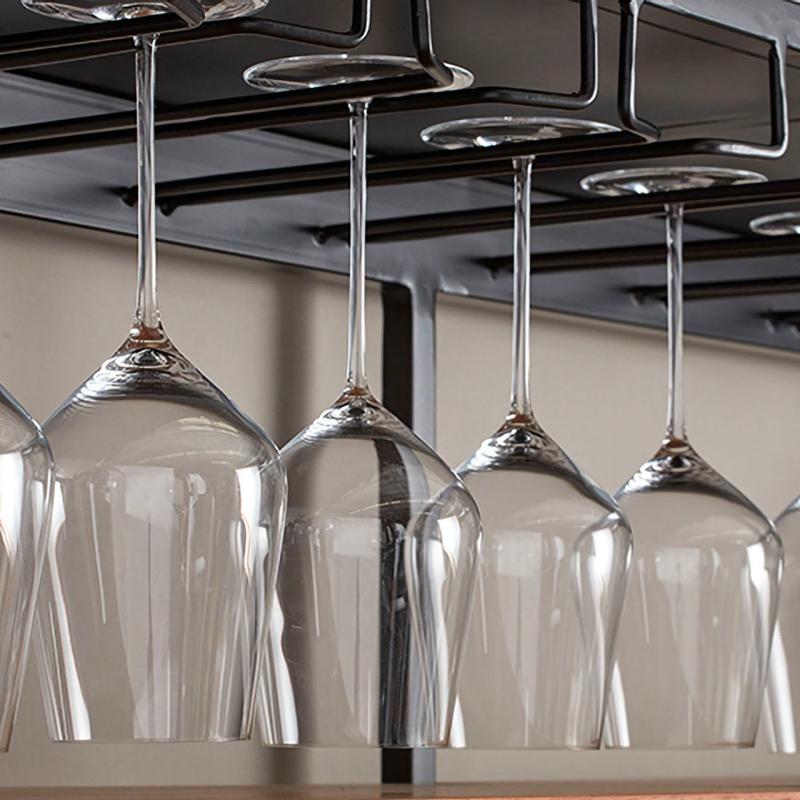
• In Compartment Racks: Store glasses inverted (upside down) to keep out dust and debris.
• On Flat Shelves/Cabinets: Store glasses upright (base down). Resting the rim on a shelf can chip or weaken the glass's weakest structural point.
B. Safe Transportation
1) Rack Dollies: Transport stacked glass racks using rack dollies equipped with caster wheels and push handles.
2) Non-Skid Trays: Equip waitstaff with rubberized non-skid service trays. Train staff never to stack glasses or transport them held between fingers.
7. Troubleshooting Common Glassware Issues
| Problem | Root Cause | Solution | Preventive Measure |
| Cloudy Film / Milky Hazing | Hard water scale or detergent residue buildup | Soak glass in a warm water and white vinegar solution (1:4 ratio) for 15 minutes, then hand-rinse. | Calibrate water softener (3–5 °dH); adjust rinse aid dosage. |
| Chemical Etching | Permanent corrosion from soft water combined with heat and caustic chemicals | Cannot be restored; glass must be retired. | Lower dishwashing temperature; use milder detergents. |
| Water Spots & Mineral Marks | Air-drying in hard water or insufficient rinse aid sheeting | Steam over hot water and polish with a lint-free microfiber cloth. | Refill rinse aid dispenser; inspect rinse nozzles for blockage. |
| Flat Beer Head / Rapid Carbonation Loss | Beer-unclean glass; detergent film or grease oil layer | Wash beer glasses with oil-free bar glass detergent; rinse in cold water before pouring. | Reserve glasswashers solely for bar glassware; ban fat-containing milks/juices. |
| Rim Chipping & Spider-Cracks | Mechanical shock from glassware contact, stacking, or thermal shock | Immediately retire glass to prevent injury. | Upgrade to full-compartment glass racks; enforce staff handling training. |
8. When to Retire Glassware
1) Micro-Chips: Any visible or tactile roughness along the drinking rim or footplate represents a safety hazard and creates a harbor for bacterial growth.
2) Cracks / Structural Fissures: Micro-cracks weaken structural integrity, risking sudden shattering under thermal pressure during beverage service.
3) Irreversible Etching: Permanent hazing destroys light refraction, making wines and cocktails appear dull and unappetizing.
4) Surface Scratches: Deep abrasions from improper stacking compromise mechanical strength and ruin table aesthetics.

Elevate Your Tabletop with Taitang Glassware
Engineered for 5-star hotels and luxury dining venues, Taitang commercial glassware delivers thermal resilience, mechanical durability, and long-lasting dishwasher-safe clarity.
[Contact Us] to upgrade your hotel’s beverage service and receive a customized quotation.
Related Reading
1. How to Select The Perfect Glassware for Restaurant and Bar?

