
 EN
EN


МЭДЭЭЛЭЛ
Худалдааны зориулалттай порцеланы хоолны таваарыг хэрхэн хадгалах вэ?
Бүсгүйлэх үйл ажиллагааны орчинд төвөгтэй хоолны зүйлс хоолын үзүүлэлтийг дээшлүүлж, зочидны худалдан авах санаа-хүсэлд нөлөөлөөрүүлж буй. Гэтэл өндөр хүснэгтний эргэлт, хүчтэй химийн угаалга, тохирохгүй тавилга, температурын хурдан өөрчлөлтүүд церамикт үйл ажиллагааны даралт үүсгэнэ.
Индустрийн шинжилгээ нь коммерциал порцеланы гагнуул, ирмүүдний тасархай, глазурьт хориглолтод хүрэх хүчин зүйлийн 70% нь хүнд хандлагад, угаалгын тааруу стандарт үйл ажиллагааны дараалалд (SOP) хүртэл хүрдүүлж буй, материалд үндэслэн гагнуул бүүлүүлж буй.
Тайтангийн тусгай заавар нь шинжлэхүйн хандлагад, химийн хяналд, бүтэцтэй хадгалгад хүртэл үйл ажиллагааны дараалалд (SOP) тодорхой заавар өгөөрүүлж буй, хоолны зүйлсний хөрвөнгөнөө хамгаалж, үзүүлэлтийн гоо сайханыг хадгалж, үйл ажиллагааны үр дүнд нөлөөлөөрүүлж буй.
1. Цэвэрлэх, тавилга, урьдчилан угаалга
Эдгээр үе шатууд нь механик шок-д хамгийн их статистик аюулд оршойно, физик холбогдож буй нууц микротрещиныг, ирмүүдний тасархайг үүсгэнэ.
1) Хөрсний тусгаарлал: Хүснэгтний цэвэрлэх үед нож, хөрс, ложка порцеланы зүйлснээс тусгаарлан тавих.
2) Резинтэй халхавчтун төрөлхүн тавагнууд: Бүх тавагнуудын дотор талд хөдөлгөөний сүйрлийг бүлүүрлэх резин халхавч тавих.
3) Урьдчилан угаалж ба хөндийлж параметрүүд: Хатуу хоолны үлдэцтүн зүйлсийг дулаан усанд (38°C–45°C / 100°F–113°F) нейтрал урьдчилан угаалж фермент агуулдаг цэвэрлэх бодисын уусмалд хөндийлж. Хүчиллэг хоол (цитрус, томатын соус, винаигрет) глянцтун гадаргуудаар урт хугацаа тогтохыг саадаглаж, урт хугацааны хүчиллэг нөхцөл глянцтун гадаргуудаар шүүртүн хүндэтгүүд үүсгэж.
2. Гар-угаалж СОП-ууд
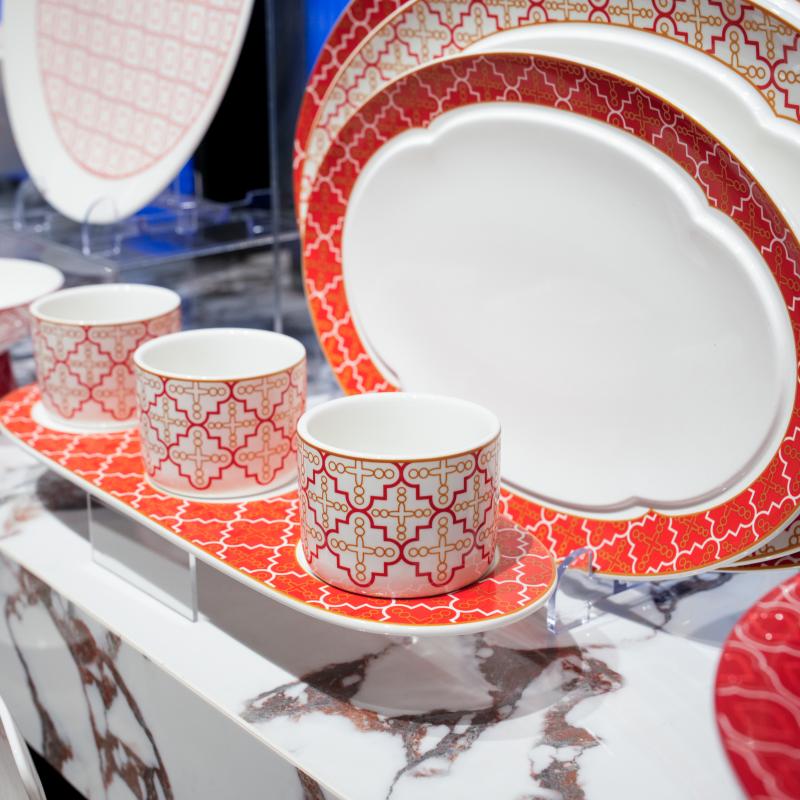
Хайрцагтун порцеланы үндсэн онцлог нь автомат төрөлхүн угаалж машинд ашиглаж болохуйц бөхтүн чанар, гэтэл алтан ирмүүдтүн бон-чин, гар-зургатуун зүйлс, индивидуал бүрхүүлтүн тавагнуудын гадаргуу хамгаалахын тулд гар-угаалж хийх шаардлагатай.
| Угаалж урсгалын үе | Зорилт температур | Химикат ба хэрэгсэл техник шаардлагатай | Ажилласан зорилго |
| Угаалтуур 1: Угаах | 45°C (113°F) | Саарал шингэн зүүт нүүрс (pH 7.0–8.0); хөнгөн микронайлон архал буюу целлюлозын сүүд | Глянц төрүүлэхгүй, хөнгөн тос устгах |
| Угаалтуур 2: Угаалтуур | 50°C – 55°C (122°F–131°F) | Цэвэр, урсам газрын шингэн бүхий ус | Сапон филм ба органик үлдэцсийг бүрэн устгах |
| Угаалтуур 3: Ариутгах | 77°C (170°F) | Халуун усанд дүрэх (30 сек) эсвэл зөвшөөрсөн бага хөвөртүүн дезинфекцион хэрэгсэл | Бүрэн гигиеник дезинфекция |
Чухал хамгаалал:
•Хуурцаг угаалтын саван: Хүнд силикон эсвэл резиний цайтаг хөвөн дээрх шугаман саван, тааруулан унах үед хуурцагуудыг хамгаалахын тулд.
•Сүүдэртүүрүүдийг хаях: Хуурцаг угаалтын ажилтнууд нь глязурт зовхон хоосрохын тулд хүрэлцүүр, цаг, металлын татуургуудыг гар угаалт үед хаях ёстой.
•Нэг бүтээдийн хандлаж: Бүтээдүүдийг жижиг хосоор угаах. Хуурцагуудын том хөвөн хуурцагуудыг сапонт усанд дүрэн угаахыг хүлээж бүтээдүүдийн ирмүүдийн хооронд хараагүй холбогдож, ирмүүдийн хоосрохын тулд.
3. Ажлын орчинд хуурцаг угаалтын машины стандарт үйлдлийн дүрэм
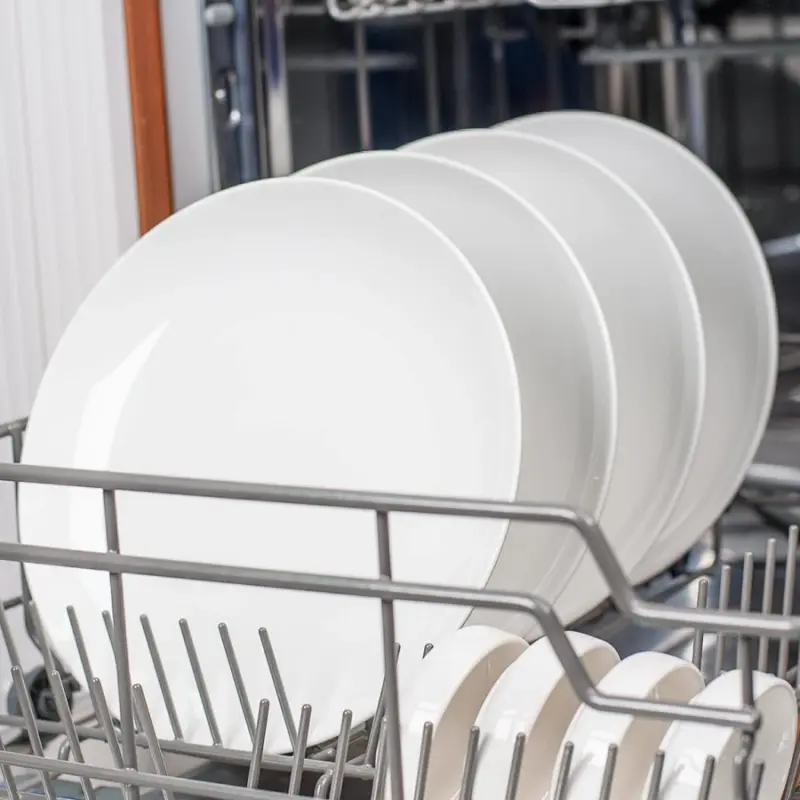
Автомат конвейер ба хуурцаг угаалтын машинууд хурд ба дулааны дезинфекц үзүүлдэг, гэтэд нь тавиурт бүтээдүүдийг буруу тавих эсвэл химийн баланс алдагдаж, керамик гадаргуу нь газардаж.
А. Тохиромжийн шалгах
•Витрификацийн түвшин: Порцеланы ус шингээх хувь 0.5%-аас бага байх ёстой.
•Глязурын дээд талд бүтээдүүдийн металлын төрлийн төрөлдүүр: Алтан төрөлдүүр нь хуурцаг угаалтын машинд тохиромжтой гэдгийг батлах. Хамгаалалтгүй металлын навч нь өндөр шүлтлэг машин циклд харлан, тасарч.
Б. Тавиурт тавих ба цикл параметрүүд
1) Пластик хучилттой тавиурт пег ашиглах: Өргөдлийн тавилгатай тавилганы тавилгаг үргэлж хэрэглэж байгаарай. Өндөр даралтын усны шувуугаар бөөхдөх үед хэсэг хэсэг хоорондоо салахгүй, эсвэл цохилтгүй байхыг хангах.
2) Зураг байршуулалт: Усны бүрэн урсалт, эрчимтэй хуурайшилт, эрдэс бодисын бүлэглэлгүй байхын тулд тавилга, савнуудыг доош руу чиглэсэн нуруутай байрлуул.
3) Угаах үе шатны температур: Угаах савны температурыг 60°C-ээс 65°C-д хадгалах нь дулаан стресс үүсгэхгүйгээр масны эмульсификацийг хамгийн сайн болгодог.
4) Угаах халуунжуулах: Олон улсын худалдааны ариун цэврийн стандартыг хангахын тулд эцсийн угаах температур 82-85°C (180-185°F) -д хүрэхийг хангах.
5) Угаах бодисын pH тэнцвэр: Химийн угаах бодисын pH-ийг 7.0-10.0 хооронд хадгалах Өндөр хатуу алкаль цэвэрлэх бодис нь глейзүүдийн микроскопийн силикатын сүлжээг арилгаж, байнгын хатууг үүсгэдэг. Угаах бодисын автоматжуулсан дозинг гаргах насосыг сар бүр калибрлах.
4. Ухаантай булшнуудыг арилгах
Зочид буудлын менежерүүд ихэвчлэн тавилганы гадаргуу дээр халуун өнгөтэй, бөөний өнгөтэй шугамтай, хажууд нь садархай, хажууд нь хажууд нь хажуудтай гэж буруу ойлгодог. 90%-иар нь металлын шилжилтийн тэмдэг нь зэсний глюзер дээр металлын цүнхүүд илэрсэн үед үүсдэг.
1) Ногоон сода & хатуу бус кремний паста: Натрийн бикарбонатыг халуун устай хольж, нягтралтай болгоно уу.
2) Микроутасны полир: Энэ аргыг халдвар авсан газарт татаж, ургамлын микрофиберээр хувцаслаж, хөнгөн тойрог хэлбэрээр татаж авна. Энэ нь халуун физик үйл ажиллагаа нь хамгаалах халуун давхаргыг гэмтүүлэхгүйгээр металлын ордыг глейзний хальсыг авардаг.
3) Танин, кофений өнгөг арилгах: Чай, кофе, чихэртэй зүйлсийг 15-20 минут халуун усны бодисоор угаах.
4) ХЛОРЫН БЛИЧНИЙН ТӨРӨГӨЛ ТӨРӨГӨЛ ТӨРӨГӨЛ ТӨРӨГӨЛ: Хүчилтөрүүлэгч хлорын уусмал ба төмөр зүүдүүр цагаан харцагуудыг хэрэглэхгүй. Хлор ионы микротрещинууд дотор нүүрдүүр, церамикын бие бүтцүүдийг хатууруулдаг, харин төмөр зүүдүүр цагаан харцагуудын глянц дээр үл арилгаагүй шарх үүсгэдаг.
5. Дулааны шоктой тулгарахгүй байх
Церамик материал дулааны үед естественно төлөрдөг, хүйтэнд сужигдодог. Дулааны шок глиноземын хүртэмүүр хязгаарыг давж, гэтэдүүр температур өөрчлөлт үүсгэдэг. Үүн дараа гэнэт трещинууд, хүртэмүүр хагарал, глянц дээр жижиг трещинууд (кразинг) үүсдэг.
1) Шууд өндөр дулааны нөхцөлд үл орхих: Хүйтэн хадгалуур тасалхайд хадгалуур цагаан харцагуудыг шууд өндөр дулааны саламандер броилерууд, холимог уурханууд эсвэл нээлттэй гал дээр тавихгүй.
2) Угаалтын дараа агаар дулааны төлөрдөг бүтэц: 85°C температурт ажиллаж буй професиональ угаалгын машинд угаалт хийгдсэн цагаан харцагуудыг хүйтэн хадгалуур тасалхайд хадгалуур тавирын станцияд эсвэл хүйтэн хадгалуур тасалхайд тавихын өмнө дүрсний тавирын дээр агаар дулааны төлөрдөг бүтэц үүсгэх.
3) Термостатын цагаан харцагуудыг дулааны төлөрдөг бүтэц: Халуун үндсэн хоолын сааралд хэрэглэх таваануудыг 50°C–60°C (122°F–140°F) хооронд хяналт тавьж буй таваануудыг дулаан хадгалах шүүртүүрт урьдчилан дулаан хий.
6. Шинжлэхүйн хадгалалт ба бөглөн зогсоол
Хадгалалтын үед гэмтэл нь таваануудын доод хэсгийн гляз-таваануудын хоорондын үрэлдүүрлэлд үүсдэг: нэг тавааны доод хэсгийн гляз-бүрхүүлгүй юм илүүдүүрлэгдсэн цагаан хүрд нь доорх тавааны гладкий гляз-таваануудын гадаа талд үрэлдүүрлэн гэмтэл үүсгэдэг.
1) Бөглөн зогсоолын өндөр хязгаар Стандарт таваануудын бөглөн зогсоолын тоо 15–20 ширхэгт хүртэл хязгаарлаж. Түүнээс илүү таваануудыг бөглөн зогсоолд зогсоолд хүндийн дарлал их болж, доод таваануудын ирмүүд дээр хүч их болж, ирмүүд хагарах аюул өсдөг.
2) Хамгаалагч хуваарчлагчид Арцайт таваанууд, алтан ирмүүдтэй таваанууд, хар өнгөт гляз-таваануудыг хадгалах үед хөвгөн фетр, тасархай бүтээдүүрт таваанууд, силикон хамгаалагч хуваарчлагчид хооронд оруулж.
3) Тохируулж боломсор мобил кэдди Хадгалагдаж буй таваануудыг хөдөлмүүр кэдди ашиглан зөөхдөө тохируулж боломсор хуваарчлагч баганууд, хамгаалагч винил хувцас ашиглан нүүр, чийг, зөөх үед таваануудын хөдөлгөөнийг саатуулж.
4) Хоолойн хүрдүүрт таваануудын бүсүүд: Сүүд, цайны сав, шүүлтүүр, цайны савын дэдлүүрүүдийг нээлттүүр шалфей дээр хурдан хүрдүүрт пластик таваанууд дотор хадгал.
7. Тогтмол чанарын шалгах ажил
Сарын төгсгөлд чанарын хяналтын шалгалт үйлдэж, зочинуудын аюулгүй байдлыг, хоолны гигиены дагуулж, брендийн бүтэн байдлыг хангаж.
1) Ирмэгт хүрэх шалгах ажил: Хурууны төвхөн хөндлөн ирмэгт дагуу гадна ба дотна талд улаан жижиг хүрдүүрүүд эсвэл хүрдүүрт хүрдүүрүүдийг илрүүлэхүүр. Хүрдүүрт зүйлсийг зочинуудын аюулгүй байдлыг хамгаалах, бактерийн нууц газрыг ариутгахын тулд хүрдүүрт зүйлсийг хүрдүүрт хаях.
2) Гэрлийн өнцгийн шалгах ажил: Таваануудыг ясны гэрлийн доор 45-градусын өнцгөөр барьж, глянц тунхил, гүн зүүдний шугам, хүчилд орж хүрдүүрт хүрдүүрүүдийг шалгах.
3) Дууны хувиргах шалгах ажил: Таваануудын төвд модон эсвэл пластик хэрэгсэлтүүр тасалж, цэвэр өндөр дууны чимээ нь бүтцүүр бүтэн байдлыг илтгэнэ. Бүтцүүрт хүрдүүрт дуу нь дотоод трещина бүтцүүрт зүйлсийг хаях.
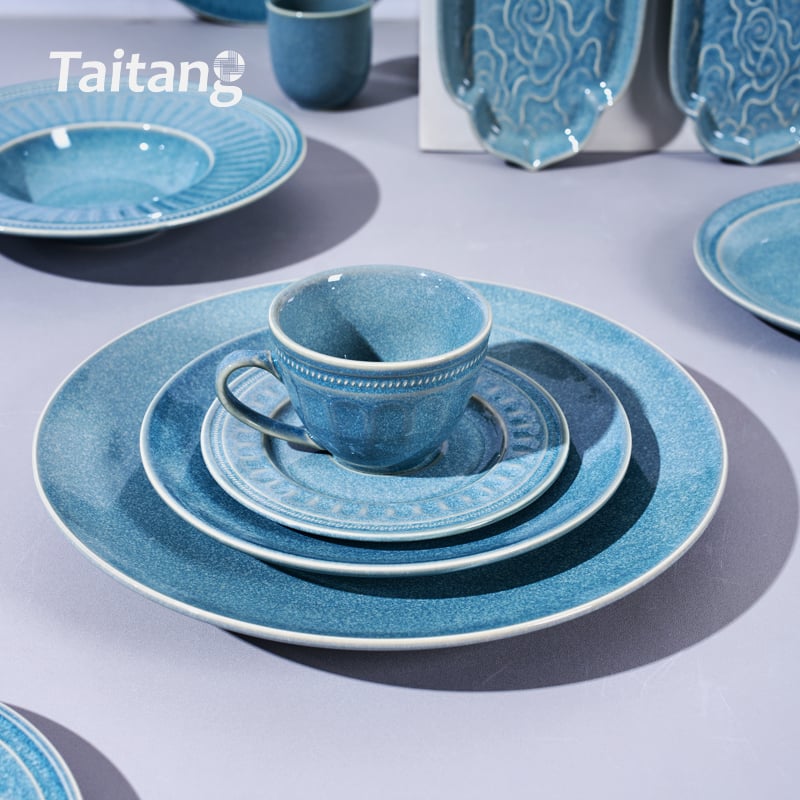
8. Яагтун хоол ундны үйлчилгээний удирдлагчид Тайтанг-ийн бүтээлсүүдийг сонгож буй?
Тайтанг нь професиональ хоол ундны үйлчилгээний бүтээлсүүдийн үйлдвэрлэгч ба бүх төрлийн үйлчилгээ үзүүлэгч, лукс 5-од звездаст хоол ундны үйлчилгээний газар , олон улсын цогцолборын хоол ундны үйлчилгээний газар, хоол ундны үйлчилгээний бүлгүүдийн дунд дэлхийн масштабт үйлчилж буй.
1) Өндөр алюминийн шилжин бие: Өндөр алюминийн шаварлаг минералуудаас бүтээд, хэт өндөр температурт (1320°C) шатааж, илүү дээд механик нягт, ус шингээх хурд түүнээс бага бүтээлсүүдийн үйлдвэрлэлд хүртүл.
2) Дуламдаж бүтээд хүрдүүрт ирмүүд: Хүрдүүрт ирмүүд нь чипс хүрдүүрт бүтээд, стандарт хэрэглэгчдийн порцеланы харьцуулалтад ирмүүдийн түүхийн төвхөн бүтээмжийг нэмэгдүүлж буй.
3) Сүүдрийн шилжин глянц: Коммерциал угаалтын циклд түүхийн глянц алдагдаж, хөнгөн хүрдүүрт ирмүүд, химийн шүүртлүүдийн нөлөөнд түүхийн төвхөн бүтээмжийг хадгалж буй.
4) Нэг цагт хүрэх гостиница шийдлүүд: Тааламжит логоо тавих, өнгөт глазур хийх, бүтэн гостиница хэрэгсэл худалдан авах газар хүртэл Тайтанг бүхэлд нь нийлүүлэх газар хүртэл итгэлтүй нийлүүлэх газар.
[Тааламжит зөвлөх үйлчилгээний тулд биднэй холбогдоо ]
Холбогдох уншилтууд
1. Глянцт церамик хоолны савангуудыг сонгох арга-зөвлөмж

