
 EN


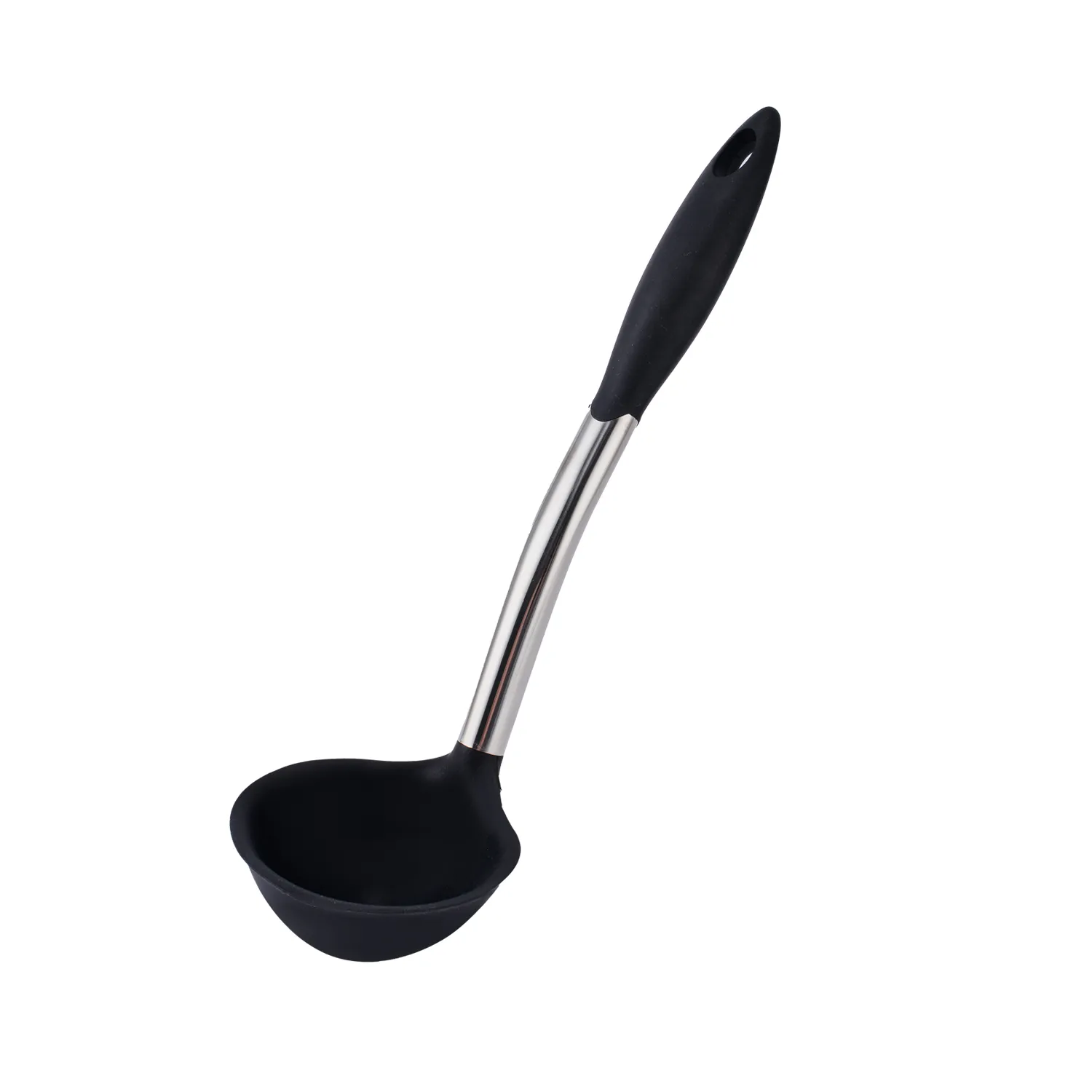
Commercial kitchen utensils represent a significant investment for any hospitality operation, and protecting that investment requires understanding how to care for these essential tools properly. Whether you operate a fine dining restaurant, hotel kitchen, or catering facility, the quality and longevity of your utensils directly impact both your operational efficiency and bottom line. Proper maintenance of utensils goes far beyond basic washing; it involves systematic care practices that preserve the integrity of materials, maintain aesthetic appeal, and ensure food safety compliance. This comprehensive guide explores proven utensil care strategies designed specifically for the demanding environment of professional kitchens.
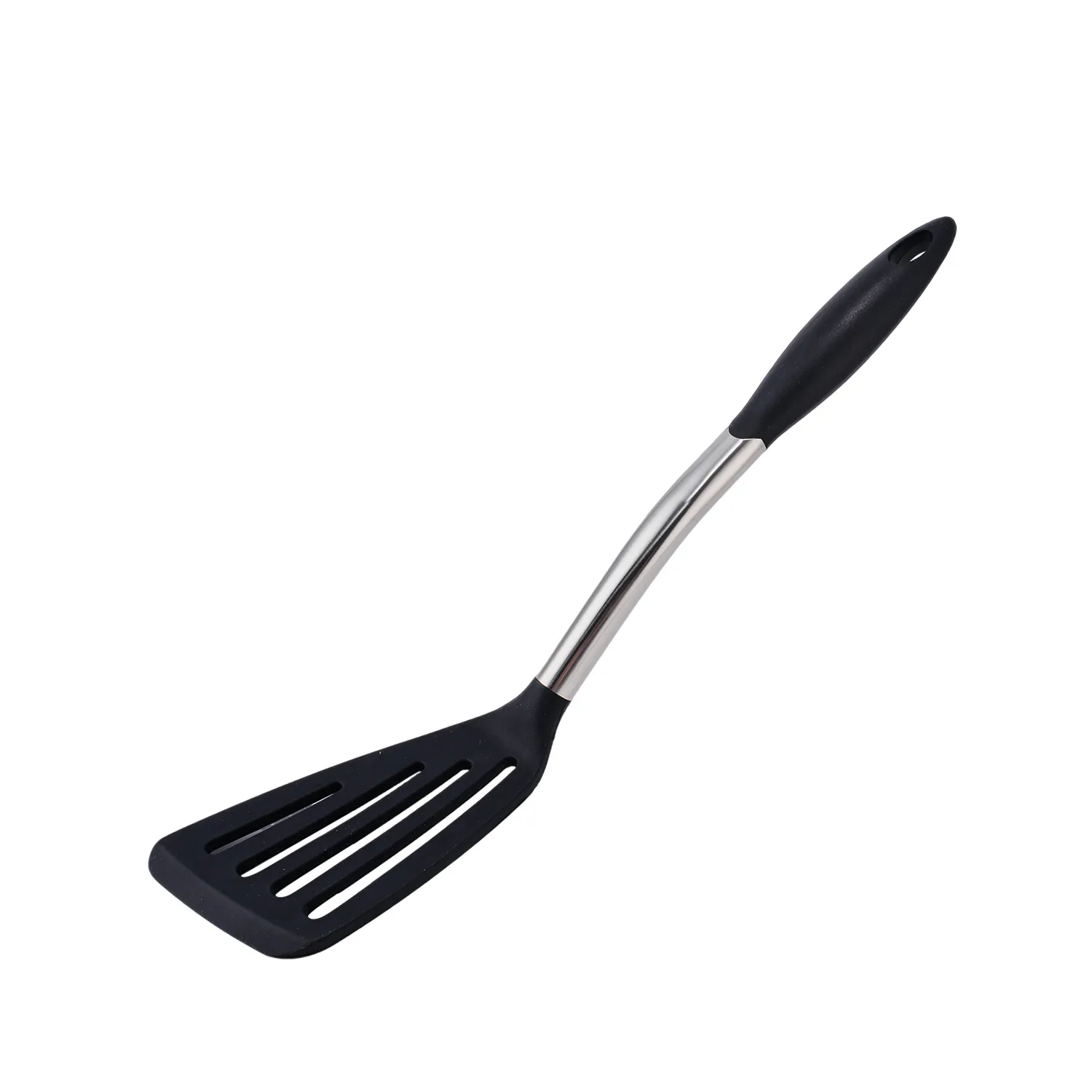
The everyday handling and washing of utensils in high-volume kitchens exposes these tools to constant mechanical stress, chemical exposure, and thermal shock. Understanding the material composition of your utensils—whether stainless steel, carbon steel, specialty alloys, or other metals—forms the foundation of effective care protocols. Different utensils respond differently to various cleaning methods, storage conditions, and environmental factors. Implementing targeted care practices not only extends the operational lifespan of your utensils but also maintains their hygiene standards, visual presentation, and functionality for years to come.
Washing and Cleaning Best Practices for Utensils
Proper Washing Techniques for Professional Utensils
The washing process is the most critical aspect of utensil care in commercial kitchens. When handling utensils during washing, use warm water rather than extremely hot water, as excessive heat can weaken certain utensil materials and accelerate oxidation. Hand washing utensils remains preferable to dishwasher cycles for premium or delicate utensils, though many commercial-grade utensils tolerate machine washing. If using commercial dishwashers for utensils, always place them in the designated utensils basket with handles pointing downward to prevent damage and ensure thorough water circulation. Avoid washing utensils immediately after use when they are extremely hot; allowing them to cool slightly prevents thermal shock and reduces the risk of warping or discoloration of utensils.
Drying and Immediate Care After Washing
Never allow utensils to air dry or remain wet in stacks, as this accelerates corrosion and creates food safety risks. Immediately after washing, dry each utensil thoroughly with a soft, lint-free cloth to prevent water spotting and mineral deposits on stainless steel utensils. For premium utensils used in fine dining service, hand drying ensures no water marks remain visible. Store utensils in a dry environment immediately after drying; even brief exposure to moisture in warm kitchens can initiate rust formation on vulnerable utensils. Implement a strict protocol where staff members understand that utensils must be completely dry before storage or use in any meal service.
Storage and Organization Strategies for Commercial Utensils
Optimal Storage Conditions and Environments
The storage environment significantly influences how long utensils maintain their quality and appearance. Keep utensils in a clean, dry storage area with controlled humidity levels; excessive moisture in storage spaces accelerates corrosion of utensils regardless of their stainless steel rating. Temperature fluctuations in storage areas can contribute to condensation formation on utensils, so maintain consistent room temperatures when possible. Avoid storing utensils near cleaning chemical storage areas, as vapors and spills can damage or contaminate utensils. Ensure that utensils are organized in dedicated holders or drawers that prevent them from coming into contact with one another during storage, which reduces friction damage and maintains the polished finish of utensils.
Organization Systems to Prevent Damage
Implementing a logical organizational system for utensils reduces handling damage and improves kitchen workflow efficiency. Separate utensils by type and function—dinner knives, butter knives, forks, and spoons should each have designated storage spaces. Use divider trays or specialized utensil racks that keep utensils separated and prevent them from sliding or clinking together during storage. Train kitchen staff on proper utensil placement in storage areas; careless placement leads to blade dulling, handle cracking, or finish scratching on utensils. Label storage sections clearly so that staff members can quickly identify and retrieve the correct utensils without fumbling or dropping them, which extends the lifespan of utensils through reduced accidental damage.
Maintenance and Repair Protocols for Extended Utensil Life
Regular Inspection and Preventive Maintenance
Establish a regular inspection schedule to identify early signs of wear or damage in your utensils before they become service-limiting problems. Monthly inspections should examine utensils for visible corrosion, pitting, blade dulling, handle loosening, or discoloration that may indicate material degradation. Address minor corrosion on utensils immediately using appropriate metal polish or vinegar-based solutions; catching corrosion early prevents deep pitting that would require utensil retirement. Document inspection findings and track which utensils show accelerated wear, as patterns may indicate improper washing procedures or storage issues affecting your entire utensils collection. Preventive maintenance practices preserve utensils and prevent costly replacement cycles.
Reconditioning and Professional Care Services
For premium or specialty utensils, consider professional reconditioning services that restore finish, remove stubborn corrosion, and polish utensils to like-new condition. Professional polishing of utensils can eliminate light scratches and restore shine to dulled utensils used regularly in service. Some hospitality operations implement periodic deep-cleaning protocols where all utensils undergo thorough sanitization and restoration treatments. Sharpening services for specialty knives and cutting utensils should be performed by professionals who understand proper blade geometry and material composition of your utensils. Investing in professional reconditioning of utensils costs less than replacing entire collections and dramatically extends useful lifespan of utensils.
Common Mistakes and Prevention Strategies
Errors That Damage Utensils Prematurely
Many commercial kitchens unintentionally damage utensils through common mistakes in handling and care. Storing utensils loosely in drawers without dividers causes them to clank together, creating blade dulling and handle damage on utensils. Placing hot utensils directly into cold water creates thermal shock that can warp or crack utensils, particularly those with handles containing composite materials. Using harsh abrasive scrubbers on polished utensils removes protective patina layers and creates microscopic scratches that trap bacteria and accelerate corrosion of utensils. Mixing different types of utensils in dishwasher cycles without proper separation allows harder materials to scratch softer utensils during the wash and dry cycles. Overloading storage containers with too many utensils creates pressure that bends or warps utensils over time.
Staff Training and Accountability Systems
Successful utensil care programs require consistent staff training and clear accountability for handling practices. Develop written protocols for utensil washing, drying, and storage that all kitchen staff must follow without exception. Implement training sessions for new employees focusing specifically on proper utensil care techniques and the business value of maintaining equipment integrity. Establish a feedback system where kitchen managers regularly assess utensil condition and provide corrective guidance to staff members whose handling practices cause premature wear. Recognition programs that reward teams for maintaining utensils in excellent condition foster a culture of responsibility that protects your kitchenware investment.
FAQ
How often should commercial kitchen utensils be professionally cleaned and inspected?
Most commercial operations benefit from monthly visual inspections of utensils to catch early signs of damage or corrosion. Professional deep cleaning and reconditioning services are best scheduled quarterly or semi-annually depending on usage volume and the premium status of your utensils. High-volume fine dining establishments may require more frequent professional attention for their utensils collections, while standard casual restaurants might achieve excellent results with semi-annual professional service for utensils.
What is the best way to remove mineral deposits and discoloration from stainless steel utensils?
White vinegar is an excellent natural solution for removing mineral deposits from utensils; soak affected utensils in vinegar for 15-30 minutes, then scrub gently with a soft cloth. Commercial stainless steel cleaners designed specifically for utensils are also effective when used according to product instructions. Always dry utensils immediately after any cleaning treatment to prevent new water spots from forming on your utensils. Avoid chlorine-based bleach on utensils, as it can cause pitting in stainless steel materials.
Can all commercial kitchen utensils be washed in commercial dishwashers?
Most commercial-grade stainless steel utensils are dishwasher safe, but premium utensils with special finishes, bonded handles, or exotic materials should typically be hand washed. Always consult manufacturer guidelines for specific utensils before assuming they tolerate high-temperature dishwasher cycles. Even dishwasher-safe utensils benefit from hand drying immediately after the cycle completes to prevent water spotting. Some decorative or antique utensils may require exclusive hand washing to preserve their finish and value.