
 EN


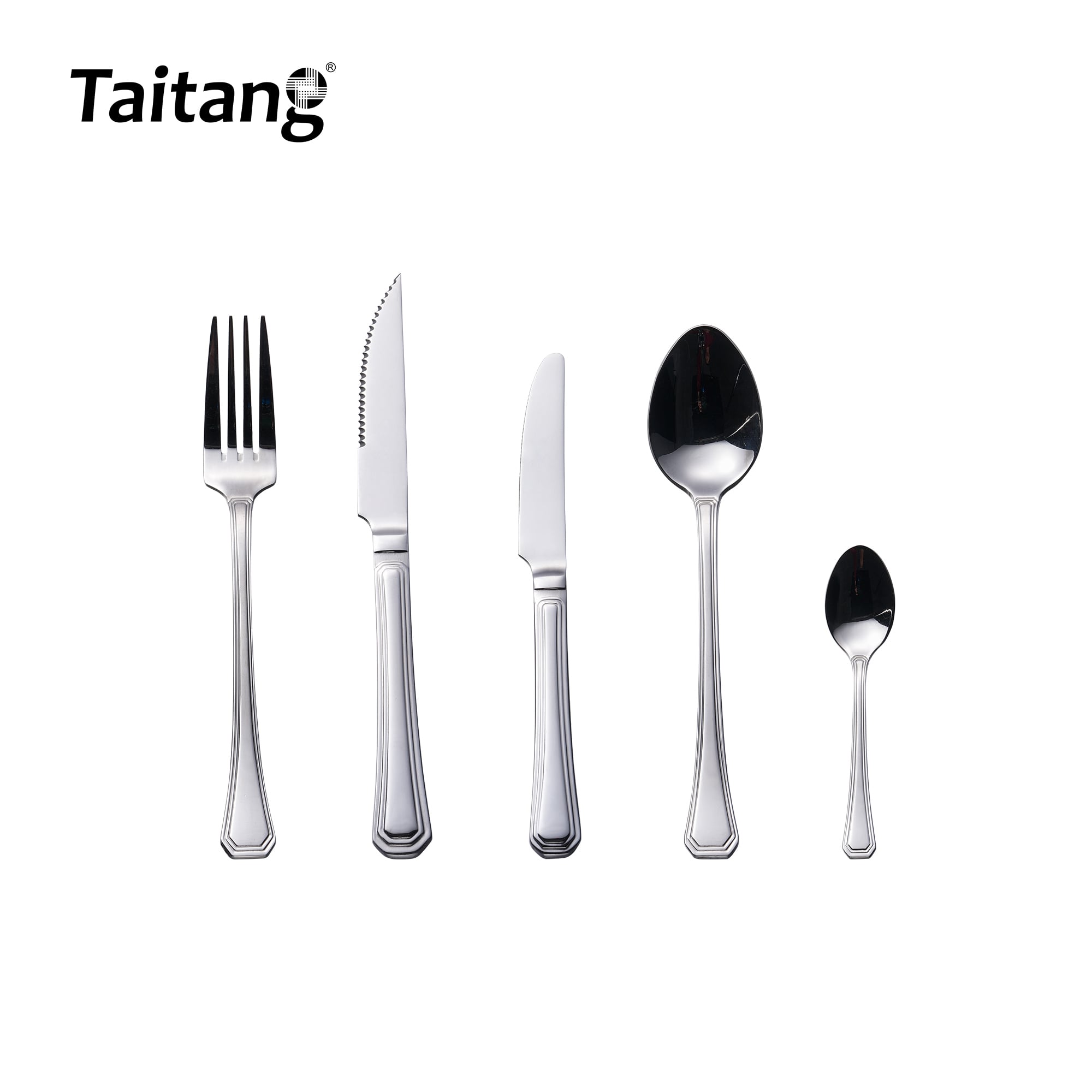
Selecting the right cutlery for your hotel or restaurant is far more than an aesthetic choice. The cutlery you provide directly impacts guest satisfaction, operational efficiency, and your establishment's reputation. Premium cutlery reflects quality standards, enhances the dining experience, and withstands the demands of high-volume hospitality operations. Whether you manage a luxury resort, boutique hotel, or fine dining restaurant, understanding how to choose the best cutlery ensures your investment delivers both elegance and longevity. The decision involves multiple considerations, from material composition to weight, design, and maintenance requirements. This guide walks you through the essential factors that define quality cutlery and helps you make an informed selection aligned with your operational needs.
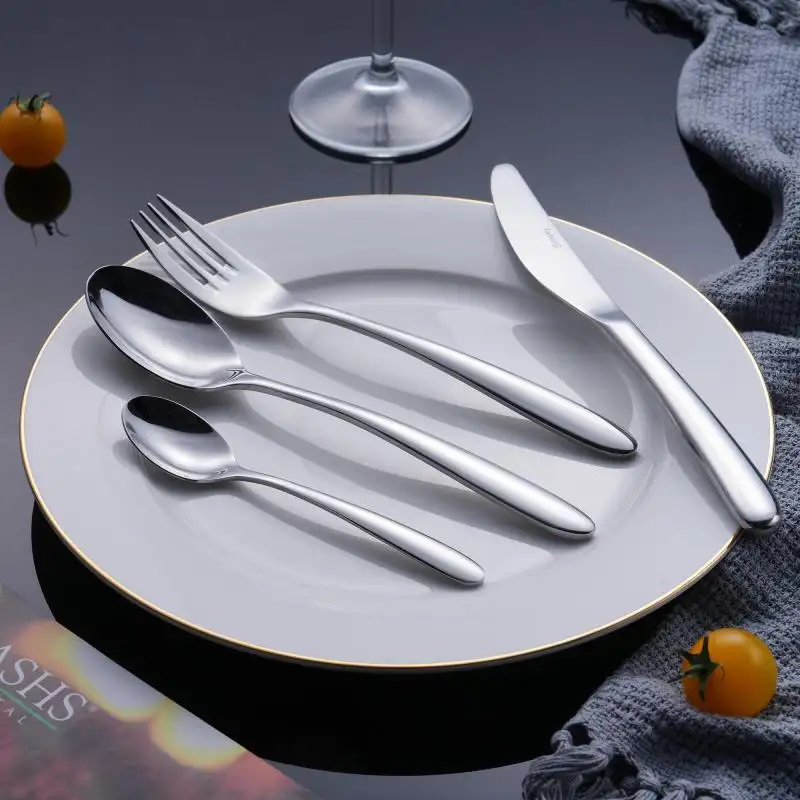
The hospitality industry demands cutlery that performs consistently across thousands of meals, dishwashing cycles, and years of daily use. Your choice of cutlery influences both front-of-house presentation and back-of-house operational costs. High-quality cutlery maintains its appearance, resists corrosion, and reduces replacement frequency, protecting your bottom line while maintaining the guest experience your establishment promises. This comprehensive resource examines material standards, design considerations, durability factors, and practical selection strategies that hospitality professionals rely upon when investing in cutlery for their properties.
Understanding Material Standards for Hotel Cutlery
Stainless Steel Composition and Grade
The material foundation of restaurant-grade cutlery determines its performance and longevity. Hotel cutlery is predominantly made from stainless steel, but not all stainless steel performs equally. The most reliable cutlery uses 18/10 stainless steel, which contains 18 percent chromium and 10 percent nickel. This composition delivers superior corrosion resistance, exceptional durability, and a bright, polished finish that maintains its appearance through countless washing cycles. Lower-grade cutlery, such as 18/0 stainless steel, contains no nickel and is more prone to rust and discoloration, particularly in high-moisture hospitality environments. When evaluating cutlery options, always verify the stainless steel grade, as this single factor significantly impacts long-term performance and guest perception.
Weight and Density Considerations
The weight of your cutlery communicates quality and influences guest perception. Premium hotel cutlery typically ranges from 90 to 130 grams per piece, providing substantial heft that guests associate with luxury dining. Lightweight cutlery, while less expensive, often feels cheap and diminishes the perceived value of your dining experience. The weight distribution across the handle and blade should feel balanced and comfortable in hand. Density also affects durability; heavier cutlery generally resists bending, warping, and damage from high-volume dishwashing operations. When you invest in properly weighted cutlery, you are investing in both the immediate guest experience and the long-term durability of your tableware investment.
Design Features That Define Quality Cutlery
Handle Shape and Comfort Profile
The handle design of your cutlery impacts both functionality and guest comfort throughout the meal. Quality hotel cutlery features ergonomic handles that fit naturally in the hand, with smooth edges that prevent discomfort during extended use. The handle should taper gradually from the blade to the grip, creating a balanced feel that doesn't fatigue the guest's hand or arm. Some premium cutlery includes subtle ribbing or texture that improves grip without appearing overly decorative. The connection point between the handle and blade, called the bolster, should be seamless and reinforced to prevent separation during heavy use or aggressive dishwashing. When evaluating cutlery, spend time holding several options to assess comfort, as this direct tactile experience reveals whether the design will enhance or detract from your guests' dining experience.
Blade Edge and Cutting Performance
The cutting edge of dinner knives is fundamental to cutlery performance in dining operations. Premium cutlery features sharpened, precision-ground edges that slice cleanly through proteins, vegetables, and other foods without crushing or tearing. This cutting performance remains consistent across multiple sharpenings and years of service, distinguishing quality cutlery from budget alternatives that dull quickly or require frequent professional sharpening. The blade thickness and angle are engineered to balance durability with cutting ability, ensuring that knives perform reliably in high-volume settings. When assessing cutlery, test the knife's cutting capability on various food types, as this practical evaluation reveals whether the blade will meet your operational standards and guest expectations.
Durability and Maintenance Requirements for Hotel Cutlery
Dishwashing Performance and Corrosion Resistance
Hotel and restaurant cutlery must endure commercial dishwashing cycles that would damage lesser utensils. High-temperature washers, harsh detergents, and prolonged moisture exposure require cutlery engineered specifically for these conditions. Premium cutlery with 18/10 stainless steel composition resists staining, pitting, and corrosion that can develop in budget cutlery after several years of commercial dishwashing. The handle-to-blade connection should remain intact through hundreds of washing cycles without loosening or separating. Additionally, quality cutlery resists white spots and watermarks that can develop if cutlery remains wet or is stored in damp conditions. When selecting cutlery for your hospitality operation, verify that it is certified for commercial dishwashing and request information about how frequently it has been tested under high-temperature washing conditions.
Long-Term Cost Efficiency and Replacement Cycles
The true cost of cutlery extends beyond the initial purchase price to include replacement frequency, labor for sharpening and maintenance, and aesthetic consistency across your tableware sets. Premium cutlery may cost significantly more upfront, but superior durability often means you replace individual pieces far less frequently than with budget alternatives. When cutlery begins showing visible wear, discoloration, or reduced cutting performance, guest satisfaction declines and your brand perception suffers. Investment-grade cutlery maintains its appearance and functionality for many years, reducing the frequency of complete set replacements and associated operational disruptions. Many hospitality professionals find that upgrading to quality cutlery results in lower total cost of ownership, better guest experiences, and reduced waste compared to repeatedly replacing worn budget cutlery. Calculate the cost per year of service rather than the simple purchase price to understand true value.
Selecting Cutlery That Matches Your Hospitality Brand
Aligning Cutlery Design with Dining Concept and Theme
Your choice of cutlery design should harmonize with your restaurant or hotel's overall aesthetic and dining concept. Contemporary cutlery features sleek, minimalist lines that suit modern fine dining establishments, while traditional cutlery showcases classic curves and ornamentation that enhance classic dining rooms and heritage properties. The handle color and finish—polished silver, satin finish, or specialty finishes—communicates your brand's personality and quality standards. When selecting cutlery, consider how it will appear on your table settings, how it complements your dinnerware and glassware, and whether the design will remain timeless or feel dated within a few years. Your cutlery is an extension of your brand promise, and investing in designs that authentically represent your establishment's values ensures that guests perceive consistency and intentionality in every detail of their dining experience.
Volume Requirements and Set Configurations
Calculating your cutlery volume requirements ensures you maintain adequate stock for daily operations, dishwashing cycles, and replacement needs. Most hospitality operations maintain a cutlery inventory equivalent to two to three times their seated dining capacity to account for pieces in active use, pieces being washed, and pieces in storage for special events or seasonal demand fluctuations. When ordering cutlery for your hotel or restaurant, specify the exact pieces you need—dinner knives, forks, dessert forks, soup spoons, and any specialty utensils your cuisine requires. Ordering complete sets rather than individual pieces often provides cost savings and ensures consistency across your tableware. Work with your supplier to establish replacement ordering protocols and to identify which pieces experience the highest breakage or loss, allowing you to order additional quantities of those specific items and maintain seamless table service.
FAQ
What is the ideal stainless steel grade for hotel cutlery?
The ideal grade for hotel cutlery is 18/10 stainless steel, which contains 18 percent chromium and 10 percent nickel. This composition provides superior corrosion resistance, maintains a bright polished finish through numerous dishwashing cycles, and delivers the durability expected in high-volume hospitality operations. Lower grades like 18/0 lack nickel and are more susceptible to rust and discoloration, making them unsuitable for professional dining environments where cutlery appearance directly impacts guest perception.
How much cutlery should a hotel or restaurant maintain in inventory?
Most hospitality operations maintain cutlery inventory equivalent to two to three times their seated capacity. This accounts for pieces actively in use on tables, pieces currently being washed or maintained, and additional stock for special events or seasonal peaks. For example, a restaurant with 100 seated guests would maintain approximately 200 to 300 complete place settings of cutlery. This ensures uninterrupted table service even during peak dishwashing times and accommodates breakage or loss without immediate supply chain pressure.
How frequently should quality hotel cutlery be replaced?
Quality 18/10 stainless steel cutlery typically performs reliably for five to ten years in high-volume hospitality settings when properly maintained and washed in commercial dishwashers. Individual pieces may require replacement sooner due to accidental breakage or loss, but the overall set should maintain its appearance and functionality across this timeframe. Budget cutlery often requires replacement every two to three years, making quality cutlery more cost-effective over time despite higher initial investment. Regular maintenance, appropriate dishwashing protocols, and prompt replacement of damaged pieces extend the serviceable life of your cutlery investment.