
 EN


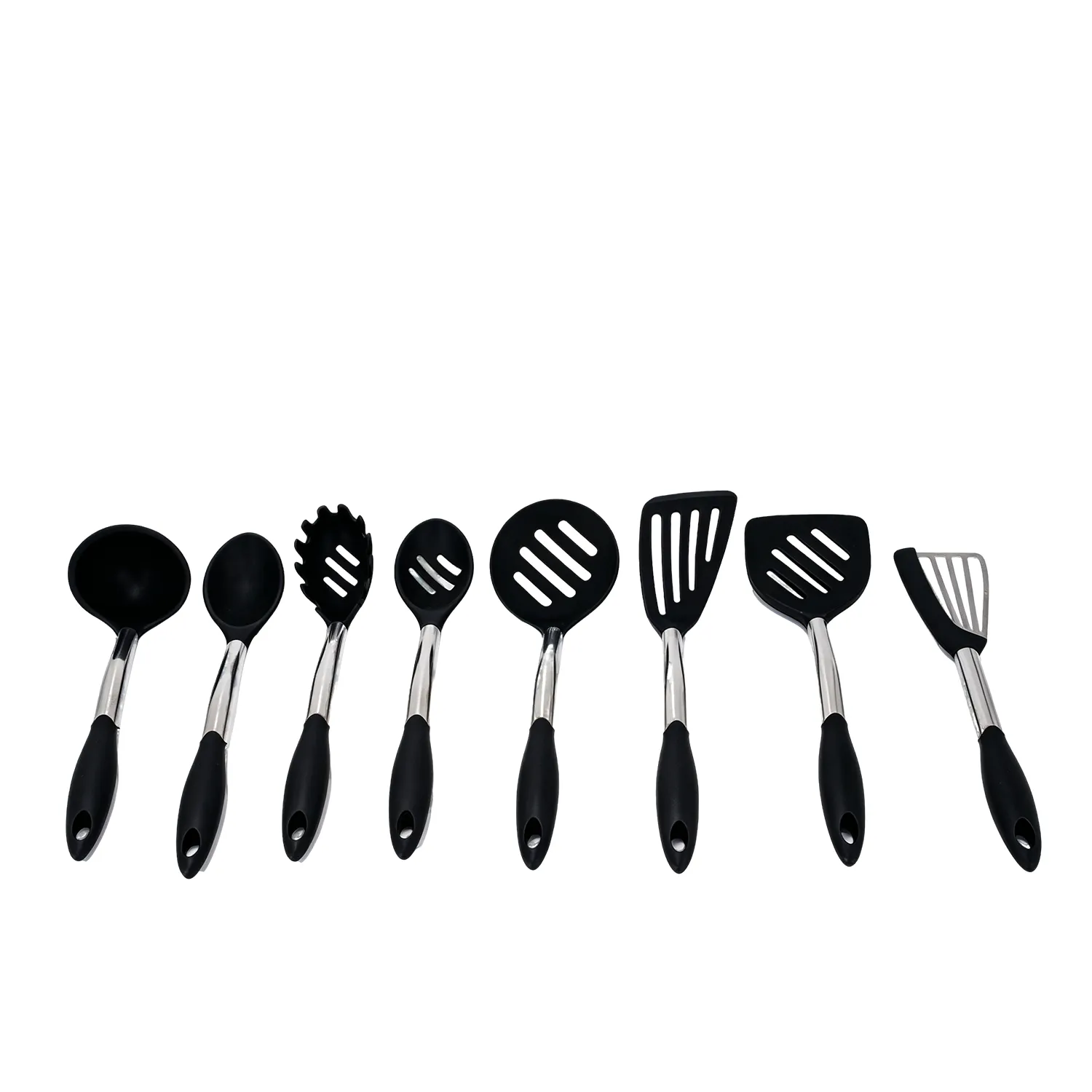
Selecting the right utensils for hotel food and beverage operations is a critical decision that directly impacts guest satisfaction, operational efficiency, and long-term profitability. Hotel kitchens and dining areas require utensils that withstand constant use, frequent washing, and demanding service environments. Unlike residential utensils, commercial utensils must meet higher standards for durability, hygiene, and aesthetic appeal. Understanding how to choose durable utensils ensures that your hotel maintains consistent service quality while minimizing replacement costs and waste.
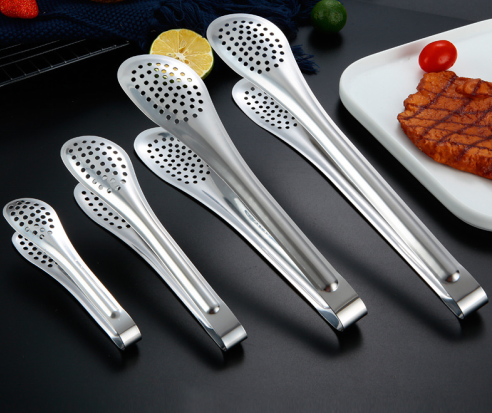
The process of selecting hotel utensils requires careful evaluation of material composition, construction quality, and specific operational needs. Hospitality professionals must balance performance requirements with budget considerations while ensuring that selected utensils align with the hotel's brand identity and guest expectations. Poorly chosen utensils can damage your reputation, increase labor costs through excessive cleaning and replacement, and create safety risks in the kitchen. This guide provides practical insights into choosing utensils that deliver reliability and value across your entire food and beverage operation.
Understanding Utensil Materials and Durability Standards
Stainless Steel Utensils for Commercial Environments
Stainless steel utensils are the industry standard for hotel food service because of their exceptional durability, corrosion resistance, and hygienic properties. High-quality stainless steel utensils resist rust, staining, and discoloration even with intensive daily use and frequent machine washing at elevated temperatures. The grade of stainless steel matters significantly: 18/10 stainless steel (containing 18% chromium and 10% nickel) is superior to 18/8 or 13/0 grades for hospitality settings. When choosing stainless steel utensils, verify that the material meets NSF or FDA certification standards, ensuring your utensils are food-safe and approved for commercial foodservice. Durable utensils made from premium stainless steel maintain their appearance and functionality through thousands of service cycles, making them a cost-effective investment despite higher initial purchase prices.
Weight, Balance, and Construction Quality
Premium utensils have substantial weight and perfect balance, which enhance the dining experience and signal quality to guests. Heavier utensils generally indicate better material density and manufacturing precision, contributing to durability and longevity. The handle-to-blade ratio of utensils must be carefully proportioned to ensure comfortable use by servers and kitchen staff during fast-paced service periods. Utensils constructed through forging techniques are more durable than stamped utensils because the metal is stronger and more resistant to bending or breaking. When evaluating utensils, examine the handle attachment point closely: solid construction with no visible gaps or weak joints indicates utensils that will withstand years of intensive use. Testing the balance by placing utensils on your finger will reveal whether they feel comfortable and professional-grade.
Assessing Durability Through Performance Metrics
Dishwasher Cycles and Heat Resistance
Hotel kitchens typically run commercial dishwashers with cycles reaching 180 to 190 degrees Fahrenheit, plus high-pressure spray jets and strong detergent formulations. Durable utensils must withstand hundreds of these cycles monthly without warping, pitting, or handle deterioration. Before committing to bulk purchases, test sample utensils through your facility's actual dishwashing equipment and procedures. Quality utensils show no visible damage, discoloration, or structural changes after extended use in your specific commercial environment. The manufacturer should provide documented information about recommended wash temperatures, detergent compatibility, and expected lifespan under commercial conditions. Utensils that cannot tolerate your hotel's standard dishwashing protocols will require hand-washing or special handling, dramatically increasing labor costs and reducing operational efficiency.
Edge Retention and Cutting Performance
Knives and cutting utensils must maintain sharp, durable edges throughout extended use without chipping or dulling rapidly. The edge geometry of utensils directly impacts both performance and safety: poorly designed edges become dangerous to handle and compromise food presentation. Premium utensils are manufactured with proper blade angles and hardened steel that resists edge deterioration during normal cutting tasks and commercial knife maintenance routines. Evaluate edge retention by testing utensils on standard cutting tasks: if edges become dull or chip after minimal use, the utensils are not suitable for high-volume hotel operations. Utensils with superior edge retention reduce time spent on tool maintenance and replacement, allowing your kitchen staff to focus on food preparation efficiency.
Matching Utensils to Specific Hotel Operations and Styles
Fine Dining Versus Casual Service Utensil Specifications
Different hotel concepts require different utensil profiles. Fine dining establishments demand utensils with refined aesthetics, precise sizing, and pristine finishing that reflects luxury and attention to detail. Casual dining or quick-service areas may prioritize durability and ease of cleaning over decorative appeal, but utensils must still meet commercial durability standards. The weight, size, and finish of utensils should align with your service style and guest expectations: heavy mirror-polished utensils communicate fine dining quality, while satin-finish utensils suggest contemporary casual elegance. Your utensil selection should enhance your dining room ambiance while delivering reliable performance through thousands of guest interactions. Mismatched or inappropriate utensils undermine your brand positioning and create negative impressions regardless of food quality or service excellence.
Specialty Utensils for Unique Menu Requirements
Specialized menus may require particular utensils: seafood service utensils, dessert-specific implements, or ethnic-cuisine serving pieces. Premium quality is essential even for specialty utensils because they receive identical commercial washing and intensive use. When sourcing specialty utensils, verify that they meet the same durability standards and material specifications as your primary flatware. Poorly manufactured specialty utensils become bottlenecks in service, requiring hand-washing or emergency replacements that disrupt operations. Investing in durable utensils across your entire service array ensures consistent operations and professional presentation throughout the guest experience. This comprehensive approach prevents situations where missing or substandard specialty utensils force compromises in menu presentation or service protocols.
Implementing Maintenance Practices to Maximize Utensil Lifespan
Proper Sorting and Loading Procedures
Even the most durable utensils require proper handling to achieve their full lifespan potential. Hotel staff must be trained to sort utensils before dishwashing, separating delicate pieces from heavy items to prevent damage during mechanical washing. Improper basket loading causes utensils to rub together, creating micro-scratches and surface damage that accumulate over time. Implement clear procedures for loading silverware baskets: utensils should be arranged with handles pointing the same direction and pieces separated to allow water spray access to all surfaces. Pre-rinsing utensils removes food particles and sticky residues that can bond to utensils during high-temperature washing, preventing staining and the need for labor-intensive manual polishing. Training your dishwashing team on proper utensil handling extends utensil durability significantly and reduces customer-facing quality issues from spotted or stained pieces.
Regular Inspection and Preventive Maintenance
Establishing a regular inspection schedule allows your team to identify damaged or deteriorating utensils before they reach guest tables. Monthly audits of utensil inventory reveal patterns of breakage or damage that indicate quality issues or improper handling. Remove any utensils showing significant pitting, deep scratches, bent handles, or loose components from service rotation immediately. Utensils with minor cosmetic damage can be professionally polished or refinished, restoring appearance without purchasing replacement pieces. Maintaining detailed records of utensil inventory and replacement patterns provides data to guide future purchasing decisions and validate supplier quality claims. This proactive maintenance approach protects your hotel's reputation, ensures consistent guest satisfaction, and optimizes your investment in high-quality utensils across F&B operations.
FAQ
What material should I prioritize when choosing utensils for my hotel restaurant?
Premium stainless steel, specifically 18/10 grade, is the best material for commercial hotel utensils. This composition provides superior corrosion resistance, durability through intensive commercial dishwashing, and excellent aesthetic appeal that reflects quality to guests. Always verify that utensils are NSF or FDA certified to confirm food-safety compliance and commercial-grade construction standards.
How often should hotel utensils be replaced in typical F&B operations?
High-quality durable utensils in well-managed operations typically last 3 to 5 years before requiring significant replacement cycles. Utensil replacement rates depend on volume of use, quality of maintenance practices, and dishwashing equipment specifications. Implementing proper sorting, loading, and inspection procedures can extend utensil lifespan significantly and reduce replacement frequency and associated costs.
Can I mix different utensil brands in my hotel service setup?
Mixing brands is generally not recommended because utensils from different manufacturers vary in weight, balance, and appearance, creating inconsistency in table presentation and guest perception. Selecting a single high-quality utensil supplier for your entire operation ensures visual harmony, simplifies inventory management, and makes it easier to order replacement pieces that match existing sets perfectly.