
 EN



Selecting the right glassware for a hotel property directly impacts guest experience, operational efficiency, and long-term costs. Hotels face a fundamental choice between crystal glassware and standard glassware, each option carrying distinct advantages and trade-offs that influence purchasing decisions, staff training requirements, and brand perception. Understanding the differences between these two categories of glassware helps hospitality managers make informed investments aligned with their property's positioning, guest demographics, and operational capacity.
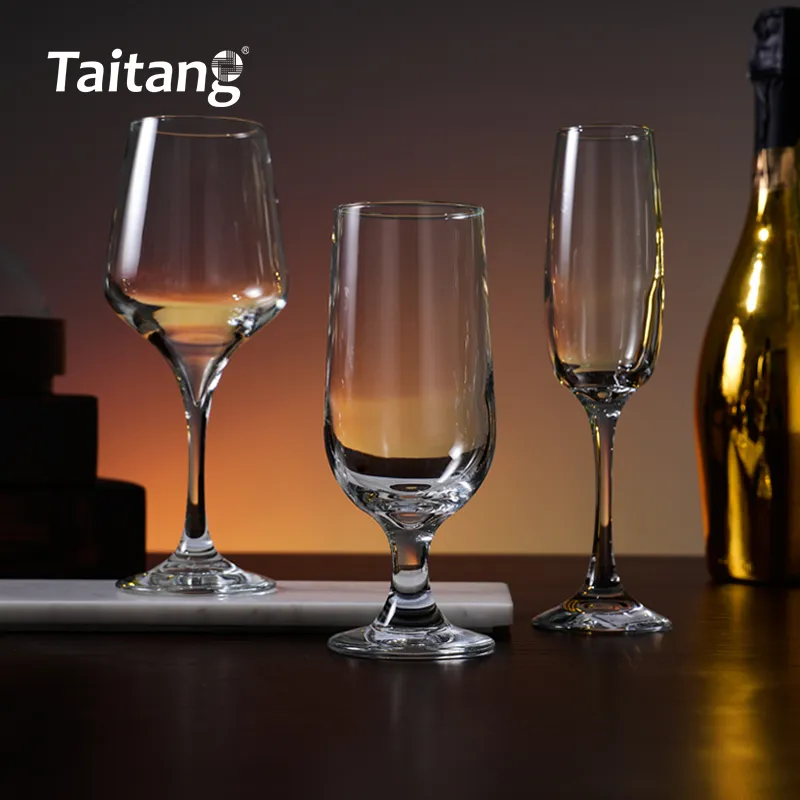
The glassware selection process requires balancing multiple factors including aesthetic appeal, breakage rates, maintenance demands, cost structure, and compatibility with your hotel's service standards. Both crystal glassware and standard glassware serve functional roles in hospitality, yet they appeal to different market segments and operational philosophies. This guide breaks down the practical and financial considerations that determine which glassware option delivers superior value for your specific hotel environment.
Understanding Crystal Glassware for Hotels
Composition and Quality Standards of Crystal Glassware
Crystal glassware contains lead oxide, typically between 24 percent and 30 percent, which creates superior optical clarity and refractive properties compared to standard glassware. The lead content in crystal glassware produces a distinctive sparkle and brilliance that guests immediately notice during service. This chemical composition makes crystal glassware heavier, more elegant, and visually distinctive, positioning it as a premium choice for upscale hotels aiming to enhance their brand image through sophisticated tableware.
The manufacturing process for crystal glassware demands precision and expertise, resulting in thinner walls despite superior strength. Crystal glassware often features hand-cut patterns and refined designs that communicate luxury to discerning guests. Hotels selecting crystal glassware signal a commitment to elegance and refinement, making this glassware particularly suitable for fine dining establishments, luxury resort properties, and high-end banquet venues where visual presentation directly influences guest satisfaction and repeat business.
Performance Characteristics of Premium Crystal Glassware
Crystal glassware demonstrates superior thermal shock resistance compared to standard glassware, allowing it to handle rapid temperature changes during dishwashing cycles more reliably. The durability of quality crystal glassware can extend its operational lifespan significantly when proper handling protocols are implemented throughout the hotel. However, crystal glassware remains more susceptible to chipping and breaking during busy service periods, particularly in high-volume establishments where glassware experiences frequent handling and stacking.
The maintenance requirements for crystal glassware are more stringent than standard glassware, demanding careful washing techniques and specialized detergents to preserve clarity and prevent etching. Hotels using crystal glassware must invest in staff training to ensure proper handling, storage, and cleaning procedures. The lead content in crystal glassware also requires attention to environmental and health regulations in certain jurisdictions, though food-safe crystal glassware produced for hospitality meets all relevant safety standards.
Evaluating Standard Glassware for Hotel Operations
Practical Advantages of Standard Glassware
Standard glassware offers exceptional durability and resistance to breaking, making it the logical choice for high-volume hotel operations, casual dining venues, and properties prioritizing operational resilience over visual luxury. The composition of standard glassware, which lacks lead oxide, allows for thicker walls and greater impact resistance during the intense demands of commercial dishwashing cycles. Hotels operating banquet halls, busy restaurant services, or casual dining concepts benefit significantly from the practical reliability of standard glassware in preventing costly breakage losses.
The cost structure of standard glassware is substantially lower than crystal alternatives, reducing initial capital investment and replacement costs when breakage occurs. Hotels purchasing standard glassware can acquire larger quantities within the same budget, ensuring adequate supply for multiple simultaneous service events. The financial flexibility provided by standard glassware enables hotels to allocate resources to other hospitality investments, such as linens, dishware, or staff training programs that directly impact guest satisfaction.
Maintenance and Sustainability Benefits of Standard Glassware
Standard glassware requires simpler cleaning protocols and tolerates a wider range of dishwashing detergents, reducing training complexity and operational friction. The resilience of standard glassware to etching and chemical damage extends its visual clarity throughout its service life, even under aggressive commercial dishwashing conditions. Hotels committed to sustainability appreciate that standard glassware's durability means fewer replacement cycles, reducing waste and the environmental footprint associated with frequent glassware replacement.
The lead-free composition of standard glassware eliminates environmental and compliance concerns in all jurisdictions, streamlining procurement and regulatory compliance for multinational hotel organizations. Staff members quickly adapt to handling standard glassware, as it requires no specialized care beyond basic commercial dishwashing practices. This accessibility makes standard glassware ideal for hotels with high staff turnover or limited training resources, ensuring consistent service quality regardless of team composition changes.
Making the Right Glassware Selection for Your Hotel
Aligning Glassware Choice with Hotel Positioning
The decision between crystal glassware and standard glassware must align with your hotel's market positioning and guest expectations rather than following industry default patterns. Luxury properties, five-star resorts, and fine dining establishments strongly benefit from investing in crystal glassware, as guests in these segments actively notice and appreciate the visual refinement and premium quality signaled by superior glassware. Conversely, mid-market hotels, business properties, and casual dining venues find greater operational and financial success using standard glassware that withstands high-frequency service demands without requiring specialized handling protocols.
Guest demographic analysis reveals critical insights for glassware selection decisions. Hotels attracting business travelers prioritize reliability and efficiency, making standard glassware the practical choice. Properties targeting celebration events, weddings, and upscale corporate functions benefit from crystal glassware's visual impact during photographed moments that influence repeat bookings. The glassware you select becomes part of your brand experience, so the choice should reflect deliberate positioning rather than passive industry conventions.
Financial Analysis and Total Cost of Ownership
Comparing the total cost of ownership between crystal glassware and standard glassware requires analyzing purchase price, replacement frequency, maintenance expenses, and operational labor costs over a multi-year period. Crystal glassware typically carries a purchase price two to four times higher than standard glassware, but serves premium market segments where higher pricing justifies the investment. Standard glassware's lower initial cost combined with reduced replacement expenses creates an attractive financial model for high-volume operations where breakage rates and replacement cycles significantly impact operating budgets.
Hotels should calculate breakage rates specific to their operation and multiply those rates by glassware replacement costs to determine the financial impact of each option. A luxury property replacing glassware quarterly may find crystal glassware's premium experience more economical than a high-volume casual restaurant where standard glassware may require monthly replacement. Labor costs associated with specialized cleaning protocols for crystal glassware also factor into total cost calculations, particularly in markets where dishwashing staff wages command premium compensation.
FAQ
Is crystal glassware worth the investment for mid-market hotels?
Crystal glassware typically exceeds the return-on-investment threshold for mid-market hotels unless the property specifically targets upscale events or maintains a fine dining restaurant. Mid-market guests generally do not perceive the visual differences between crystal glassware and quality standard glassware to justify the substantially higher replacement costs when breakage occurs during normal operations. Hotels can invest in premium standard glassware with elegant designs and refined aesthetics to approximate the visual benefits of crystal glassware while maintaining the operational advantages and cost efficiency of standard glassware.
How frequently do hotels need to replace standard glassware compared to crystal?
Replacement frequency depends heavily on operational volume and staff experience rather than glassware type alone. High-volume casual operations may replace standard glassware twice annually, while luxury hotels using crystal glassware might replace inventory annually due to the combination of higher breakage rates and the premium pricing that makes replacement economically impactful. Implementing comprehensive staff training, establishing proper storage protocols, and using quality dishwashing equipment extends the lifespan of both crystal glassware and standard glassware significantly, reducing replacement expenses regardless of which glassware option your hotel selects.
Can hotels mix crystal and standard glassware in different venues?
Absolutely, many hotels successfully operate with segmented glassware strategies, deploying crystal glassware in fine dining restaurants and standard glassware in casual venues, bar areas, and high-traffic spaces. This hybrid approach maximizes brand perception where guests notice visual details while protecting your budget from excessive replacement costs in high-breakage environments. The mixed strategy requires clear inventory management systems and staff training to ensure glassware reaches appropriate venues, but delivers both financial efficiency and brand elevation compared to single-glassware standardization across all hotel outlets.