
 EN
EN



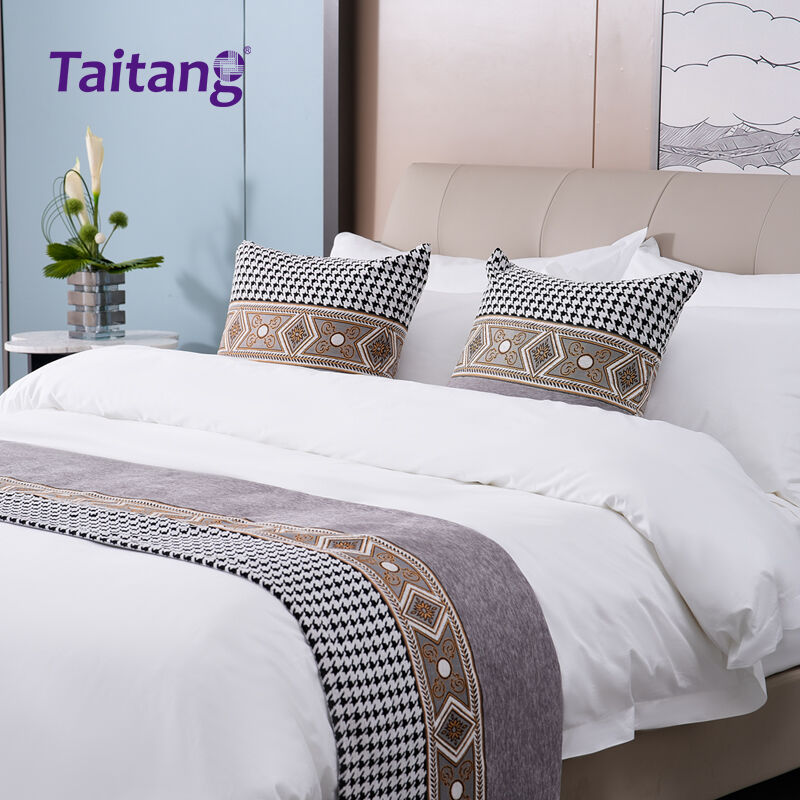
The experience of slipping into a luxury hotel bed often leaves guests wondering what creates that exceptional comfort and pristine feel that seems impossible to replicate at home. The difference between luxury hotel bedding and regular home bedding extends far beyond thread count marketing claims, encompassing sophisticated material selection, advanced manufacturing processes, and rigorous quality standards that most consumers never encounter in retail settings. Understanding these distinctions reveals why luxury hotel bedding represents a significant investment in sleep quality and long-term durability that transforms the bedroom experience.
Professional hospitality suppliers engineer luxury hotel bedding to withstand intensive commercial laundering cycles while maintaining exceptional guest satisfaction standards, creating products that far exceed typical home bedding specifications. The comprehensive approach to luxury hotel bedding development considers factors ranging from fiber selection and weave construction to finishing treatments and dimensional stability, resulting in bedding that delivers consistent performance night after night. These professional-grade standards explain why discerning consumers increasingly seek authentic luxury hotel bedding for their personal spaces.
Material Science and Fiber Selection Standards
Premium Cotton Varieties and Processing Methods
Luxury hotel bedding utilizes carefully selected cotton varieties that undergo specialized processing to achieve superior performance characteristics not found in standard home bedding. Egyptian cotton and Pima cotton represent the most common premium fibers, chosen for their extra-long staple length that creates smoother, stronger yarns with reduced pilling tendency. The fiber selection process for luxury hotel bedding involves rigorous testing for tensile strength, moisture absorption, and dimensional stability under commercial washing conditions.
Advanced cotton processing techniques employed in luxury hotel bedding production include mercerization treatments that increase luster and dye absorption while improving wash durability. The ginning and carding processes receive enhanced quality control to remove impurities and align fibers optimally, creating the foundation for superior yarn consistency. These processing refinements contribute significantly to the distinctive feel and appearance that characterizes authentic luxury hotel bedding compared to mass-market alternatives.
Synthetic Blend Innovations and Performance Enhancement
Modern luxury hotel bedding often incorporates strategic synthetic fiber blends that enhance specific performance characteristics while maintaining natural fiber comfort. Microfiber polyester additions improve wrinkle resistance and reduce shrinkage, addressing practical concerns for both hotel operations and home users. The synthetic component selection focuses on moisture-wicking properties and antimicrobial treatments that extend freshness between laundering cycles.
Advanced synthetic blending in luxury hotel bedding creates hybrid fabrics that combine natural breathability with enhanced durability and stain resistance. The proportion and distribution of synthetic fibers requires precise engineering to avoid compromising the luxurious hand feel that guests expect. Professional suppliers invest heavily in research and development to optimize these blends for maximum performance without sacrificing the tactile qualities that define premium bedding experiences.
Weave Construction and Thread Count Engineering
Professional Weave Patterns and Density Optimization
The weave construction of luxury hotel bedding employs sophisticated patterns that balance durability, comfort, and aesthetic appeal through professional engineering approaches rarely seen in retail bedding. Percale weaves dominate luxury hotel applications due to their superior breathability and crisp hand feel, while sateen weaves provide enhanced luster and smoothness for specific hospitality environments. The weave density calculations consider factors including yarn twist, fiber content, and intended laundering frequency to optimize performance longevity.
Thread count specifications in authentic luxury hotel bedding reflect functional optimization rather than marketing maximization, typically ranging from 200 to 400 threads per square inch. Higher thread counts beyond this range often compromise breathability and washing performance, explaining why professional hospitality suppliers focus on weave quality rather than thread count inflation. The balanced approach ensures consistent comfort across diverse climate conditions and guest preferences.
Structural Integrity and Dimensional Stability
Luxury hotel bedding construction emphasizes structural integrity through reinforced seaming, precision hemming, and dimensional stability treatments that prevent distortion during laundering. The seaming specifications include French seams or bound edges that eliminate raw fabric exposure and reduce fraying potential. Corner construction receives particular attention with reinforced stitching patterns that maintain fitted sheet elasticity and flat sheet draping characteristics over extended use periods.
Pre-shrinking treatments and dimensional testing ensure luxury hotel bedding maintains consistent sizing and appearance throughout its service life. The fabric undergoes controlled shrinkage processes that eliminate dimensional instability before final construction, preventing the size variations and distortion common in untreated home bedding. These engineering considerations contribute to the professional appearance and reliable performance that distinguishes luxury hotel bedding from consumer alternatives.
Manufacturing Quality Control and Testing Protocols
Commercial Laundering Simulation and Durability Testing
Manufacturing protocols for luxury hotel bedding include intensive durability testing that simulates years of commercial laundering cycles to ensure consistent performance under demanding hospitality conditions. The testing regimen includes repeated washing at elevated temperatures with industrial-strength detergents and bleaching agents that would destroy typical home bedding. Fabric strength retention, color fastness, and dimensional stability receive continuous monitoring throughout extended test cycles.
Quality control laboratories conduct accelerated aging tests on luxury hotel bedding samples to predict long-term performance characteristics and identify potential failure modes. The testing protocols evaluate pilling resistance, seam strength retention, and elastic recovery properties under conditions that exceed normal home use intensity. These rigorous standards ensure luxury hotel bedding maintains its premium characteristics despite intensive commercial use patterns.
Chemical Treatment and Safety Compliance
Luxury hotel bedding undergoes specialized chemical treatments and safety testing that exceeds residential bedding requirements, addressing concerns ranging from flame retardancy to allergen control. The treatment processes include antimicrobial applications that inhibit bacterial growth and odor development without compromising fabric breathability or comfort. Safety compliance extends to formaldehyde emission testing and heavy metal content verification to ensure guest safety in enclosed sleeping environments.
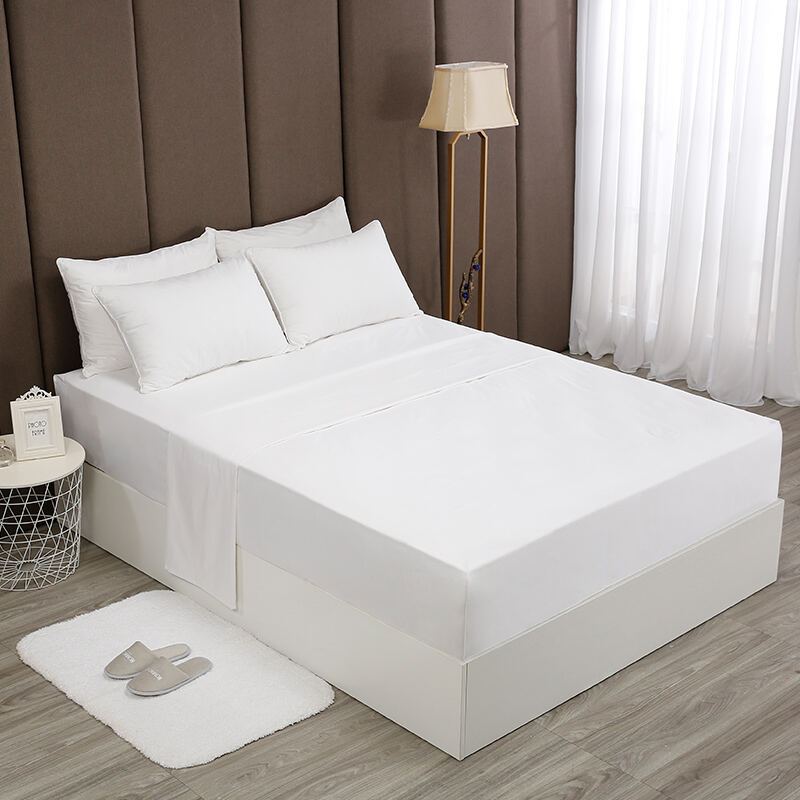
Professional finishing treatments applied to luxury hotel bedding include soil release agents and stain resistance coatings that facilitate cleaning while maintaining fabric integrity. The chemical application processes undergo careful monitoring to ensure uniform distribution and optimal performance without creating stiffness or reducing absorbency. These treatments contribute significantly to the low-maintenance characteristics and extended service life that differentiate luxury hotel bedding from standard home alternatives.
Performance Characteristics and Comfort Engineering
Moisture Management and Temperature Regulation
Advanced moisture management systems in luxury hotel bedding utilize fiber selection and weave engineering to optimize humidity control and temperature regulation for enhanced sleep comfort. The fabric construction promotes air circulation while efficiently wicking perspiration away from the skin surface, maintaining a dry and comfortable sleeping environment. Breathability testing ensures luxury hotel bedding provides superior ventilation compared to dense weave consumer bedding that can trap heat and moisture.
Temperature regulation properties of luxury hotel bedding result from careful balance between insulation and ventilation characteristics, accommodating diverse guest preferences and climate conditions. The fabric weight and density optimization provides sufficient warmth retention without creating overheating issues during sleep cycles. Advanced synthetic fiber additions enhance thermal regulation by improving moisture transport while maintaining the natural comfort characteristics that guests expect from premium bedding experiences.
Tactile Properties and Sensory Experience
The distinctive tactile qualities of luxury hotel bedding result from precise control over surface texture, hand feel, and draping characteristics through advanced manufacturing techniques. Surface finishing processes create the smooth, cool-to-touch sensation that characterizes premium hotel experiences while maintaining durability under repeated laundering. The fabric weight distribution and flexibility engineering ensure optimal draping and conformability without excessive stiffness or limpness.
Sensory experience optimization in luxury hotel bedding extends beyond initial touch to include factors such as noise reduction, static control, and consistent texture retention over time. The fabric construction minimizes rustling sounds during movement while reducing static electricity buildup that can cause discomfort. These refinements contribute to the serene sleeping environment that guests associate with luxury hospitality experiences and seek to replicate in their personal spaces.
Commercial Laundering Optimization and Maintenance Requirements
Industrial Washing Compatibility and Chemical Resistance
Luxury hotel bedding design incorporates commercial laundering optimization that enables consistent cleaning results with industrial equipment and chemicals unavailable in residential settings. The fabric construction withstands high-temperature washing, aggressive mechanical action, and concentrated detergent formulations without degradation or color loss. Chemical resistance properties ensure luxury hotel bedding maintains its appearance and performance characteristics despite exposure to bleaching agents and sanitizing treatments.
Professional laundering compatibility extends to specialized finishing processes that restore fabric hand feel and appearance after intensive cleaning cycles. The fiber selection and treatment protocols enable luxury hotel bedding to emerge from commercial laundering with restored brightness, softness, and dimensional accuracy. These capabilities explain why authentic luxury hotel bedding often outperforms home bedding that deteriorates rapidly under less intensive washing conditions.
Maintenance Scheduling and Performance Monitoring
Luxury hotel bedding incorporates design features that facilitate professional maintenance scheduling and performance monitoring throughout its service life. Color coding systems and construction details enable housekeeping staff to track usage cycles and identify items requiring replacement or refurbishment. The standardized sizing and quality specifications ensure consistent guest experiences across different rooms and properties within hospitality chains.
Performance monitoring protocols for luxury hotel bedding include regular inspection for wear patterns, staining, and fabric integrity to maintain quality standards. The predictable degradation patterns enable proactive replacement scheduling that prevents guest dissatisfaction while optimizing operational costs. These professional maintenance approaches contribute to the consistently high quality that distinguishes luxury hotel bedding from home bedding that receives irregular or inadequate care.
FAQ
How long does luxury hotel bedding typically last compared to regular home bedding?
Luxury hotel bedding is engineered to withstand 300-500 commercial laundering cycles while maintaining acceptable quality standards, equivalent to several years of intensive hotel use. In home environments with gentler washing conditions, luxury hotel bedding often lasts 3-5 times longer than standard retail bedding, providing superior long-term value despite higher initial investment costs.
Can I achieve the same comfort at home by buying high thread count sheets from retail stores?
High thread count alone does not replicate luxury hotel bedding performance, as retail sheets often use inferior fiber quality and construction methods to achieve marketing claims. Authentic luxury hotel bedding focuses on balanced thread count with premium materials and professional weave engineering that creates superior comfort, durability, and maintenance characteristics not available through thread count maximization.
Why does luxury hotel bedding feel different even after multiple washes at home?
Luxury hotel bedding maintains its distinctive feel due to superior fiber quality, advanced finishing treatments, and construction methods that resist degradation under normal washing conditions. The professional-grade materials and engineering enable consistent performance characteristics that persist through numerous laundering cycles, unlike regular bedding that loses its initial properties relatively quickly.
Is luxury hotel bedding worth the higher cost for home use?
The investment in luxury hotel bedding provides significant long-term value through enhanced durability, superior comfort, and reduced replacement frequency compared to standard home bedding. The professional-grade construction and materials justify higher initial costs by delivering consistent performance and maintaining appearance over extended use periods, ultimately reducing total cost of ownership while improving sleep quality.
Table of Contents
- Material Science and Fiber Selection Standards
- Weave Construction and Thread Count Engineering
- Manufacturing Quality Control and Testing Protocols
- Performance Characteristics and Comfort Engineering
- Commercial Laundering Optimization and Maintenance Requirements
-
FAQ
- How long does luxury hotel bedding typically last compared to regular home bedding?
- Can I achieve the same comfort at home by buying high thread count sheets from retail stores?
- Why does luxury hotel bedding feel different even after multiple washes at home?
- Is luxury hotel bedding worth the higher cost for home use?