
 EN
EN



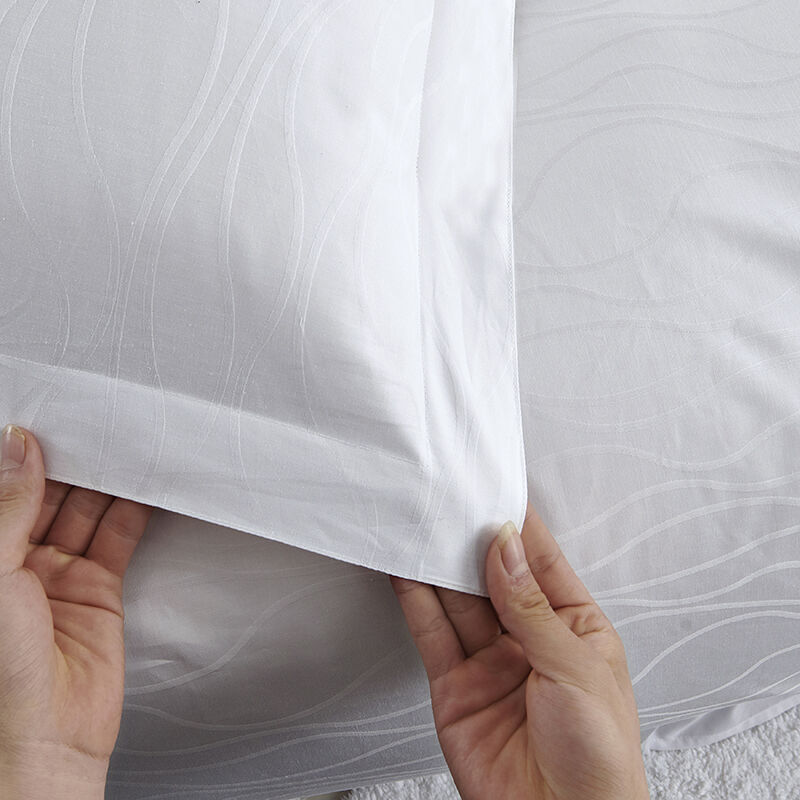
Proper hotel bedding maintenance is the cornerstone of guest satisfaction and operational efficiency in the hospitality industry. When hotels invest in quality linens and implement systematic care routines, they create lasting impressions while protecting their bottom line through extended textile lifecycles.
The financial impact of effective hotel bedding maintenance extends far beyond initial purchasing decisions. Hotels that master these maintenance principles typically see 40-60% longer textile lifecycles, reduced replacement costs, and consistently higher guest satisfaction scores, making maintenance knowledge an essential competitive advantage in today's demanding hospitality market.
Essential Daily Hotel Bedding Maintenance Protocols
Morning Inspection and Assessment Procedures
Each day begins with systematic bedding inspection that forms the foundation of comprehensive hotel bedding maintenance programs. Housekeeping staff should examine every piece for stains, tears, excessive wear patterns, or odors that require immediate attention. This proactive approach prevents minor issues from developing into costly replacement scenarios.
During morning assessments, staff should categorize bedding into three groups: items ready for immediate reuse, pieces requiring standard washing, and textiles needing special treatment or removal from circulation. This sorting system ensures that only pristine linens reach guest rooms while identifying maintenance needs early in the process.
Documentation of inspection findings creates valuable data for tracking bedding lifecycle patterns and identifying recurring issues. Hotels implementing structured inspection protocols often discover specific rooms or usage patterns that require adjusted maintenance approaches, leading to more targeted and effective care strategies.
Proper Handling and Transportation Techniques
The journey from guest rooms to laundry facilities significantly impacts bedding condition and longevity. Hotel bedding maintenance begins with gentle removal techniques that avoid unnecessary stress on fabric fibers. Staff should roll rather than bunch linens, preventing wrinkle formation and fiber damage that accumulates over time.
Transportation containers should be clean, dry, and appropriately sized to prevent compression damage. Overstuffing laundry carts creates pressure points that weaken fabric structure, while contaminated containers can introduce stains or odors that complicate cleaning processes.
Temperature and humidity control during transportation becomes particularly important for hotels in extreme climates. Excessive moisture exposure during transport can promote bacterial growth or mildew development, requiring more aggressive cleaning treatments that accelerate fabric deterioration.
Advanced Washing and Cleaning Strategies
Water Temperature and Chemical Selection Guidelines
Optimal water temperature selection represents a critical balance in hotel bedding maintenance between effective sanitization and fabric preservation. Most hotel-grade cotton bedding performs best with wash temperatures between 140-160°F, providing thorough cleaning while avoiding the harsh fiber stress of excessive heat exposure.
Chemical selection must align with both fabric composition and soil types commonly encountered in hotel environments. Oxygen-based bleaching systems typically offer superior results compared to chlorine alternatives, maintaining fabric strength while achieving the bright white appearance guests expect from quality hotel bedding maintenance programs.
pH balance management throughout the washing cycle prevents chemical residue buildup that can irritate sensitive skin and create fabric stiffness. Proper neutralization ensures that bedding maintains its soft texture while eliminating any potential allergen concerns for guests with chemical sensitivities.
Load Sizing and Cycle Optimization
Proper load sizing directly impacts cleaning effectiveness and fabric longevity in hotel bedding maintenance operations. Overloading prevents adequate water circulation and chemical distribution, leading to inconsistent cleaning results and increased rewash requirements that accelerate wear patterns.
Optimal loading typically fills machines to 85% capacity, allowing sufficient space for mechanical action while maximizing operational efficiency. This balance ensures thorough soil removal while preventing the excessive agitation that can stress fabric fibers and create premature wear points.
Cycle selection should match soil levels and fabric conditions rather than following universal timing. Heavily soiled items require longer wash cycles with additional rinse phases, while lightly used bedding can often achieve excellent results with shorter, gentler programs that preserve fabric integrity.

Strategic Drying and Finishing Processes
Temperature Control and Timing Management
Drying temperature management plays a crucial role in hotel bedding maintenance by balancing efficiency needs with fabric preservation requirements. Most hotel-grade cotton bedding responds well to medium heat settings between 140-160°F, achieving thorough moisture removal without causing fiber brittleness or shrinkage issues.
Timing control prevents over-drying, which creates static electricity, fabric stiffness, and increased wrinkle formation. Removing bedding while retaining 3-5% moisture content allows natural fiber relaxation during cooling periods, resulting in softer textures and easier pressing operations.
Progressive cooling cycles help prevent shock shrinkage and thermal stress that can weaken fabric structure. Hotels implementing gradual temperature reduction often experience significantly longer textile lifecycles compared to facilities using abrupt cooling methods.
Ironing and Pressing Best Practices
Professional ironing techniques significantly impact both appearance quality and fabric longevity in comprehensive hotel bedding maintenance programs. Proper temperature settings based on fabric composition prevent scorching while achieving the crisp, professional finish guests associate with luxury accommodations.
Steam application during pressing helps relax fiber tensions and create lasting crease lines without excessive pressure application. This gentler approach maintains fabric integrity while achieving superior aesthetic results compared to high-pressure dry pressing methods.
Consistent pressing patterns ensure uniform appearance across all bedding pieces while preventing localized stress concentrations that can lead to premature wear. Training staff in systematic pressing sequences creates predictable results and maintains quality standards throughout operations.
Storage and Inventory Management Solutions
Environmental Control and Space Organization
Proper storage conditions are fundamental to effective hotel bedding maintenance, protecting cleaned textiles from environmental damage between use cycles. Climate-controlled storage areas maintain optimal humidity levels between 45-55%, preventing both mildew formation and excessive drying that can make fabrics brittle.
Air circulation systems ensure consistent environmental conditions throughout storage areas while preventing stagnant air pockets that can harbor odors or promote bacterial growth. Well-designed storage facilities often include HVAC systems specifically calibrated for textile preservation requirements.
Organization systems should facilitate first-in-first-out rotation to prevent extended storage periods that can cause fabric degradation. Clear labeling and systematic shelf arrangements help staff quickly identify appropriate bedding while ensuring even usage distribution across inventory.
Rotation Strategies and Lifecycle Tracking
Strategic rotation prevents overuse of preferred bedding sets while ensuring even wear distribution across entire inventories. Effective hotel bedding maintenance programs typically maintain three complete sets per room: one in use, one in laundry processing, and one in clean storage ready for deployment.
Digital tracking systems enable precise monitoring of individual bedding piece usage, wash cycles, and condition assessments. This data-driven approach helps identify optimal replacement timing before quality degradation impacts guest experiences while maximizing return on textile investments.
Lifecycle tracking also reveals patterns in wear rates, staining issues, or damage types that can inform future purchasing decisions and maintenance protocol adjustments. Hotels using comprehensive tracking systems often achieve 20-30% better cost efficiency in their textile management programs.
Proactive Damage Prevention and Quality Control
Stain Treatment and Soil Prevention Methods
Immediate stain treatment represents one of the most critical aspects of hotel bedding maintenance, as delayed response often results in permanent fabric damage requiring premature replacement. Staff training should emphasize rapid response protocols that address common hotel stains using appropriate treatment methods for different soil types.
Pre-treatment systems using enzymatic cleaners effectively break down protein-based stains while gentle oxidizing agents handle most organic soils without damaging fabric fibers. Having designated treatment stations with proper chemicals readily available enables quick response that prevents stain setting during normal processing delays.
Prevention strategies include mattress protectors, pillow covers, and guest education about proper bedding usage. These proactive measures significantly reduce soil exposure while creating barriers that simplify cleaning processes and extend overall bedding lifecycles.
Regular Quality Audits and Performance Monitoring
Systematic quality control audits ensure that hotel bedding maintenance standards remain consistent across all operational phases. Regular inspections should evaluate cleaning effectiveness, fabric condition, and overall appearance quality to identify areas requiring process adjustments or additional training.
Performance monitoring includes tracking key metrics such as rewash rates, guest complaints, replacement frequencies, and staff efficiency levels. This comprehensive data analysis helps identify trends and optimization opportunities that can improve both quality outcomes and operational costs.
Guest feedback integration provides valuable insights into bedding quality perception and satisfaction levels. Hotels that actively monitor and respond to guest comments about bedding conditions often achieve higher satisfaction scores and can identify maintenance issues before they become widespread problems.
FAQ
How often should hotel bedding be replaced even with proper maintenance?
With excellent hotel bedding maintenance practices, quality hotel linens typically last 2-3 years or 150-200 wash cycles before requiring replacement. However, replacement timing depends on usage intensity, guest expectations, and brand standards. Luxury hotels may replace bedding more frequently to maintain premium appearance standards, while budget properties might extend lifecycles through careful maintenance and selective replacement of the most worn pieces.
What are the most common mistakes that reduce hotel bedding lifespan?
The most damaging mistakes in hotel bedding maintenance include using excessive bleach concentrations, over-drying fabrics, ignoring proper load sizing, and delayed stain treatment. Mixing different fabric types in single wash loads, using incorrect water temperatures, and inadequate rinsing also significantly accelerate wear patterns. Poor storage conditions and lack of rotation systems contribute to uneven aging and premature replacement needs.
Can hotels use fabric softeners in their bedding maintenance programs?
Traditional fabric softeners are generally not recommended for hotel bedding maintenance as they can reduce absorbency, create residue buildup, and potentially cause skin irritation for sensitive guests. Instead, hotels should focus on proper pH balance, adequate rinsing, and appropriate drying techniques to maintain fabric softness naturally. If additional softening is needed, professional-grade textile conditioners designed for commercial use provide better results without negative side effects.
What storage conditions best preserve clean hotel bedding between uses?
Optimal storage for hotel bedding maintenance requires climate-controlled environments with 45-55% humidity, temperatures between 65-72°F, and good air circulation. Bedding should be stored in clean, dry areas away from direct sunlight, chemical fumes, or high-traffic zones that introduce contaminants. Proper shelving that allows air circulation around stored items prevents moisture accumulation, while covered storage protects against dust and accidental soiling.