
 EN
EN



High-traffic hotels face unique challenges when selecting textiles that can withstand constant use while maintaining guest satisfaction standards. Hotel towels must endure hundreds of wash cycles, frequent handling by housekeeping staff, and daily use by diverse guests who expect luxury and cleanliness. Understanding what makes a towel suitable for such demanding environments requires examining specific material properties, construction techniques, and performance characteristics that differentiate commercial-grade hotel towels from residential alternatives.
The suitability of hotel towels for high-traffic environments depends on several critical factors including fiber composition, yarn construction, weaving density, and finishing processes. These elements work together to create textiles that maintain their absorbency, softness, and appearance despite intensive commercial laundering protocols and frequent guest use. Hotels that choose appropriate towels reduce replacement costs, minimize guest complaints, and maintain their reputation for quality amenities.
Fiber Composition and Quality Standards
Cotton Fiber Selection for Commercial Applications
The foundation of durable hotel towels begins with superior cotton fiber selection. Long-staple cotton varieties provide enhanced strength and resilience compared to shorter fibers, making them ideal for commercial applications. These longer fibers create smoother yarn surfaces that resist pilling and maintain their texture through repeated washing cycles. Hotel towels constructed from premium cotton exhibit superior moisture absorption while retaining their structural integrity over extended use periods.
Cotton quality directly impacts towel performance in high-traffic environments. Superior cotton fibers possess natural antibacterial properties and excellent breathability, which help prevent odor retention and bacterial growth between uses. This characteristic proves essential in hotel settings where towels may experience heavy use before laundering. Additionally, high-quality cotton maintains its color fastness better than inferior alternatives, ensuring hotel towels retain their appearance and brand consistency throughout their service life.
Yarn Construction and Twist Specifications
The yarn construction method significantly influences towel durability and performance characteristics. Ring-spun yarns create stronger, more uniform fibers compared to open-end alternatives, resulting in hotel towels with superior tensile strength and reduced breakage during laundering. The twist level in yarn construction affects both absorbency and durability, with moderate twist providing optimal balance between these competing requirements.
Yarn weight specifications play a crucial role in determining towel performance in commercial environments. Heavier yarn constructions generally provide greater durability and absorbency but may require longer drying times. Hotel operators must balance these factors based on their specific operational requirements, laundry capacity, and guest expectations. Properly constructed yarns maintain their loop structure longer, preserving the towel's absorbent properties throughout its service life.
Weaving Techniques and Structural Design
Terry Loop Construction Methods
Terry loop construction represents the primary weaving technique that gives hotel towels their characteristic absorbent properties. The density and height of terry loops directly correlate with absorption capacity and durability. High-quality hotel towels feature consistent loop height and distribution, creating uniform absorption across the entire towel surface. This consistency prevents weak spots that could lead to premature wear or reduced functionality in specific areas.
Advanced weaving techniques incorporate multiple pile heights to optimize both absorption and durability. Shorter loops on towel borders provide structural stability while longer loops in central areas maximize absorption capacity. This graduated loop construction helps hotel towels maintain their shape and performance characteristics even after extensive use and commercial laundering. The base weave structure must provide sufficient tensile strength to support the terry loops throughout the towel's service life.
Edge Finishing and Reinforcement Strategies
Edge finishing techniques significantly impact towel longevity in high-traffic hotel environments. Double-folded hems with reinforced stitching prevent fraying and maintain structural integrity through repeated laundering cycles. Quality hotel towels incorporate additional reinforcement at stress points, including corners and hanging loops, which experience the most wear during normal use and handling by housekeeping staff.
Proper edge finishing also contributes to the professional appearance that guests expect from quality hotel towels. Clean, straight edges with consistent stitching create a premium appearance that reflects positively on the hotel's attention to detail. Advanced finishing techniques may include antimicrobial treatments applied specifically to edge areas where bacteria might otherwise accumulate, enhancing hygiene standards in commercial applications.
Absorption Capacity and Performance Metrics
Moisture Absorption Specifications
Absorption capacity represents perhaps the most critical performance metric for hotel towels in high-traffic environments. Quality hotel towels should absorb at least three times their dry weight in moisture while maintaining quick-drying properties to support efficient housekeeping operations. This absorption capacity must remain consistent throughout the towel's service life, requiring careful attention to fiber quality and construction techniques.
The absorption rate also matters significantly in hotel applications where guests expect immediate moisture removal. Hotel towels with superior absorption characteristics provide better guest satisfaction while requiring fewer towels per room to meet guest needs. This efficiency translates to reduced inventory requirements and lower operational costs for hotel operators while maintaining service quality standards.
Drying Speed and Operational Efficiency
Quick-drying properties enable more efficient housekeeping operations and reduce the total inventory required to maintain service standards. Hotel towels that dry rapidly between uses support faster room turnover times while reducing the risk of odor development or bacterial growth. This characteristic proves particularly valuable in high-occupancy periods when laundry turnaround times become critical operational factors.
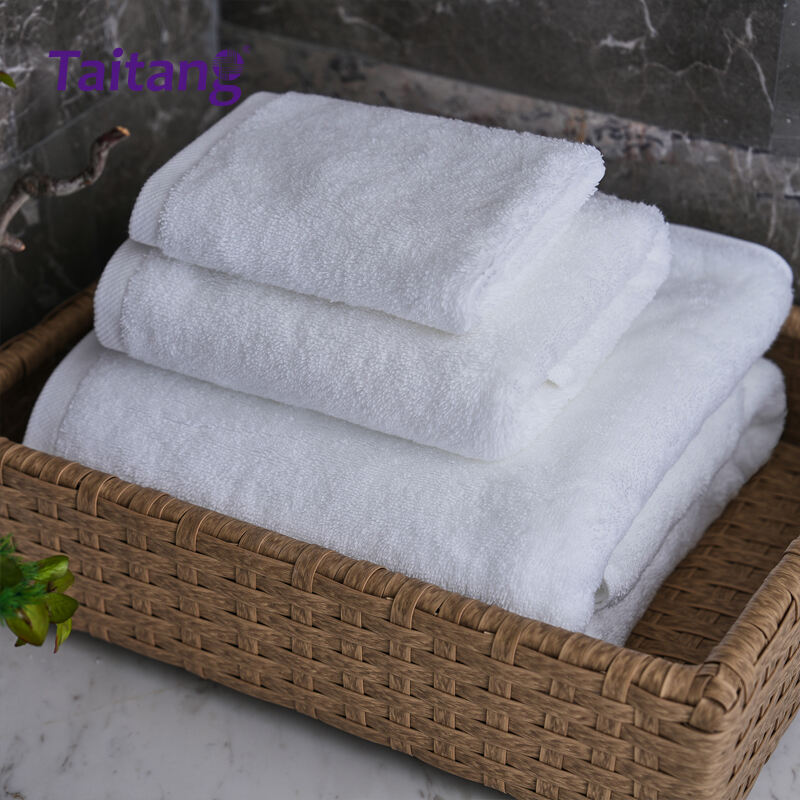
The relationship between absorption capacity and drying speed requires careful optimization in hotel towel design. Towels that absorb moisture effectively but dry slowly can create operational bottlenecks, while quick-drying towels with poor absorption disappoint guests. Premium hotel towels achieve optimal balance through advanced fiber treatments and construction techniques that enhance both characteristics simultaneously.
Durability Requirements for Commercial Laundering
Chemical Resistance and Colorfastness
Commercial laundering protocols subject hotel towels to harsh chemicals, high temperatures, and intensive mechanical action that would quickly destroy residential-grade textiles. Hotel towels must resist chlorine bleaching, alkaline detergents, and fabric softeners while maintaining their color integrity and structural properties. This chemical resistance ensures consistent appearance and performance throughout extended service periods.
Colorfastness becomes particularly important for hotels that incorporate colored or branded hotel towels into their amenity programs. Superior dye penetration and fixation techniques prevent color bleeding during washing while maintaining vibrant appearance through hundreds of laundering cycles. This durability protects the hotel's investment while ensuring consistent brand presentation to guests.
Mechanical Stress Tolerance
The mechanical stress imposed by commercial washing equipment far exceeds typical residential laundering conditions. Hotel towels must withstand high-speed extraction cycles, intense agitation, and frequent handling without developing holes, tears, or significant dimensional changes. This mechanical durability depends on fiber quality, yarn construction, and weaving techniques that distribute stress evenly across the towel structure.
Proper construction techniques help hotel towels maintain their dimensional stability through repeated laundering cycles. Towels that shrink excessively or stretch out of shape create operational challenges and may fail to meet guest expectations. Quality hotel towels incorporate pre-shrinking treatments and stabilized construction methods that minimize dimensional changes throughout their service life.
Guest Comfort and Aesthetic Considerations
Softness and Texture Optimization
Guest comfort remains paramount in hotel towel selection, requiring careful balance between durability and softness. Hotel towels must provide luxurious feel that enhances guest experience while maintaining this softness through commercial laundering protocols. Advanced finishing techniques can enhance initial softness without compromising long-term durability or absorption properties.
The texture of hotel towels influences guest perception of quality and luxury. Consistent loop structure creates uniform texture across the towel surface, while proper finishing eliminates rough spots or irregularities that might detract from guest comfort. Premium hotel towels maintain their soft texture throughout their service life, ensuring consistent guest satisfaction across all uses.
Visual Appeal and Brand Consistency
Visual appearance significantly impacts guest perception of hotel quality and attention to detail. Hotel towels must maintain their color vibrancy, texture consistency, and overall appearance throughout extensive use and laundering. This visual durability requires superior materials and construction techniques that prevent fading, pilling, or other appearance degradation that could reflect poorly on the hotel's standards.
Brand consistency across all hotel towels helps reinforce the property's identity and quality standards. Consistent color matching, texture, and appearance create cohesive guest experiences while supporting the hotel's marketing and branding objectives. Quality hotel towels maintain these aesthetic properties throughout their service life, protecting the hotel's investment in brand presentation and guest satisfaction.
FAQ
How often should high-traffic hotels replace their towels?
High-quality hotel towels typically require replacement every 12-18 months in high-traffic environments, depending on usage intensity and laundering frequency. Hotels should monitor towel condition regularly and replace items showing signs of excessive wear, permanent staining, or reduced absorption capacity. Establishing rotation schedules helps maintain consistent quality while optimizing replacement costs.
What GSM weight provides optimal performance for hotel towels?
Hotel towels with GSM weights between 400-600 typically provide optimal balance of durability, absorption, and operational efficiency. Lighter weights may lack sufficient absorbency and durability, while heavier towels increase drying times and operational costs. The specific optimal weight depends on hotel category, guest expectations, and operational requirements.
Can hotels use fabric softeners with commercial-grade towels?
Fabric softeners should be used sparingly or avoided entirely with hotel towels as they can reduce absorption capacity by coating fibers with conditioning agents. Commercial laundering protocols typically rely on proper pH balance and specialized detergents to maintain softness while preserving absorption properties. Hotels prioritizing softness should select towels with inherently soft fiber characteristics rather than relying on chemical softening.
What washing temperature works best for maintaining towel quality?
Most hotel towels perform optimally when washed at temperatures between 140-160°F (60-71°C), which provides effective sanitization while minimizing fiber damage from excessive heat. Higher temperatures may accelerate wear and color fading, while lower temperatures might not achieve adequate hygiene standards required in commercial hospitality applications. Temperature selection should balance sanitization requirements with towel longevity objectives.