
 EN
EN



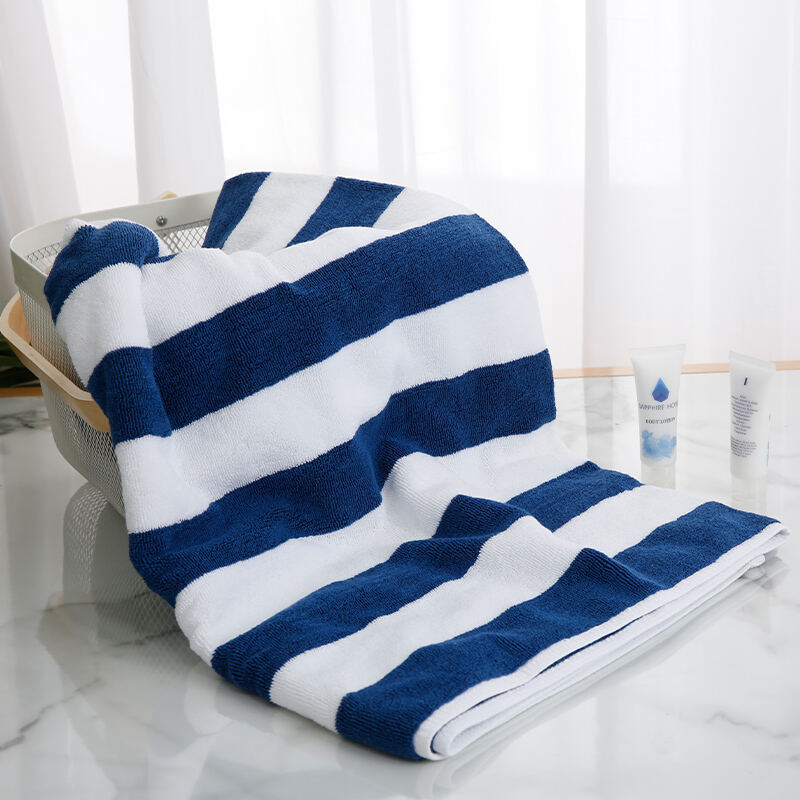
Selecting the right hotel towel materials significantly impacts guest satisfaction, operational costs, and brand reputation in the hospitality industry. Hotel managers and procurement professionals must carefully evaluate cotton, microfiber, and blended options to determine which materials best serve their establishment's specific needs and guest expectations.
The three primary hotel towel materials each offer distinct advantages and challenges that directly influence guest comfort, laundering efficiency, and long-term durability. Understanding these material characteristics enables informed decision-making that balances guest experience with operational efficiency and cost management.
Cotton Hotel Towel Materials: Traditional Excellence
Pure Cotton Construction Benefits
Cotton remains the gold standard among hotel towel materials due to its exceptional absorbency and natural softness. Pure cotton towels can absorb up to twenty-seven times their weight in water, making them highly effective for guest use in bathrooms and spa facilities. The natural fiber structure creates excellent air circulation, promoting faster drying and reducing moisture retention that could lead to bacterial growth.
High-quality cotton hotel towel materials develop improved softness over time through repeated washing cycles. This characteristic makes cotton towels increasingly comfortable for guests while maintaining their structural integrity. The natural breathability of cotton fibers prevents the musty odors often associated with synthetic materials, ensuring fresh-smelling linens that enhance the guest experience.
Cotton Quality Grades and Applications
Different cotton grades significantly impact performance among hotel towel materials. Egyptian cotton and Pima cotton represent premium options with longer staple fibers that create smoother, more durable fabrics. These high-grade cottons resist pilling and maintain their appearance longer than standard cotton alternatives, making them suitable for luxury hotels and resorts where guest expectations are highest.
Ring-spun cotton towels offer superior strength and softness compared to open-end cotton alternatives. The ring-spinning process aligns cotton fibers more precisely, creating smoother yarn that produces softer, more absorbent towels. Hotels focusing on guest comfort often choose ring-spun cotton as their preferred material for bath towels and bathrobes.
Cotton Maintenance Considerations
Cotton hotel towel materials require specific care protocols to maintain optimal performance and appearance. These towels benefit from washing in warm water with mild detergents that preserve fiber integrity while removing oils, lotions, and other guest-related residues. Fabric softeners should be used sparingly, as excessive softener can reduce absorbency by coating cotton fibers.
Proper drying techniques are crucial for cotton towel longevity. Over-drying can damage cotton fibers and create stiffness that reduces guest satisfaction. Hotels typically achieve best results by removing cotton towels from dryers while slightly damp, then allowing them to finish air-drying to maintain optimal softness and absorbency.
Microfiber Hotel Towel Materials: Modern Innovation
Synthetic Fiber Technology Advantages
Microfiber represents a significant advancement in hotel towel materials technology, utilizing ultra-fine synthetic fibers that are typically one-third the diameter of cotton fibers. This construction creates exceptional surface area that enhances absorbency while maintaining lightweight characteristics. Microfiber towels can absorb several times their weight in moisture while drying significantly faster than traditional cotton alternatives.
The synthetic nature of microfiber hotel towel materials provides inherent antimicrobial properties that resist bacterial growth and odor development. This characteristic reduces the need for frequent washing cycles and harsh chemical treatments, making microfiber an environmentally friendly option for hotels focused on sustainability initiatives.
Durability and Cost Efficiency
Microfiber hotel towel materials demonstrate exceptional durability under commercial laundering conditions. These towels typically withstand hundreds of wash cycles without significant degradation, maintaining their absorbency and appearance longer than many natural fiber alternatives. The synthetic construction resists shrinking, fading, and fiber breakdown that commonly affects cotton towels over time.
From a cost perspective, microfiber towels often provide superior value despite higher initial purchase prices. Their extended lifespan, reduced washing frequency, and faster drying times create operational savings that offset upfront costs. Hotels with high turnover rates particularly benefit from microfiber's durability and low maintenance requirements.
Guest Experience Considerations
While microfiber hotel towel materials offer numerous operational advantages, guest perception varies compared to traditional cotton towels. Some guests prefer the familiar feel of cotton, while others appreciate microfiber's lightweight nature and quick-drying properties. Hotels often conduct guest surveys to determine preference patterns within their specific market segments.
Microfiber towels excel in specific applications such as fitness centers, pools, and spa facilities where quick-drying properties and antimicrobial characteristics provide clear advantages. The material's ability to remain fresh-feeling even when damp makes it particularly suitable for high-humidity environments common in hotel wellness facilities.
Blended Hotel Towel Materials: Balanced Performance
Cotton-Polyester Blend Advantages
Blended hotel towel materials combine natural cotton fibers with synthetic polyester to create fabrics that balance the benefits of both materials. Typical cotton-polyester blends range from 70/30 to 50/50 ratios, with each proportion offering different performance characteristics. The cotton component provides natural softness and absorbency, while polyester adds durability and wrinkle resistance.
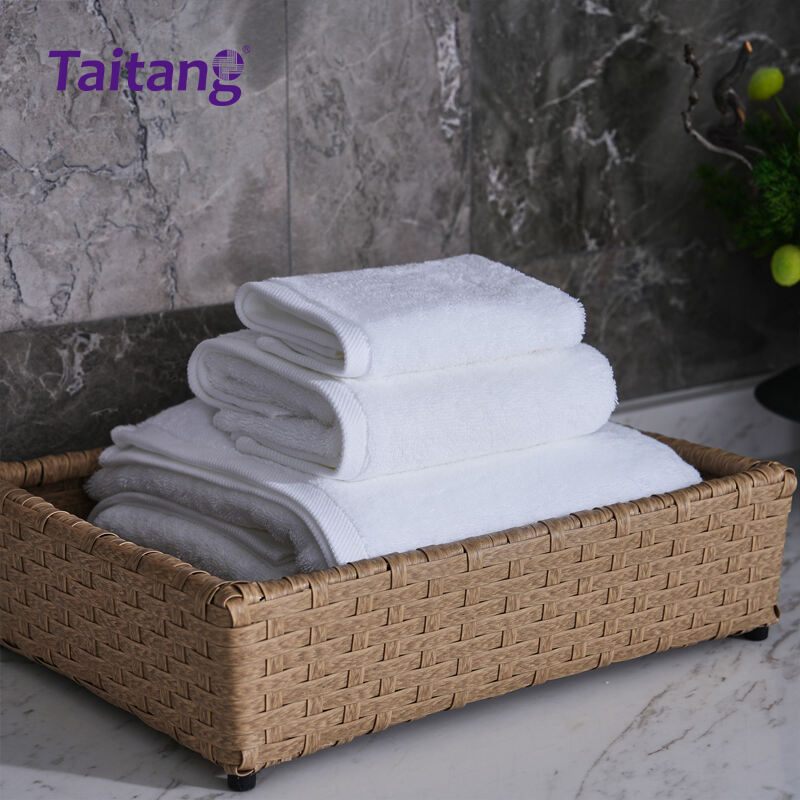
These blended formulations create hotel towel materials that maintain consistent appearance and performance through extensive commercial laundering cycles. The polyester fibers help prevent cotton shrinkage while maintaining dimensional stability that keeps towels looking professional and well-fitted throughout their service life.
Performance Optimization
Cotton-dominant blends typically offer superior absorbency and guest comfort, making them suitable for luxury applications where guest experience takes priority. Polyester-dominant blends provide enhanced durability and stain resistance, making them practical for high-volume operations where operational efficiency is paramount.
The synthetic component in blended hotel towel materials enables faster drying times compared to pure cotton while maintaining much of cotton's natural softness. This combination reduces energy costs associated with commercial drying equipment while ensuring towels are ready for guest use more quickly than cotton alternatives.
Specialty Blend Formulations
Advanced blended hotel towel materials now incorporate specialty fibers such as bamboo, modal, or Tencel to enhance specific performance characteristics. Bamboo blends offer natural antimicrobial properties and exceptional softness, while modal blends provide silk-like smoothness with enhanced color retention. These specialty blends allow hotels to differentiate their amenities while maintaining practical operational benefits.
Some manufacturers develop proprietary blend formulations specifically for hospitality applications, incorporating moisture-wicking fibers or odor-resistant treatments. These customized hotel towel materials address specific challenges faced by hotels in different climates or with particular guest demographics.
Material Selection Criteria for Hotels
Guest Demographics and Expectations
Hotel towel materials selection must align with target guest demographics and service level expectations. Luxury hotels typically choose premium cotton or high-end blends that provide maximum comfort and perceived value. Business hotels often prioritize durability and consistency, making blended materials attractive for their balance of performance and cost-effectiveness.
Extended-stay properties require hotel towel materials that maintain performance through frequent guest use while minimizing replacement costs. Microfiber or polyester-dominant blends often serve these applications well due to their durability and resistance to wear from repeated washing cycles.
Operational Environment Factors
Climate conditions significantly impact hotel towel materials performance and selection criteria. High-humidity environments benefit from quick-drying materials like microfiber or polyester blends that resist mold and mildew development. Dry climates may favor cotton materials that provide enhanced moisture retention and guest comfort.
Laundry facility capabilities also influence material selection decisions. Hotels with advanced commercial washing equipment can effectively maintain cotton towels, while properties with limited laundry resources may prefer low-maintenance microfiber or blended alternatives that perform well under basic care conditions.
Cost-Benefit Analysis Framework
Evaluating hotel towel materials requires comprehensive cost analysis beyond initial purchase prices. Total cost of ownership includes replacement frequency, laundering expenses, energy consumption, and guest satisfaction impact on repeat bookings. Microfiber materials often demonstrate lowest total costs despite higher upfront pricing, while cotton provides highest guest satisfaction scores in luxury segments.
Hotels should calculate cost per guest use to determine optimal material selection for their specific operational parameters. This metric accounts for durability differences and helps identify materials that provide best value over their complete service lifecycle.
FAQ
Which hotel towel materials provide the best absorbency?
Cotton hotel towel materials typically offer superior absorbency, with high-quality cotton towels absorbing up to twenty-seven times their weight in water. Microfiber provides excellent absorbency while maintaining lightweight characteristics, and cotton-dominant blends offer good absorbency with enhanced durability. The specific weave and fiber quality significantly impact absorbent performance across all material types.
How do different hotel towel materials affect laundering costs?
Microfiber hotel towel materials generally reduce laundering costs through faster drying times and antimicrobial properties that extend time between washes. Cotton requires more energy for drying but maintains performance through standard commercial laundering processes. Blended materials offer balanced laundering costs with moderate drying times and good durability through repeated wash cycles.
What hotel towel materials work best for spa and wellness facilities?
Microfiber and cotton-polyester blended hotel towel materials excel in spa environments due to their quick-drying properties and resistance to moisture-related odors. These materials maintain freshness in high-humidity conditions while providing adequate absorbency for guest comfort. Pure cotton may be preferred for luxury spa applications where guest comfort takes priority over operational convenience.
How long do different hotel towel materials typically last in commercial use?
Microfiber hotel towel materials typically provide longest service life, often lasting 300-500 commercial wash cycles while maintaining performance. High-quality cotton towels last 200-300 cycles with proper care, while blended materials fall between these ranges depending on fiber composition. Actual lifespan varies based on laundering practices, guest usage patterns, and initial material quality.