
 EN
EN



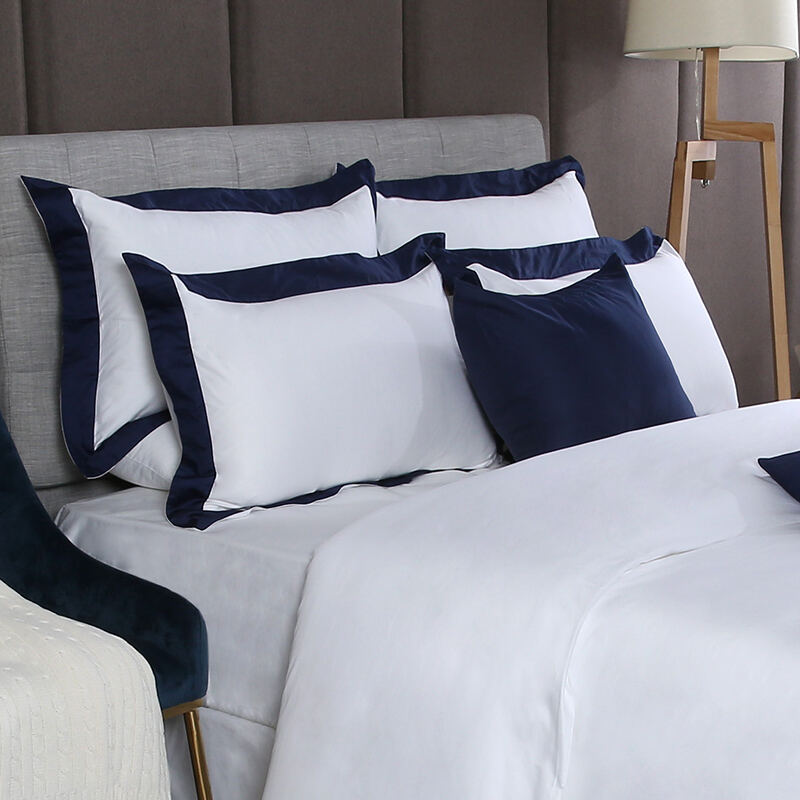
Selecting the right pillow case materials represents one of the most critical decisions in hospitality procurement and home textile management. The fabric that covers a pillow directly influences guest comfort, sleep quality, durability, maintenance costs, and overall satisfaction ratings. With numerous pillow case materials available in today's market—from traditional cotton and luxurious satin to modern microfiber and innovative blends—understanding the distinct characteristics, performance attributes, and practical implications of each option becomes essential for informed purchasing decisions. This comprehensive comparison explores the fundamental properties, advantages, limitations, and ideal applications of the most common pillow case materials used across hotels, resorts, healthcare facilities, and residential settings.
The comparison of pillow case materials extends beyond simple aesthetic preferences to encompass technical considerations including thread count density, fiber composition, weave structure, moisture management, thermal regulation, hypoallergenic properties, colorfastness, abrasion resistance, and lifecycle cost analysis. Commercial buyers evaluating pillow case materials must balance immediate tactile appeal against long-term performance metrics such as wash durability, shape retention, and replacement frequency. Different pillow case materials serve distinct market segments and operational requirements—luxury properties prioritize Egyptian cotton for its prestige appeal, budget-conscious operations favor microfiber for cost efficiency, while specialty healthcare applications require specific antimicrobial treatments. This article systematically examines cotton, satin, microfiber, silk, linen, bamboo, and polyester blend pillow case materials to provide procurement professionals with actionable insights for material selection aligned with brand positioning, budget parameters, and guest expectations.
Understanding Cotton Pillow Case Materials and Their Variations
Natural Cotton Fiber Characteristics and Quality Grades
Cotton remains the most widely specified among all pillow case materials due to its natural breathability, moisture absorption capacity, and universal consumer familiarity. The quality differentiation within cotton pillow case materials stems primarily from fiber staple length, which directly correlates with softness, strength, and pilling resistance. Short-staple cotton fibers measuring under one inch produce coarser, less durable pillow case materials suitable for budget applications, while medium-staple cotton between one and one-and-a-quarter inches represents the standard for mid-market commercial use. Long-staple cotton varieties exceeding one-and-three-eighths inches, including Pima and Egyptian cotton, create superior pillow case materials with exceptional smoothness, luster, and longevity that justify premium pricing in upscale hospitality environments.
The cultivation origin and processing methods further influence cotton pillow case materials performance characteristics. American Upland cotton provides reliable consistency for volume production, while Egyptian cotton grown in the Nile Delta region offers extra-long staples that produce pillow case materials with distinctive silky texture and strength. Pima cotton cultivated in the southwestern United States and Peru delivers comparable quality to Egyptian varieties at more competitive pricing structures. Organic cotton pillow case materials appeal to environmentally conscious properties and guests with chemical sensitivities, though certification requirements and limited supply typically add fifteen to thirty percent cost premiums. The ginning process that separates fiber from seed, yarn spinning techniques, and fabric finishing treatments all impact the final performance attributes of cotton pillow case materials beyond raw fiber quality alone.
Thread Count Metrics and Weave Pattern Effects
Thread count specifications significantly influence the tactile feel, durability, and perceived value of cotton pillow case materials, though marketing claims frequently misrepresent this technical parameter. Thread count measures the total number of horizontal weft and vertical warp yarns within one square inch of fabric, with higher counts generally indicating denser, smoother pillow case materials up to practical manufacturing limits. Quality cotton pillow case materials typically range from 200 to 400 thread count for commercial applications, with 300 thread count representing an optimal balance between softness, breathability, and cost efficiency. Thread counts exceeding 500 often involve multi-ply yarns that artificially inflate numerical specifications without proportional quality improvements, while ultra-high counts above 800 may actually reduce breathability and moisture management in pillow case materials.
The weave pattern employed in cotton pillow case materials proves equally important to thread count in determining performance characteristics. Percale weave creates crisp, cool pillow case materials with a matte finish and exceptional breathability through its basic one-over-one-under construction, making it ideal for warm climates and guests who sleep hot. Sateen weave produces softer, more lustrous cotton pillow case materials with a subtle sheen through its four-over-one-under construction, though this structure slightly reduces breathability compared to percale. Jersey knit cotton pillow case materials offer exceptional stretch and softness similar to t-shirt fabric, appealing to guests preferring a more casual, forgiving feel. Twill weave creates diagonal ribbing that enhances durability in cotton pillow case materials subject to intensive commercial laundering, while jacquard weaves enable decorative pattern integration without compromising the inherent benefits of cotton fiber composition.
Cotton Pillow Case Materials Performance in Commercial Laundering
The commercial viability of cotton pillow case materials depends heavily on their ability to withstand repeated industrial washing cycles while maintaining acceptable appearance and functional properties. Quality cotton pillow case materials should endure at least 200 to 300 commercial laundry cycles before showing significant degradation in color, texture, or structural integrity, with premium long-staple varieties achieving 400 or more cycles in properly managed laundry operations. The natural cellulose structure of cotton pillow case materials tolerates high-temperature washing and bleaching treatments necessary for sanitation in hospitality and healthcare environments, though excessive temperatures above 160 degrees Fahrenheit or harsh chemical concentrations accelerate fiber damage and premature replacement needs.
Cotton pillow case materials demonstrate excellent dimensional stability when properly laundered, with minimal shrinkage after initial processing if pre-shrunk during manufacturing. The absorbent nature of cotton fibers allows pillow case materials to release soil effectively during wash cycles, though this same property extends drying time and energy consumption compared to synthetic alternatives. Cotton pillow case materials benefit from proper finishing treatments including mercerization, which enhances luster and dye affinity, and sanforization, which controls shrinkage to less than one percent. Blending cotton with small percentages of polyester in pillow case materials can improve wrinkle resistance and reduce drying time while maintaining the natural feel that guests expect, though pure cotton remains the preferred specification for luxury market positioning.
Evaluating Satin Pillow Case Materials and Luxury Positioning
Satin Weave Structure Distinguished from Fiber Content
Common confusion surrounds satin pillow case materials because satin describes a weave construction method rather than a specific fiber type, leading to significant quality and price variations within this category. True satin weave creates pillow case materials with distinctive smooth, glossy surfaces and matte backs through a structure where warp yarns float over multiple weft yarns, minimizing interlacing points that would interrupt surface smoothness. This weave pattern can be executed using various fibers including silk, polyester, nylon, or rayon, with each base material imparting different performance characteristics to the finished satin pillow case materials. Silk satin represents the premium tier with superior temperature regulation and natural protein content, while polyester satin delivers comparable visual appearance at substantially lower cost with enhanced durability for commercial applications.
The aesthetic appeal of satin pillow case materials centers on their reflective surface that creates a luxurious visual impression, making them popular choices for upscale hotels, romantic packages, and premium guest room upgrades. The smooth surface of satin pillow case materials reduces friction against skin and hair, which appeals to beauty-conscious guests and has driven popularity in consumer markets for cosmetic benefits. However, the same low-friction surface that provides aesthetic advantages can also allow pillows to slide within pillow cases and reduce grip on pillow protectors. Satin pillow case materials typically feel cooler to initial touch than matte-finished alternatives, though actual thermal regulation depends primarily on underlying fiber composition rather than weave structure alone.
Polyester Satin Versus Natural Fiber Satin Options
Polyester satin dominates commercial pillow case materials in the mid-to-upper market segment due to favorable cost-performance ratios and exceptional durability under institutional laundering conditions. Polyester fiber provides inherent wrinkle resistance, rapid drying, and excellent color retention in satin pillow case materials, with typical commercial lifecycle exceeding 500 laundry cycles before replacement becomes necessary. The synthetic composition resists degradation from bleach and high-temperature processing that would damage natural fiber satin pillow case materials, making polyester satin particularly suitable for healthcare facilities requiring aggressive sanitation protocols. However, polyester satin pillow case materials offer limited moisture absorption and can retain heat compared to natural alternatives, potentially reducing comfort for guests who perspire during sleep or prefer breathable bedding.
Silk satin pillow case materials represent the ultimate luxury tier with unique properties derived from natural protein fibers produced by silkworms. The amino acid composition of silk creates hypoallergenic pillow case materials that resist dust mites and mold while providing exceptional temperature regulation through moisture-wicking properties. Silk satin feels distinctly different from polyester versions with superior drape, subtle texture variation, and genuine coolness that synthetic alternatives cannot fully replicate. The premium pricing of silk satin pillow case materials, typically three to five times higher than polyester equivalents, limits application to luxury suites, exclusive boutique properties, and specialized amenity programs. Charmeuse satin made from rayon or viscose fibers provides an intermediate option with better breathability than polyester and lower cost than silk, though durability concerns and care requirements limit commercial adoption of rayon-based satin pillow case materials.
Maintenance Considerations for Satin Pillow Case Materials
The specialized care requirements of various satin pillow case materials significantly impact operational feasibility and total cost of ownership in commercial settings. Polyester satin tolerates standard institutional laundering procedures with minimal special handling, accepting temperatures up to 160 degrees Fahrenheit and chlorine bleach when necessary for stain removal or sanitation. The synthetic composition prevents shrinkage and maintains dimensional stability across hundreds of wash cycles in commercial equipment. Silk satin pillow case materials demand gentle processing with cool water temperatures, pH-neutral detergents, and complete avoidance of chlorine bleach, requirements that necessitate separate wash classifications and increase labor costs in laundry operations. The delicate nature of silk satin creates vulnerability to snagging, pulling, and abrasion damage during handling and use.
Ironing requirements differ substantially across satin pillow case materials compositions, with polyester versions requiring minimal pressing due to inherent wrinkle resistance while silk satin demands careful low-temperature ironing to maintain appearance standards. The smooth surface of all satin pillow case materials shows watermarks and staining more visibly than textured alternatives, requiring prompt treatment of spills and careful stain removal techniques. Satin pillow case materials generally dry faster than equivalent weight cotton products due to reduced moisture absorption, though silk varieties require air-drying or very low tumble heat to prevent damage. The reflective surface that defines satin pillow case materials also reveals wear patterns and surface degradation more obviously than matte finishes, potentially shortening the usable aesthetic lifespan even when structural integrity remains acceptable for continued service.
Analyzing Microfiber Pillow Case Materials for Value Operations
Microfiber Composition and Manufacturing Technology
Microfiber pillow case materials utilize ultra-fine synthetic fibers measuring less than one denier in diameter, approximately one-hundredth the thickness of human hair, to create fabrics with distinctive softness and performance characteristics. The most common microfiber pillow case materials employ polyester, polyamide, or blended compositions that undergo specialized extrusion and splitting processes to achieve the extremely fine fiber dimensions that define this category. The microscopic fiber size enables manufacturers to pack extraordinary density into lightweight fabrics, creating microfiber pillow case materials with thread counts that often exceed 1000 while maintaining breathability and soft hand feel. This advanced textile technology delivers premium tactile properties at economy pricing structures that appeal to budget-conscious operations and value-oriented market segments.
The manufacturing process for quality microfiber pillow case materials involves sophisticated polymer extrusion through microscopic spinnerets followed by mechanical or chemical splitting that subdivides each extruded fiber into even finer strands. This creates star-shaped or wedge-shaped fiber cross-sections with dramatically increased surface area relative to fiber mass, enhancing moisture management and cleaning properties in finished pillow case materials. Lower-grade microfiber pillow case materials may utilize thicker fibers in the 1.0 to 1.5 denier range that technically qualify as microfiber but deliver inferior softness and performance compared to premium products using 0.5 denier or finer construction. The weaving density, finishing treatments, and quality control standards applied during production significantly influence the durability and aesthetic retention of microfiber pillow case materials under commercial use conditions.
Performance Advantages of Microfiber in Commercial Applications
Microfiber pillow case materials offer compelling operational benefits that explain their rapid adoption across budget and mid-market hospitality segments. The synthetic composition provides exceptional color retention and fade resistance, allowing microfiber pillow case materials to maintain vibrant appearance through hundreds of laundry cycles without the bleaching and color degradation issues common in natural fiber alternatives. Wrinkle resistance ranks among the strongest advantages of microfiber pillow case materials, dramatically reducing or eliminating ironing requirements that represent significant labor costs in linen processing operations. The rapid-drying characteristics of microfiber reduce energy consumption and processing time in commercial laundries, enabling faster inventory turnover and smaller working stock requirements compared to cotton pillow case materials of equivalent guest capacity.
The durability profile of quality microfiber pillow case materials typically exceeds cotton equivalents in commercial laundering environments, with premium products achieving 400 to 600 wash cycles before replacement becomes necessary. The synthetic fiber composition resists shrinkage, stretching, and shape distortion that plague natural fiber pillow case materials, maintaining consistent fit and appearance throughout extended service life. Microfiber pillow case materials demonstrate excellent stain resistance due to the tight fiber packing and synthetic composition that prevents absorption of oil-based substances, simplifying housekeeping protocols and reducing rewash rates. The lightweight nature of microfiber translates to reduced shipping costs for bulk purchases and easier handling for housekeeping staff compared to heavier cotton pillow case materials, though this same characteristic may convey lower perceived quality to guests accustomed to substantial fabric weight as a luxury indicator.
Limitations and Considerations for Microfiber Selection
Despite numerous operational advantages, microfiber pillow case materials present several limitations that influence suitability for specific applications and property types. The synthetic composition offers minimal moisture absorption compared to natural fiber alternatives, potentially reducing comfort for guests who perspire during sleep or prefer the moisture-wicking properties associated with cotton pillow case materials. Heat retention represents another concern, as polyester-based microfiber pillow case materials tend to trap body heat rather than facilitating the thermal regulation that natural fibers provide, making them less suitable for warm climates or guests who sleep hot. The smooth surface of microfiber can generate static electricity in low-humidity environments, creating annoying cling and attraction of lint or hair to pillow case materials surfaces.
Environmental considerations surrounding microfiber pillow case materials include petroleum-based manufacturing origins and concerns about microplastic shedding during laundering that contributes to aquatic pollution. Properties prioritizing sustainability credentials may find microfiber pillow case materials incompatible with environmental positioning, despite operational advantages. The perceived quality of microfiber varies considerably among guest demographics, with budget-conscious travelers readily accepting or preferring easy-care synthetic pillow case materials while luxury market guests may perceive microfiber as inferior to natural fiber alternatives regardless of actual performance attributes. The tactile properties of microfiber pillow case materials, while soft, differ noticeably from cotton with a smoother, more slippery surface that some users find less comfortable. Quality variation within the microfiber category proves substantial, requiring careful supplier selection to avoid low-grade products that pill, shed, or degrade rapidly under commercial conditions.
Comparing Alternative Pillow Case Materials and Specialty Options
Silk Pillow Case Materials for Premium Positioning
Pure silk pillow case materials represent the pinnacle of luxury bedding with unique properties derived from natural protein fibers that no synthetic alternative fully replicates. The amino acid composition of silk creates naturally hypoallergenic pillow case materials that resist dust mites, mold, and mildew while providing exceptional comfort for guests with sensitive skin or respiratory concerns. Silk pillow case materials regulate temperature more effectively than any other option, keeping skin cool in warm conditions and providing insulation in cold environments through the fiber structure that traps air while wicking moisture away from skin surfaces. The smooth surface of silk reduces friction that can damage hair and skin during sleep, delivering genuine cosmetic benefits that appeal to beauty-conscious travelers and justify premium positioning in luxury markets.
The commercial application of silk pillow case materials faces significant challenges related to cost, durability, and care requirements that limit adoption beyond exclusive boutique properties and specialized amenity programs. Momme weight specifications between 19 and 25 represent optimal density for silk pillow case materials balancing durability with drape and softness, though even quality silk products withstand only 100 to 200 commercial laundry cycles compared to 300-plus for cotton alternatives. The hand-washing or gentle machine-washing requirements of silk pillow case materials, combined with air-drying necessity and prohibition against bleach or harsh chemicals, create operational complications in commercial laundry facilities. Properties offering silk pillow case materials typically implement them as premium upgrades, VIP amenities, or elements of exclusive suite packages rather than standard inventory across all guest rooms. The distinctive luster, drape, and tactile properties of genuine silk justify pricing premiums and enable differentiation in competitive luxury markets where conventional pillow case materials fail to convey sufficient exclusivity.
Linen and Bamboo as Natural Alternative Pillow Case Materials
Linen pillow case materials derived from flax plant fibers offer distinctive characteristics that appeal to specific market segments valuing natural textiles and European aesthetic traditions. The inherent texture of linen creates pillow case materials with substantial body, excellent breathability, and improving softness through repeated washing that develops the characteristic lived-in appearance prized in casual luxury and Mediterranean-inspired design schemes. Linen pillow case materials provide superior moisture absorption and quick-drying properties that enhance comfort in humid climates while demonstrating exceptional durability under proper care conditions. The natural antimicrobial properties of flax fibers resist bacterial growth and odor development in linen pillow case materials, supporting hygiene objectives in hospitality applications. However, the pronounced wrinkling tendency of linen creates maintenance challenges in commercial settings, with creased appearance either embraced as authentic character or rejected as looking insufficiently pressed depending on brand positioning and guest expectations.
Bamboo pillow case materials have gained popularity through marketing emphasizing sustainability credentials and claims of superior softness, though technical understanding requires distinguishing between bamboo linen and bamboo rayon versions. Mechanical processing of bamboo stalks produces bamboo linen pillow case materials with properties similar to traditional flax linen but requiring extensive labor that limits commercial availability and increases costs substantially. Chemical processing of bamboo cellulose creates bamboo rayon or bamboo viscose pillow case materials through methods nearly identical to conventional rayon production, raising questions about environmental claims while delivering genuinely soft, breathable fabrics at reasonable costs. Bamboo rayon pillow case materials offer moisture-wicking properties superior to polyester with thermal regulation approaching cotton performance, making them viable alternatives for properties seeking sustainable positioning without cotton price points. The durability of bamboo pillow case materials varies considerably by processing method and quality grade, with some products demonstrating pilling and fiber shedding issues while premium versions maintain integrity through 200-plus commercial laundry cycles.
Polyester Blend Pillow Case Materials Optimizing Multiple Attributes
Polyester-cotton blend pillow case materials represent pragmatic compromises that optimize multiple performance attributes by combining natural fiber comfort with synthetic durability and easy-care properties. Common blend ratios of 50-50 or 60-40 polyester-to-cotton create pillow case materials that maintain cotton's breathability and familiar feel while gaining polyester's wrinkle resistance, rapid drying, and extended durability. These blended pillow case materials typically achieve 300 to 400 commercial laundry cycles, positioning between pure cotton and pure polyester alternatives in lifecycle performance. The blended composition reduces shrinkage and dimensional instability issues while moderating costs compared to equivalent quality pure cotton pillow case materials. Properties selecting polyester-cotton blends balance guest comfort expectations with operational efficiency requirements, particularly in mid-market segments where performance and value outweigh prestige associated with 100-percent natural fiber content.
The specific blend ratio significantly influences the characteristics of polyester-cotton pillow case materials, with higher cotton percentages maintaining more natural feel and breathability while higher polyester content enhances durability and reduces care requirements. Blends containing 65 percent or more polyester exhibit performance closer to pure synthetic pillow case materials with minimal cotton benefits beyond marketing appeal, while blends with 70 percent or more cotton retain most natural fiber attributes with modest synthetic enhancement. Advanced ring-spun and combed yarn technologies applied to blended pillow case materials improve softness and reduce pilling compared to conventional open-end spun yarns. The color retention and fade resistance of polyester-cotton blend pillow case materials surpass pure cotton alternatives while avoiding the synthetic appearance sometimes associated with 100-percent polyester products. Cost optimization represents a primary driver for blend selection, with materials delivering acceptable guest experience at price points typically 15 to 25 percent below equivalent quality pure cotton pillow case materials.
FAQ
What pillow case materials work best for hotels in hot, humid climates?
Cotton pillow case materials, particularly percale weave constructions, perform best in hot, humid environments due to superior breathability and moisture absorption that keeps guests comfortable during sleep. The natural cellulose structure of cotton fibers wicks perspiration away from skin and allows air circulation that prevents heat buildup. Linen pillow case materials offer even better moisture management and quick-drying properties ideal for humid conditions, though their tendency to wrinkle may conflict with appearance standards in formal hotel settings. Bamboo rayon represents a viable alternative combining breathability approaching cotton with smooth texture and sustainability positioning. Microfiber and polyester satin pillow case materials should generally be avoided in hot climates as synthetic compositions trap heat and prevent moisture evaporation, potentially reducing guest comfort and satisfaction ratings.
How do pillow case materials impact commercial laundry costs and processing time?
Different pillow case materials create substantial variations in laundry processing costs through drying time, ironing requirements, and chemical consumption. Cotton pillow case materials absorb significant moisture requiring extended drying cycles that increase energy costs and reduce throughput capacity in commercial laundries. Microfiber and polyester alternatives dry in roughly half the time of cotton, enabling faster processing and lower utility expenses. Ironing labor represents another major cost differential, with microfiber and polyester-cotton blends requiring minimal pressing while pure cotton and especially linen pillow case materials demand significant finishing labor to meet appearance standards. Silk pillow case materials require gentle processing with specialized detergents and cool water that increase handling complexity. The total lifecycle cost calculation must balance purchase price against processing expenses, replacement frequency, and labor requirements to determine true economic performance of different pillow case materials in specific operational contexts.
Can different pillow case materials be mixed within the same property?
Properties can strategically deploy different pillow case materials across room categories to optimize cost-performance ratios and enhance differentiation between market segments. Standard rooms may utilize microfiber or polyester-cotton blend pillow case materials emphasizing durability and operational efficiency, while premium suites feature long-staple cotton or satin options that convey luxury positioning. This tiered approach requires careful inventory management to prevent mixing between categories and clear identification systems in laundry operations to maintain proper classification. Some properties implement specialty pillow case materials as optional upgrades or amenities for loyalty program members, creating revenue opportunities or recognition benefits without system-wide conversion costs. However, mixing pillow case materials within the same room category creates guest experience inconsistency and complicates housekeeping procedures. Properties should establish clear material standards by room type with occasional exceptions for specialty packages rather than random variation that undermines brand consistency and operational efficiency.
Which pillow case materials qualify as hypoallergenic for sensitive guests?
Silk pillow case materials naturally resist dust mites, mold, and mildew through protein fiber composition that creates inherently hypoallergenic products without chemical treatments. Tightly-woven cotton pillow case materials with thread counts above 300 physically prevent dust mite penetration while natural cotton fibers avoid synthetic irritants, though conventional cotton production uses pesticides that concern chemically-sensitive individuals. Organic cotton addresses pesticide concerns while maintaining natural fiber benefits. Bamboo pillow case materials demonstrate natural antimicrobial properties that resist allergen development. Microfiber creates smooth, dense surfaces that prevent allergen accumulation, though synthetic composition may irritate some sensitive individuals. Properties serving guests with allergies or asthma should offer certified hypoallergenic pillow case materials as standard or available upon request, combined with pillow protectors creating additional allergen barriers. Regular high-temperature laundering of any pillow case materials reduces allergen presence regardless of fiber composition, making sanitation protocols equally important to material selection for hypoallergenic performance.
Table of Contents
- Understanding Cotton Pillow Case Materials and Their Variations
- Evaluating Satin Pillow Case Materials and Luxury Positioning
- Analyzing Microfiber Pillow Case Materials for Value Operations
- Comparing Alternative Pillow Case Materials and Specialty Options
-
FAQ
- What pillow case materials work best for hotels in hot, humid climates?
- How do pillow case materials impact commercial laundry costs and processing time?
- Can different pillow case materials be mixed within the same property?
- Which pillow case materials qualify as hypoallergenic for sensitive guests?