
 EN
EN



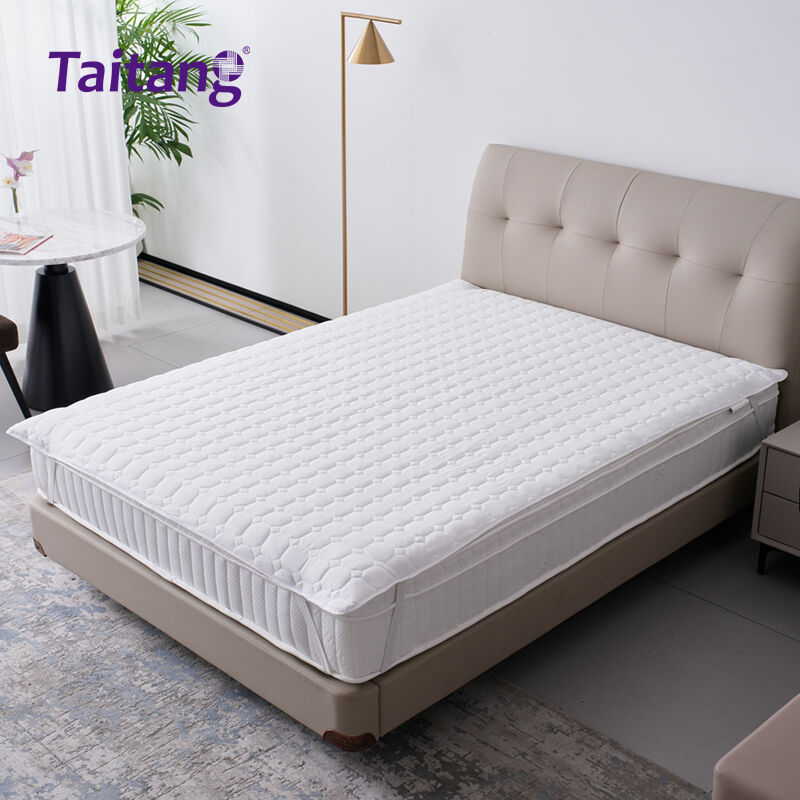
The hospitality industry has witnessed a significant transformation in guest expectations over recent years, with sleep quality emerging as a critical factor in determining guest satisfaction and hotel ratings. Hotels continuously seek solutions that balance comfort, durability, and operational efficiency, leading many establishments to adopt hybrid king mattresses as their preferred bedding solution. These innovative sleep surfaces combine the best attributes of traditional innerspring systems with modern foam technologies, delivering exceptional performance that addresses both guest comfort needs and hotel operational requirements. Understanding why hotels gravitate toward hybrid king mattresses reveals important insights into hospitality design principles, guest psychology, and the economic considerations that drive purchasing decisions in the accommodation sector.
The preference for hybrid king mattresses among hotel operators stems from multiple converging factors that directly impact the bottom line and guest experience metrics. These mattresses represent a strategic investment that addresses durability concerns while meeting diverse guest preferences across different demographics and sleep styles. Hotels recognize that mattress selection influences not only immediate guest comfort but also long-term maintenance costs, replacement cycles, and brand reputation. The hybrid construction methodology provides solutions to challenges that have historically plagued hotel bedding, from premature sagging to inadequate motion isolation, making them increasingly popular across boutique properties, luxury chains, and mid-scale accommodations alike.
Superior Comfort Architecture Meets Diverse Guest Needs
Balanced Support System for Multiple Sleep Positions
Hotels accommodate guests with vastly different sleep preferences, body types, and comfort expectations, making versatility a paramount concern in mattress selection. Hybrid king mattresses excel in this regard by combining pocketed coil support systems with responsive foam comfort layers that adapt to various sleeping positions. The coil foundation provides essential spinal alignment for back sleepers while maintaining proper support structure, whereas the foam layers cushion pressure points for side sleepers and distribute weight effectively for stomach sleepers. This architectural approach eliminates the compromise inherent in single-material mattresses, where optimizing for one sleep style often diminishes performance for others.
The dual-component design of hybrid king mattresses creates a sleep surface that responds dynamically to guest body weight and movement patterns throughout the night. Hotels benefit from reduced complaints about mattress firmness since the hybrid construction provides both foundational support and surface-level comfort simultaneously. The coil system maintains structural integrity over thousands of sleep cycles, preventing the premature body impressions that plague all-foam alternatives, while the comfort layers mitigate the excessive firmness that can make traditional innerspring mattresses uncomfortable for lighter-weight guests. This balance proves especially valuable in hotel environments where mattress replacement represents a significant capital expenditure that operators seek to minimize through extended product lifecycles.
Temperature Regulation for Enhanced Sleep Quality
Guest comfort extends beyond support characteristics to encompass thermal regulation, an area where hybrid king mattresses demonstrate clear advantages over conventional options. The internal coil structure creates natural airflow channels that facilitate heat dissipation throughout the night, addressing common complaints about heat retention that affect memory foam mattresses. Hotels operating in warm climates or those with inconsistent HVAC performance particularly value this attribute, as it reduces guest discomfort without requiring adjustments to room temperature settings that increase energy costs. The breathable design helps maintain a neutral sleep temperature that accommodates guests with different thermal preferences.
Modern hybrid king mattresses incorporate advanced materials in their comfort layers that enhance temperature management beyond what basic coil ventilation provides alone. Phase-change materials, gel-infused foams, and open-cell structures work synergistically with the coil airflow to create a sleep environment that actively moves heat away from the body. For hotels, this translates into fewer thermostat adjustments, reduced air conditioning demands during overnight hours, and improved guest satisfaction scores related to sleep comfort. The temperature-neutral properties of quality hybrid mattresses help hotels maintain consistent comfort across rooms with different orientations, sun exposure levels, and seasonal temperature variations, simplifying operations and reducing maintenance complexity.
Motion Isolation for Undisturbed Partner Sleep
Many hotel guests share beds with partners, colleagues, or family members, making motion isolation a crucial performance characteristic that directly affects sleep quality and overall satisfaction. Hybrid king mattresses address this requirement through individually wrapped coil systems that minimize motion transfer between sleep surfaces. When one guest moves, adjusts position, or gets in and out of bed, the localized coil response contains the disturbance rather than transmitting it across the entire mattress surface. This design consideration proves particularly important in king-sized applications where two individuals occupy opposite sides of a generous sleep surface.
The foam comfort layers in hybrid king mattresses provide an additional motion dampening effect that complements the coil isolation properties. Together, these elements create a sleep experience where partners can maintain different sleep schedules, movement patterns, and comfort preferences without disrupting each other throughout the night. Hotels receive fewer requests for room changes due to sleep disturbances, and guest satisfaction metrics related to sleep quality show measurable improvement when properties upgrade to quality hybrid mattresses. The motion isolation capabilities become especially valuable during high-occupancy periods when alternative room options may be limited and guest retention depends heavily on delivering exceptional in-room experiences.
Operational Efficiency and Long-Term Value Proposition
Extended Lifespan Reduces Replacement Frequency
Hotel mattresses endure significantly more wear than residential equivalents, experiencing constant use across multiple guests with varying weights, movement patterns, and usage intensities. The durability of hybrid king mattresses stems from their engineered construction that distributes stress across both coil and foam components rather than concentrating wear in a single material system. The steel coil foundation maintains structural integrity for years beyond what all-foam alternatives can achieve, while the quality foam layers resist the premature breakdown that compromises comfort in lower-grade products. This extended functional lifespan directly impacts hotel capital expenditure planning and replacement budgeting.
Hotels typically project mattress replacement cycles when evaluating bedding investments, with shorter lifespans dramatically increasing the total cost of ownership over extended periods. Hybrid king mattresses routinely deliver seven to ten years of service in commercial hospitality environments when properly maintained with appropriate mattress protectors and rotation protocols. This longevity compares favorably against budget innerspring options that may require replacement after four to five years and all-foam products that often show significant degradation within similar timeframes. The reduced replacement frequency allows hotels to allocate capital toward other property improvements while maintaining consistent sleep quality standards that protect brand reputation and guest satisfaction scores.
Simplified Maintenance and Care Requirements
Operational efficiency in hotel housekeeping departments depends on standardized protocols that minimize time investment while maintaining quality standards. Hybrid king mattresses simplify maintenance routines compared to specialized bedding systems that require complex care procedures or frequent professional servicing. The robust construction withstands regular rotation schedules without structural compromise, and the materials resist common sources of degradation including moisture exposure, temperature fluctuations, and physical stress from guest use. Housekeeping staff can implement straightforward maintenance protocols that preserve mattress performance without requiring extensive training or specialized equipment.
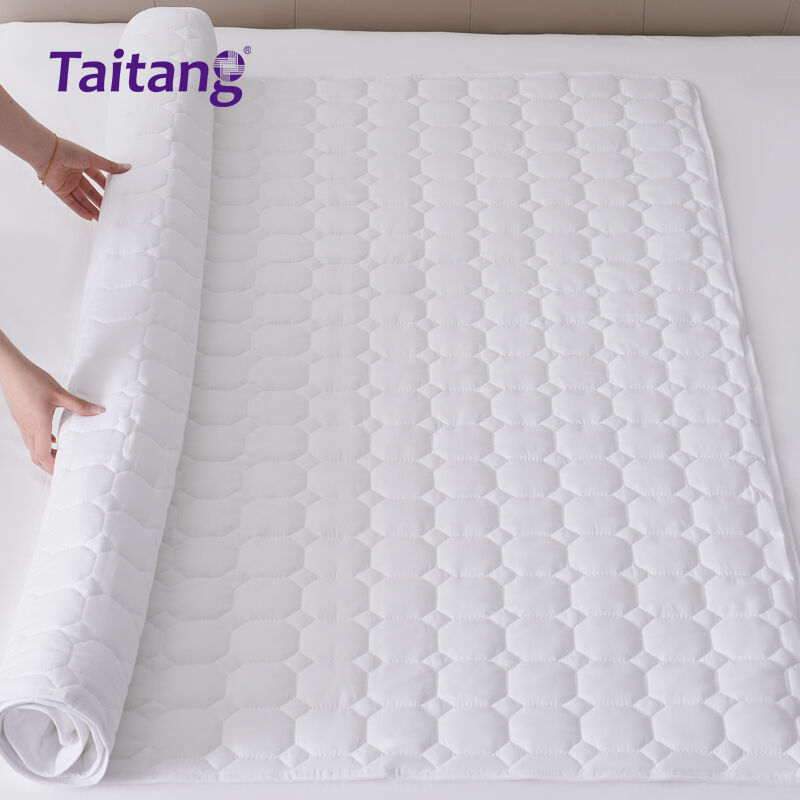
The compatibility of hybrid king mattresses with standard protective covers and encasements further streamlines hotel operations by allowing properties to utilize existing inventory and procurement relationships. Unlike some specialty mattress types that require specific protector designs or void warranties when used with incompatible bedding accessories, quality hybrid mattresses work effectively with conventional waterproof protectors, fitted sheets, and mattress pads. This compatibility reduces inventory complexity, simplifies purchasing processes, and ensures that housekeeping teams can maintain consistent protocols across all rooms regardless of specific mattress models. The operational simplicity contributes to overall cost efficiency while supporting the hygiene standards essential in commercial hospitality environments.
Weight Distribution and Handling Considerations
The practical aspects of mattress handling during installation, room reconfigurations, and eventual replacement represent important operational factors that influence hotel purchasing decisions. Hybrid king mattresses achieve a favorable balance between structural robustness and manageable weight profiles that facilitate handling by housekeeping and maintenance staff. The coil-and-foam construction typically results in mattresses that weigh less than solid latex alternatives while providing better structural integrity than lightweight all-foam options that may lack the rigidity necessary for efficient maneuvering in confined spaces.
Hotels frequently need to access areas beneath mattresses for maintenance, cleaning, or property inspections, making ease of lifting and repositioning a practical consideration beyond initial installation. The balanced weight distribution in hybrid king mattresses prevents the awkward handling challenges associated with extremely heavy or unevenly weighted products. This characteristic reduces the physical strain on staff members, minimizes the risk of handling injuries, and accelerates room turnover processes during deep cleaning cycles or refurbishment projects. The handling efficiency contributes to overall operational productivity while supporting workplace safety initiatives that protect both staff wellbeing and property liability exposure.
Guest Psychology and Perception Management
Brand Positioning Through Premium Sleep Surfaces
Hotel guests increasingly evaluate accommodation quality through the lens of sleep experience, with mattress quality serving as a tangible differentiator that influences booking decisions and repeat patronage. Properties that invest in hybrid king mattresses signal commitment to guest comfort and attention to detail that resonates with quality-conscious travelers. The substantial feel and sophisticated construction of hybrid mattresses create immediate positive impressions that align with premium positioning strategies, whether in luxury properties where exceptional bedding represents baseline expectations or in mid-scale establishments seeking competitive differentiation through superior amenities.
Marketing communications that highlight hybrid king mattresses as featured amenities leverage growing consumer awareness about mattress technology and sleep science. Guests who research bedding options for their homes recognize hybrid construction as representing advanced design and meaningful investment in comfort, creating psychological associations that enhance perceived value. Hotels capitalize on these perceptions by featuring mattress specifications in promotional materials, room descriptions, and property websites, transforming a fundamental amenity into a marketable distinction that justifies premium rates or generates preference among competing options at similar price points.
Consistency Across Property Portfolio
Hotel chains and management groups prioritize operational consistency that delivers predictable experiences across multiple properties, building brand loyalty through reliable quality standards. Hybrid king mattresses support this strategic objective by providing standardized sleep surfaces that perform consistently regardless of property location, climate conditions, or facility age. The engineering stability inherent in hybrid construction means that mattresses maintain similar comfort characteristics across manufacturing batches and over extended service periods, eliminating the variability that can create guest confusion or disappointment when expectations formed at one property location are not met at another.
The ability to specify hybrid king mattresses across entire property portfolios simplifies procurement processes, leverages volume purchasing power, and ensures that brand standards for sleep quality remain uniform. Guests who appreciate the mattress comfort at one location develop expectations that subsequent stays will deliver comparable experiences, building confidence in brand consistency that encourages direct bookings and reduces sensitivity to competitive offerings. This standardization proves particularly valuable for business travelers who frequent multiple locations within a hotel system and leisure guests who select accommodations based on previous positive experiences with specific brand characteristics.
Response to Direct Guest Feedback
Hotels continuously monitor guest satisfaction metrics and online reviews that frequently reference mattress comfort as either positive highlights or significant complaints. The adoption of hybrid king mattresses often represents direct responses to guest feedback patterns that identify bedding as an area requiring improvement. Properties that transition from older innerspring models or budget foam mattresses to quality hybrid alternatives typically observe measurable improvements in satisfaction scores related to sleep quality, overall comfort, and likelihood to recommend the property to others.
The guest feedback loop creates compelling business justification for investing in hybrid king mattresses even when existing bedding has not reached the end of its projected service life. Hotels calculate the return on investment by comparing the costs of early mattress replacement against the revenue impact of improved guest satisfaction, increased repeat bookings, and enhanced online reputation scores that influence booking decisions among prospective guests. In competitive markets where multiple properties vie for the same guest segments, the sleep experience advantage provided by superior hybrid mattresses can represent the decisive factor that determines market share distribution and pricing power.
Technical Performance in Commercial Applications
Edge Support for Maximized Sleep Surface
The usable sleep surface area represents an important performance metric in hotel environments where king-sized mattresses must accommodate couples, families, or guests who utilize the full mattress width. Hybrid king mattresses incorporate reinforced perimeter construction that maintains edge integrity under weight, preventing the collapse or roll-off sensation common in mattresses with inadequate edge support. The engineered border coils or foam encasements provide stable seating surfaces when guests sit on the mattress edge while dressing, working on laptops, or engaging in other activities that occur at the bed perimeter.
Hotels benefit from enhanced edge support through reduced complaints about feeling unstable near mattress borders and increased effective sleep area that justifies the premium positioning of king-sized accommodations. The structural stability extends to the corner areas where mattress edges meet, creating consistent support across the entire perimeter rather than leaving weak points that compromise the sleeping experience or accelerate wear patterns. This attention to edge performance reflects the comprehensive engineering approach that distinguishes quality hybrid king mattresses from basic construction models that prioritize center support while neglecting perimeter requirements equally important in hospitality applications.
Noise Reduction for Peaceful Sleep Environment
The acoustic performance of mattresses receives less attention than comfort characteristics yet significantly affects sleep quality, particularly for light sleepers sensitive to movement sounds during the night. Early innerspring mattresses often developed squeaks and creaks as coil systems aged, creating noise disturbances that interrupted sleep or embarrassed guests. Modern hybrid king mattresses address this concern through individually pocketed coil designs that eliminate metal-to-metal contact and fabric encasements that dampen any residual sound transmission from coil compression and release cycles.
The silent operation of quality hybrid king mattresses contributes to the peaceful sleep environment essential in hospitality settings where ambient noise control represents a key component of guest satisfaction. Hotels receive fewer noise-related complaints when mattresses maintain quiet performance throughout their service lives, and the absence of disruptive sounds supports the restorative sleep experiences that guests increasingly prioritize when selecting accommodations. The acoustic stability remains consistent over years of use, unlike lower-quality innerspring alternatives that may develop noise issues as components wear and protective materials degrade, requiring premature replacement to maintain acceptable performance standards.
Compatibility with Adjustable Base Systems
Forward-thinking hotels increasingly incorporate adjustable bed bases in premium suites and accessible rooms, creating opportunities for guest customization and addressing specific comfort requirements. Hybrid king mattresses demonstrate superior compatibility with adjustable base systems compared to traditional innerspring mattresses that may not flex appropriately or all-foam models that lack the structural resilience to withstand repeated position changes. The combination of flexible coil systems and conforming foam layers allows hybrid mattresses to articulate smoothly through various positions without creating pressure points, gaps, or material stress that could compromise longevity.
The adjustable base compatibility expands the versatility of hybrid king mattresses across different room categories and guest accommodation scenarios. Hotels can standardize on hybrid mattress specifications while selectively deploying adjustable bases in rooms where they provide maximum value, simplifying inventory management and maintenance protocols. The flexibility to support both stationary and adjustable applications allows properties to respond to evolving guest preferences and accessibility requirements without necessitating multiple mattress specifications that complicate procurement and increase operational complexity.
Economic Analysis and Investment Justification
Total Cost of Ownership Calculation
Hotel financial managers evaluate bedding investments through comprehensive total cost of ownership models that extend beyond initial purchase prices to encompass lifespan, maintenance requirements, replacement frequency, and impact on revenue metrics. Hybrid king mattresses typically command higher upfront costs than budget innerspring alternatives, yet the extended service life and superior performance characteristics often result in lower total ownership costs when analyzed over appropriate time horizons. The calculation includes direct expenses such as purchase price, delivery, installation, protective covers, and eventual disposal, plus indirect costs related to guest satisfaction impacts, maintenance labor, and opportunity costs associated with premature replacement cycles.
The investment justification for hybrid king mattresses strengthens when hotels factor revenue implications into the analysis framework. Properties that enhance sleep quality through superior bedding investments often observe improvements in average daily rates that guests willingly pay for demonstrably better accommodations, increased occupancy rates driven by positive reviews highlighting comfort, and reduced costs associated with service recovery when guests complain about inadequate sleep experiences. The revenue enhancement potential frequently exceeds the incremental bedding costs, creating compelling business cases that justify premium mattress specifications even in competitive market segments where cost control represents a constant operational priority.
Depreciation and Asset Management
Hotel accounting practices treat mattresses as fixed assets subject to depreciation schedules that influence financial reporting and tax planning strategies. The extended useful life of hybrid king mattresses aligns favorably with depreciation timeframes, allowing properties to fully realize the book value of bedding investments before replacement becomes operationally necessary. This alignment contrasts with scenarios where lower-quality mattresses require replacement before completing their depreciation schedules, creating financial inefficiencies and complicating asset management processes.
The predictable performance degradation curve of quality hybrid king mattresses facilitates capital planning and replacement budgeting processes that depend on reliable service life projections. Hotels can schedule systematic room renovations that include mattress replacement at appropriate intervals, coordinating bedding updates with other refurbishment activities to minimize disruption and leverage economies of scale in procurement and installation. The financial predictability reduces the likelihood of emergency replacement scenarios that force properties to accept suboptimal pricing or compromise on specifications due to immediate availability constraints.
Market Positioning and Rate Justification
The competitive dynamics of hotel markets increasingly revolve around differentiation through amenity quality rather than price competition alone, creating opportunities for properties to command premium rates through demonstrable superior offerings. Hybrid king mattresses serve as tangible evidence of quality investment that guests can directly experience and evaluate, supporting rate premiums that exceed the incremental costs of superior bedding. The ability to feature advanced sleep technology in marketing communications provides specific talking points that justify higher rates to price-sensitive guests and reinforce value perceptions among luxury-oriented travelers.
Hotels operating in markets with comparable competitive sets benefit particularly from mattress-driven differentiation that creates memorable distinctions in otherwise similar properties. When location, amenities, and service levels appear equivalent across competing options, the sleep experience becomes a decisive factor that influences booking decisions. Properties that invest in hybrid king mattresses gain advantages in this competitive dimension, potentially capturing market share from rivals and defending against new entrants that might otherwise compete effectively on price or convenience factors alone.
FAQ
What makes hybrid king mattresses more suitable for hotels than all-foam or traditional innerspring options?
Hybrid king mattresses combine the durability and support of innerspring coil systems with the comfort and motion isolation of foam layers, creating a balanced solution that addresses diverse guest preferences while maintaining structural integrity through thousands of sleep cycles. Hotels benefit from extended service lives that exceed all-foam alternatives, superior breathability compared to memory foam constructions, and better motion isolation than traditional innerspring designs. The hybrid architecture accommodates different body types and sleep positions without the compromises inherent in single-material constructions, reducing guest complaints and supporting consistent satisfaction across varied demographics.
How long do hybrid king mattresses typically last in commercial hotel environments?
Quality hybrid king mattresses in hotel applications typically deliver seven to ten years of serviceable life when properly maintained with appropriate protectors and regular rotation schedules. This longevity reflects the robust coil foundations that resist premature sagging and durable foam layers engineered for commercial use patterns. The extended lifespan exceeds budget innerspring options that may require replacement after four to five years and surpasses many all-foam alternatives that show significant comfort degradation within similar timeframes. Actual performance duration varies based on guest volume, average guest weight, maintenance protocols, and initial product quality specifications.
Do hybrid king mattresses require special maintenance procedures that complicate hotel housekeeping operations?
Hybrid king mattresses integrate seamlessly into standard hotel housekeeping protocols without requiring specialized care procedures or equipment. The construction withstands regular rotation schedules, works effectively with conventional waterproof protectors and mattress encasements, and maintains performance through routine cleaning processes. Hotels can implement straightforward maintenance routines that preserve mattress longevity while utilizing existing staff training and inventory systems. The operational simplicity represents a significant advantage over specialty mattress types that may demand specific care requirements, restrict compatible bedding accessories, or necessitate professional servicing to maintain warranty coverage.
Can hotels use hybrid king mattresses with adjustable bed bases in premium rooms?
Quality hybrid king mattresses demonstrate excellent compatibility with adjustable base systems, flexing smoothly through various positions without creating pressure concentrations or material stress that could compromise durability. The combination of articulating coil structures and conforming foam layers allows the mattress to adapt to base adjustments while maintaining proper support characteristics. This versatility enables hotels to standardize on hybrid mattress specifications across both stationary platform beds and adjustable base applications, simplifying procurement and inventory management. The adjustable base compatibility supports guest customization preferences and accessibility requirements without necessitating separate mattress specifications for different room configurations.
Table of Contents
- Superior Comfort Architecture Meets Diverse Guest Needs
- Operational Efficiency and Long-Term Value Proposition
- Guest Psychology and Perception Management
- Technical Performance in Commercial Applications
- Economic Analysis and Investment Justification
-
FAQ
- What makes hybrid king mattresses more suitable for hotels than all-foam or traditional innerspring options?
- How long do hybrid king mattresses typically last in commercial hotel environments?
- Do hybrid king mattresses require special maintenance procedures that complicate hotel housekeeping operations?
- Can hotels use hybrid king mattresses with adjustable bed bases in premium rooms?