
 EN
EN



Maintaining a king mattress in high-usage environments presents unique challenges that require strategic planning and consistent care protocols. Whether you manage a hotel, hospital, dormitory, or rental property, the king mattress serves as a critical asset that directly impacts guest satisfaction, operational costs, and brand reputation. High-traffic facilities experience accelerated wear patterns, increased exposure to contaminants, and greater risk of structural damage compared to residential settings. Understanding the specific maintenance requirements for king mattresses in these demanding contexts enables facility managers to maximize asset lifespan, maintain hygiene standards, and deliver consistent comfort quality.
High-usage environments impose distinct stress factors on king mattress systems that residential use rarely encounters. Commercial king mattresses face multiple occupants weekly, variable body weights, inconsistent care from different users, and compressed timeframes between uses that limit natural material recovery. These conditions accelerate compression set in comfort layers, promote moisture accumulation, increase allergen buildup, and expose the mattress to diverse contaminants. Effective maintenance in these settings requires a proactive approach combining preventive measures, protective barriers, regular inspection protocols, and timely intervention strategies that address problems before they compromise mattress integrity or hygiene standards.
Understanding Wear Patterns Specific to King Mattresses in Commercial Settings
Identifying High-Stress Zones on King Mattress Surfaces
King mattresses in commercial environments develop predictable wear patterns based on occupancy behavior and body pressure distribution. The central third of a king mattress typically experiences the most intense compression, particularly in the hip and shoulder zones where body weight concentrates during side and back sleeping positions. These high-stress areas show accelerated softening, visible body impressions, and faster breakdown of support structures compared to edge zones that receive less consistent pressure. Understanding these patterns allows maintenance teams to implement targeted rotation schedules and protective measures that distribute wear more evenly across the entire king mattress surface.
Edge integrity represents another critical wear consideration for king mattress maintenance in high-usage contexts. Commercial guests frequently sit on mattress edges when dressing, using devices, or conversing, creating concentrated stress along perimeter zones that residential users rarely impose. This edge sitting behavior can compress edge support systems, weaken perimeter encasement structures, and create permanent deformation that reduces usable sleep surface and creates an unstable perimeter. Regular edge inspection should be integrated into maintenance protocols, checking for firmness consistency, structural integrity, and visual deformation that indicates compromised edge support requiring intervention.
Recognizing Material Fatigue Indicators in Commercial King Mattresses
Material fatigue manifests differently across various king mattress construction types, requiring maintenance personnel to understand component-specific degradation signals. Memory foam layers in king mattresses show fatigue through slower recovery times, permanent body impressions exceeding one inch depth, and surface cracking or tearing in high-stress zones. Latex foam exhibits different fatigue patterns including powdering along stress points, separation from adhesive bonds, and loss of resilient response that creates a sluggish feel. Innerspring systems demonstrate fatigue through audible squeaking, visible coil protrusion through comfort layers, and loss of pushback resistance when compressed manually.
Surface fabric degradation provides early warning signals that king mattress maintenance protocols should address promptly. Pilling across high-contact zones indicates fiber breakdown from friction and repeated compression cycles. Seam separation along quilting patterns or perimeter edges suggests tension stress exceeding fabric structural capacity. Staining that persists despite proper cleaning protocols may indicate compromised fabric treatments or moisture penetration into underlying layers. Addressing these surface-level indicators prevents progression to deeper structural problems that require premature king mattress replacement rather than maintenance intervention.
Implementing Protective Systems for King Mattress Longevity
Selecting Appropriate Mattress Protection Layers
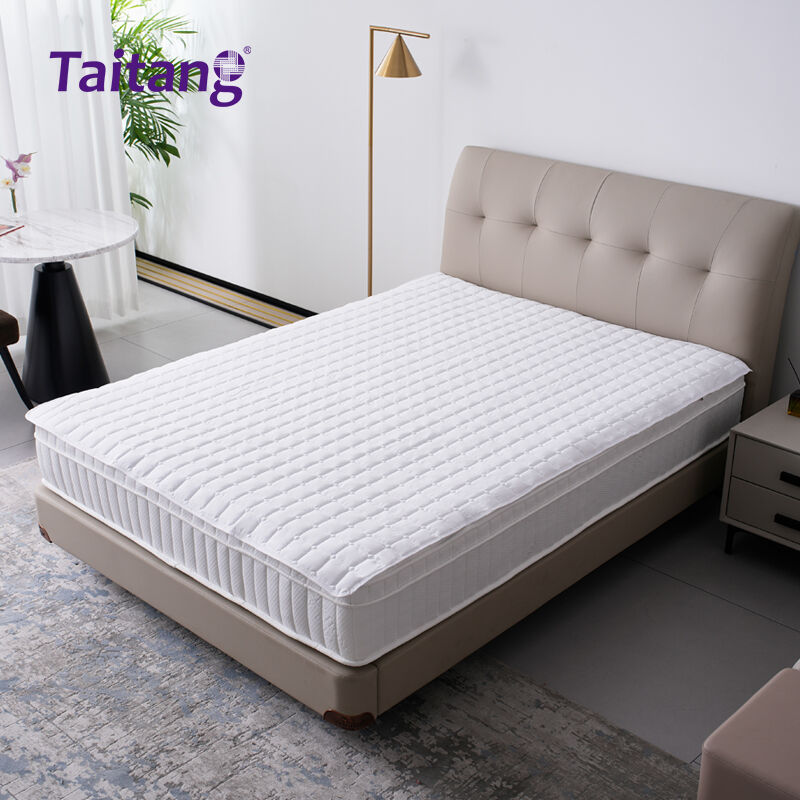
Protective barriers represent the most cost-effective maintenance investment for extending king mattress lifespan in high-usage environments. Quality king mattress protectors create an impermeable barrier against fluid penetration, allergen accumulation, and surface contamination while maintaining breathability necessary for moisture vapor transmission. Waterproof protectors utilizing polyurethane membranes bonded to breathable fabrics prevent liquid damage from spills, bodily fluids, and cleaning processes while allowing air circulation that prevents heat buildup and moisture entrapment that promotes mold growth and material degradation.
The selection criteria for king mattress protectors in commercial settings differ significantly from residential applications. Commercial protectors must withstand frequent laundering at high temperatures, maintain waterproof integrity through hundreds of wash cycles, resist tears from aggressive handling during linen changes, and provide sufficient durability to justify investment costs. Fitted protectors with deep pockets accommodate various king mattress heights including pillow-top constructions, while encasement-style protectors offer complete six-sided protection including underside barriers that prevent dust accumulation and foundation contamination transfer. Maintenance protocols should specify protector inspection during each linen change, immediate replacement upon detecting compromised waterproofing, and rotation systems that ensure even wear distribution across protector inventory.
Integrating Additional Support Layers
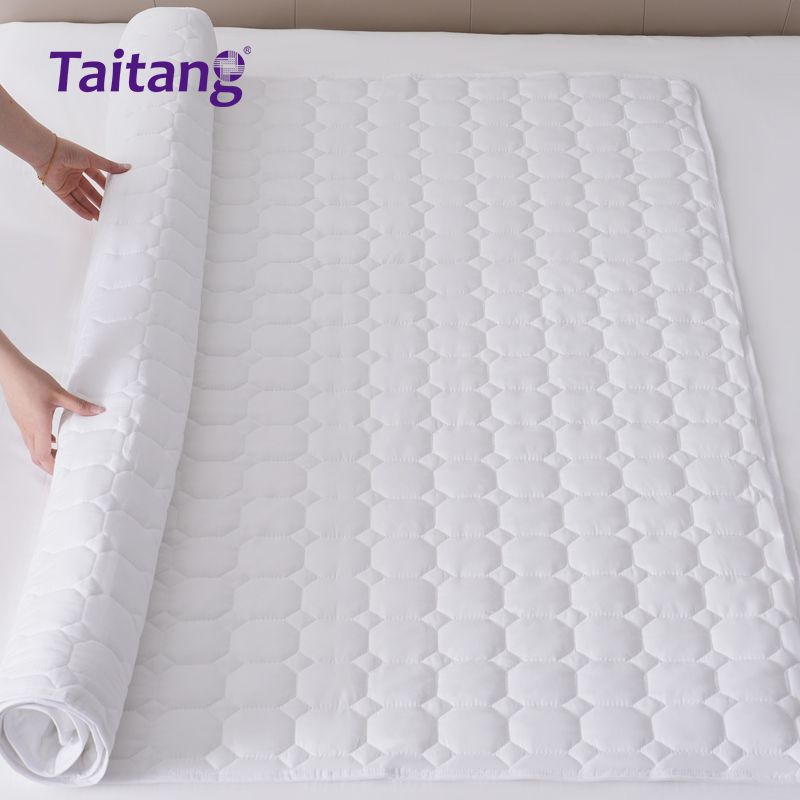
Strategic use of mattress pads and toppers can extend king mattress functional life by absorbing wear impact and providing refresh options between major replacements. High-resilience fiber pads add a sacrificial comfort layer that accepts body impression and compression while protecting the underlying king mattress structure. These pads can be replaced at a fraction of mattress replacement cost, providing renewed surface comfort and extending the core mattress investment. Quilted pads with anchor straps prevent shifting during use and linen changes, maintaining consistent positioning that protects all king mattress zones equally.
Topper selection should align with specific king mattress maintenance objectives and property positioning. Memory foam toppers add conforming comfort that can compensate for firmness changes in aging king mattresses, while latex toppers provide resilient support with natural antimicrobial properties beneficial in healthcare settings. Fiber-fill toppers offer economical refresh options with excellent launderability for facilities prioritizing frequent cleaning cycles. Regardless of topper material, maintenance protocols must address regular rotation, inspection for compression set, and replacement schedules that prevent toppers from becoming hygiene liabilities rather than protective assets.
Establishing Routine Cleaning and Inspection Protocols
Developing Daily and Weekly King Mattress Maintenance Procedures
Daily maintenance procedures for king mattresses in high-usage environments should focus on surface-level care that prevents contamination accumulation and identifies immediate concerns. During room turnover, housekeeping staff should perform visual inspection of the king mattress surface checking for stains, tears, odors, or moisture indicators requiring immediate attention. Surface vacuuming removes surface dust, skin cells, and particulate matter before they penetrate into deeper mattress layers. Spot cleaning protocols using appropriate enzyme cleaners address fresh stains before they set, while airing procedures between guests allow moisture dissipation and natural material recovery.
Weekly deep-cleaning procedures supplement daily maintenance with more thorough interventions. Comprehensive vacuuming using upholstery attachments addresses seams, quilting channels, and edge zones where debris accumulates. Rotating the king mattress 180 degrees distributes wear patterns and allows previously compressed zones to recover while shifting stress to opposite regions. UV sanitization treatments, where available, reduce microbial populations without introducing moisture or chemical residues. These weekly procedures should be documented in maintenance logs that track individual king mattress service history, enabling data-driven decisions about intervention timing and replacement scheduling.
Conducting Quarterly Deep Inspections
Quarterly inspection protocols provide opportunities to assess king mattress structural integrity and identify developing problems requiring intervention. These comprehensive evaluations should include firmness testing across multiple zones using consistent pressure application and depression measurement, checking for asymmetrical softening that indicates uneven wear or structural failure. Edge compression testing evaluates perimeter support integrity by applying seated pressure and measuring rebound response. Fabric inspection examines quilting integrity, seam strength, and fabric condition across all surfaces including underside areas typically hidden by fitted sheets.
Documentation from quarterly inspections creates valuable lifecycle data for king mattress inventory management. Recording depression depths, noting developing stains or odors, tracking fabric condition changes, and documenting any structural anomalies enables maintenance teams to predict remaining service life and plan replacement budgets accurately. This data also reveals patterns across room types, guest demographics, or seasonal usage variations that inform purchasing decisions and maintenance resource allocation. Properties managing large king mattress inventories benefit from implementing digital tracking systems that aggregate inspection data and generate alerts when individual units approach replacement thresholds.
Addressing Common Damage and Contamination Issues
Managing Fluid Contamination in King Mattresses
Fluid contamination represents the most serious threat to king mattress hygiene and structural integrity in high-usage environments. When protective barriers fail or are absent, liquids penetrate into foam layers, innerspring systems, and foundation materials where they promote bacterial growth, create permanent odors, and accelerate material degradation. Immediate response protocols are critical when fluid contamination occurs. Affected areas should be blotted—never rubbed—using absorbent materials to remove maximum liquid before it migrates deeper into the king mattress structure. Enzyme-based cleaners specifically formulated for protein-based stains effectively break down biological contaminants without damaging mattress materials.
Deep moisture penetration in king mattresses requires professional extraction and drying procedures to prevent permanent damage. Commercial extraction equipment removes embedded moisture from deep foam layers that surface cleaning cannot reach. Following extraction, thorough drying using air movers and dehumidifiers prevents mold establishment and material breakdown from prolonged moisture exposure. In severe contamination cases where fluid has reached innerspring systems or foundation layers, professional assessment may determine that replacement is more cost-effective than remediation. This decision calculus should consider contamination type, penetration depth, king mattress age, and remaining expected service life under normal conditions.
Eliminating Odor Issues in Commercial King Mattresses
Odor problems in king mattresses signal underlying contamination or material breakdown requiring immediate attention. Persistent odors despite surface cleaning typically indicate bacterial growth in interior foam layers, urine salt crystal accumulation, or mold establishment from moisture exposure. Effective odor elimination requires addressing the source rather than masking symptoms with fragrances that temporarily obscure problems. Enzymatic treatments break down organic compounds causing odors, while oxidizing agents like hydrogen peroxide-based cleaners eliminate odor molecules through chemical reaction rather than covering them.
Sun exposure and UV treatment provide natural odor reduction methods that avoid introducing additional chemicals into king mattress materials. UV radiation kills odor-causing bacteria while sunlight naturally freshens fabrics and promotes moisture evaporation. For king mattresses in climates unsuitable for outdoor airing, UV sanitizing equipment designed for commercial use provides similar benefits in controlled indoor environments. When odor problems persist despite proper treatment, the king mattress has likely reached the end of its serviceable life and requires replacement to maintain property standards and guest satisfaction.
Optimizing Rotation and Replacement Strategies
Implementing Strategic King Mattress Rotation Schedules
Systematic rotation extends king mattress functional life by distributing wear across all surface areas rather than concentrating stress in preferred sleeping zones. Unlike residential settings where couples occupy consistent sides, commercial king mattresses benefit from 180-degree head-to-foot rotation every three months that shifts pressure patterns and allows compressed materials periodic recovery time. This rotation schedule should be documented for each individual king mattress unit, with rotation dates recorded during quarterly inspections to ensure compliance and track service intervals.
Modern king mattress construction increasingly features one-sided designs that eliminate the need for flipping while simplifying rotation procedures. These single-sleep-surface designs concentrate quality materials in the usable comfort layer while using less expensive support materials in the non-sleeping foundation layer. For properties still maintaining two-sided king mattresses, rotation schedules should incorporate both flipping and head-to-foot rotation on alternating service intervals. This more complex rotation pattern provides maximum wear distribution but requires clear documentation and staff training to ensure consistent execution across housekeeping teams.
Establishing Data-Driven Replacement Criteria
Replacement decisions for king mattresses in high-usage environments should rely on objective criteria rather than arbitrary timelines or reactive responses to guest complaints. Developing a standardized assessment rubric that scores firmness consistency, surface condition, edge integrity, hygiene factors, and structural soundness provides quantifiable data supporting replacement recommendations. King mattresses scoring below threshold levels should be flagged for replacement during the next budget cycle, while units approaching threshold scores receive enhanced maintenance attention and more frequent inspection intervals.
Financial analysis should inform king mattress replacement timing by comparing continued maintenance costs against replacement investment and considering impact on guest satisfaction scores and online reviews. A king mattress requiring frequent deep cleaning, showing visible wear despite proper care, or generating guest complaints delivers diminishing returns even when technically still functional. Properties in competitive hospitality markets particularly benefit from proactive replacement strategies that maintain superior sleep quality as a market differentiator. Bulk replacement programs that cycle entire room blocks simultaneously often achieve better pricing than piecemeal replacement while ensuring consistent guest experience across property inventory.
FAQ
How often should king mattresses be rotated in hotel environments?
King mattresses in hotel environments should be rotated 180 degrees every three months to distribute wear patterns evenly and prevent concentrated compression in specific zones. High-occupancy properties experiencing consistent daily use may benefit from more frequent rotation every six to eight weeks. The rotation should be head-to-foot rather than side-to-side, as most modern king mattresses feature one-sided construction. Maintenance teams should document rotation dates for each unit and inspect mattress condition during rotation to identify developing problems early. Properties with seasonal occupancy variations might adjust rotation frequency based on actual usage intensity rather than fixed calendar intervals.
What is the expected lifespan of a king mattress in commercial use?
Commercial king mattresses typically deliver five to seven years of serviceable life in high-usage environments, significantly shorter than the ten to twelve year residential lifespan. Actual longevity depends on construction quality, occupancy rates, guest demographics, and maintenance protocol adherence. Budget properties with economy-grade king mattresses and minimal maintenance may require replacement within three to four years, while luxury properties investing in premium mattresses with comprehensive protection and care programs may extend useful life to eight years. Rather than relying solely on age, properties should implement condition-based replacement criteria evaluating firmness retention, hygiene status, and guest feedback to determine optimal replacement timing for each individual king mattress unit.
Can professional steam cleaning damage king mattresses?
Professional steam cleaning can damage king mattresses if not performed correctly, particularly when excessive moisture penetrates into interior foam layers or innerspring systems. Steam cleaning should only be used for surface sanitization with minimal moisture application and must be followed immediately by thorough drying procedures using air movers and dehumidifiers. Memory foam and latex layers are especially vulnerable to moisture damage that can compromise cellular structure and promote mold growth. Most mattress manufacturers recommend dry cleaning methods, hot water extraction with minimal moisture, or UV sanitization rather than steam treatments. If steam cleaning is necessary for specific contamination issues, only certified professionals with commercial mattress experience should perform the service, and the king mattress should be completely dry before returning to service.
What type of mattress protector works best for commercial king mattresses?
Commercial king mattresses require medical-grade waterproof protectors featuring polyurethane or polyethylene membranes bonded to breathable fabric that prevents liquid penetration while allowing air circulation. The protector should offer complete encasement with zipper closure covering all six mattress sides, providing protection against bed bugs, allergens, and contaminants from both sleeping surface and foundation contact. Industrial laundry-rated protectors withstand high-temperature washing exceeding 160 degrees Fahrenheit and chlorine bleach exposure without compromising waterproof integrity. Look for protectors with reinforced seams, heavy-duty zippers with protective flaps, and certified by independent testing for fluid barrier performance. Deep pocket designs accommodating mattresses up to sixteen inches thick ensure proper fit across various king mattress construction types including pillow-top models common in hospitality applications.