
 EN
EN



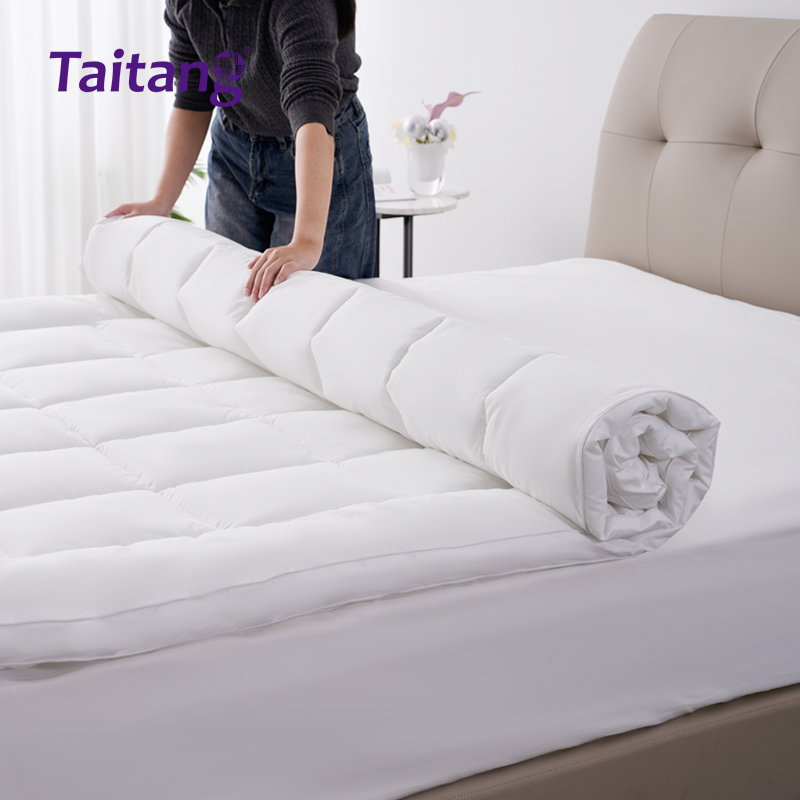
Selecting the right king mattress for hospitality environments requires balancing structural support, firmness levels, and diverse guest comfort preferences. Unlike residential purchases, hotel and lodging operators must consider durability across thousands of sleep cycles, accommodation of varying body types, and maintenance of consistent quality standards. This comprehensive buying guide addresses the critical decision factors that ensure guest satisfaction while protecting your operational investment in premium bedding infrastructure.
The king mattress dimension standard measures 76 inches wide by 80 inches long, providing substantial surface area that influences support distribution and firmness perception. Hospitality purchasers face unique challenges beyond residential buyers because commercial-grade king mattress specifications must satisfy couples with different sleep preferences, solo travelers expecting luxury space, and families occasionally sharing accommodations. Understanding how support systems, firmness ratings, and guest demographic patterns intersect determines whether your bedding investment enhances reputation or generates negative reviews.
Understanding Support Architecture in King Mattress Construction
Core Support Layer Engineering
The foundation layer in any king mattress determines structural integrity and longevity under commercial use conditions. High-density foam bases, individually pocketed coil systems, and hybrid constructions each deliver distinct support characteristics that affect how weight distributes across the sleeping surface. For hospitality applications, the core support layer must maintain consistent performance through 10,000 to 15,000 sleep cycles without developing body impressions or structural sag that compromise guest comfort.
Pocketed coil systems in king mattress designs typically contain 800 to 1,500 individually wrapped springs that respond independently to pressure points. This zoned support approach accommodates couples with different body weights by minimizing motion transfer while maintaining spinal alignment. High-density polyurethane foam cores offer uniform support distribution but require careful density selection—hospitality-grade specifications should meet or exceed 2.0 pounds per cubic foot to prevent premature compression failures under varied guest loads.
Hybrid king mattress constructions combine pocketed coil foundations with memory foam or latex comfort layers, creating support systems that balance responsive bounce with pressure relief. This architecture proves particularly effective in guest room applications where occupant preferences span from firm support seekers to plush comfort enthusiasts. The coil layer provides foundational stability and breathability, while comfort layers modulate surface feel without compromising underlying structural support.
Edge Support and Perimeter Reinforcement
Edge support quality dramatically affects the usable surface area of a king mattress and influences guest perceptions of quality. Commercial-grade perimeter reinforcement typically employs high-gauge steel edge guards or dense foam encasements that prevent perimeter collapse when guests sit on bed edges during morning routines or evening preparation. Weak edge support reduces functional sleeping surface by 10 to 15 percent and creates safety concerns for elderly guests or those with mobility limitations.
Hospitality operators should specify king mattress models with reinforced edge construction that maintains firm support within two inches of the perimeter. This engineering detail becomes particularly important given that king size dimensions encourage guests to utilize the full width for reading, working, or relaxing beyond sleep hours. Premium edge support also extends mattress longevity by preventing the sidewall deformation that accelerates wear patterns and necessitates premature replacement.
Foundation Compatibility and Support Optimization
The interaction between king mattress construction and foundation type significantly impacts delivered support performance. Solid platform bases provide uniform support across the entire mattress footprint, making them suitable for foam-based king mattress designs that require stable, non-flexing foundations. Slatted bases with spacing exceeding three inches can create pressure point concentrations and accelerate wear unless the king mattress includes a sufficient foundation layer to bridge gaps.
Box spring foundations traditionally paired with innerspring king mattress constructions add flex that some guests prefer but may compromise support consistency in commercial applications. Modern low-profile foundations offering rigid support have become preferred in hospitality settings because they maintain king mattress geometry and prevent the sagging that develops when flexible foundations fatigue under continuous use. Ensuring proper foundation compatibility during procurement prevents support degradation that undermines even premium mattress investments.
Firmness Level Selection for Diverse Guest Demographics
Firmness Scale Interpretation and Commercial Standards
Industry firmness ratings typically range from 1 to 10, with residential preferences clustering between 5 and 7 on this scale. However, hospitality king mattress specifications must account for broader preference diversity since guest populations include varied ages, body types, and cultural comfort expectations. Research indicates that medium-firm ratings between 5.5 and 6.5 satisfy the widest guest demographic range while minimizing complaint rates related to excessive softness or uncomfortable rigidity.
Firmness perception varies based on guest body weight and sleep position preferences. A king mattress rated medium-firm by a 150-pound side sleeper may feel overly firm to a 200-pound individual with similar sleep habits. Commercial buyers should request firmness specifications measured under standardized load conditions rather than relying solely on subjective descriptors. Testing protocols measuring Indentation Load Deflection at 25 percent compression provide objective firmness data that enables consistent procurement across property portfolios.
Temperature also influences firmness perception, particularly in memory foam king mattress constructions where material softens with body heat exposure. Climate-controlled guest rooms maintain consistent temperatures that stabilize firmness characteristics, but properties in extreme climates should account for seasonal firmness variations. Hybrid king mattress designs with coil support cores exhibit less temperature sensitivity than all-foam constructions, offering more predictable firmness experiences across seasonal temperature fluctuations.
Body Weight Distribution and Pressure Relief
The generous surface area of a king mattress allows weight distribution patterns that differ substantially from smaller mattress sizes, affecting optimal firmness selection. Couples sharing a king mattress benefit from medium-firm constructions that prevent the heavier partner from sinking excessively while still providing adequate pressure relief for the lighter sleeper. Single occupants using king mattress accommodations gain pressure distribution advantages but may prefer slightly softer comfort layers since their weight concentrates in a smaller central zone.
Pressure mapping studies demonstrate that medium-firm king mattress constructions between 5.5 and 6.5 on the firmness scale effectively distribute pressure across shoulder, hip, and lumbar regions for guests weighing 130 to 230 pounds. Heavier guests require firmer support to prevent excessive sinkage that misaligns the spine, while lighter individuals need softer comfort layers to avoid pressure point concentration. Hospitality operators serving diverse demographics should consider offering firmness options within their king mattress inventory to address extreme preferences while maintaining medium-firm standards for majority accommodations.
Sleep Position Influence on Firmness Requirements
Back sleepers generally prefer king mattress firmness levels between 5 and 7, requiring sufficient support to maintain lumbar curve without creating pressure points at shoulder blades or pelvis. Side sleepers typically favor softer constructions in the 4 to 6 range that allow shoulder and hip conforming while supporting the waist. Stomach sleepers need firmer surfaces rating 6 to 8 to prevent pelvic sinking that creates uncomfortable lumbar hyperextension during sleep.
Since hospitality operators cannot predict guest sleep position preferences, medium-firm king mattress specifications around 6 represent the optimal compromise that accommodates all sleeping styles without severely disadvantaging any particular position. Comfort layer thickness and material selection prove more important than core firmness for addressing position-specific needs. A king mattress with 2 to 3 inches of adaptive comfort foam over a firm support core can satisfy side sleepers through localized conforming while providing adequate support for back and stomach positions.
Guest Preference Patterns and Comfort Optimization
Demographic Comfort Trends and Expectation Management
Guest comfort expectations for king mattress accommodations vary significantly across demographic segments, influenced by age, cultural background, and previous sleep surface experiences. Millennial and Generation Z travelers increasingly expect pressure-relieving comfort layers and temperature regulation features they associate with premium bedding brands. Baby boomer guests often prefer traditional innerspring king mattress constructions with responsive support and minimal conforming characteristics reflecting their long-term sleep surface familiarity.
International guests bring diverse comfort preferences shaped by regional bedding traditions. European travelers may expect firmer king mattress constructions than American guests, while Asian markets often favor significantly firmer surfaces than Western preferences. Properties serving international clientele should consider these cultural comfort variations when specifying king mattress firmness, potentially offering room categories with different support profiles to accommodate distinct preference segments.
Business travelers prioritizing recovery from travel fatigue often appreciate king mattress constructions emphasizing pressure relief and motion isolation. Leisure guests may prioritize spaciousness and luxury perception over specific support characteristics. Understanding your property's primary guest demographics enables king mattress specification refinement that aligns with dominant comfort preferences while maintaining broad appeal across occasional visitor segments.
Couple Accommodation and Motion Isolation
The king mattress dimension specifically addresses couples needing individual space and motion isolation, making these features critical in hospitality applications. Pocketed coil systems with individually wrapped springs provide superior motion isolation compared to traditional continuous coil constructions, preventing one partner's movements from disturbing the other. Memory foam and latex comfort layers further enhance motion absorption, creating sleeping surfaces where movement in one zone minimally affects adjacent areas.
Motion transfer characteristics become particularly important given that hotel guests maintain varied schedules—business travelers may retire or rise at unconventional hours while their partners maintain different routines. A king mattress delivering effective motion isolation reduces sleep disruption complaints and enhances overall guest satisfaction scores. Testing protocols measuring motion transfer across the sleeping surface help identify king mattress constructions that maintain functional independence across the 76-inch width.
Temperature Regulation and Comfort Sustainability
Temperature neutrality significantly influences guest comfort perceptions, particularly in king mattress constructions incorporating memory foam or other heat-retentive materials. Traditional memory foam king mattress designs trap body heat, creating uncomfortable warmth that disrupts sleep quality. Modern gel-infused foams, open-cell constructions, and phase-change materials mitigate heat retention while maintaining pressure-relieving characteristics that guests appreciate.
Innerspring and hybrid king mattress constructions naturally promote airflow through coil chambers, providing temperature regulation advantages over all-foam designs. The spacious surface area of king mattress dimensions further aids heat dissipation by allowing couples to maintain physical separation that prevents shared body heat accumulation. Hospitality operators in warm climates should prioritize breathable king mattress constructions to prevent temperature-related comfort complaints that damage guest satisfaction scores and online reputation.
Durability Specifications and Lifecycle Performance
Commercial-Grade Density and Compression Resistance
Hospitality king mattress specifications must emphasize durability metrics that ensure consistent performance through intensive use cycles. Foam layer density directly correlates with compression resistance and longevity—polyurethane comfort foams should meet minimum 1.8 pounds per cubic foot density, while support cores require 2.0 pounds per cubic foot or higher. Memory foam layers benefit from densities exceeding 4.0 pounds per cubic foot to maintain shape recovery characteristics through thousands of sleep cycles.
Coil systems in commercial king mattress applications require heavier gauge steel and higher coil counts than residential specifications. Individually pocketed systems should contain at least 800 coils in a king mattress footprint, with premium constructions exceeding 1,200 coils for enhanced durability and support consistency. Coil gauge measurements between 13 and 15 provide appropriate firmness and resilience for commercial applications, while specialty edge coils often employ heavier 12-gauge steel to reinforce perimeter integrity.
Cover Fabric Durability and Maintenance Considerations
The ticking fabric covering a king mattress endures significant abrasion from sheet changes, guest movement, and housekeeping protocols. Commercial-grade fabrics should meet or exceed 20,000 double rubs on Martindale abrasion testing, ensuring cover integrity throughout the mattress lifecycle. Stain-resistant treatments and breathable fabric constructions extend usability while maintaining comfort characteristics guests expect from premium bedding.
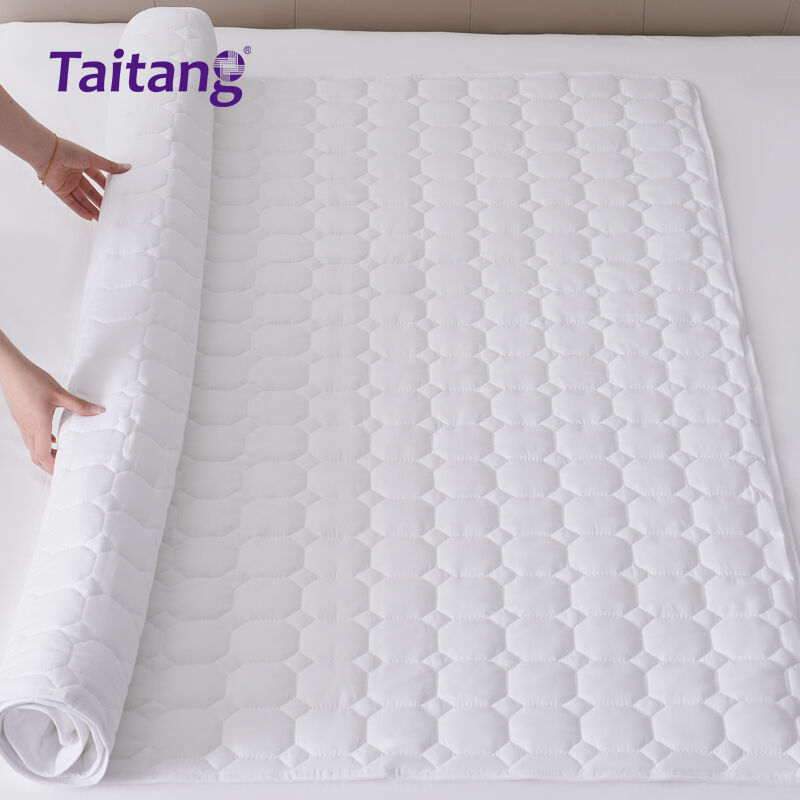
Removable, washable covers enhance king mattress hygiene maintenance but add complexity to housekeeping protocols. Most commercial operators prefer permanent covers with stain-resistant treatments that allow spot cleaning between uses. Pairing king mattress investments with quality mattress protectors provides fluid barrier protection without compromising comfort, extending mattress longevity by preventing moisture penetration that accelerates material degradation and harbors odor-causing bacteria.
Warranty Coverage and Performance Guarantees
Commercial king mattress warranties typically range from 5 to 10 years, with coverage specifics addressing structural defects rather than normal wear characteristics. Buyers should scrutinize warranty terms regarding body impressions, as thresholds between 0.75 and 1.5 inches determine coverage eligibility. Prorated warranties that reduce manufacturer liability over time may offer less protection than non-prorated coverage despite longer stated warranty periods.
Performance guarantees addressing comfort satisfaction prove less common in commercial contexts than residential markets. Hospitality operators should negotiate trial periods allowing in-situ performance evaluation before full deployment across property inventories. Testing representative king mattress samples in actual guest rooms generates authentic feedback data that informs broader purchasing decisions and reduces the risk of costly specification errors affecting entire properties.
FAQ
What firmness level works best for hotels offering king mattress accommodations?
Medium-firm constructions rating between 5.5 and 6.5 on a 10-point scale satisfy the broadest guest demographic range. This firmness level provides adequate support for back and stomach sleepers while offering sufficient pressure relief for side sleepers. Properties serving specialized demographics may adjust specifications, but medium-firm remains the optimal standard for general hospitality applications seeking to minimize comfort-related complaints across diverse guest populations.
How does king mattress size affect support requirements compared to smaller dimensions?
The 76-inch width and 80-inch length of king mattress dimensions require enhanced edge support and higher coil counts or foam density to maintain consistent support across the larger surface area. King mattress constructions need reinforced perimeters to prevent edge collapse and should incorporate at least 800 individually pocketed coils or equivalent high-density foam foundations. The larger sleeping surface also demands careful attention to motion isolation, particularly for couple accommodation where independent support zones prevent sleep disruption from partner movements.
Should hotels invest in different king mattress firmness options for various room categories?
Properties with diverse room tiers can strategically offer firmer king mattress options in standard accommodations and slightly softer premium constructions in suites targeting leisure travelers. However, maintaining consistent medium-firm specifications across all categories simplifies procurement, housekeeping logistics, and guest expectation management. If budget allows, offering firmness customization through adjustable bases or mattress toppers provides differentiation without complicating core mattress inventory management and replacement cycles.
What role does foundation selection play in king mattress performance and guest satisfaction?
Foundation type significantly impacts support delivery and mattress longevity. Solid platform bases provide optimal support for foam-based king mattress constructions, while low-profile box springs suit hybrid designs. Improper foundation pairing can void manufacturer warranties and accelerate wear patterns that compromise comfort. Hospitality operators should specify foundations simultaneously with king mattress purchases to ensure compatibility and maximize lifecycle performance across their bedding investment.
Table of Contents
- Understanding Support Architecture in King Mattress Construction
- Firmness Level Selection for Diverse Guest Demographics
- Guest Preference Patterns and Comfort Optimization
- Durability Specifications and Lifecycle Performance
-
FAQ
- What firmness level works best for hotels offering king mattress accommodations?
- How does king mattress size affect support requirements compared to smaller dimensions?
- Should hotels invest in different king mattress firmness options for various room categories?
- What role does foundation selection play in king mattress performance and guest satisfaction?