
 EN
EN



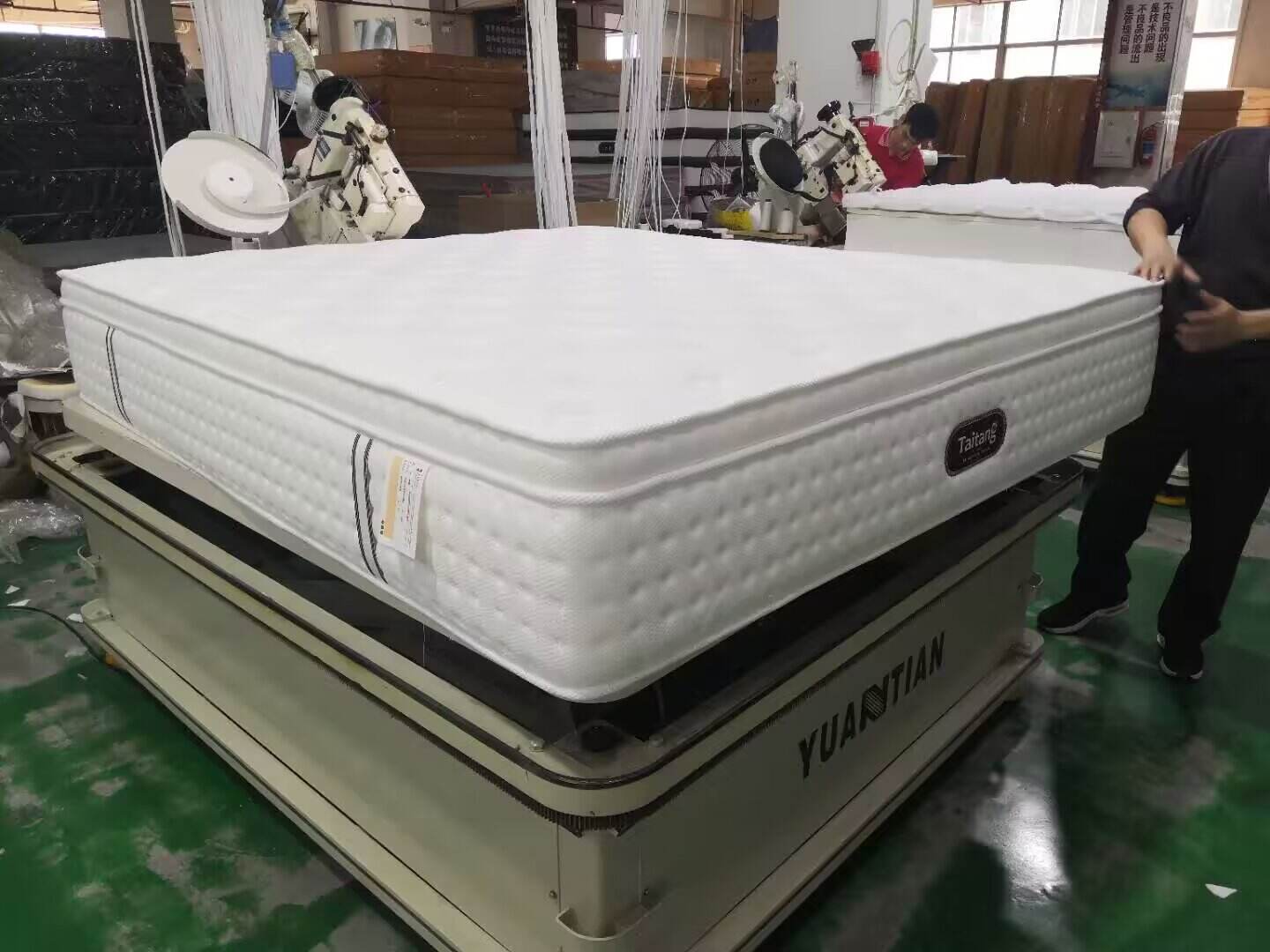
In the competitive hospitality industry, guest satisfaction hinges on sleep quality, and the foundation of exceptional rest begins with the right mattress selection. When hotels and resorts invest in a king mattress for hospitality environments, they are making a statement about their commitment to guest comfort and operational excellence. The features that distinguish a high-performance king mattress in commercial settings go far beyond residential requirements, encompassing durability standards, hygiene maintenance capabilities, body support engineering, and long-term cost efficiency that directly impact both guest reviews and property profitability.
Understanding what features define a high-performance king mattress for hospitality requires examining the unique demands placed on commercial sleep surfaces compared to residential alternatives. Hotel mattresses endure significantly higher usage frequencies, accommodate diverse body types and sleep preferences, and must maintain consistent performance while meeting stringent health and safety regulations. This comprehensive analysis explores the critical specifications, material technologies, construction methodologies, and performance benchmarks that hospitality purchasing managers and property owners must evaluate when selecting king-sized mattresses that will deliver measurable return on investment through guest satisfaction and operational longevity.
Core Construction Elements That Determine Hospitality Mattress Performance
Multi-Density Support Core Architecture
The foundation of any high-performance king mattress for hospitality applications lies in its support core construction, which must balance durability with comfort across thousands of sleep cycles. Commercial-grade mattresses typically employ high-density polyurethane foam cores ranging from 35 to 50 pounds per cubic foot, significantly exceeding the 25-30 pound density found in residential models. This increased density translates directly to compression resistance, ensuring the mattress maintains its supportive characteristics even after years of nightly guest turnover without developing body impressions or sagging zones that trigger guest complaints.
Advanced hospitality mattresses incorporate zoned support systems that provide differentiated firmness levels across the sleep surface, addressing the varying weight distribution of the human body. The lumbar region typically requires firmer support to maintain proper spinal alignment, while shoulder and hip zones benefit from slightly softer conforming areas that reduce pressure point discomfort. This zoned construction approach in a king mattress for hospitality use ensures that guests of varying body types and sleep positions experience appropriate support, reducing the likelihood of wake-up stiffness or discomfort that could negatively impact property reviews.
Edge Support Engineering for Maximum Usable Surface
Professional-grade king mattresses designed for hospitality environments must feature reinforced perimeter support systems that prevent edge collapse and extend the usable sleep surface to the full dimensions of the mattress. Unlike residential mattresses where edge failure represents an inconvenience, commercial applications face accelerated edge wear from guests sitting on mattress perimeters during daily activities such as dressing, working on devices, or organizing luggage. High-performance models incorporate foam encasement systems or reinforced coil perimeters that maintain structural integrity under repeated sitting stress and prevent the premature edge breakdown that shortens mattress lifespan.
The economic implications of robust edge support extend beyond guest comfort to operational efficiency. When a king mattress for hospitality maintains its full usable dimensions throughout its service life, properties avoid premature replacement costs while maintaining consistent guest experience standards. Edge support engineering also facilitates easier bed-making for housekeeping staff, as mattresses with stable perimeters allow fitted sheets to be tucked securely without slipping or bunching, reducing the time required for room turnover and improving labor efficiency across the property.
Temperature Regulation and Moisture Management Systems
Thermal comfort represents a critical but often overlooked dimension of mattress performance in hospitality settings, where guest satisfaction depends on maintaining optimal sleep temperature throughout the night regardless of ambient conditions or individual thermoregulation patterns. High-performance king mattresses incorporate breathable foam formulations, ventilation channels, and moisture-wicking cover fabrics that actively dissipate body heat and prevent the heat retention issues associated with traditional memory foam constructions. These thermal management features become particularly important in hospitality environments where climate control systems may vary and guests arrive from different climate zones with varying temperature preferences.
Modern hospitality mattresses employ phase-change materials, gel-infused foams, and open-cell construction techniques that enhance airflow through the mattress layers, reducing the sleep surface temperature by several degrees compared to conventional designs. For properties positioning themselves in the premium hospitality segment, advanced cooling technologies in their king mattress for hospitality offerings serve as tangible differentiators that directly correlate with positive guest feedback and repeat booking rates. The integration of moisture management systems also extends mattress longevity by preventing the accumulation of perspiration and body oils that can degrade foam materials and create hygiene concerns over time.
Material Selection Standards for Commercial Durability
Fire Safety Compliance and Chemical Treatment Protocols
Regulatory compliance represents a non-negotiable aspect of mattress selection for hospitality applications, with fire safety standards varying significantly across jurisdictions but universally requiring more stringent performance than residential codes. A compliant king mattress for hospitality must meet open-flame resistance standards such as California TB 603 or NFPA 267, which mandate that mattresses self-extinguish when exposed to direct flame sources and limit flame spread rates. These requirements necessitate the incorporation of fire-barrier materials such as flame-retardant fibers, silica-based fabrics, or inherently fire-resistant materials like wool blends that add no chemical treatments while providing thermal protection.
The selection of fire safety technologies impacts not only regulatory compliance but also guest health perceptions and long-term material integrity. Properties increasingly face guest inquiries about chemical treatments in sleep environments, making the specification of non-toxic, low-emission fire barriers an important consideration for brand-conscious hospitality operators. High-performance mattresses employ barrier systems that achieve fire safety without compromising air quality or off-gassing concerns, using mechanical fiber structures or naturally fire-resistant materials that maintain their protective properties throughout the mattress service life without degrading or requiring retreatment.
Antimicrobial and Allergen-Resistant Material Technologies
Hygiene maintenance capabilities distinguish commercial-grade mattresses from residential alternatives, with hospitality environments requiring built-in protection against microbial colonization, dust mite proliferation, and allergen accumulation that could compromise guest health or property reputation. Premium king mattresses for hospitality applications integrate antimicrobial treatments at the material manufacturing stage, incorporating silver ion technology, copper-infused foams, or naturally antimicrobial fabrics that inhibit bacterial growth without relying on surface treatments that diminish with washing or time. These embedded protection systems function continuously throughout the mattress lifespan, providing consistent hygiene performance that supports property cleanliness standards.
The specification of hypoallergenic materials extends beyond antimicrobial properties to encompass dust mite resistance and low-allergen cover fabrics that reduce the potential for guest sensitivity reactions. High-performance mattresses employ tightly woven cover materials with pore sizes too small for dust mite colonization, while foam formulations utilize low-volatile organic compound materials that minimize off-gassing and respiratory irritation. For hospitality brands targeting health-conscious travelers or marketing allergy-friendly room categories, the selection of a king mattress for hospitality with comprehensive allergen resistance capabilities provides a verifiable competitive advantage that can be effectively communicated in property marketing materials and direct guest interactions.
Stain Resistance and Cleanability Specifications
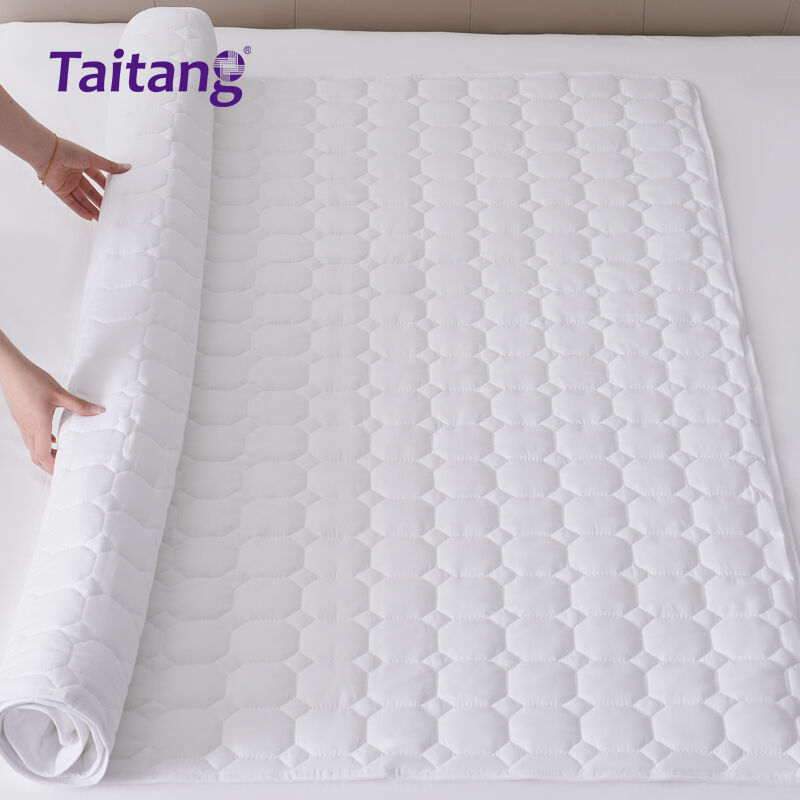
The practical reality of hospitality operations demands mattress covers that resist staining from accidental spills, body fluids, cosmetics, and food items while remaining compatible with professional cleaning protocols that restore appearance without damaging underlying materials. Commercial-grade mattress covers incorporate stain-resistant finishes, moisture-barrier laminations, or removable cover systems that facilitate deep cleaning between guest stays. Unlike residential environments where mattress protection relies primarily on aftermarket protectors, high-performance hospitality mattresses integrate protection directly into the cover construction, ensuring consistent hygiene maintenance regardless of housekeeping protocol variations.
The selection of cleanable cover systems impacts both operational costs and mattress replacement intervals, as mattresses that can be effectively cleaned and sanitized in place extend their service life significantly compared to models requiring disposal after contamination incidents. Advanced king mattresses for hospitality feature covers with fluid-proof membranes that prevent liquid penetration to foam cores while remaining breathable for temperature regulation, a combination that was technically challenging until recent material science advances. Properties implementing comprehensive mattress protection strategies that combine integrated cover protection with king mattress for hospitality protection systems achieve the lowest total cost of ownership while maintaining the highest hygiene standards throughout the mattress lifecycle.
Performance Specifications That Impact Guest Satisfaction
Motion Isolation and Partner Disturbance Reduction
Guest satisfaction in hospitality environments frequently involves couples or families sharing sleep surfaces, making motion isolation a critical performance characteristic that distinguishes high-performing king mattresses from standard offerings. Advanced mattresses employ individually wrapped coil systems or high-density foam constructions that absorb movement on one side of the bed without transmitting vibrations to the opposite side, allowing partners with different sleep schedules or restlessness patterns to coexist without mutual disturbance. This motion isolation capability directly correlates with sleep quality ratings and reduces the likelihood of guest complaints related to partner disruption during the night.
The engineering approaches to motion isolation vary between innerspring and foam-based mattress constructions, with each technology offering distinct performance characteristics. Pocketed coil systems in a king mattress for hospitality provide excellent motion isolation while maintaining the responsive feel many guests prefer, whereas high-density memory foam constructions offer superior motion absorption at the potential cost of heat retention concerns. Premium hospitality mattresses increasingly employ hybrid constructions that combine pocketed coils for support and responsiveness with foam comfort layers for motion isolation, delivering the performance benefits of both technologies while mitigating their respective limitations.
Pressure Point Relief and Spinal Alignment Support
The biomechanical performance of hospitality mattresses directly impacts guest recovery quality, with pressure point relief and spinal alignment representing the primary factors in wake-up comfort and body soreness prevention. High-performance king mattresses incorporate contouring comfort layers that distribute body weight across larger surface areas, reducing pressure concentration at shoulders, hips, and heels that can restrict circulation and cause discomfort during sleep. These comfort layers typically consist of memory foam, latex, or specialized polyfoam formulations with slower recovery rates that allow the material to conform to body contours while maintaining overall support integrity.
Spinal alignment support in a king mattress for hospitality requires a carefully calibrated balance between surface conformity and underlying support strength, as excessive softness allows the spine to curve unnaturally while insufficient conformity creates pressure points. Professional-grade mattresses employ progressive support systems where comfort layers provide initial conformity before firmer support layers engage to prevent excessive sinkage, creating a sleep surface that maintains natural spinal curvature across all sleep positions. This performance characteristic becomes particularly important for hospitality properties hosting business travelers who may spend extended periods in sedentary positions during the day and require optimal spinal support during sleep to prevent cumulative musculoskeletal stress.
Noise Reduction and Silent Performance Under Movement
Acoustic performance represents an often-overlooked quality dimension that significantly impacts guest satisfaction, particularly in properties where thin walls or high-density room layouts make noise transmission between units a potential concern. High-quality king mattresses for hospitality environments must operate silently under normal movement, without the squeaking, creaking, or spring noise that can disturb both the guest using the mattress and potentially adjacent rooms. Foam-based mattress constructions inherently provide silent operation, while innerspring models require premium coil systems with noise-dampening encasements and inter-coil friction reduction treatments that prevent metal-to-metal contact during compression cycles.
The specification of silent-operation mattresses extends beyond guest comfort to encompass brand perception and property positioning, as noise-related complaints frequently appear in online reviews and directly impact booking decisions for future guests. Properties investing in premium silent-operation king mattresses for hospitality demonstrate attention to detail that distinguishes their sleep experience from competitors, creating a tangible quality perception that supports premium pricing strategies. The testing of acoustic performance during mattress specification should include movement simulation under realistic guest usage scenarios, ensuring silent operation not only for stationary sleeping but also for the sitting, repositioning, and intimate activities that occur on mattresses during typical guest stays.
Lifecycle Performance and Total Cost of Ownership Factors
Durability Testing Standards and Warranty Implications
The economic viability of mattress investments in hospitality depends on achieving target service life expectations, typically ranging from seven to ten years for premium properties and five to seven years for select-service hotels. High-performance king mattresses for hospitality undergo rigorous durability testing that simulates years of guest use through cyclic compression testing, edge durability evaluation, and accelerated aging protocols that predict long-term performance characteristics. Industry standard tests such as the Cornell University Mattress Durability Test or ASTM F1566 roller test provide objective performance data that enables procurement managers to compare mattress options based on projected longevity rather than initial purchase price alone.
Warranty coverage represents a critical evaluation criterion that reflects manufacturer confidence in durability and provides financial protection against premature failure. Commercial mattress warranties for king mattresses in hospitality typically range from five to ten years, with coverage terms varying significantly in their treatment of body impressions, edge failure, and material degradation. Properties should scrutinize warranty exclusions related to proper foundation support, mattress protection requirements, and weight limitations that could void coverage, ensuring that warranty terms align with actual operational conditions rather than idealized usage scenarios that rarely occur in commercial environments.
Maintenance Requirements and Operational Practicality
The practical demands of maintaining mattress performance throughout the hospitality service life influence total cost of ownership beyond the initial acquisition expense. High-performance king mattresses for hospitality should require minimal maintenance beyond regular rotation and professional cleaning, avoiding complex care protocols that housekeeping staff may inconsistently implement. Single-sided no-flip designs have become standard in commercial applications, eliminating the labor and injury risk associated with flipping heavy king-sized mattresses while incorporating durable top surfaces engineered to maintain performance without rotation. However, periodic 180-degree rotation remains recommended to equalize wear patterns and extend mattress lifespan.
The specification of mattresses compatible with existing property infrastructure simplifies implementation and reduces hidden costs associated with foundation upgrades or bed frame modifications. A properly specified king mattress for hospitality should function optimally on standard hospitality box springs, platform foundations, or adjustable base systems without requiring specialized support structures. Properties transitioning to new mattress systems should verify dimensional compatibility with existing bed frames, ensuring that mattress height, width, and length specifications align with installed furniture and allow proper bedding fit without custom linens procurement that increases operational complexity.
Replacement Cycle Optimization and Performance Monitoring
Strategic mattress replacement programs balance the competing demands of maintaining guest satisfaction standards against capital expenditure budgets, requiring objective performance monitoring systems that identify replacement needs before guest experience deterioration becomes apparent in review scores. Progressive hospitality operators implement mattress tracking systems that record installation dates, guest feedback related to sleep comfort, and physical inspection results that assess body impressions, edge integrity, and overall condition. These monitoring systems enable data-driven replacement decisions based on actual performance degradation rather than arbitrary replacement intervals that may result in premature disposal of functional mattresses or extended use of substandard units.
The lifecycle management of king mattresses in hospitality environments should incorporate sustainability considerations that reduce environmental impact while optimizing financial performance. Many mattress manufacturers now offer take-back programs that facilitate recycling of replaced units, recovering materials for remanufacturing and diverting waste from landfills. Properties implementing comprehensive lifecycle management for their king mattress for hospitality inventory achieve lower total environmental footprints while potentially realizing cost savings through manufacturer incentive programs that credit returned units against new purchases, creating circular economy models that benefit both operational budgets and corporate sustainability objectives.
Selection Criteria Based on Property Positioning and Guest Demographics
Luxury Segment Requirements and Premium Feature Expectations
Luxury hospitality properties face elevated guest expectations regarding sleep quality that necessitate mattress specifications exceeding standard commercial requirements. Premium king mattresses for hospitality in luxury segments typically incorporate advanced materials such as natural latex, cashmere or silk cover fabrics, hand-tufted construction details, and proprietary comfort technologies that create distinctive sleep experiences guests cannot replicate at home. These premium specifications serve not only functional comfort requirements but also brand positioning objectives, as luxury guests increasingly evaluate properties based on sleep quality and view mattress investment as an indicator of overall property commitment to excellence.
The specification of luxury-tier mattresses must balance performance expectations with practical durability concerns, as even premium guests subject mattresses to commercial usage patterns that exceed residential environments. High-end king mattresses for hospitality achieve this balance through robust support cores hidden beneath luxurious comfort layers, combining commercial-grade durability with residential-style surface feels. Luxury properties should also consider mattress customization options that allow guests to select firmness preferences or pillow-top configurations, creating personalized sleep experiences that distinguish the property from competitors while justifying premium rate positioning through demonstrable added value.
Select-Service and Extended-Stay Specific Considerations
Select-service hotels and extended-stay properties face distinct mattress performance requirements driven by cost-conscious procurement budgets and guest demographics prioritizing value over luxury amenities. King mattresses for hospitality in these segments must deliver reliable comfort and durability while meeting aggressive price targets that allow reasonable payback periods based on typical average daily rates. These properties benefit from straightforward mattress constructions emphasizing proven technologies rather than innovative features, selecting high-density foam or bonnell coil systems that provide predictable performance and simplified maintenance requirements suitable for limited housekeeping resources.
Extended-stay properties encounter unique considerations as guests occupy rooms for weeks or months rather than transient overnight stays, subjecting mattresses to usage patterns approaching residential intensity. These properties should prioritize mattress durability and long-term comfort retention over initial surface luxury, selecting king mattresses for hospitality with proven compression resistance and structural integrity that maintains consistent performance throughout extended occupancy periods. The specification of mattresses with enhanced edge support becomes particularly important in extended-stay applications where guests utilize mattress perimeters as seating surfaces during work-from-room activities, creating usage patterns that rapidly degrade mattresses not engineered for commercial edge loading.
Health and Wellness Program Integration Opportunities
Progressive hospitality operators increasingly integrate sleep quality into comprehensive wellness program offerings, positioning premium mattresses as health amenities rather than operational necessities. Properties marketing wellness-focused experiences can leverage advanced king mattresses for hospitality as tangible program components, communicating specific performance characteristics such as spinal alignment support, pressure relief capabilities, and hypoallergenic materials that resonate with health-conscious travelers. This positioning transforms mattress investment from commodity procurement into guest-facing value proposition that supports premium pricing and creates marketing differentiation within competitive markets.
The integration of sleep tracking technology and smart mattress capabilities represents an emerging frontier in hospitality mattress innovation, though adoption remains limited by cost considerations and guest privacy concerns. Forward-thinking properties experiment with sensor-equipped king mattresses for hospitality that monitor sleep quality metrics, adjust firmness based on guest preferences, or integrate with room environmental controls to optimize temperature and lighting for circadian rhythm support. While mainstream adoption of these technologies remains years away, properties targeting technology-forward or wellness-oriented demographics can achieve competitive differentiation through selective implementation of smart mattress capabilities in premium room categories or suite-level accommodations.
FAQ
How long should a commercial king mattress last in a hotel environment?
A high-quality king mattress for hospitality should provide seven to ten years of service in luxury properties with moderate occupancy rates, while select-service hotels with higher turnover may experience five to seven year lifecycles. Actual lifespan depends on mattress construction quality, occupancy rates, guest demographics, maintenance practices, and the use of mattress protectors. Properties should implement regular inspection protocols to assess mattress condition objectively rather than relying solely on time-based replacement schedules, as performance degradation varies significantly based on actual usage intensity.
What mattress firmness level works best for diverse hotel guests?
Most hospitality properties achieve optimal guest satisfaction with medium-firm mattresses rating between five and six on a ten-point firmness scale, as this firmness range accommodates the widest variety of body types and sleep preferences. Medium-firm king mattresses for hospitality provide sufficient support for back and stomach sleepers while offering adequate conformity for side sleepers, minimizing the likelihood of comfort complaints. Premium properties may offer firmness options through pillow-top selections or maintain inventory of varying firmness levels for guest-requested room changes, though this approach increases operational complexity.
Are innerspring or foam mattresses better for hotel applications?
Both innerspring and foam constructions can deliver excellent performance in hospitality applications when properly specified for commercial use. Innerspring mattresses with pocketed coil systems provide traditional bounce, superior edge support, and enhanced breathability that some guests prefer, while high-density foam mattresses offer superior motion isolation, silent operation, and simplified construction that reduces failure points. Many premium king mattresses for hospitality employ hybrid designs combining pocketed coils with foam comfort layers, delivering the advantages of both technologies while mitigating their respective limitations.
How important are mattress protectors for extending commercial mattress life?
Mattress protectors represent essential investments that dramatically extend king mattress for hospitality lifespan by preventing fluid penetration, staining, and contamination that would otherwise require premature mattress disposal. Quality waterproof protectors prevent liquids from reaching mattress cores while remaining breathable for guest comfort, protecting the substantial mattress investment at minimal incremental cost. Properties should specify commercial-grade protectors with reinforced seams, full encasement designs, and institutional laundering durability, replacing protectors at regular intervals while maintaining underlying mattresses throughout their full service life potential.
Table of Contents
- Core Construction Elements That Determine Hospitality Mattress Performance
- Material Selection Standards for Commercial Durability
- Performance Specifications That Impact Guest Satisfaction
- Lifecycle Performance and Total Cost of Ownership Factors
- Selection Criteria Based on Property Positioning and Guest Demographics
- FAQ