
 EN
EN



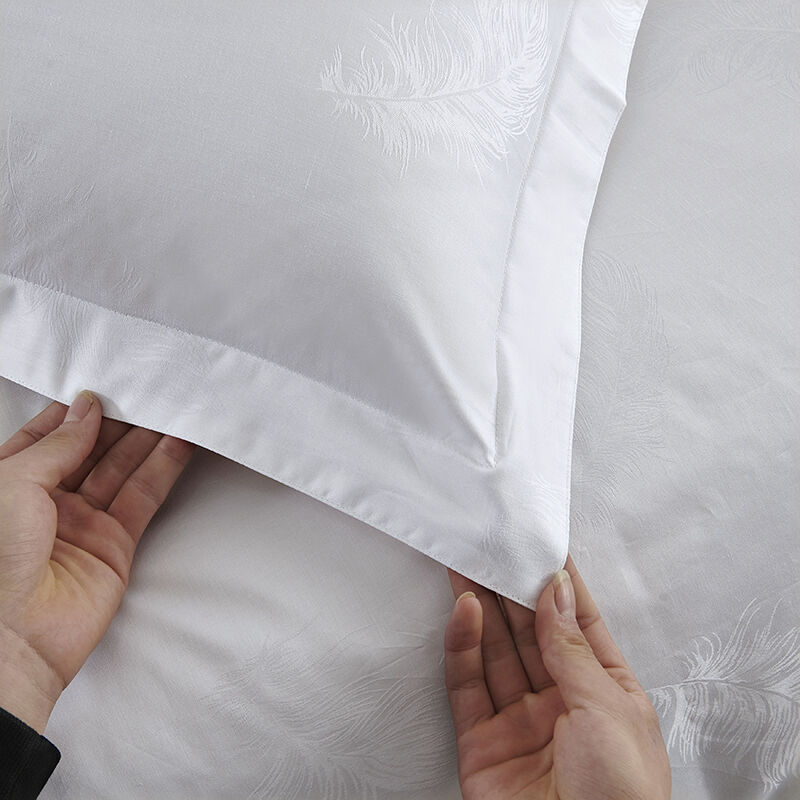
Every guest judges a room within minutes of arrival, and the pillow case is often the first thing they touch. A pillow case that looks crisp, feels soft, and holds up through dozens of industrial wash cycles signals quality and care to guests who have high expectations. For hospitality buyers, procurement managers, and hotel owners, selecting the right pillow case is not a minor detail — it is a fundamental part of delivering a consistent, professional guest experience across every room and every night.
Unlike residential bedding, a hospitality-grade pillow case must meet far stricter demands. It must survive repeated high-temperature laundering, maintain its appearance after heavy use, and feel inviting to a wide range of guests with different preferences. Understanding what separates a hospitality-suitable pillow case from an ordinary one helps procurement teams make smarter decisions, reduce replacement costs, and protect the brand reputation of their property.
Fabric and Material Standards for a Hospitality Pillow Case
Why Fabric Choice Defines a Pillow Case's Performance
The fabric of a pillow case is the single most important factor in hospitality suitability. A pillow case made from 100% long-staple cotton offers the softness, breathability, and durability that hotel laundry operations demand. Long-staple cotton fibers create a smoother yarn, which means the pillow case resists pilling and maintains a clean, bright appearance even after frequent industrial washing. Short-staple cotton or blended fabrics may reduce upfront costs but often lead to faster degradation, meaning the pillow case must be replaced more often.
Percale and sateen weaves are the two dominant constructions used in a professional-grade pillow case. A percale pillow case offers a crisp, cool feel that many hotel guests associate with luxury. A sateen pillow case delivers a smoother, slightly lustrous surface that feels warmer and more indulgent. Both weave types can produce a durable, guest-ready pillow case when the base fabric quality is high. The choice between them often depends on the brand positioning and climate of the property.
Thread Count and Its Role in Pillow Case Quality
Thread count is a frequently misunderstood specification when evaluating a pillow case for hospitality use. A pillow case with a thread count between 200 and 400 typically offers the best balance of durability and comfort for commercial settings. Thread counts above 400 do not always indicate a better pillow case — they can sometimes reflect a looser weave inflated by multi-ply yarns, which reduces actual fabric strength. Hospitality buyers should request independent fabric certifications and request wash-test samples before committing to a large pillow case order.
Functional Design Features That Matter in Hospitality
Closure Style and Ease of Housekeeping Operations
The closure style of a pillow case directly affects housekeeping efficiency and the presentation standard of a room. An envelope-style pillow case, which uses a folded fabric flap rather than a zipper or button, is the most widely adopted design in hotel settings. This pillow case style is faster to change, easier to launder flat, and presents a cleaner look on a made bed. A zipper-closure pillow case offers more security but can slow down room turnover and may cause fabric stress at the zipper seam over time.
The hem finish of a pillow case also plays a role in professional presentation. A double-stitched or mitered-corner hem gives a pillow case a tailored, premium appearance that elevates the overall bed setup. In contrast, a poorly finished pillow case hem tends to fray quickly under industrial laundering, increasing replacement frequency and adding unnecessary cost to linen budgets. Investing in a well-constructed pillow case closure and hem is a straightforward way to reduce long-term operational costs.
Sizing Consistency Across a Pillow Case Range
Sizing consistency is a practical concern that hospitality managers sometimes overlook when purchasing a pillow case in bulk. A pillow case that varies even slightly in size across different production batches creates visible inconsistency on beds, which undermines the polished appearance that guests expect. Reliable manufacturers maintain tight size tolerances and pre-shrink fabric before cutting, ensuring every pillow case in an order performs the same way after laundering. Confirming pre-shrinkage treatment is an essential step before approving any pillow case supplier for large-scale hospitality procurement.
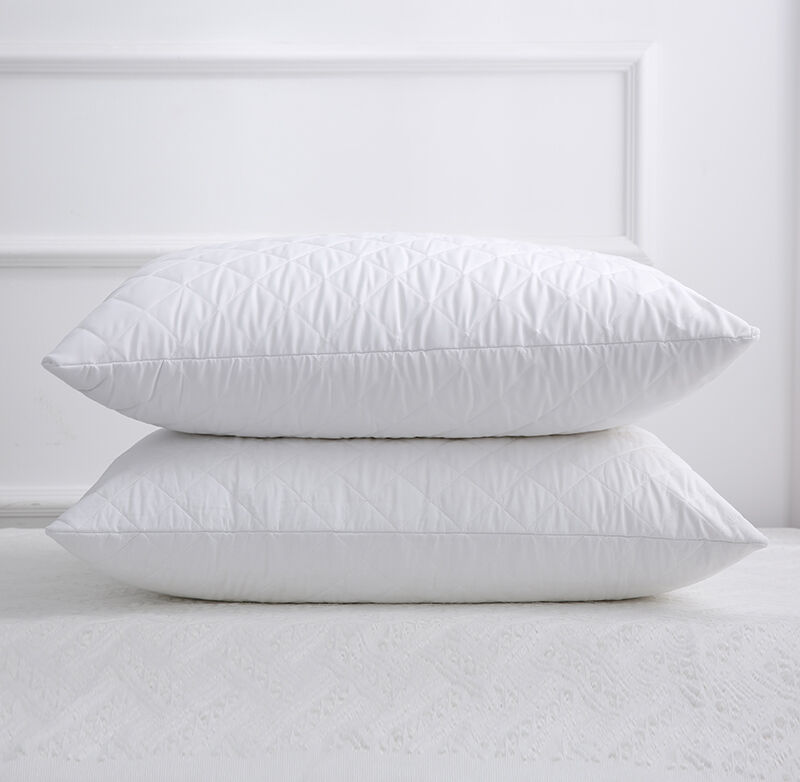
Durability, Hygiene, and Long-Term Cost Efficiency
Industrial Laundering Resilience of a Hospitality Pillow Case
A hospitality pillow case must endure industrial laundering conditions that far exceed what residential bedding faces. Commercial laundry processes typically involve high wash temperatures, strong detergents, and high-speed extraction cycles. A pillow case that cannot withstand these conditions will lose color, shrink unevenly, or develop fabric weakness within weeks. Oeko-Tex certification or equivalent fabric safety standards provide assurance that a pillow case has been tested for chemical safety and structural resilience, which matters both for guest health and laundry longevity.
Color retention is another key durability factor for a hospitality pillow case. White is the standard choice in most hotel settings because it communicates cleanliness, allows high-temperature washing, and shows staining clearly so soiled items are not reused. A white pillow case that maintains its brightness across 200 or more wash cycles represents genuine value for hospitality operations. Yellowing or graying in a pillow case is a sign of poor fiber quality or inadequate bleach resistance, both of which increase replacement costs significantly.
Balancing Pillow Case Cost with Guest Experience Value
Choosing a pillow case purely on the basis of unit price is a common mistake in hospitality procurement. A lower-cost pillow case that requires replacement every three months will cost far more over a year than a premium pillow case with a lifespan of twelve months or longer. Total cost of ownership, which includes the pillow case purchase price, laundering cost per cycle, and replacement frequency, is the most accurate measure of value. Properties that invest in quality bedding, including a well-made pillow case, consistently report stronger guest satisfaction scores and lower linen budget waste over time.
FAQ
What thread count is best for a hotel pillow case?
A thread count between 200 and 400 is generally recommended for a hospitality pillow case. This range provides sufficient durability for industrial laundering while still delivering a soft, comfortable feel for guests. Higher thread counts do not always mean a better pillow case in commercial settings.
How often should a hospitality pillow case be replaced?
A high-quality hospitality pillow case should last between 200 and 300 wash cycles before replacement is needed. Properties that use a pillow case made from long-staple cotton with proper hem construction can expect a longer service life. Tracking wash cycles per pillow case item helps housekeeping managers plan linen budgets accurately.
Is an envelope closure better than a zipper for a hotel pillow case?
An envelope-style pillow case is generally preferred in hotel environments because it speeds up room turnover, reduces mechanical stress on fabric, and produces a cleaner visual presentation. A zipper-closure pillow case may suit certain property types where pillow security is a higher priority, but for most hospitality operations the envelope design offers the best combination of practicality and appearance.