
 EN
EN



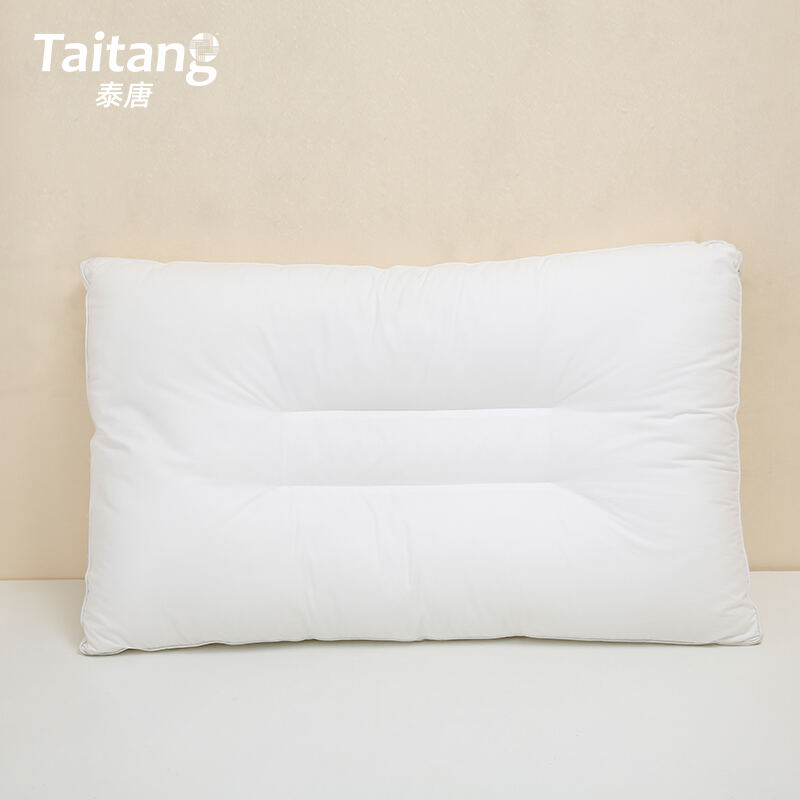
A clean, fresh hotel pillow case is one of the first things a guest notices when they settle into bed. Whether a property is a boutique inn or a large resort, the condition of every hotel pillow case communicates the standard of care the establishment provides. Stains, odors, or worn fabric can instantly lower a guest's confidence, while crisp, spotless linens reinforce trust and satisfaction. Maintaining each hotel pillow case to a consistent standard is therefore not a luxury task — it is a core operational responsibility.
The challenge for housekeeping teams is that a hotel pillow case endures repeated washing, body oils, cosmetics, and environmental exposure at a pace far beyond domestic use. Without a structured maintenance routine, fabric quality deteriorates quickly, hygiene standards slip, and replacement costs climb. This guide covers the essential practices every hospitality team should follow to extend the life of each hotel pillow case while keeping freshness and hygiene at the highest level.
Washing and Sanitizing Each Hotel Pillow Case Correctly
Temperature, Detergent, and Cycle Selection
The foundation of hotel pillow case hygiene is the wash cycle. Each hotel pillow case should be laundered at a minimum temperature of 60°C to eliminate bacteria, dust mites, and allergens effectively. Commercial-grade detergents formulated for hospitality linens are strongly preferred because they balance deep cleaning power with fabric protection. Avoid using excessive detergent amounts, as residue buildup in a hotel pillow case can cause skin irritation for sensitive guests and dull the fabric over time.
A hotel pillow case made from cotton or cotton-blend fabric generally tolerates a hot wash well, but always verify the care label before selecting the cycle. Delicate weaves or jacquard-style hotel pillow case fabrics may require a gentler setting to preserve the texture and surface detail. Sorting linens by fabric type before washing protects each hotel pillow case from abrasion damage caused by heavier items in the same load.
Stain Treatment Before Laundering
Pre-treating stains is a critical step that many housekeeping teams overlook when a high volume of hotel pillow case items moves through the laundry daily. Lipstick, foundation, hair products, and body oils all set permanently if a stained hotel pillow case enters a hot wash cycle without prior treatment. Apply an enzyme-based stain remover directly to the affected area and allow a short dwell time before loading the hotel pillow case into the machine. This approach lifts organic stains far more effectively than heat alone and protects the long-term appearance of every hotel pillow case in your inventory.
Drying, Ironing, and Storage Practices
Proper Drying to Prevent Moisture-Related Hygiene Issues
Drying is just as important as washing when managing hotel pillow case hygiene. A hotel pillow case that is not fully dried before storage becomes a breeding ground for mold and mildew, which produces persistent odors and potential health hazards for guests. Commercial tumble dryers with adequate airflow are the most reliable option for hotel pillow case processing. Remove each hotel pillow case promptly once the cycle finishes to avoid creasing and to prevent the residual heat from weakening the fiber structure.
If a hotel pillow case is air-dried in any part of the process, ensure it is placed in a well-ventilated area away from direct sunlight for extended periods, as UV exposure can fade and weaken fabric. Always confirm that the hotel pillow case is completely dry, not just warm to the touch, before folding or stacking it with other linens.
Ironing Standards and Hygienic Storage
Pressing each hotel pillow case with a commercial iron or flatwork ironer serves two purposes: it creates the crisp, professional appearance guests expect, and the heat provides an additional sanitizing effect on the surface of the hotel pillow case. Use steam settings appropriate for the fabric weight and avoid pressing over any remaining damp spots, which can cause scorch marks. A well-ironed hotel pillow case also signals to housekeeping supervisors that the linen has completed its full processing cycle.
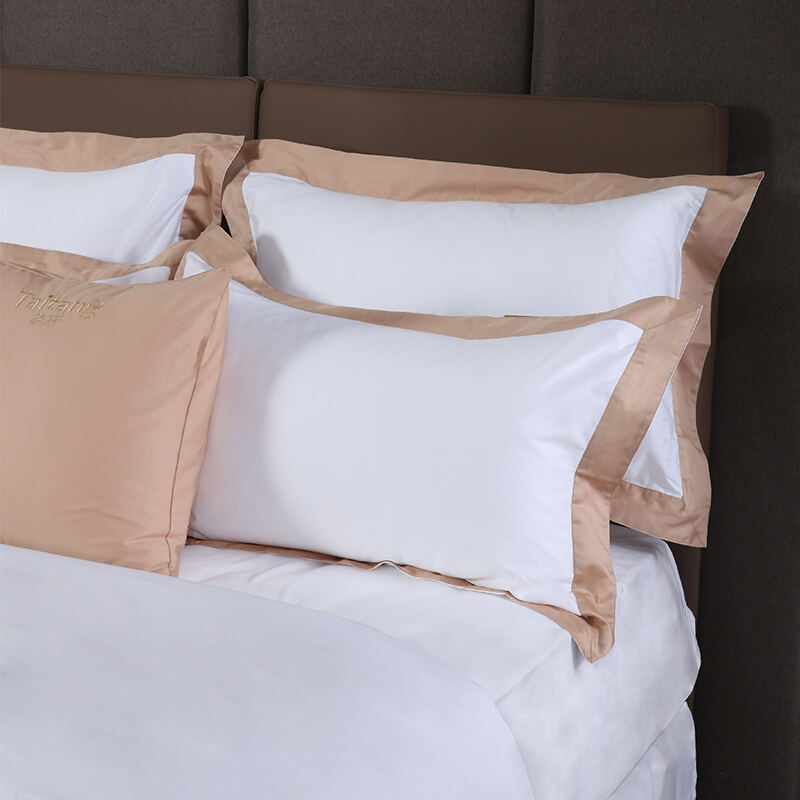
Storing a hotel pillow case correctly after processing is the final line of defense against recontamination. Clean hotel pillow case stock should be kept in a dry, enclosed linen closet with good air circulation, away from cleaning chemicals, moisture sources, and foot traffic areas. Rotate stock so that older hotel pillow case items are used first, following a first-in, first-out system that prevents any single hotel pillow case from sitting unused long enough to absorb ambient odors.
Inspection, Rotation, and Replacement Decisions
Building a Consistent Inspection Routine
Every hotel pillow case should be inspected after each laundering cycle, not just when a visible issue is reported. Housekeeping teams should check each hotel pillow case for pilling, thinning fabric, persistent discoloration, frayed edges, and compromised seams. A hotel pillow case with thinning areas or pilling should be flagged immediately because these defects not only look poor to guests but also reduce the structural integrity of the fabric during further washing. Setting up a clear tagging system for damaged hotel pillow case items helps prevent substandard linens from reaching guest rooms by accident.
High-turnover properties may find it beneficial to track the wash cycle count for each hotel pillow case. Most quality hotel pillow case products maintain their appearance and hygiene performance for between 150 and 300 commercial wash cycles, depending on fabric weight and thread count. Monitoring this data allows purchasing decisions to be made proactively rather than reactively, avoiding situations where a hotel pillow case is visibly degraded before a replacement order is placed.
Knowing When to Retire a Hotel Pillow Case
Even with excellent maintenance, every hotel pillow case has a finite service life. Continuing to use a worn hotel pillow case to delay costs is a false economy because it increases guest complaints and damages brand reputation. When a hotel pillow case cannot be restored to an acceptable standard after treatment, it should be retired from guest room use immediately. Retired hotel pillow case linens can often be repurposed for staff use, cleaning applications, or donated rather than discarded, which supports both cost efficiency and sustainability goals for the property.
FAQ
How often should a hotel pillow case be washed?
A hotel pillow case should be washed after every guest stay without exception. This ensures that each new guest receives a completely clean and hygienic hotel pillow case, regardless of how the previous occupant used the room. Properties with high-turnover schedules should ensure their laundry workflow keeps pace with room changeover demands.
What is the best fabric for a hotel pillow case in terms of hygiene?
Cotton and cotton-polyester blends are widely used for hotel pillow case production because both tolerate high-temperature commercial washing well. Pure cotton hotel pillow case fabric is breathable and soft, while blended versions offer greater durability and wrinkle resistance. The choice should balance guest comfort, laundry throughput, and the specific wash protocols your property follows.
Can a hotel pillow case be sanitized without hot washing?
If a hotel pillow case fabric is sensitive to high temperatures, a combination of a lower wash temperature with a commercial-grade disinfectant detergent or an approved laundry sanitizer can achieve effective hygiene results. Always verify that the sanitizing agent is compatible with the hotel pillow case fabric and rinse thoroughly to prevent residue buildup. This approach requires strict product selection and dosing controls to remain effective.