
 EN
EN



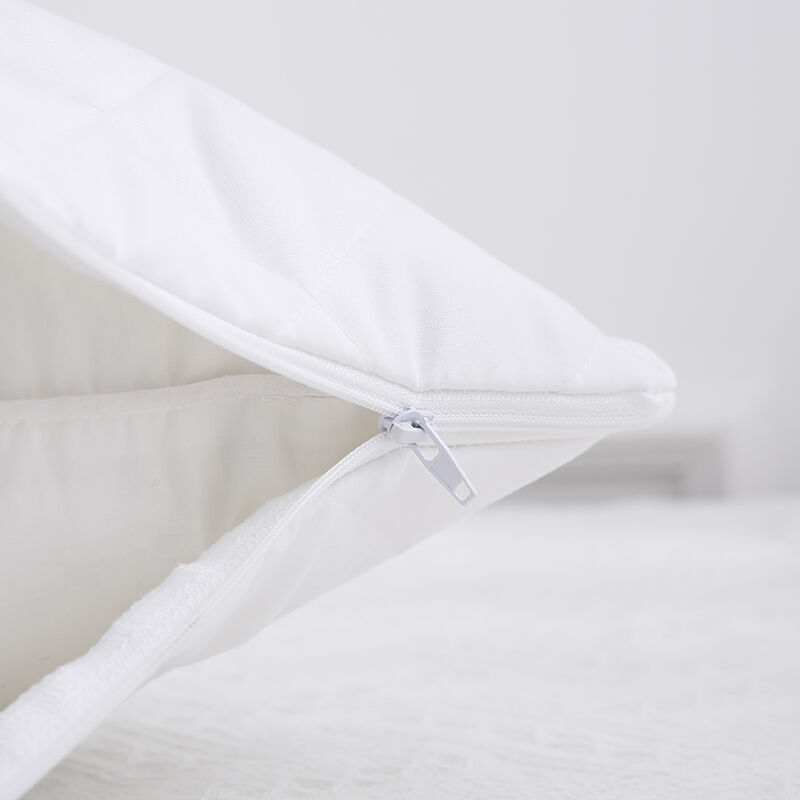
Maintaining clean, supportive, and hygienic hotel pillows is one of the most overlooked yet critical aspects of hospitality management. Guests judge sleep quality heavily, and hotel pillows are a direct touchpoint that affects both comfort perception and health safety. Whether you manage a boutique property or a large chain, understanding how to properly care for and replace hotel pillows is essential to upholding your brand standards.
Hotel pillows endure far more wear than residential ones. They face repeated washing cycles, exposure to body oils, sweat, and allergens, and must consistently meet guest expectations night after night. A structured hygiene and replacement program for hotel pillows protects guests, reduces liability, and ultimately supports the long-term reputation of your property. This guide provides practical, actionable guidelines that hospitality teams can implement immediately.
Why Hotel Pillow Hygiene Matters More Than You Think
The Hidden Hygiene Risks of Hotel Pillows
Hotel pillows accumulate bacteria, dust mites, skin cells, and moisture over time. Even when pillow protectors are used, hotel pillows can harbor contaminants that standard washing routines may not fully eliminate. Dust mite populations in hotel pillows can grow significantly within just a few months of use, especially in humid climates. This is not just an aesthetic concern — it is a genuine health risk for guests with allergies, asthma, or sensitive skin.
Guests increasingly report skin irritation and respiratory discomfort tied to bedding quality. Hotel pillows that are not cleaned or replaced on a regular schedule become a silent liability. Properties that invest in proper hygiene protocols for hotel pillows tend to receive significantly better guest reviews, particularly in the sleep quality category. The return on investment is both measurable and reputationally significant.
Guest Expectations and Brand Perception
Modern travelers are more informed and health-conscious than ever. When guests feel or smell hotel pillows that are worn, flattened, or stale, trust in the property deteriorates quickly. Hotel pillows represent an unspoken promise of cleanliness and care. Failing to maintain that promise can lead to negative reviews that impact future bookings. Conversely, fresh, well-maintained hotel pillows signal attention to detail and genuine hospitality investment.
Hotel Pillow Replacement Schedules and Standards
How Often Should Hotel Pillows Be Replaced
Industry best practice recommends replacing hotel pillows every 18 to 24 months under standard occupancy conditions. However, hotel pillows in high-occupancy properties, budget segments with lower thread-count protectors, or humid regions may require replacement every 12 months. The key is not to rely on appearance alone. Hotel pillows can look clean on the surface while being structurally compromised and hygienically unsafe. Replacement timelines should be documented and tracked systematically.
A practical way to assess whether hotel pillows need replacing is the fold test. Fold the hotel pillows in half and release them. If they do not spring back to their original shape, the fill material has broken down. Hotel pillows that fail this test should be retired immediately, regardless of how recently they were purchased. Physical degradation and hygiene degradation often occur together in hotel pillows that have exceeded their useful lifespan.
Selecting Replacement Hotel Pillows for Longevity
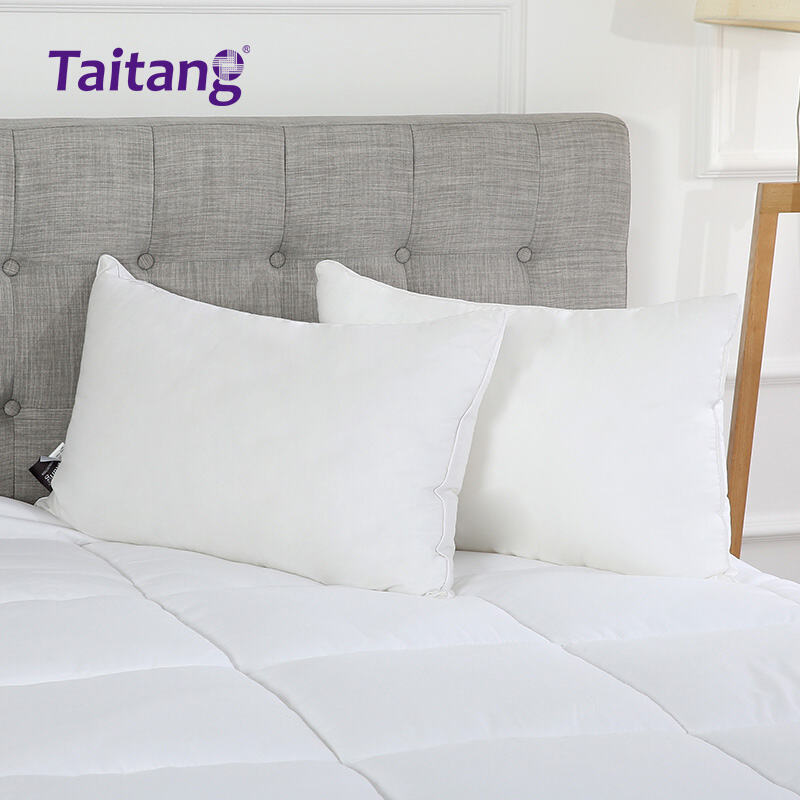
When sourcing new hotel pillows, fill density and washability are the two most critical factors. Hotel pillows filled with microfiber, particularly at 1200g fill weight, offer excellent durability, hypoallergenic properties, and resistance to compression over time. These hotel pillows also withstand industrial laundering better than lower-density alternatives. Choosing the right fill from the start reduces replacement frequency and total operational cost. For bulk procurement, hotel pillows with verified fill weight and certified fabric are the most reliable option for long-term hygiene compliance.
Maintenance Protocols That Extend Hotel Pillow Lifespan
Daily and Weekly Cleaning Routines
Hotel pillows should be protected with waterproof or allergen-barrier pillow protectors at all times. These protectors should be washed with every room turnover cycle. The hotel pillows themselves should be machine washed at a minimum of 60 degrees Celsius to eliminate bacteria and dust mites effectively. Using a commercial-grade laundry detergent designed for hotel bedding ensures that hotel pillows are thoroughly sanitized without fiber degradation. Drying hotel pillows at high heat also plays a critical role in eliminating moisture-retained microbes.
Housekeeping teams should be trained to inspect hotel pillows during each room turnover. Visual checks for yellowing, odor, lumping, or loss of loft are simple but effective. Any hotel pillows showing these signs should be flagged for removal and placed into a replacement queue. Tracking which hotel pillows are flagged helps management identify patterns in wear across different room categories or floor levels.
Quarterly and Annual Hygiene Audits for Hotel Pillows
Beyond daily routines, hotel pillows should undergo a formal hygiene audit every quarter. During these audits, all hotel pillows should be removed from rooms, assessed for physical condition, sanitized using a deep-clean cycle, and returned only if they meet the property's hygiene standards. Hotel pillows that fail the audit should be replaced immediately. Annual audits should also include a full inventory review to ensure that hotel pillows across the property are being replaced on schedule and that no outliers are being overlooked.
Documenting these audits creates accountability and provides evidence of due diligence in the event of a guest complaint. Properties that maintain detailed hygiene records for hotel pillows are better positioned legally and reputationally. Standardizing these records also makes it easier to align hotel pillows procurement cycles with budgeting timelines, reducing last-minute bulk purchasing under pressure.
FAQ
How often should hotel pillows be washed during a guest stay?
Hotel pillows should be washed at a minimum between every guest stay. In high-occupancy periods, hotel pillows should still be laundered according to room turnover schedules. Using high-temperature washing cycles ensures hotel pillows are hygienically safe for each new guest.
What fill material is best for hotel pillows in terms of hygiene and durability?
Microfiber-filled hotel pillows are widely considered the best choice for hospitality use. They are hypoallergenic, machine washable, and resistant to compression over time. Hotel pillows with a 1200g microfiber fill offer excellent resilience and are easy to maintain under industrial laundering conditions.
Can hotel pillows be repaired or should they always be replaced?
Hotel pillows cannot be meaningfully repaired once fill material degrades or hygiene standards are compromised. Unlike linens that can be mended, hotel pillows lose structural and hygienic integrity at a fiber level. The safest and most cost-effective approach is to replace hotel pillows on schedule rather than attempt repair.