
 EN
EN


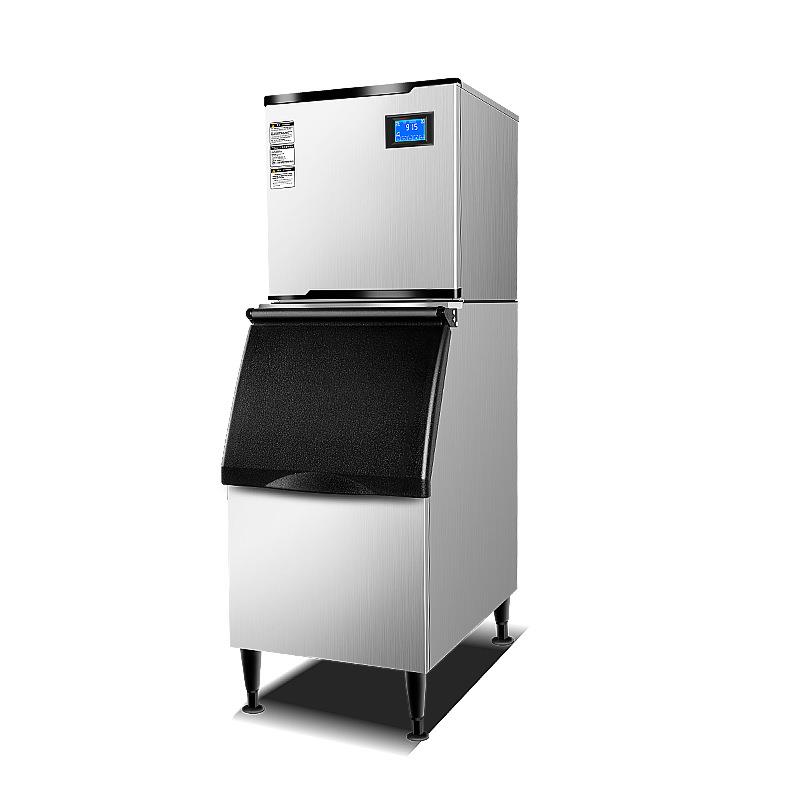
Selecting the right HORECA-grade equipment is one of the most critical decisions a hotel, restaurant, or catering business can make. HORECA-grade equipment represents the professional-tier tools and machinery designed specifically for high-volume foodservice operations where reliability and durability are non-negotiable. The term HORECA itself stands for Hotels, Restaurants, and Catering—the three sectors that demand equipment capable of withstanding intense daily use while maintaining consistent performance. Unlike domestic kitchen appliances, HORECA-grade equipment is engineered to operate continuously throughout service hours, often processing hundreds of portions daily without compromise to quality or safety.
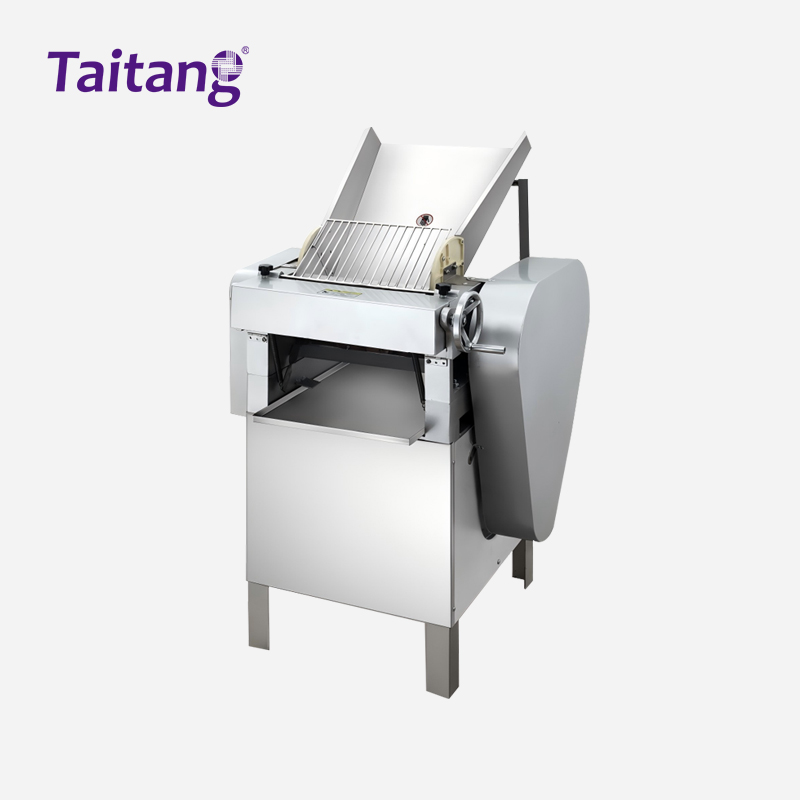
Investing in proper HORECA-grade equipment impacts operational efficiency, food safety compliance, staff productivity, and ultimately your bottom line. Poor equipment choices lead to frequent breakdowns, inconsistent food preparation, health code violations, and unnecessary replacement costs. This guide walks you through the essential criteria for evaluating and selecting HORECA-grade equipment that matches your kitchen's specific needs and operational demands.
Understanding Core Quality Standards for HORECA-Grade Equipment
Material Composition and Construction
The foundation of any HORECA-grade equipment lies in its material selection and build quality. Professional HORECA-grade equipment predominantly uses stainless steel bodies and working surfaces because stainless steel resists corrosion, withstands frequent washing, and meets food safety regulations. Unlike painted steel or aluminum components, stainless steel in HORECA-grade equipment maintains structural integrity even under constant exposure to moisture, salt, acids from food, and chemical cleaning agents. The gauge and thickness of stainless steel used in HORECA-grade equipment directly correlates to durability—thicker stainless steel means fewer dents, longer lifespan, and better heat retention in cooking equipment.
Safety Certifications and Compliance
Legitimate HORECA-grade equipment carries recognized certifications from regulatory bodies such as CE marking in Europe, NSF certification in North America, or equivalent standards in your region. These certifications indicate that HORECA-grade equipment has undergone rigorous testing for electrical safety, material food-contact safety, and operational hazard prevention. When evaluating HORECA-grade equipment options, always verify that certifications are current and specific to the equipment model—not just the brand. Certified HORECA-grade equipment includes safety features like emergency stop mechanisms, proper grounding, and guards that prevent operator injury during normal use.
Evaluating Performance Requirements for Your Kitchen
Volume Capacity and Throughput Demands
Different kitchens require different levels of HORECA-grade equipment capacity. A small hotel restaurant preparing meals for forty covers has different requirements than a high-volume institutional cafeteria. When assessing HORECA-grade equipment, calculate your peak production volume—the number of portions or batches your kitchen must produce during the busiest service period. HORECA-grade equipment specifications include hourly throughput ratings, batch sizes, or portion outputs. Selecting undercapacity HORECA-grade equipment creates bottlenecks and stress on machines, leading to premature wear. Conversely, significantly oversized HORECA-grade equipment wastes energy, occupies valuable floor space, and increases initial investment unnecessarily.
Duty Cycle and Operational Hours
The duty cycle of HORECA-grade equipment describes how many hours per day and how intensively the equipment operates. A piece of HORECA-grade equipment rated for continuous eight-hour duty differs fundamentally from equipment designed for intermittent use. Professional kitchens using HORECA-grade equipment often operate twelve to sixteen hours daily, requiring machinery built for extended continuous operation. Review manufacturer specifications for HORECA-grade equipment to understand whether the equipment is rated for your intended duty cycle. Equipment exceeding its duty rating fails prematurely, voids warranties, and creates unexpected downtime during critical service periods.
Budget and Total Cost of Ownership Considerations
Initial Investment versus Long-Term Value
HORECA-grade equipment typically costs significantly more upfront than consumer-grade alternatives, but this investment reflects engineering built for professional use. When budgeting for HORECA-grade equipment, resist the temptation to choose the cheapest option available. Lower-priced HORECA-grade equipment often cuts corners in build quality, motor power, or component durability, resulting in frequent repairs and shorter lifespan. Quality HORECA-grade equipment from reputable manufacturers usually offers better value over five to ten years despite higher initial costs. Calculate the total cost of ownership for HORECA-grade equipment by considering purchase price, installation, maintenance contracts, repair expenses, energy consumption, and expected replacement timeline.
Maintenance, Spare Parts, and Supplier Support
Availability of spare parts and responsive technical support separate good HORECA-grade equipment choices from problematic ones. Establish relationships with suppliers who stock common replacement parts for your HORECA-grade equipment and offer prompt service when breakdowns occur. Some HORECA-grade equipment manufacturers provide comprehensive maintenance programs, while others require you to arrange service independently. Verify that your HORECA-grade equipment supplier operates service centers within reasonable distance to your location. Poor support infrastructure transforms even reliable HORECA-grade equipment into operational liabilities when unexpected failures happen during busy service periods.
FAQ
What distinguishes HORECA-grade equipment from standard commercial equipment?
HORECA-grade equipment meets specialized performance standards specifically designed for high-volume hospitality operations. HORECA-grade equipment uses superior materials like heavy-duty stainless steel, incorporates safety features exceeding basic commercial standards, and maintains consistent performance during extended continuous operation. Standard commercial equipment may lack the intensity of engineering required for the demanding environments found in busy hotels, restaurants, and catering kitchens where HORECA-grade equipment becomes essential.
How do I determine the correct size of HORECA-grade equipment for my kitchen?
Size selection for HORECA-grade equipment depends on your peak production volume, available floor space, and daily operational hours. Consult with HORECA-grade equipment suppliers who can analyze your menu, expected covers, and service pattern to recommend appropriately sized equipment. HORECA-grade equipment sizing that matches your actual needs optimizes efficiency, prevents bottlenecks, and maximizes return on investment without wasting resources on unnecessary capacity.
What warranty and support should I expect when purchasing HORECA-grade equipment?
Most quality HORECA-grade equipment includes warranties covering manufacturing defects, typically ranging from one to three years depending on the manufacturer and equipment type. HORECA-grade equipment warranties often require proper maintenance and professional installation to remain valid. Reputable suppliers provide technical support, access to spare parts, and sometimes offer extended warranty or service contract options that protect your HORECA-grade equipment investment against unexpected repair costs.