
 EN
EN


Selecting the right dinnerware for your hotel or restaurant is one of the most critical operational decisions you'll make. Unlike residential settings, commercial dinnerware must withstand thousands of table settings, repeated washing cycles, and the demanding pace of hospitality service. The quality of your dinnerware directly impacts guest satisfaction, staff efficiency, and your bottom line. A poorly chosen set will chip, crack, or fade within months, requiring constant replacement and damaging your establishment's reputation. This guide walks you through the essential factors for selecting dinnerware that performs reliably in high-volume environments while maintaining aesthetic appeal and cost efficiency.
Hospitality establishments rely on dinnerware that balances durability with elegance. Your choice of dinnerware communicates brand identity while serving a functional purpose. Whether you operate an upscale fine-dining establishment, a casual family restaurant, or a boutique hotel, the right dinnerware strengthens guest experience and reduces operational waste. Understanding material composition, durability standards, and performance metrics ensures you invest in dinnerware that survives years of intensive use.
Material Composition and Durability Standards
Evaluating Ceramic and Porcelain Dinnerware
The foundation of durable dinnerware lies in material selection. Ceramic and porcelain dinnerware dominate the hospitality market because they resist staining, maintain temperature, and offer design flexibility. Porcelain dinnerware is fired at higher temperatures than ceramic, resulting in greater chip resistance and longevity. When evaluating dinnerware options, verify the firing temperature and vitrification level. Fully vitrified dinnerware has a non-porous surface that resists bacteria and staining, making it ideal for healthcare and fine-dining venues. Ceramic dinnerware may be more affordable but requires careful handling to prevent surface damage.
Impact Resistance and Edge Protection
Commercial dinnerware must endure repeated impacts during washing, stacking, and handling. High-quality dinnerware features reinforced edges and a balanced weight distribution that reduces breakage from accidental drops. Inspect the dinnerware rim and base for thickness consistency. Thicker walls distribute stress more effectively than thin, brittle designs. Test samples by running them through your establishment's dishwashing equipment under full operating conditions. This real-world testing reveals whether the dinnerware will withstand your specific operational demands. Glazing quality also affects durability; look for smooth, even glazing across all dinnerware surfaces, as imperfections can become crack initiation points.
Design, Aesthetics, and Brand Alignment
Choosing Dinnerware Styles That Reflect Your Concept
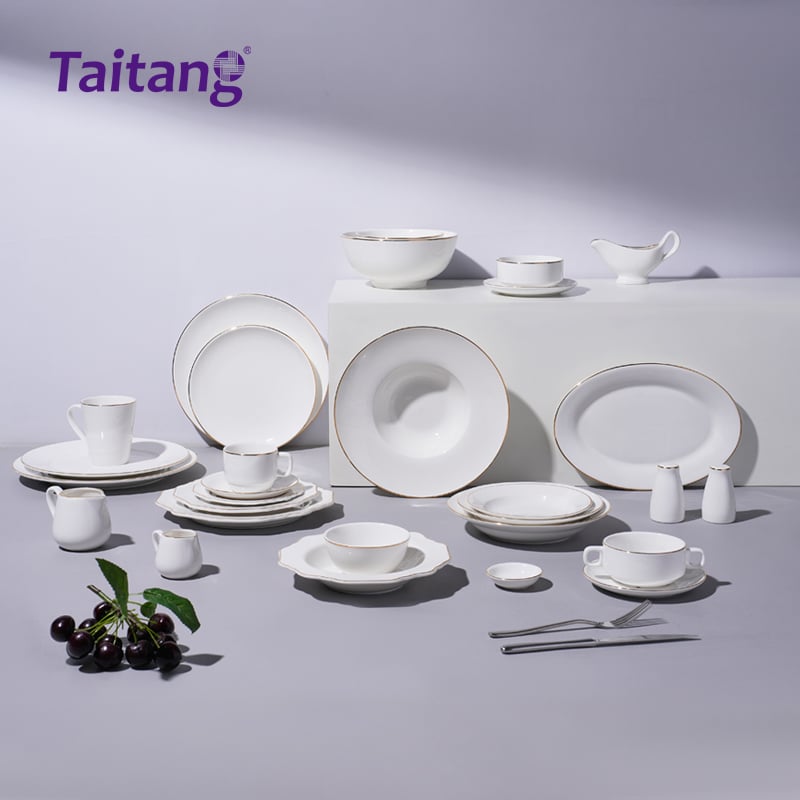
Your dinnerware selection is a visual extension of your hospitality brand. Contemporary establishments favor clean-lined, minimalist dinnerware with subtle color palettes. Traditional fine-dining venues typically select ornate dinnerware with gold or platinum accents. Mid-range restaurants often choose versatile dinnerware that complements multiple menu presentations. When evaluating dinnerware aesthetics, consider whether the design will remain visually appealing through multiple trends. Neutral, timeless dinnerware designs provide better long-term value than trendy patterns that may feel dated within a few years. Consistency across your dinnerware collection strengthens brand perception and operational efficiency.
Color, Rim Design, and Durability Interaction
The color and finish of your dinnerware influence both aesthetics and practical durability. White and cream dinnerware highlight food presentation but shows stains more visibly. Darker dinnerware conceals stains and requires less frequent replacement but may limit menu photography appeal. Rim treatments significantly affect dinnerware longevity; gold or platinum-rimmed dinnerware demands gentler handling and specialized care. Plain-rimmed dinnerware tolerates mechanical dishwashing more effectively and withstands bumping during service. Consider your staff's training level and dishwashing protocol when selecting dinnerware with decorative elements. Premium rim finishes add elegance but increase replacement costs if damage occurs.
Performance Testing and Total Cost of Ownership
Conducting Durability Assessment Before Purchase
Request sample sets of potential dinnerware and subject them to your actual operational environment for 2–4 weeks. Run the dinnerware through your industrial dishwasher multiple times daily, stack it with normal handling practices, and serve food on it during regular service. This testing period reveals whether the dinnerware resists thermal shock, abrasion, and staining under realistic conditions. Examine the dinnerware carefully after testing; any visible chips, cracks, or glaze degradation indicates potential long-term reliability issues. Quality dinnerware should show no visible wear after weeks of intensive use. Document your findings and compare across multiple dinnerware candidates to make an informed decision.
Calculating Long-Term Investment Value
Durable dinnerware requires careful cost analysis beyond the initial purchase price. Calculate your replacement costs over a 3–5 year period. Premium dinnerware may cost 30–50% more initially but lasts two to three times longer than budget options, resulting in lower total cost of ownership. Consider breakage rates, staff training costs, and operational disruption from inventory shortages. Dinnerware that requires special handling or care increases labor costs and reduces efficiency. Factor in aesthetic degradation; cheap dinnerware loses its appearance quickly through discoloration and micro-scratching, damaging guest perception. A dinnerware investment that maintains visual quality while resisting breakage delivers superior long-term value despite higher upfront cost.
FAQ
What specifications should I prioritize when selecting dinnerware for a high-volume restaurant?
Prioritize impact resistance, dishwasher durability, and non-porous glazing when choosing dinnerware for high-volume environments. Verify that your dinnerware can withstand commercial dishwashing temperatures and mechanical action without chipping or discoloration. Request documentation of firing temperatures and vitrification standards. Test dinnerware samples in your actual operational setting before making large commitments. The most expensive dinnerware isn't necessarily the best; focus instead on proven performance metrics and real-world durability data specific to your dinnerware candidate.
How do I balance aesthetic appeal with practical durability when choosing dinnerware?
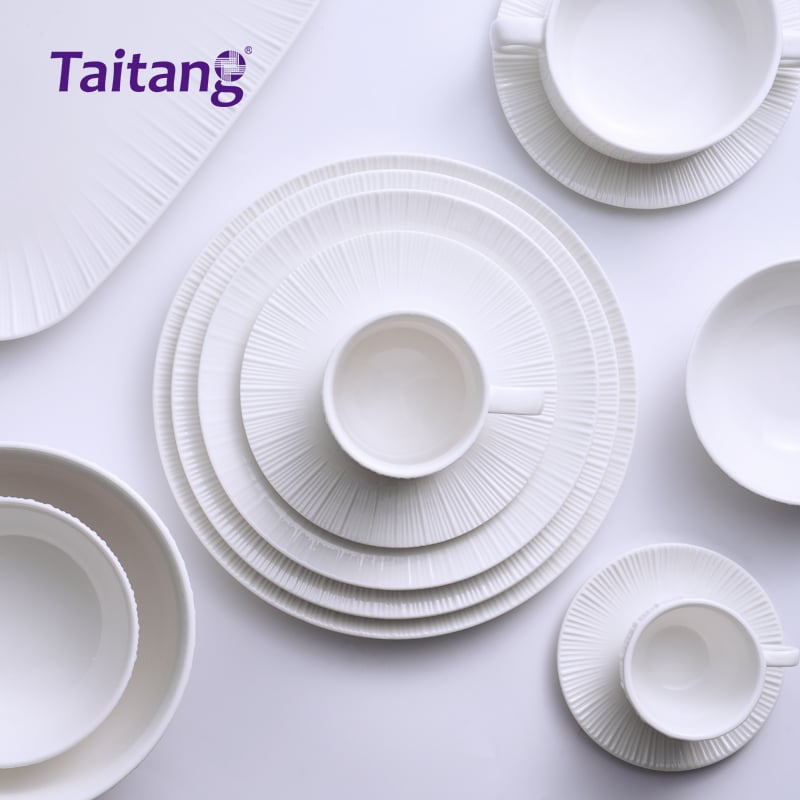
Select dinnerware styles that reflect your brand while minimizing fragile design elements. Ornate dinnerware with decorative rims requires specialized care and breaks more easily than plain-rimmed options. Neutral colors and timeless patterns in dinnerware maintain visual appeal longer than trendy designs. Consider dinnerware with subtle design elements—texture, layered glazing, or sophisticated shape—rather than surface decoration. This approach preserves brand identity while ensuring your dinnerware survives high-volume service without constant replacement.
What warranty and support should I expect from dinnerware suppliers?
Quality dinnerware suppliers typically offer warranties covering manufacturing defects within the first year of purchase. Confirm that your dinnerware supplier provides replacement pieces for breakage-related losses, ideally with reasonable pricing for ongoing restocking. Establish clear communication channels for dinnerware reordering and sample acquisition. Reliable dinnerware suppliers maintain consistent quality across batches and respond quickly to concerns about performance or appearance. Before committing to large dinnerware purchases, verify that your supplier's support infrastructure aligns with your operational needs and growth plans.