
 EN
EN



News
How to Choose the Best Color-Glazed Ceramic Dinnerware for Hotel or Restaurant?
In the modern hospitality landscape, the dining experience has evolved far beyond just serving exceptional food. Today's guests seek immersion, aesthetics, and a cohesive story. Selecting the right tableware is a strategic business decision that impacts brand perception, guest satisfaction, and operational profitability.
While classic white porcelain has long been the industry baseline, color-glazed ceramic dinnerware has emerged as a powerful differentiator for boutique hotels, upscale resorts, and concept-driven restaurants globally. This guide involves navigating complex parameters such as thermal shock resistance, glaze stability, stackability, and supply chain continuity, sourcing high-quality color-glazed ceramic solutions for high-volume commercial environments.
1. What is Color-Glazed Ceramic Dinnerware?
Color-glazed ceramic dinnerware refers to porcelain or stoneware pieces coated with a liquid glaze containing metallic oxides and fired at high temperatures, typically between 1280°C and 1320°C in a commercial kiln. This high-temperature environment triggers chemical reactions within the glaze, vitrifying the ceramic body and creating a non-porous, glassy surface.
Depending on the formulation and firing technique, glazes are categorized into two primary types:
1) Stable/Monochrome Glazes: These produce uniform, consistent color distributions across all pieces, ideal for high-end corporate banquets or hotel chains seeking strict brand consistency.
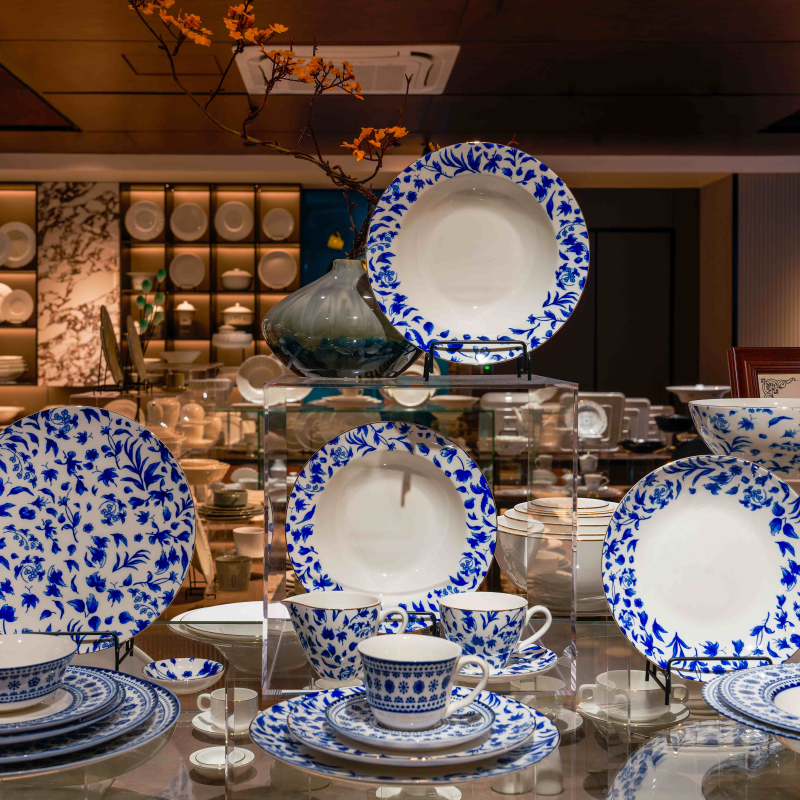
2) Reactive Glazes: Reactive glazes feature multiple oxides that melt and flow fluidly during firing. This creates stunning, natural color gradients, speckles, and multi-tonal effects. Taitang ensures that while each piece maintains consistent dimensional tolerances for commercial stacking, the surface patterns offer a bespoke, hand-crafted feel that enhances presentation.
2. Color-Glazed vs. White Porcelain Dinnerware
| Parameters | White Porcelain Dinnerware | Color-Glazed Ceramic Dinnerware |
| Aesthetic Impact | Neutral, minimalist, allows the food colors to take center stage. | Expressive, thematic, frames the cuisine and elevates the tabletop architecture. |
| Best Suited Venues | Traditional fine dining, banquet halls, corporate catering, all-day dining buffets. | Boutique resort restaurants, themed bistros, upscale lounges, farm-to-table concepts, specialty cafes. |
| Brand Identity | Standardized, clean, safe corporate alignment. | Bespoke, highly customized, reinforces the hotel’s localized or artistic narrative. |
| Operational Camouflage | Scratches and metal marking from cutlery are highly visible over long-term usage. | Textured or multi-tonal glazes easily conceal minor cutlery markings and surface wear. |
| Menu Versatility | Universal compatibility across global cuisines. | Complements specific culinary styles |
Sourcing Strategy: Utilize classic white porcelain for large-scale banquet facilities where universal menu matching is mandatory, while integrating curated commercial ceramic dinnerware lines into restaurants and executive lounges to command higher average check sizes through elevated presentation.
3. Classifications of Color-Glazed Dinnerware
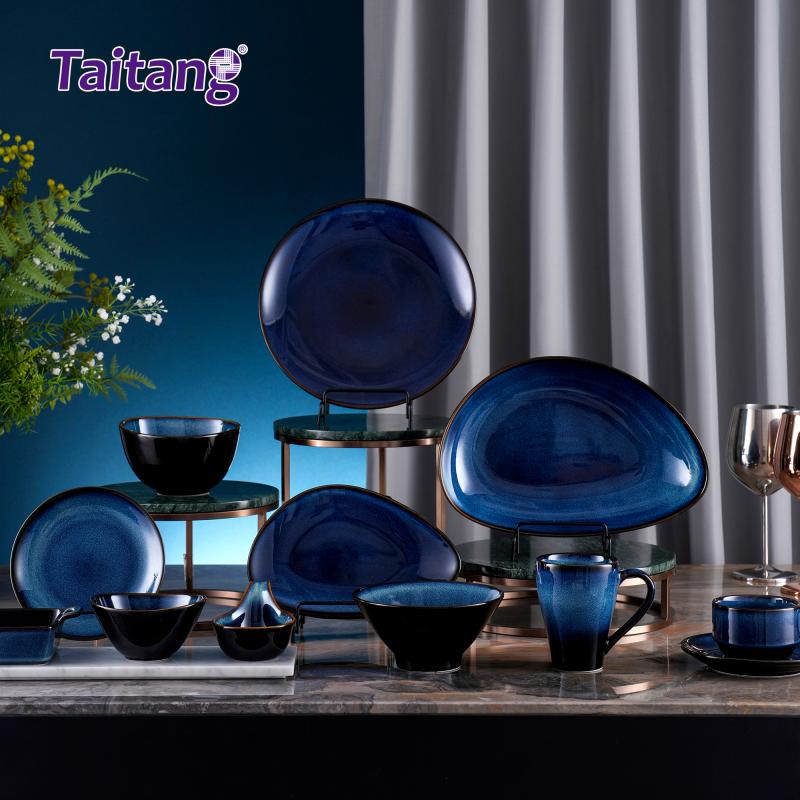
1) Deep Reactive & Multi-Tonal Glaze Series
Rich mineral glazes blend during firing to create deep, captivating depths. For instance, the Cat's Eye Blue Glaze Set offers an oceanic porcelain finish that pairs wonderfully with seafood and contemporary fusion. Similarly, the Emerald Glaze Set provides a luxurious deep green palette, adding dramatic contrast to minimalist plating styles.
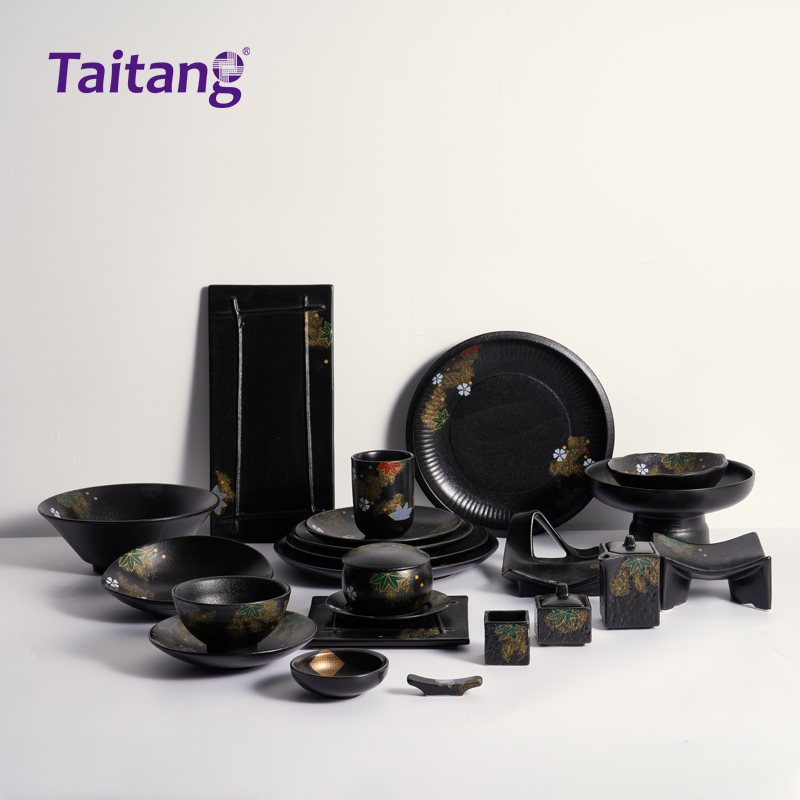
2) Minimalist Matte Black & Japanese-Style Series
For modern, industrial, or Asian-fusion concepts, matte finishes provide a non-reflective backdrop that accentuates the vibrant colors of fresh ingredients. The Matte Black Japanese-Style Collection and the broader Japanese Style Porcelain Dinnerware Collections combine an aesthetic with exceptional structural hardness, absorbing harsh dining room reflections while offering a silky tactile experience.
3)Artistic Patterns & Geometric Collections
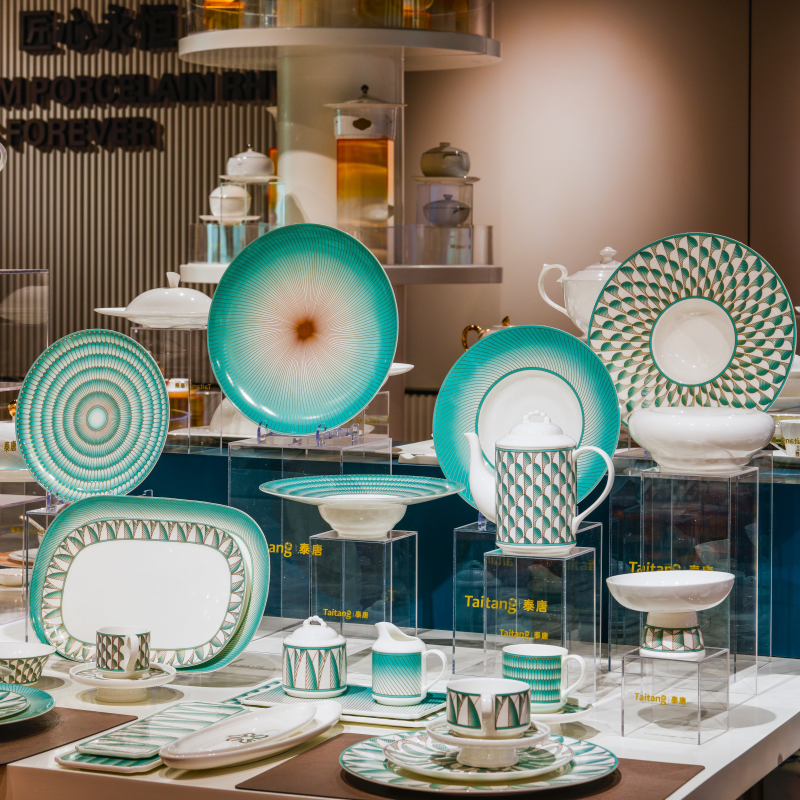
When the tableware itself needs to serve as a centerpiece, intricate patterns fired under or within the glaze provide longevity without fading. The Geometric Pattern Collections, alongside the nature-inspired Sunflower Porcelain Dinnerware and whimsical Fish Pattern Porcelain Dinnerware, offer an elegant way to incorporate cultural or geometric motifs into breakfast buffets or themed dining events.

4) Modern Spiral & Textured Earthy Series
Concentric spirals and tactile ridges guide the eye toward the center of the plate. Lines like the Spiral Porcelain Collection, the rustic Pottery Spiral Glaze Dinnerware Set, and the clean, versatile Greyish-White Spiral Glazed Set blend organic textures with commercial durability, making them a top choice for busy farm-to-table hotel bistros.

4. What to Consider When Purchasing?
1) Thermal Shock Resistance: Commercial tableware must transition from a cold refrigeration unit or plating line to a high-heat salamander oven or a 90°C commercial dishwasher without cracking.
2) Edge-Chipping Resistance: Look for collections featuring reinforced rolled edges. A rolled edge distributes impact energy away from the weakest point of the plate, lowering replacement costs over time.
3) Glaze Hardness & Scratch Resistance: Cutlery scratch marks can quickly ruin a plate's look. High-fire silicate glazes achieve a high rating on the hardness scale, ensuring that stainless steel knives glide smoothly over the surface without leaving gray lines.
4) Stackability & Space Efficiency: Commercial plates must feature precise, uniform foot rings that lock into the rim of the plate underneath. This prevents wobbling, reduces kitchen noise, minimizes glaze scratching during stacking.
5) Implement a 10–15% Annual Breakage Buffer: Even with the most durable dinnerware, commercial kitchens experience natural breakage through high-speed handling, busser accidents, and dishwashing cycles. When ordering initial setups, always purchase an additional 10% to 15% buffer above your seating capacity.
5. How to Judge Quality in Bulk Sourcing
1) The Acoustic Ring Test: Hold a plate by the rim and gently tap it with a coin. High-density, fully vitrified porcelain will emit a clear, high-pitched, long-lasting metallic ring. A dull, short thud indicates internal micro-cracks, poor vitrification, or air pockets, prone to shattering under thermal or physical stress.
2) Visual Defect Scanning: Inspect the surface under direct light. High-quality commercial glazes must be free from pinholes, surface bubbles, pooling, unglazed patches, and black spots. Pinholes or bubbles breach the protective glaze barrier, allowing moisture and bacteria to penetrate the ceramic body, which violates food safety codes.
3) Chemical & Food Safety Compliance: Insist on seeing official laboratory testing certifications. The glaze must be certified lead-free and cadmium-free, ensuring zero chemical leaching when exposed to acidic foods over extended durations.
6. Why Choose Taitang Porcelain Dinnerware?
Taitang designs and manufactures stunning ceramic tableware for the hotels and catering industries. Our production lines combine precise automated molding with artisan glaze formulations, delivering the perfect balance of visual uniqueness and industrial strength. Explore our Ceramic Production Process & Showroom Video Tour!
[Request Your Tailored Volume Pricing]

