
 EN
EN



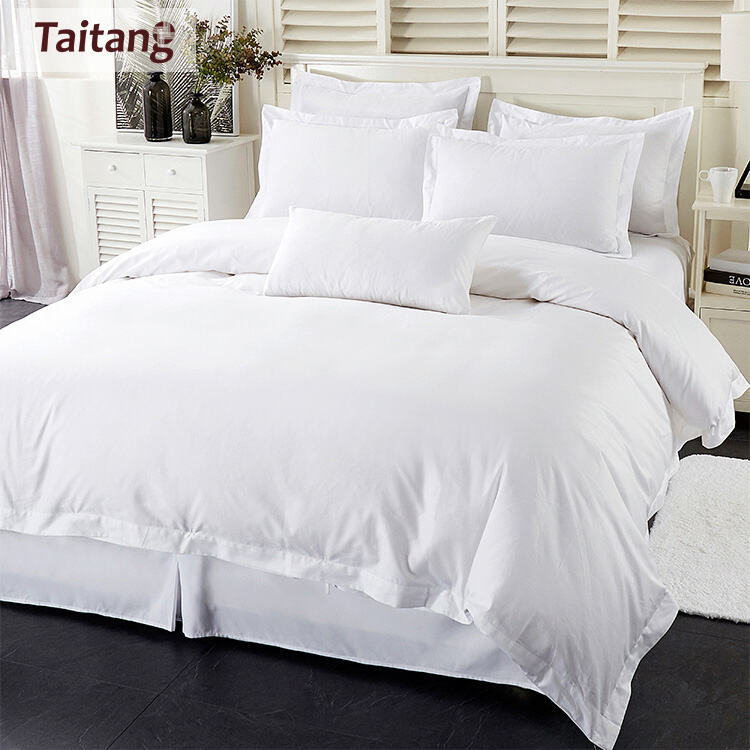
The hospitality industry's success hinges on providing guests with exceptional comfort and memorable experiences, and hotel bedding materials play a pivotal role in achieving this goal. From luxury resorts to boutique hotels, the quality of bedding directly impacts guest satisfaction, online reviews, and repeat bookings. Understanding the importance of premium hotel bedding materials enables hoteliers to make informed decisions that enhance both guest comfort and operational efficiency while maintaining cost-effectiveness over the long term.
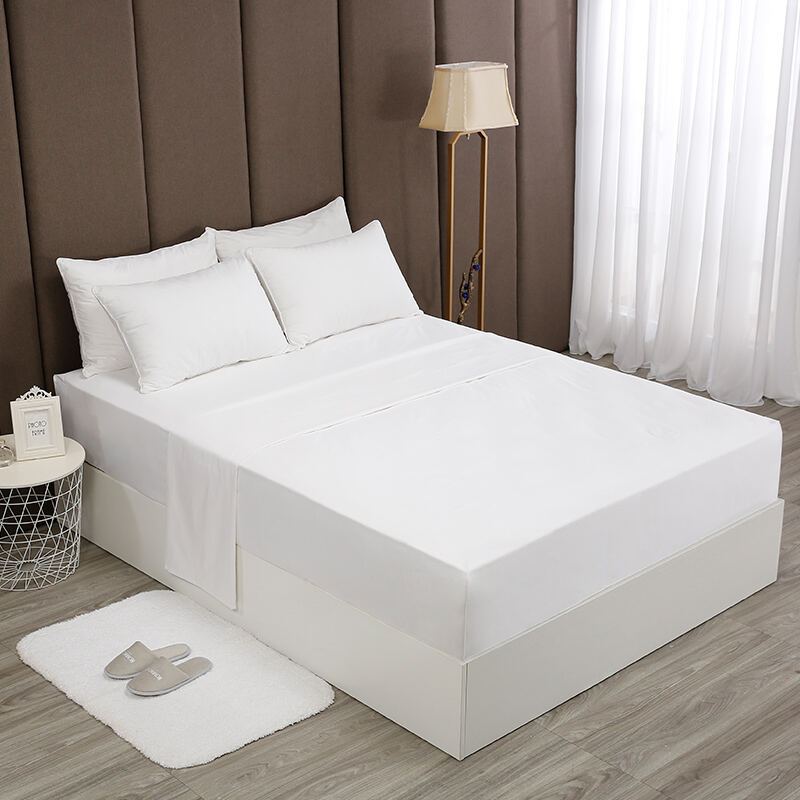
The selection of appropriate hotel bedding materials requires careful consideration of multiple factors including thread count, fabric composition, weave pattern, and manufacturing quality. These elements collectively determine the durability, comfort level, and maintenance requirements of hotel linens. Professional hospitality managers recognize that investing in superior hotel bedding materials translates to reduced replacement costs, improved guest satisfaction scores, and enhanced brand reputation in an increasingly competitive market.
Understanding Cotton Quality in Hotel Bedding Materials
Types of Cotton Used in Premium Hotel Linens
Cotton remains the most popular choice among hotel bedding materials due to its natural breathability, softness, and durability characteristics. Egyptian cotton, known for its extra-long staple fibers, provides exceptional strength and luxurious feel that guests associate with high-end accommodations. Pima cotton offers similar benefits with excellent color retention and reduced pilling, making it ideal for frequent washing cycles typical in hotel operations.
Percale weave cotton creates crisp, hotel-like freshness that many guests prefer, while sateen weave cotton offers a silky smooth surface with subtle sheen. The choice between these cotton varieties in hotel bedding materials depends on the target guest demographic, climate considerations, and budget constraints. Hotels in warmer climates often favor percale cotton for its cooling properties, whereas establishments in cooler regions may opt for sateen cotton's warmth and softness.
Thread Count Considerations for Hotel Applications
Thread count significantly influences the quality and performance of hotel bedding materials, though higher numbers don't always guarantee superior comfort or durability. The optimal thread count for hotel applications typically ranges between 200-400 threads per square inch, balancing comfort, breathability, and maintenance efficiency. Thread counts exceeding 400 may actually reduce breathability and increase drying times, creating operational challenges for hotel housekeeping departments.
Professional hotel bedding materials manufacturers focus on achieving the right balance between thread density and practical performance. A 300-thread count cotton sheet with quality construction often outperforms a 600-thread count alternative made from inferior cotton or poor weaving techniques. Hotel procurement managers should prioritize consistent quality and proven performance over marketing claims about thread count numbers when selecting hotel bedding materials.
Synthetic and Blended Hotel Bedding Materials
Polyester-Cotton Blend Benefits
Polyester-cotton blends represent a practical choice for many hotels seeking durable hotel bedding materials that maintain appearance and comfort through countless wash cycles. These blended fabrics typically combine 50-80% cotton with polyester fibers, creating linens that resist wrinkles, fade less over time, and dry more quickly than pure cotton alternatives. The synthetic component adds strength and dimensional stability while the cotton provides breathability and natural comfort.
Modern hotel bedding materials featuring polyester-cotton blends have evolved significantly, with advanced manufacturing techniques producing fabrics that closely mimic the feel of pure cotton while offering superior durability. Hotels with high occupancy rates and frequent linen changes often find that blended hotel bedding materials provide the best return on investment through extended service life and reduced replacement costs.
Microfiber Options for Budget-Conscious Properties
Microfiber hotel bedding materials offer an economical solution for budget hotels and extended-stay properties without compromising guest comfort significantly. These ultra-fine synthetic fibers create soft, lightweight fabrics that resist stains, dry quickly, and maintain their appearance through extensive use. Quality microfiber hotel bedding materials can provide adequate comfort levels while offering substantial cost savings compared to premium cotton alternatives.
The key to successful microfiber implementation lies in selecting hotel bedding materials from reputable manufacturers who use advanced spinning techniques to create fibers fine enough to feel soft against the skin. While microfiber may not match the luxury appeal of high-end cotton, it serves as an effective solution for properties where durability and cost-efficiency take precedence over premium positioning.
Impact of Hotel Bedding Materials on Guest Experience
Comfort and Sleep Quality Factors
The quality of hotel bedding materials directly correlates with guest sleep quality and overall satisfaction levels. Premium fabrics regulate body temperature more effectively, wick moisture away from the skin, and provide the tactile comfort that guests expect from professional hospitality experiences. Research indicates that guests form lasting impressions about hotel quality within the first few minutes of contact with bedding materials, making this investment crucial for brand perception.
Texture, breathability, and temperature regulation properties of hotel bedding materials significantly influence sleep comfort and guest satisfaction scores. Natural fibers excel at moisture management and temperature control, while properly constructed synthetic alternatives can provide adequate performance at lower price points. Hotels must balance guest expectations with operational realities when selecting bedding materials that support their service standards and brand positioning.
Aesthetic Appeal and Brand Image
Visual appearance and tactile quality of hotel bedding materials contribute significantly to the overall guest experience and brand perception. Crisp, white linens convey cleanliness and luxury, while the feel and drape of quality fabrics create an immediate impression of sophistication and attention to detail. Premium hotel bedding materials maintain their appearance longer, resisting fading, pilling, and degradation that can negatively impact guest perceptions.
Color retention and fabric stability become critical factors for hotel bedding materials subjected to commercial laundering processes using industrial detergents and high temperatures. Hotels investing in superior quality fabrics often find that their linens maintain professional appearance standards longer, reducing replacement frequency and supporting consistent brand image across all guest rooms.
Durability and Maintenance Considerations
Washing and Care Requirements
Commercial laundry operations place enormous stress on hotel bedding materials through high-temperature washing, industrial detergents, and frequent handling. Fabrics must withstand these conditions while maintaining comfort, appearance, and structural integrity over hundreds of wash cycles. Quality hotel bedding materials feature reinforced construction and fiber treatments that resist degradation from commercial laundering processes.
Proper care protocols extend the service life of hotel bedding materials significantly, with temperature control, appropriate detergent selection, and correct drying procedures all playing crucial roles. Hotels implementing best practices for linen care often achieve 300-500 wash cycles from quality hotel bedding materials, while inferior products may require replacement after 100-200 cycles, making initial investment in premium materials economically justifiable.
Replacement Cycles and Cost Efficiency
Understanding the relationship between initial cost and service life helps hotels optimize their investment in hotel bedding materials. While premium fabrics require higher upfront costs, their extended durability often results in lower total cost of ownership compared to budget alternatives requiring frequent replacement. Effective inventory management and rotation systems maximize the service life of hotel bedding materials while maintaining consistent quality standards.
Hotels tracking replacement cycles for different types of hotel bedding materials can make data-driven decisions about future purchases, identifying products that offer the best balance of performance, durability, and cost-effectiveness. This analytical approach to linen management helps properties optimize their bedding investment while maintaining the quality standards expected by guests.
Selection Criteria for Hotel Bedding Materials
Matching Materials to Property Type
Different hotel categories require distinct approaches to selecting hotel bedding materials based on guest expectations, occupancy patterns, and budget constraints. Luxury hotels typically invest in premium cotton or linen fabrics that provide exceptional comfort and reinforce their high-end positioning, while mid-scale properties often choose quality cotton blends that balance performance with cost-effectiveness.
Extended-stay hotels face unique challenges requiring hotel bedding materials that can withstand frequent washing while maintaining guest comfort over longer stays. Business hotels may prioritize wrinkle-resistant fabrics that maintain professional appearance with minimal care, while resort properties might emphasize luxury feel and premium aesthetics that enhance the vacation experience.
Climate and Environmental Factors
Geographic location and local climate conditions significantly influence the optimal choice of hotel bedding materials for guest comfort and operational efficiency. Properties in humid environments benefit from moisture-wicking fabrics that help regulate temperature and prevent discomfort, while hotels in arid climates may prioritize softer, more hydrating fabric options.
Energy efficiency considerations also impact hotel bedding materials selection, as fabrics that dry quickly reduce energy consumption in commercial laundry operations. Hotels committed to sustainability often choose organic cotton or recycled fiber hotel bedding materials that support environmental goals while maintaining quality standards expected by guests.
Future Trends in Hotel Bedding Materials
Sustainable and Eco-Friendly Options
Environmental consciousness drives increasing demand for sustainable hotel bedding materials made from organic cotton, bamboo fiber, or recycled materials. These eco-friendly alternatives offer comparable comfort and durability while supporting hotels' sustainability initiatives and appealing to environmentally aware guests. Organic cotton hotel bedding materials eliminate chemical treatments and pesticides, creating healthier sleep environments while reducing environmental impact.
Bamboo-derived hotel bedding materials provide natural antimicrobial properties, exceptional softness, and moisture-wicking capabilities that appeal to health-conscious travelers. While currently more expensive than traditional options, sustainable hotel bedding materials are becoming increasingly cost-competitive as production scales increase and consumer demand grows.
Technology Integration and Smart Fabrics
Advanced textile technologies are beginning to influence hotel bedding materials through innovations like temperature-regulating fibers, antimicrobial treatments, and moisture management systems. These smart fabrics adapt to individual guest needs and environmental conditions, potentially revolutionizing comfort standards in hospitality applications.
Phase-change materials incorporated into hotel bedding materials can actively regulate temperature by absorbing and releasing heat as needed, while advanced fiber treatments provide long-lasting antimicrobial protection that supports hygiene standards. Though currently limited to luxury applications, these technologies will likely become more accessible as costs decrease and benefits become proven in commercial hospitality settings.
FAQ
What thread count is best for hotel bedding materials
The optimal thread count for hotel bedding materials typically ranges from 200-400 threads per square inch. This range provides the best balance of comfort, durability, and practicality for commercial use. Higher thread counts may reduce breathability and increase drying times, while lower counts may compromise guest comfort and fabric longevity.
How often should hotels replace their bedding materials
Quality hotel bedding materials should be replaced after 300-500 wash cycles, which typically translates to 12-24 months depending on occupancy rates and care practices. Hotels should monitor fabric condition regularly and establish replacement schedules based on actual performance rather than arbitrary time periods to optimize cost efficiency and maintain quality standards.
Are cotton blends better than pure cotton for hotel use
Cotton blends often perform better than pure cotton in hotel applications due to improved durability, wrinkle resistance, and faster drying times. While pure cotton may feel more luxurious, quality polyester-cotton blends provide excellent comfort while better withstanding the rigors of commercial laundering and frequent use typical in hotel operations.
What makes hotel bedding materials antimicrobial
Antimicrobial properties in hotel bedding materials come from special fiber treatments, natural materials like bamboo, or incorporated silver ions that inhibit bacterial growth. These treatments help maintain hygiene standards between washes and provide additional protection for guests, though regular washing and proper care remain the primary methods for ensuring cleanliness in hotel environments.