
 EN
EN



Selecting the right hotel towels is a critical decision that directly impacts guest satisfaction and operational efficiency. Quality hotel towels must strike the perfect balance between luxurious softness that guests expect and long-lasting durability that withstands countless wash cycles. Hotel managers and procurement professionals face the challenge of finding towels that maintain their plush feel while surviving the rigorous demands of commercial laundry operations. The investment in premium hotel towels pays dividends through enhanced guest experiences, reduced replacement costs, and improved brand reputation.
Understanding Cotton Quality in Hotel Towels
Egyptian Cotton versus Turkish Cotton
Egyptian cotton represents the gold standard for luxury hotel towels due to its exceptionally long fibers that create superior softness and durability. These extended staple fibers produce towels with remarkable absorbency and a silky texture that guests associate with premium hospitality experiences. Turkish cotton offers an excellent alternative, featuring medium to long staple fibers that provide outstanding absorbency and quick-drying properties. The choice between these premium cotton types often depends on budget considerations and specific performance requirements for different hotel categories.
The manufacturing process significantly influences the final quality of hotel towels regardless of cotton origin. Ring-spun cotton creates stronger, softer yarns compared to open-end spinning methods, resulting in towels that maintain their integrity through repeated commercial washing. Combed cotton further enhances quality by removing shorter fibers and impurities, producing smoother, more durable hotel towels that resist pilling and maintain their appearance longer.
GSM Weight Considerations
Grams per square meter (GSM) serves as a crucial indicator of towel density and performance characteristics. Hotel towels typically range from 400 to 700 GSM, with each weight category serving different purposes and guest expectations. Lower GSM towels around 400-500 provide quick-drying properties and cost-effectiveness, making them suitable for fitness centers or pool areas where frequent turnover is essential.
Premium hotel towels often feature 500-600 GSM construction, delivering the optimal balance of absorbency, softness, and durability that luxury guests expect. These mid-weight towels offer substantial feel without becoming unwieldy or slow to dry. Ultra-luxury establishments may opt for 600-700 GSM hotel towels that provide maximum plushness and absorbency, though they require longer drying times and higher laundry costs.
Weave Patterns and Construction Methods
Terry Cloth Construction
Traditional terry cloth remains the most popular construction method for hotel towels due to its proven performance and guest familiarity. The looped pile structure creates maximum surface area for water absorption while providing the soft, cushioned feel that guests expect from quality accommodations. Single-sided terry offers cost-effectiveness and faster drying, while double-sided terry provides enhanced absorbency and luxury feel preferred in upscale properties.
The loop height and density significantly impact towel performance and longevity. Shorter, denser loops create more durable hotel towels that resist snagging and maintain their appearance through extensive use. Longer loops increase absorbency but may be more susceptible to pulling and wear in high-volume laundry operations. Understanding these trade-offs helps hotel managers select the appropriate terry construction for their specific operational needs.
Alternative Weave Options
Waffle weave hotel towels offer unique benefits for properties seeking distinctive textures and enhanced drying efficiency. The honeycomb pattern creates air pockets that promote faster drying while providing adequate absorbency for most guest needs. These towels often appeal to environmentally conscious properties due to reduced energy consumption during laundry operations.
Bamboo fiber blends represent an emerging option for eco-friendly hotel towels that combine natural antimicrobial properties with surprising softness. While pure bamboo towels may lack the durability of cotton alternatives, bamboo-cotton blends can provide enhanced hygiene benefits and sustainable credentials that appeal to environmentally aware guests. The rapid growth and renewability of bamboo make these hotel towels attractive for properties emphasizing sustainability.
Durability Factors and Longevity Testing
Commercial Laundry Resistance
Hotel towels must withstand the harsh conditions of commercial laundry operations, including high temperatures, powerful detergents, and frequent washing cycles. Quality towels maintain their integrity through hundreds of wash cycles without significant deterioration in appearance or performance. Testing protocols evaluate colorfastness, shrinkage resistance, and fiber retention to ensure long-term durability in demanding hospitality environments.
Pre-shrunk hotel towels eliminate dimensional changes that can affect inventory management and guest satisfaction. Double-stitched hems and reinforced edges prevent fraying and extend towel lifespan despite aggressive washing conditions. The initial investment in durable construction pays dividends through reduced replacement frequency and consistent guest experiences throughout the towel lifecycle.
Performance Under High-Volume Use
High-occupancy properties require hotel towels that maintain their performance characteristics despite intensive daily use. Pilling resistance becomes critical in preventing the formation of fiber balls that create an unsightly appearance and rough texture. Quality towels utilize appropriate fiber treatments and construction techniques to minimize pilling while preserving softness and absorbency.
Absorbency retention represents another crucial durability factor, as hotel towels must continue performing their primary function throughout their service life. Towels that lose absorbency quickly frustrate guests and require premature replacement, increasing operational costs. Testing protocols simulate extended use patterns to predict long-term performance and help procurement teams make informed decisions.
Softness Optimization Techniques
Fiber Treatment and Finishing
Modern textile finishing techniques enhance the natural softness of hotel towels while maintaining durability characteristics. Enzyme treatments break down harsh fibers and create smoother surfaces that feel luxurious against the skin. These bio-based processes provide environmentally friendly alternatives to harsh chemical treatments while achieving superior softness results.
Silicone-based softening treatments create long-lasting softness that survives multiple wash cycles. Unlike traditional fabric softeners that can reduce absorbency, these specialized treatments maintain the towel's primary function while enhancing guest comfort. The key lies in selecting appropriate treatment levels that optimize softness without compromising the towel's essential performance characteristics.
Optimal Fabric Softener Management
Proper fabric softener usage in commercial laundry operations significantly impacts the long-term softness and performance of hotel towels. Excessive softener applications can create residue buildup that reduces absorbency and attracts soil, shortening towel lifespan. Conversely, insufficient softening leaves towels feeling harsh and unwelcoming to guests.
Alternative softening approaches include oxygen-based brighteners and specialized towel conditioners designed specifically for hospitality applications. These products maintain the delicate balance between softness and functionality while extending the service life of hotel towels. Regular monitoring and adjustment of softening protocols ensure consistent results across different towel types and washing conditions.
Color and Design Considerations
White versus Colored Hotel Towels
White hotel towels remain the industry standard due to their association with cleanliness, luxury, and professional appearance. White towels allow for aggressive bleaching treatments that eliminate stains and maintain hygiene standards expected in hospitality environments. The psychological impact of crisp white towels contributes significantly to guest perceptions of cleanliness and quality.
Colored hotel towels offer branding opportunities and can hide minor stains better than white alternatives. However, colored towels require more careful laundry management to prevent fading and may limit cleaning options available to housekeeping staff. The choice between white and colored towels often reflects the property's brand positioning and operational priorities.
Design Elements and Branding
Subtle design elements can enhance the luxury appeal of hotel towels without compromising functionality. Dobby borders, textured patterns, and decorative weaves add visual interest while maintaining the towel's primary performance characteristics. These design features should complement the overall property aesthetic without creating cleaning or durability challenges.
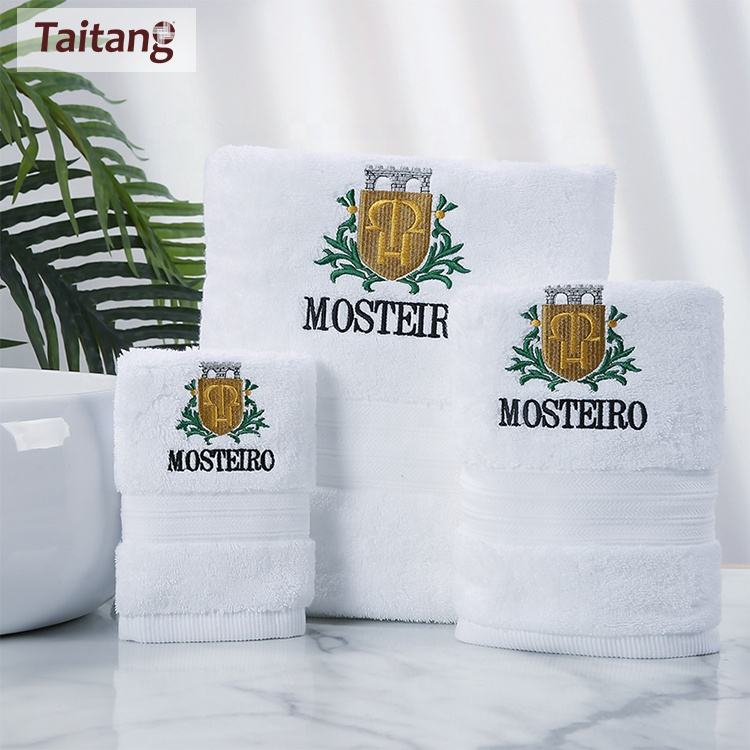
Embroidered logos and monograms provide branding opportunities but require careful consideration of placement and thread quality. Poor-quality embroidery can create rough spots that irritate guest skin or become damaged during laundering. High-quality embroidery using appropriate threads and techniques can enhance brand recognition while maintaining guest comfort.
Procurement Strategies and Vendor Selection
Bulk Purchasing Considerations
Strategic bulk purchasing of hotel towels can achieve significant cost savings while ensuring consistent inventory levels. Large orders often qualify for volume discounts and allow properties to secure favorable pricing on premium products. However, bulk purchases require adequate storage space and careful inventory management to prevent deterioration before use.
Seasonal demand fluctuations and renovation schedules should influence bulk purchasing timing and quantities. Properties can leverage industry trade shows and supplier negotiations to secure optimal pricing on quality hotel towels. Long-term supplier relationships often provide additional benefits including priority allocation during shortages and access to new product innovations.
Quality Assurance and Testing Protocols
Implementing rigorous quality assurance protocols ensures consistent towel performance across all supplier relationships. Sample testing before large purchases helps identify potential issues and verify that products meet specifications. Testing should evaluate absorbency, durability, colorfastness, and dimensional stability under simulated use conditions.
Vendor certification programs and quality standards provide additional assurance of consistent hotel towel quality. Suppliers with ISO certifications and established quality management systems typically deliver more reliable products and better customer support. Regular supplier audits and performance reviews help maintain quality standards and identify opportunities for improvement.
Maintenance and Care Best Practices
Washing Temperature and Chemical Selection
Optimal washing temperatures for hotel towels balance sanitation requirements with fiber preservation. Hot water washing at 160-180°F effectively eliminates bacteria and viruses while maintaining towel integrity when combined with appropriate detergent systems. Cooler washing temperatures may preserve fiber quality but require enhanced chemical programs to achieve adequate sanitization.
Chemical selection significantly impacts towel longevity and performance characteristics. Oxygen-based bleaching systems provide effective stain removal and sanitization while being gentler on fibers than chlorine alternatives. Specialized detergent formulations designed for hospitality applications optimize cleaning performance while preserving the softness and absorbency of hotel towels.
Drying and Storage Protocols
Proper drying techniques preserve towel quality and prevent damage from excessive heat exposure. Over-drying can make hotel towels feel harsh and reduce their lifespan, while under-drying creates moisture retention that promotes bacterial growth. Optimal drying temperatures and moisture removal timing ensure towels maintain their soft feel while achieving complete sanitization.
Storage conditions significantly impact towel quality between use cycles. Clean, dry storage areas prevent contamination and maintain the fresh appearance guests expect. Proper folding techniques minimize creasing and ensure efficient housekeeping operations. Temperature and humidity control in storage areas help preserve towel quality and prevent musty odors that can affect guest satisfaction.
FAQ
What GSM weight is ideal for luxury hotel towels
Luxury hotel towels typically feature 500-600 GSM construction, which provides the optimal balance of plushness, absorbency, and drying efficiency. This weight range offers substantial feel and performance while remaining manageable for housekeeping operations. Ultra-luxury properties may choose 600-700 GSM towels for maximum indulgence, though these require longer drying times and higher operational costs.
How often should hotel towels be replaced
Quality hotel towels should last 2-3 years under normal commercial use conditions, equating to approximately 300-500 wash cycles. Replacement timing depends on factors including washing frequency, chemical usage, and guest volume. Visual inspection for worn areas, reduced absorbency, and overall appearance degradation helps determine optimal replacement schedules that maintain guest satisfaction while maximizing investment returns.
Can bamboo towels compete with cotton for hotel use
Pure bamboo towels generally lack the durability required for intensive hotel use, but bamboo-cotton blends offer promising alternatives. These hybrid towels provide natural antimicrobial properties and environmental benefits while maintaining adequate durability for hospitality applications. The sustainability credentials and unique texture of bamboo blends appeal to eco-conscious guests and properties emphasizing environmental responsibility.
How do pre-shrunk towels benefit hotel operations
Pre-shrunk hotel towels eliminate dimensional changes during initial washing cycles, ensuring consistent sizing throughout the towel's service life. This stability simplifies inventory management, prevents guest dissatisfaction from undersized towels, and ensures proper fit in towel warmers and storage systems. The initial investment in pre-shrunk towels reduces operational complications and maintains consistent guest experiences.