
 EN
EN



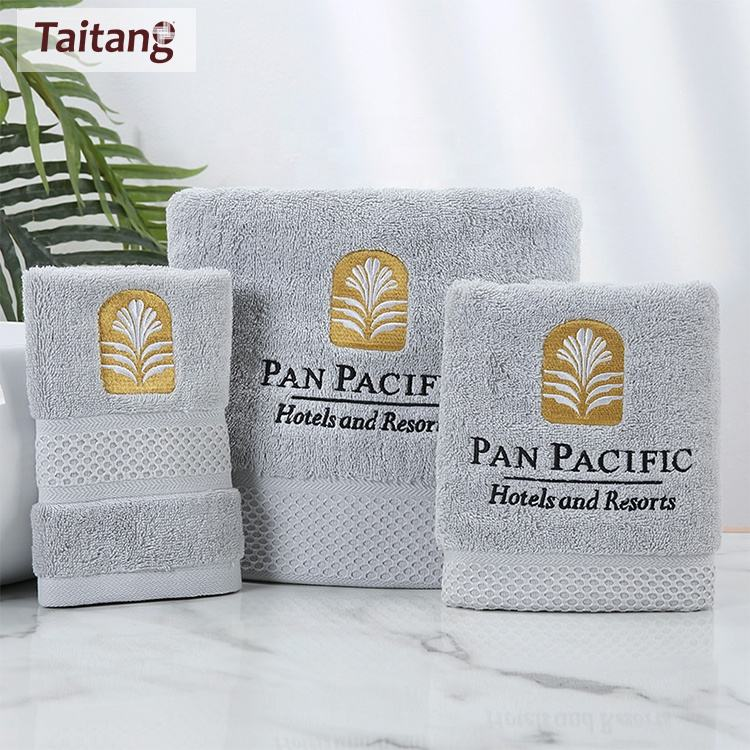
Maintaining the quality and longevity of hotel towels requires a comprehensive understanding of proper care techniques and industry best practices. Hotel towels endure constant use and frequent washing cycles, making their maintenance crucial for guest satisfaction and operational efficiency. The investment in high-quality hotel towels demands equally meticulous care procedures to preserve their softness, absorbency, and professional appearance throughout their service life.
Professional housekeeping teams understand that hotel towels represent more than mere bathroom accessories; they serve as tangible indicators of establishment quality and guest care standards. The texture, cleanliness, and overall condition of these essential amenities directly influence guest perceptions and review ratings. Implementing systematic care protocols ensures that hotel towels maintain their luxurious feel while meeting stringent hygiene requirements expected in the hospitality industry.
The financial implications of proper hotel towel maintenance extend beyond immediate operational costs. Well-maintained hotel towels experience extended replacement cycles, reducing procurement expenses and inventory management complexities. Additionally, consistent quality standards contribute to positive guest experiences, potentially influencing repeat bookings and recommendation rates that drive long-term revenue growth.
Essential Washing Protocols for Hotel Towels
Water Temperature and Chemical Balance
Optimal water temperature plays a critical role in maintaining the integrity of hotel towels while achieving thorough sanitization. Professional laundry operations typically utilize water temperatures between 140-160°F for effective pathogen elimination without compromising fiber structure. The careful balance between cleanliness requirements and fabric preservation requires precise temperature control throughout the washing cycle.
Chemical selection and dosing represent equally important factors in hotel towel care. Alkaline detergents effectively remove oils and protein-based stains commonly found on hotel towels, while chlorine bleach provides necessary disinfection properties. However, excessive chemical concentrations can weaken cotton fibers and accelerate deterioration, necessitating careful measurement and professional-grade dispensing systems.
The pH levels of wash water significantly impact the cleaning effectiveness and longevity of hotel towels. Maintaining slightly alkaline conditions between 9.5-10.5 pH optimizes soil removal while preventing excessive fiber swelling that can compromise towel texture. Regular water testing and chemical adjustments ensure consistent results across multiple wash cycles.
Load Capacity and Sorting Procedures
Proper load capacity management prevents mechanical damage to hotel towels during the washing process. Overloading washing machines restricts water circulation and chemical distribution, resulting in uneven cleaning and increased fiber wear. Professional laundry operations typically load washers to 80-85% capacity to ensure adequate agitation space and optimal cleaning performance.
Systematic sorting procedures protect hotel towels from color bleeding and contamination issues. Separating towels by color, soil level, and previous use ensures appropriate treatment protocols and prevents cross-contamination between clean and heavily soiled items. White hotel towels require separate processing to maintain their pristine appearance and enable bleach usage for maximum sanitization.
Size-based sorting considerations optimize washing efficiency and prevent damage from dissimilar items. Processing hotel towels separately from smaller linens ensures even water distribution and prevents tangling that can stress fabric fibers. This methodical approach extends towel lifespan while maintaining consistent cleaning standards across all items.
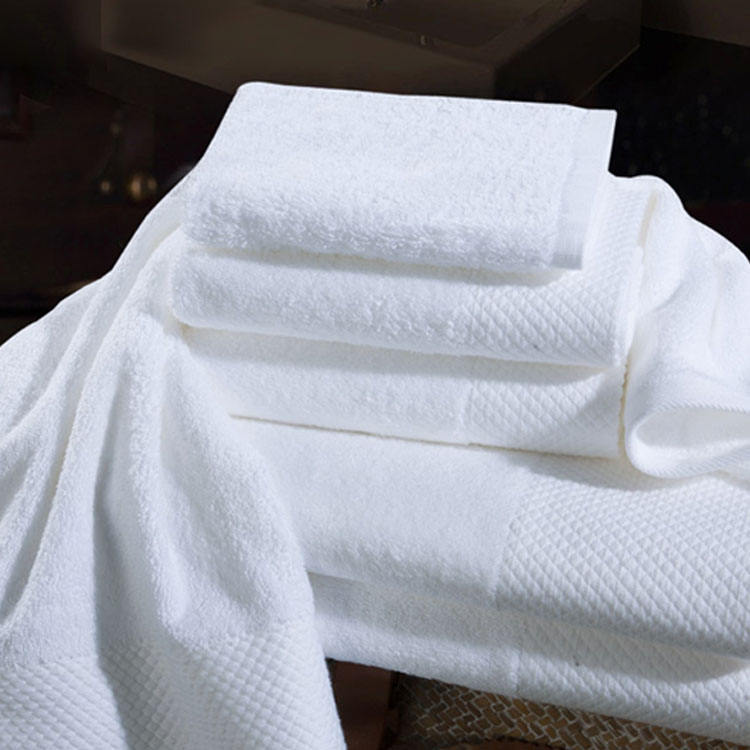
Drying Techniques for Maximum Softness
Heat Management and Timing
Controlled heat application during the drying process preserves the natural softness of hotel towels while achieving complete moisture removal. Professional dryers typically operate at temperatures between 160-180°F, providing sufficient heat for efficient drying without causing fiber brittleness or shrinkage. Temperature monitoring systems ensure consistent heat levels throughout the drying cycle.
Timing precision prevents over-drying that can make hotel towels rough and reduce their absorbency capacity. Moisture sensors and programmable controls enable automatic cycle termination when towels reach optimal dryness levels. This technology-driven approach eliminates guesswork and ensures consistent results across different load sizes and fabric weights.
Gradual cooling periods allow hotel towels to stabilize at room temperature, preventing thermal shock that can affect fiber elasticity. Professional drying protocols incorporate cool-down cycles that maintain dryer efficiency while protecting towel quality. This attention to temperature transitions contributes to the overall longevity and performance of hotel towels.
Fabric Softener Applications
Strategic fabric softener usage enhances the tactile experience of hotel towels while maintaining their functional properties. Commercial-grade softeners designed for hospitality applications provide superior results compared to consumer products. These specialized formulations coat cotton fibers without compromising absorbency or creating residue buildup that can affect towel performance.
Proper dosing protocols ensure optimal softness without negative side effects commonly associated with fabric softener overuse. Professional laundry operations utilize automated dispensing systems that deliver precise amounts based on load size and fabric type. This systematic approach prevents the waxy buildup that can reduce the absorbency of hotel towels over time.
Alternative softening methods provide environmentally conscious options for maintaining hotel towel quality. White vinegar additions during the rinse cycle naturally soften fibers while removing detergent residues that can cause stiffness. These natural approaches appeal to eco-friendly establishments while delivering comparable softness results.
Hygiene Standards and Sanitization Methods
Pathogen Elimination Protocols
Comprehensive sanitization procedures ensure that hotel towels meet health department requirements and guest safety expectations. High-temperature washing combined with appropriate bleach concentrations eliminates bacteria, viruses, and fungi that may be present on used towels. Professional protocols typically require minimum contact times and specific chemical concentrations to achieve verified pathogen destruction.
Ozone treatment systems provide advanced sanitization capabilities for hotel towels while reducing chemical dependency. These systems generate ozone gas that penetrates fabric fibers, destroying microorganisms through oxidation processes. Ozone treatment offers environmental benefits while maintaining the sanitization standards required in hospitality environments.
Steam finishing processes provide additional sanitization benefits while improving the appearance of hotel towels. High-temperature steam penetrates fabric structures, eliminating remaining pathogens while reducing wrinkles and restoring towel fluffiness. This dual-purpose treatment enhances both hygiene compliance and aesthetic presentation.
Quality Control and Testing Procedures
Regular microbiological testing validates the effectiveness of sanitization protocols applied to hotel towels. Professional laundry operations implement sampling procedures that verify pathogen elimination across different wash cycles and processing conditions. These quality control measures ensure consistent hygiene standards and regulatory compliance.
Visual inspection protocols identify potential contamination sources and processing deficiencies that could compromise hotel towel hygiene. Trained staff examine towels for staining, odors, and texture changes that may indicate inadequate cleaning or sanitization. Systematic inspection procedures prevent substandard items from reaching guest rooms.
Documentation systems track the processing history of hotel towels, enabling traceability and quality assurance verification. Professional operations maintain records of wash temperatures, chemical dosing, and cycle times to support hygiene compliance audits. This comprehensive documentation supports continuous improvement initiatives and regulatory reporting requirements.
Storage and Handling Best Practices
Environmental Controls
Proper storage environments protect clean hotel towels from contamination and moisture absorption that can compromise their quality. Climate-controlled storage areas maintain optimal temperature and humidity levels, preventing mold growth and fabric deterioration. Professional storage facilities typically maintain temperatures between 65-75°F with relative humidity below 60% to preserve towel integrity.
Air circulation systems prevent stagnant conditions that can promote bacterial growth on stored hotel towels. Ventilation equipment ensures continuous airflow throughout storage areas, maintaining fresh environments that support towel quality preservation. Proper air movement also prevents moisture accumulation that could necessitate rewashing before use.
Light protection measures prevent UV degradation of hotel towels during extended storage periods. Professional storage facilities utilize controlled lighting systems and protective covers to minimize exposure to harmful wavelengths. This attention to environmental factors ensures that hotel towels maintain their original color and fiber strength throughout their service life.
Inventory Management Systems
Systematic rotation procedures ensure that hotel towels receive equal usage and prevent extended storage that can affect quality. First-in, first-out inventory management prevents older towels from deteriorating in storage while newer items remain in circulation. Professional operations implement tracking systems that monitor towel age and usage cycles.
Segregation protocols maintain clear boundaries between clean and soiled hotel towels throughout handling processes. Color-coded containers and designated pathways prevent cross-contamination that could compromise hygiene standards. Staff training emphasizes proper handling techniques that preserve cleanliness from laundry completion through guest room placement.
Transportation procedures protect clean hotel towels during movement between processing and storage areas. Covered carts and sealed containers shield towels from airborne contaminants and moisture exposure. Professional handling protocols minimize physical contact and maintain towel presentation quality throughout distribution processes.
Extending Hotel Towel Lifespan
Preventive Maintenance Strategies
Regular assessment programs identify early signs of wear that could affect hotel towel performance and guest satisfaction. Professional housekeeping teams conduct systematic inspections to detect fraying edges, thinning areas, and color fading before these issues become noticeable to guests. Early intervention through repair or replacement maintains consistent quality standards.
Stain treatment protocols address specific soil types commonly encountered with hotel towels, preventing permanent damage that necessitates premature replacement. Professional cleaning techniques target makeup, hair products, and body oils using specialized chemicals and procedures. Immediate treatment of fresh stains significantly improves removal success rates and preserves towel appearance.
Usage tracking systems monitor individual towel performance and identify patterns that indicate optimal replacement timing. Professional operations maintain detailed records of wash cycles, repair history, and quality assessments for each towel. This data-driven approach enables informed replacement decisions that balance cost control with quality maintenance.
Investment Protection Measures
Equipment calibration ensures that washing and drying machinery operates within specifications that protect hotel towels from unnecessary wear. Regular maintenance of professional laundry equipment prevents mechanical issues that could damage towels or compromise cleaning effectiveness. Properly maintained equipment extends both machinery and towel lifespan while ensuring consistent results.
Staff training programs educate personnel on proper handling techniques that minimize physical damage to hotel towels. Comprehensive training covers folding methods, transportation procedures, and storage practices that preserve towel quality. Well-trained staff contribute significantly to towel longevity through careful handling throughout all processing stages.
Chemical optimization reduces harsh treatments that can accelerate hotel towel deterioration while maintaining required cleanliness standards. Professional consultation services help establishments balance cleaning effectiveness with fabric preservation through customized chemical programs. This optimization extends towel lifespan while ensuring guest satisfaction and regulatory compliance.
FAQ
How often should hotel towels be replaced
Hotel towels typically require replacement every 18-24 months under normal usage conditions, depending on quality grade and care protocols. High-traffic establishments may need more frequent replacement, while proper maintenance can extend towel lifespan significantly. Professional assessment of towel condition should guide replacement decisions rather than arbitrary timelines.
What washing temperature kills bacteria effectively
Washing hotel towels at temperatures between 140-160°F effectively eliminates most bacteria and viruses while preserving fiber integrity. Higher temperatures may provide additional sanitization but can accelerate fabric deterioration. Professional laundry operations balance sanitization requirements with towel longevity through precise temperature control.
Can fabric softener reduce towel absorbency
Excessive fabric softener usage can coat cotton fibers and reduce the absorbency of hotel towels over time. Professional-grade products designed for commercial applications minimize this effect when used according to manufacturer specifications. Proper dosing and periodic deep cleaning maintain optimal absorbency while preserving softness.
What causes hotel towels to become rough after washing
Hotel towels become rough due to over-drying, excessive heat, mineral buildup from hard water, or inadequate rinsing that leaves detergent residues. Professional care protocols address these factors through controlled drying temperatures, water treatment systems, and proper chemical balance. Regular maintenance prevents roughness and maintains guest satisfaction.