
 EN
EN



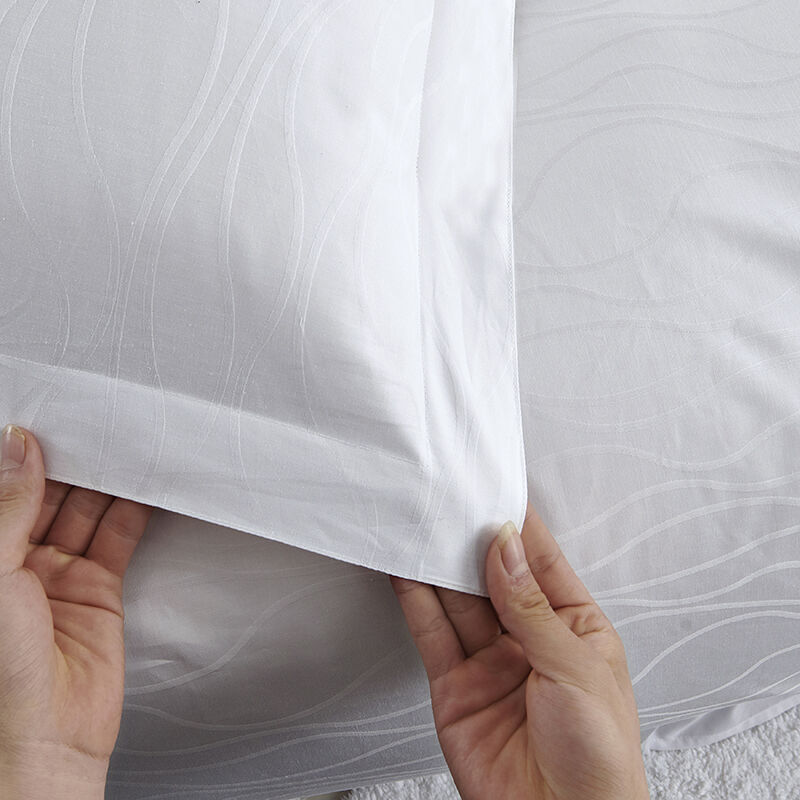
Selecting the right hotel bedding is one of the most critical decisions hospitality managers make when it comes to guest satisfaction and repeat bookings. Quality hotel bedding directly impacts sleep quality, guest comfort, and overall property reputation. With countless options available in the commercial hospitality market, understanding the key factors that distinguish premium hotel bedding from basic alternatives becomes essential for successful hotel operations.
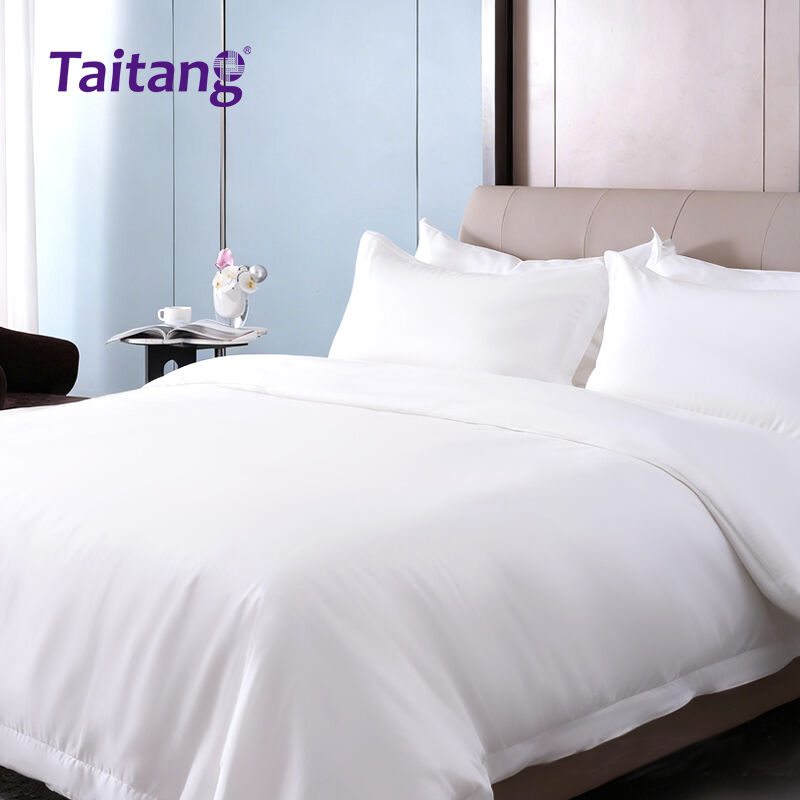
The hospitality industry has evolved significantly, with modern travelers expecting hotel-grade comfort that rivals or exceeds their home sleeping experience. Professional hotel bedding must withstand frequent washing cycles, maintain its appearance after hundreds of uses, and provide consistent comfort across all guest rooms. Investment in superior hotel bedding yields measurable returns through improved guest reviews, increased occupancy rates, and reduced replacement costs over time.
Understanding Hotel Bedding Materials and Construction
Cotton Fiber Quality in Professional Hotel Bedding
Premium hotel bedding typically features 100% combed cotton construction, which undergoes specialized processing to remove shorter fibers and align longer strands for enhanced durability. Combed cotton hotel bedding offers superior softness, breathability, and longevity compared to regular cotton alternatives. The combing process creates smoother yarn surfaces that resist pilling and maintain their luxurious feel even after extensive commercial laundering cycles.
Thread count considerations for hotel bedding differ significantly from residential applications due to the demanding commercial environment. Professional-grade hotel bedding generally features thread counts between 200-400, optimizing the balance between durability, comfort, and cost-effectiveness. Higher thread counts in hotel bedding can actually reduce durability in commercial settings, as denser weaves trap moisture and detergent residues during frequent washing processes.
Weave Patterns That Define Quality Hotel Bedding
Percale weave represents the gold standard for luxury hotel bedding, offering crisp hand-feel, excellent breathability, and professional appearance. This plain weave construction in hotel bedding creates optimal air circulation, preventing heat retention that could disturb guest sleep. Percale hotel bedding maintains its structured appearance and resists wrinkles better than sateen alternatives, reducing housekeeping labor costs.
Sateen weave hotel bedding provides an alternative aesthetic with enhanced luster and silky texture, though it requires more careful maintenance in commercial applications. The float weave construction creates the characteristic sheen associated with luxury hotel bedding, but may retain more heat than percale options. Understanding these weave characteristics helps hospitality professionals select hotel bedding that aligns with their property's positioning and operational requirements.
Commercial Durability Standards for Hotel Bedding
Wash Cycle Performance in Professional Hotel Bedding
Commercial hotel bedding must endure significantly more washing cycles than residential textiles, with quality products designed to maintain their integrity through 200-300 industrial wash cycles. Professional hotel bedding testing protocols evaluate colorfastness, dimensional stability, and fabric hand retention under simulated commercial laundry conditions. These rigorous standards ensure that hotel bedding maintains consistent guest experience throughout its operational lifespan.
Chemical resistance becomes crucial for hotel bedding exposed to commercial-grade detergents, bleaches, and sanitizing agents. Quality hotel bedding incorporates fiber treatments and construction techniques that resist degradation from harsh cleaning chemicals while maintaining hygiene standards. The ability to withstand frequent bleaching cycles distinguishes professional hotel bedding from consumer-grade alternatives that would quickly deteriorate in commercial environments.
Dimensional Stability and Shrinkage Control
Pre-shrunk hotel bedding prevents costly sizing issues that could render entire inventory unusable after initial washing. Professional hotel bedding undergoes controlled shrinkage processes during manufacturing to ensure dimensional stability throughout its service life. This pre-treatment eliminates the risk of fitted sheets becoming too small or duvet covers losing their proper proportions after laundering.
Reinforced seaming techniques in quality hotel bedding provide additional durability against the mechanical stress of commercial washing and handling. Double-needle construction, reinforced corners, and strategic stress-point reinforcement extend the operational life of hotel bedding while maintaining professional appearance. These construction details may increase initial costs but deliver significant value through reduced replacement frequency and maintenance requirements.
Guest Comfort Optimization Through Hotel Bedding Selection
Temperature Regulation Properties
Modern hotel bedding incorporates advanced moisture-wicking properties to enhance guest comfort across varying climate conditions. Breathable hotel bedding construction allows optimal air circulation, preventing heat buildup that could disrupt guest sleep patterns. The fiber structure and weave density of quality hotel bedding create micro-climate zones that adapt to individual guest preferences and ambient room conditions.
Seasonal considerations influence hotel bedding selection, with many properties maintaining different weight categories to optimize guest comfort year-round. Lightweight hotel bedding for summer months provides cooling comfort, while mid-weight options offer versatility for transitional seasons. Understanding regional climate patterns and guest demographics helps hospitality managers select hotel bedding that consistently delivers optimal comfort experiences.
Hypoallergenic Features in Professional Hotel Bedding
Hypoallergenic hotel bedding addresses growing guest concerns about allergen exposure while traveling. Quality hotel bedding materials undergo treatments that resist dust mite accumulation, reduce static buildup, and minimize chemical sensitivities. These features become increasingly important as hotels serve diverse guest populations with varying sensitivity levels and health considerations.
Antimicrobial treatments in hotel bedding provide additional protection against bacterial growth and odor development between guest stays. Professional-grade hotel bedding may incorporate silver ions or other antimicrobial agents that remain effective through multiple washing cycles. These treatments enhance hygiene standards while reducing the risk of cross-contamination between guests occupying the same room sequentially.
Cost-Effectiveness Analysis for Hotel Bedding Investment
Total Cost of Ownership Calculations
Evaluating hotel bedding investments requires comprehensive analysis beyond initial purchase prices to include replacement frequency, laundering costs, and labor requirements. Premium hotel bedding with higher upfront costs often delivers superior total cost of ownership through extended service life and reduced maintenance needs. Professional procurement teams calculate cost-per-use metrics to identify hotel bedding options that optimize long-term financial performance.
Inventory management efficiency improves with standardized hotel bedding specifications that reduce complexity and enable bulk purchasing advantages. Consistent hotel bedding across all room categories simplifies housekeeping operations, reduces training requirements, and enables better inventory turnover management. These operational efficiencies contribute significantly to the overall value proposition of quality hotel bedding investments.
Revenue Impact Through Guest Satisfaction
Guest satisfaction scores directly correlate with hotel bedding quality, influencing review ratings, repeat bookings, and word-of-mouth recommendations. Properties investing in premium hotel bedding consistently report higher satisfaction ratings in sleep quality categories, which translate to improved online reviews and increased direct bookings. The revenue impact of superior hotel bedding often exceeds the incremental investment costs within the first operating year.
Brand positioning benefits from consistent hotel bedding quality that reinforces property standards and guest expectations. Luxury properties rely on exceptional hotel bedding to justify premium pricing, while mid-market hotels can differentiate themselves through unexpected comfort quality. Strategic hotel bedding selection becomes a competitive advantage that supports overall revenue management objectives and market positioning strategies.
Sourcing and Supplier Evaluation for Hotel Bedding
Supplier Qualification Criteria
Professional hotel bedding suppliers demonstrate their capability through industry certifications, quality testing documentation, and commercial laundry partnerships. Qualified suppliers provide detailed specifications, care instructions, and performance guarantees for their hotel bedding products. These partnerships ensure consistent supply chain reliability and technical support throughout the product lifecycle.
International quality standards such as OEKO-TEX certification provide additional assurance for hotel bedding safety and environmental compliance. Reputable hotel bedding manufacturers invest in third-party testing and certification processes that verify their products meet or exceed hospitality industry requirements. These certifications become increasingly important for hotels pursuing sustainability goals and guest health initiatives.
Sample Testing and Quality Validation
Comprehensive sample testing protocols should evaluate hotel bedding performance under simulated commercial conditions before making large-scale purchases. Professional testing includes wash cycle durability, colorfastness evaluation, and dimensional stability measurement. These tests provide objective data to support hotel bedding selection decisions and reduce the risk of operational disruptions from product failures.
Guest feedback integration during trial periods offers valuable insights into hotel bedding comfort and satisfaction performance. Limited room trials allow hotels to assess guest reactions and housekeeping feedback before committing to property-wide hotel bedding upgrades. This testing approach ensures that selected hotel bedding meets both operational requirements and guest expectations effectively.
FAQ
How often should hotels replace their bedding sets
Quality hotel bedding typically requires replacement every 12-18 months depending on occupancy rates and laundering frequency. Properties with higher turnover may need to replace hotel bedding more frequently, while luxury hotels often maintain higher replacement standards to ensure consistent guest experience. Monitoring fabric condition, guest feedback, and housekeeping reports helps determine optimal replacement timing for hotel bedding inventory.
What thread count provides the best balance for commercial hotel bedding
Commercial hotel bedding performs optimally with thread counts between 200-350, offering durability and comfort without excessive cost. Higher thread counts in hotel bedding can trap detergent residues and reduce breathability in commercial laundering environments. The optimal thread count depends on property positioning, budget constraints, and specific performance requirements for the hotel bedding application.
Can hotels use the same bedding specifications across different room categories
Standardized hotel bedding across room categories provides operational efficiencies and cost advantages while maintaining consistent quality standards. Many successful hotels use identical hotel bedding specifications from standard rooms through suites, differentiating through additional amenities rather than basic bedding quality. This approach simplifies inventory management and ensures all guests experience the same comfort level regardless of room type.
What maintenance practices extend the life of hotel bedding
Proper laundering procedures significantly extend hotel bedding lifespan through appropriate water temperatures, chemical selection, and mechanical action control. Regular rotation of hotel bedding inventory prevents excessive wear on individual sets while maintaining consistent availability. Staff training on proper handling, storage, and inspection procedures helps identify potential issues before they require premature hotel bedding replacement.