
 EN
EN



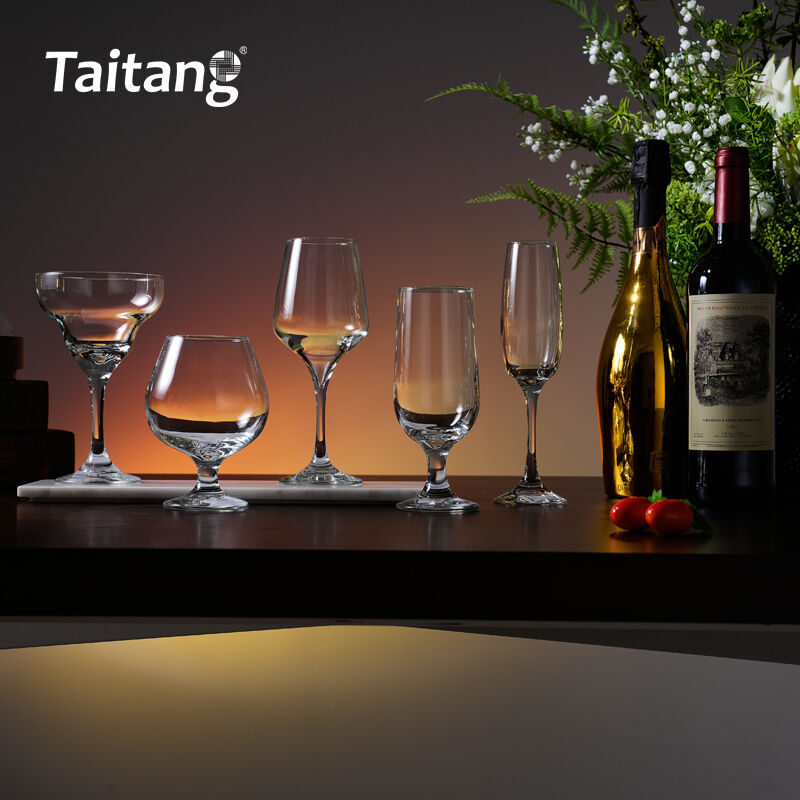
Hotel glassware represents one of the most critical elements in establishing an exceptional dining atmosphere that leaves lasting impressions on guests. The selection and quality of hotel glassware directly influences the perceived value of the dining experience, affecting everything from wine service presentation to the overall ambiance of restaurant operations. Professional hospitality establishments understand that investing in appropriate hotel glassware is essential for maintaining competitive standards while ensuring operational efficiency and guest satisfaction across all service levels.
Essential Wine Service Glassware for Hotel Restaurants
Red Wine Glasses for Premium Service
Red wine glasses constitute a fundamental component of hotel glassware collections, particularly in establishments offering sophisticated dining experiences. These glasses feature larger bowls that allow proper aeration and enhance the aromatic qualities of premium wines. The ideal red wine glass should have a capacity between 12-16 ounces, with a generous bowl shape that tapers toward the rim to concentrate the wine's bouquet. Hotels typically require multiple sets to accommodate varying party sizes and ensure continuous service during peak dining periods.
The stem length of red wine glasses in hotel glassware sets should be proportionate to the bowl size, providing guests with comfortable handling while preventing hand warmth from affecting the wine temperature. Professional establishments often choose crystal or high-quality glass materials that offer superior clarity and durability under frequent commercial use. The rim thickness significantly impacts the drinking experience, with thinner rims providing more refined sensations that enhance guest satisfaction and justify premium pricing structures.
White Wine Glass Selection
White wine glasses represent another essential category within comprehensive hotel glassware inventories, designed with smaller bowls that preserve the delicate characteristics of lighter wines. These glasses typically hold 8-12 ounces and feature narrower openings that maintain optimal serving temperatures while concentrating subtle aromas. The proportions of white wine glasses in hotel glassware collections should complement the overall table setting aesthetic while providing functional benefits that enhance the dining experience.
Hotels must consider the versatility of white wine glasses when building their glassware inventory, as these pieces often serve dual purposes for champagne service and certain cocktail presentations. The durability requirements for hotel glassware demand careful selection of materials and manufacturing processes that can withstand repeated commercial dishwashing cycles while maintaining their visual appeal and structural integrity throughout extended service periods.
Water and Beverage Glassware Requirements
Water Goblets and Tumblers
Water goblets form the backbone of hotel glassware collections, serving as versatile pieces that accommodate various beverage service needs throughout the dining experience. These glasses typically feature capacities ranging from 10-14 ounces, providing adequate volume for water service while leaving space for ice and garnishes. The design of water goblets in hotel glassware sets should balance elegance with practicality, featuring sturdy bases that resist tipping while maintaining refined appearances that complement fine dining presentations.
Tumbler-style water glasses offer alternative options for hotels seeking more casual dining atmospheres or outdoor service applications. These glasses provide excellent stability and durability characteristics that make them ideal for high-volume operations where breakage concerns require robust hotel glassware solutions. The selection between goblets and tumblers often depends on the establishment's service style, target demographic, and operational efficiency requirements.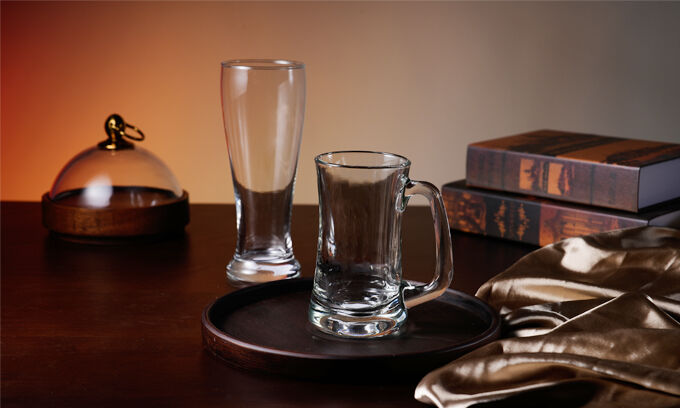
Juice and Soft Drink Glasses
Specialized juice glasses complement comprehensive hotel glassware inventories by providing appropriate vessels for breakfast service and non-alcoholic beverage presentations. These glasses typically range from 6-10 ounces in capacity, offering optimal proportions for fruit juices, sodas, and specialty beverages. The shape and size of juice glasses within hotel glassware collections should facilitate easy handling while presenting beverages in visually appealing manners that encourage consumption and enhance perceived value.
Soft drink glasses require considerations for carbonated beverage service, with designs that minimize foam production while maintaining effervescence. Hotels often select tall, narrow profiles for these applications, creating an elegant presentation that distinguishes soft drink service from other beverage categories. The integration of juice and soft drink glasses into overall hotel glassware programs requires careful coordination with existing inventory to ensure cohesive table settings and efficient storage solutions.
Specialty Cocktail and Bar Glassware
Martini and Cocktail Glasses
Martini glasses represent iconic elements of hotel glassware collections, particularly in establishments featuring full-service bars and cocktail programs. These glasses showcase the classic V-shaped bowl design that has become synonymous with sophisticated cocktail service, typically holding 4-6 ounces of liquid. The proportions and angles of martini glasses within hotel glassware inventories directly impact the presentation quality of signature cocktails and contribute to the overall ambiance of bar service areas.
The stem length and base stability of martini glasses require careful consideration in hotel glassware selection processes, as these factors affect both handling ease and breakage resistance during busy service periods. Hotels must balance aesthetic appeal with practical durability when choosing cocktail glasses, often opting for reinforced construction techniques that maintain elegant appearances while withstanding commercial use demands. The clarity and thickness of glass materials significantly influence the perceived quality of cocktail presentations and guest satisfaction levels.
Old Fashioned and Rocks Glasses
Old fashioned glasses, commonly known as rocks glasses, serve essential functions in hotel glassware collections for whiskey service and spirit-based cocktails served over ice. These glasses typically feature heavy-bottomed construction with capacities ranging from 8-12 ounces, providing stability and thermal mass that enhances the drinking experience. The weight and feel of rocks glasses in hotel glassware sets contribute to perceived value and luxury, particularly when serving premium spirits and craft cocktails.
The design characteristics of old fashioned glasses must accommodate various cocktail preparation methods, including muddling ingredients and incorporating large ice cubes that require adequate space and accessibility. Hotel glassware specifications for rocks glasses should include considerations for rim thickness, base diameter, and overall durability under frequent use conditions. The versatility of these glasses makes them valuable additions to hotel glassware inventories, as they serve multiple beverage categories while maintaining consistent presentation standards.
Specialized Dining Glassware
Champagne Flutes and Sparkling Wine Glasses
Champagne flutes occupy prestigious positions within hotel glassware collections, designed specifically to preserve carbonation while showcasing the visual appeal of sparkling wines and champagnes. These glasses feature tall, narrow bowls that minimize surface area exposure, maintaining effervescence while concentrating aromatics for enhanced tasting experiences. The elegant profile of champagne flutes in hotel glassware sets creates memorable presentations for special occasions, celebrations, and premium service offerings that differentiate establishments from competitors.
The construction quality of champagne flutes requires special attention in hotel glassware selection processes, as the narrow profile and extended height create vulnerability to breakage during handling and cleaning operations. Hotels must consider the balance between aesthetic appeal and practical durability when investing in champagne service glassware, often selecting reinforced designs that maintain elegance while providing adequate resistance to commercial use stresses. The capacity of champagne flutes typically ranges from 6-8 ounces, providing appropriate portions while accommodating various sparkling wine service styles.
Brandy Snifters and Specialty Glasses
Brandy snifters represent specialized components of comprehensive hotel glassware programs, designed to enhance the service and enjoyment of aged spirits and liqueurs. These glasses feature distinctive balloon-shaped bowls that concentrate aromatics while providing comfortable handling through short stems or direct bowl contact. The capacity of brandy snifters in hotel glassware collections typically ranges from 8-12 ounces, though serving portions remain much smaller to allow for proper swirling and aroma development.
The thermal properties of brandy snifters require consideration of glass thickness and material composition within hotel glassware specifications, as hand warmth plays a crucial role in releasing the complex aromatics of premium spirits. Hotels offering extensive spirits programs benefit from including various specialty glasses that accommodate different categories of aged beverages, creating opportunities for enhanced service experiences and increased revenue through premium offerings. The investment in specialty hotel glassware demonstrates commitment to service excellence and attracts discerning guests who appreciate attention to detail.
Material Considerations and Durability
Crystal versus Glass Options
The choice between crystal and standard glass materials significantly impacts both the performance and cost structure of hotel glassware investments. Crystal offers superior clarity, brilliance, and acoustic properties that enhance the drinking experience while creating luxurious impressions that justify premium pricing. However, crystal requires more careful handling and specialized cleaning procedures that may increase operational costs and breakage risks in high-volume hotel environments.
Standard glass materials provide practical advantages for hotel glassware applications, including increased durability, lower replacement costs, and simplified maintenance procedures. Modern glass manufacturing techniques produce options that closely approximate crystal appearance while offering superior resistance to thermal shock and mechanical stress. The selection process for hotel glassware materials should consider service volume, staff training levels, and guest expectations to optimize the balance between quality presentation and operational efficiency.
Tempered and Reinforced Glass Benefits
Tempered glass construction offers significant advantages for hotel glassware applications, providing increased strength and safety characteristics that reduce breakage rates and associated replacement costs. The thermal tempering process creates internal stress patterns that allow glasses to withstand greater impacts while producing safer fragmentation patterns when breakage does occur. Hotels operating high-volume food service operations particularly benefit from tempered hotel glassware that maintains aesthetic appeal while reducing operational disruptions.
Reinforced rim and base construction techniques enhance the durability of hotel glassware without significantly impacting appearance or drinking experience quality. These manufacturing improvements target the most vulnerable areas of glass construction, providing additional protection against chips and cracks that commonly occur during commercial use. The investment in reinforced hotel glassware typically results in reduced long-term costs through decreased replacement frequency and improved operational efficiency during busy service periods.
Inventory Management and Storage Solutions
Calculating Glassware Quantities
Determining appropriate quantities for hotel glassware inventories requires careful analysis of seating capacity, service patterns, and dishwashing cycle times to ensure adequate availability during peak demand periods. Industry standards typically recommend maintaining 2.5 to 3 times the seating capacity for primary glassware categories, accounting for items in use, in washing, and in reserve. Specialty glasses may require different calculation methods based on their specific usage patterns and replacement difficulty.
The complexity of hotel glassware inventory management increases with the variety of glass types and service styles offered by the establishment. Hotels must balance inventory investment costs against service disruption risks, considering factors such as supplier lead times, seasonal demand variations, and special event requirements. Effective inventory planning for hotel glassware includes establishing reorder points and safety stock levels that prevent service interruptions while minimizing carrying costs and storage space requirements.
Proper Storage and Handling
Effective storage solutions for hotel glassware require specialized equipment and procedures that protect investments while facilitating efficient service operations. Glass storage systems should provide adequate protection against chips and scratches while allowing easy access and identification during busy service periods. The organization of hotel glassware storage areas significantly impacts operational efficiency and breakage rates, making proper planning essential for successful program implementation.
Staff training programs for hotel glassware handling should emphasize proper techniques for lifting, carrying, and cleaning various glass types to minimize damage and ensure consistent service quality. The implementation of standardized procedures for glassware handling reduces training time for new employees while maintaining service standards across different shifts and staff members. Regular evaluation and updating of handling procedures helps identify improvement opportunities and prevent the development of bad habits that increase breakage rates.
Maintenance and Replacement Strategies
Commercial Dishwashing Considerations
Commercial dishwashing systems significantly impact the longevity and appearance of hotel glassware, requiring careful selection of cleaning chemicals, water temperatures, and cycle times to optimize results. The mineral content of local water supplies affects glass clarity over time, potentially requiring water treatment systems or specialized rinse agents to maintain acceptable appearance standards. Hotels must establish dishwashing protocols that balance efficiency requirements with glassware preservation to maximize investment returns.
The compatibility of hotel glassware with high-temperature commercial dishwashing creates important selection criteria that affect both initial purchasing decisions and long-term operational costs. Glasses designed for commercial applications typically feature enhanced thermal shock resistance and chemical durability that prevent clouding and etching under repeated exposure to harsh cleaning conditions. Regular monitoring of dishwashing system performance helps identify issues before they cause significant damage to hotel glassware investments.
Quality Control and Replacement Programs
Systematic quality control programs for hotel glassware help maintain service standards while optimizing replacement timing and costs. Regular inspection procedures should identify glasses showing signs of wear, damage, or cloudiness before they impact guest experiences or create safety hazards. The establishment of clear criteria for glass retirement ensures consistent decision-making while preventing the accumulation of substandard items that detract from service quality.
Replacement programs for hotel glassware should consider both reactive and proactive strategies that balance inventory investment with service continuity requirements. Bulk replacement scheduling can provide cost advantages through volume purchasing while ensuring consistent appearance across all service areas. The timing of replacement programs should account for seasonal demand patterns, special events, and supplier availability to prevent service disruptions during critical operating periods.
FAQ
How many glasses should a hotel restaurant stock per seat
Hotels should typically stock 2.5 to 3 times their seating capacity for primary hotel glassware categories. This ratio accounts for glasses currently in use by guests, items being cleaned in the dishwashing cycle, and reserve inventory to handle peak demand periods. Specialty glasses may require different ratios based on their usage frequency and the establishment's service style.
What is the difference between crystal and glass for hotel use
Crystal contains lead oxide which provides superior clarity, brilliance, and acoustic properties compared to standard glass, but requires more careful handling and maintenance. For hotel glassware applications, standard glass offers better durability and lower replacement costs while modern manufacturing techniques can produce options that closely approximate crystal's visual appeal. The choice depends on the hotel's service level, budget, and operational requirements.
How often should hotel glassware be replaced
Hotel glassware replacement schedules vary based on usage volume, handling procedures, and quality standards, but most establishments plan for gradual replacement over 12-18 months for high-use items. Regular quality inspections help identify glasses showing cloudiness, chips, or scratches that require immediate replacement. Establishing clear retirement criteria ensures consistent service quality while optimizing replacement timing and costs.
What storage solutions work best for hotel glassware
Effective hotel glassware storage requires specialized racks and systems that protect against chips and scratches while allowing easy access during service. Storage solutions should separate different glass types, provide adequate cushioning, and facilitate efficient inventory rotation. Proper storage organization significantly impacts operational efficiency and breakage rates, making it essential for successful glassware program management.