
 EN
EN



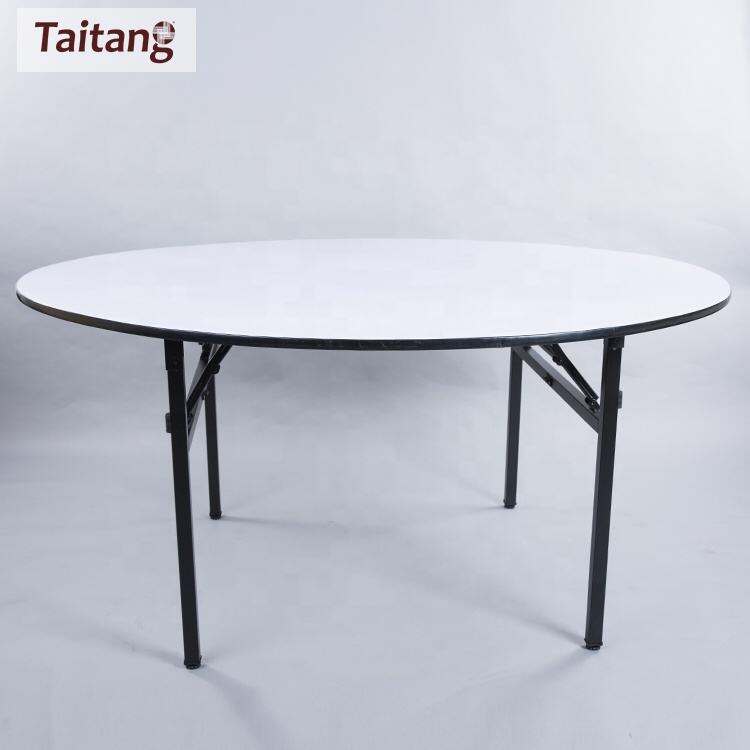
Selecting the right banquet tables for your hotel establishment requires careful consideration of durability, functionality, and aesthetic appeal. Hotel managers and procurement specialists must evaluate multiple factors to ensure their investment delivers long-term value while meeting diverse event requirements. The hospitality industry demands furniture solutions that can withstand frequent use, accommodate varying group sizes, and maintain professional appearance standards throughout their operational lifespan.
Modern hotel operations require versatile furniture solutions that adapt to changing guest needs and event configurations. Quality banquet tables serve as foundational elements for successful conferences, weddings, corporate gatherings, and dining events. Understanding the key specifications and performance characteristics helps hotel operators make informed purchasing decisions that enhance guest satisfaction while controlling operational costs.
Essential Material Considerations for Hotel Banquet Tables
Stainless Steel Frame Construction
Stainless steel frames provide exceptional durability and corrosion resistance, making them ideal for high-traffic hotel environments. The material's inherent strength allows banquet tables to support substantial weight loads without compromising structural integrity. Professional-grade stainless steel construction ensures longevity while maintaining attractive appearance standards that reflect positively on your establishment's quality image.
The non-porous surface characteristics of stainless steel facilitate easy cleaning and sanitization protocols, which are crucial for maintaining health standards in commercial hospitality settings. This material choice reduces maintenance requirements and associated labor costs over the furniture's operational lifetime. Additionally, stainless steel frames resist staining, scratching, and chemical damage from cleaning products commonly used in hotel environments.
 |
 |
Surface Material Selection
Table surface materials directly impact both functionality and guest experience during events and meetings. High-pressure laminate surfaces offer excellent durability while providing cost-effective solutions for hotels managing budget constraints. These surfaces resist heat, moisture, and impact damage while maintaining professional appearance standards throughout extended use periods.
Premium surface options include solid wood veneers and engineered composite materials that deliver enhanced aesthetic appeal for upscale hotel environments. The selection process should consider cleaning requirements, replacement costs, and compatibility with your hotel's interior design scheme. Quality surface materials contribute significantly to guest perceptions and overall event satisfaction levels.
Size and Configuration Planning
Standard Dimensions and Capacity
Hotel banquet tables typically range from 120cm to 240cm in length, accommodating various group sizes and event formats. Standard widths of 60cm to 90cm provide adequate surface area for dining, presentations, and collaborative activities. Proper sizing ensures efficient space utilization while maintaining comfortable guest seating arrangements and adequate circulation pathways.
Capacity planning requires consideration of your hotel's typical event demographics and space limitations. Rectangular banquet tables efficiently accommodate 4-10 guests depending on dimensions, while round configurations may be preferred for intimate dining experiences. Understanding your venue's primary use cases helps determine optimal table size distribution for maximum flexibility and revenue generation potential.
Folding Mechanisms and Storage
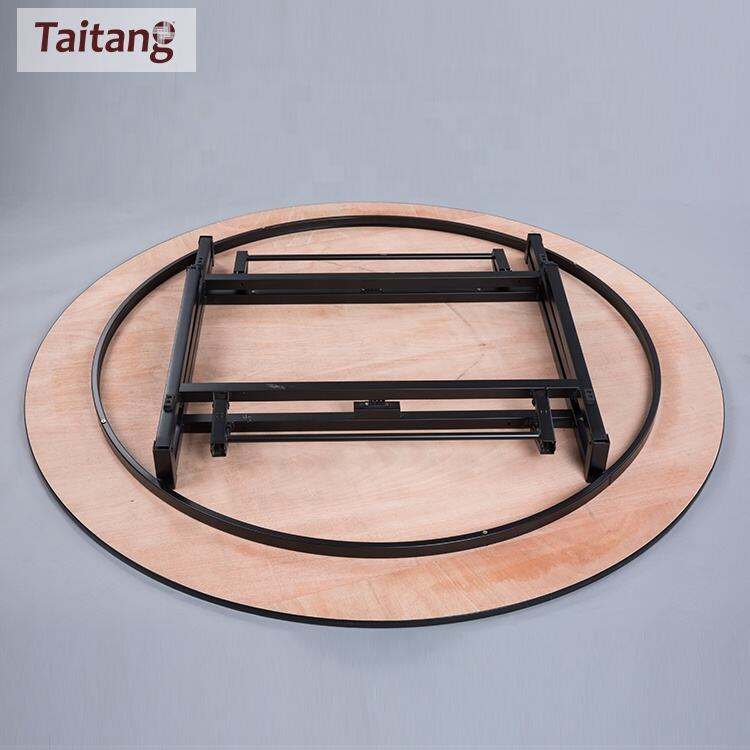
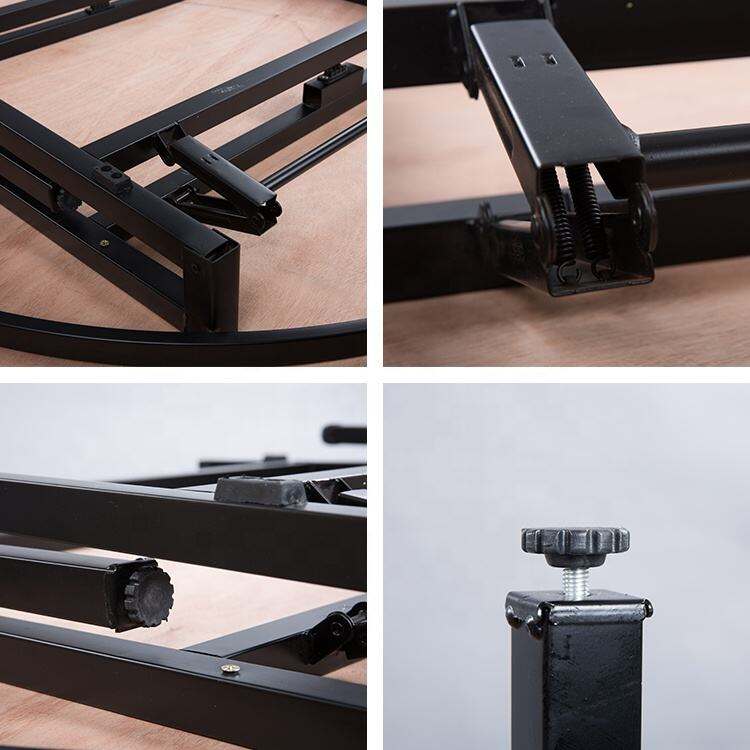
Folding banquet tables provide significant advantages for hotels requiring flexible space management capabilities. Quality folding mechanisms enable quick setup and breakdown procedures, reducing labor costs and improving operational efficiency. The banquet tables with robust folding systems maintain stability during use while offering convenient storage solutions when not in service.
Storage efficiency becomes particularly important for hotels with limited warehouse space or multiple event configurations throughout the week. Well-designed folding systems protect table surfaces during storage while minimizing space requirements. Consider mechanisms that operate smoothly without requiring excessive force, ensuring staff can handle setup procedures safely and efficiently.
Stability and Load-Bearing Requirements
Weight Distribution Engineering
Proper weight distribution engineering ensures banquet tables remain stable under various loading conditions encountered in hotel operations. Commercial-grade tables must support not only the weight of table settings and food service items but also withstand guests leaning on surfaces and potential impact loads. Engineering specifications should account for dynamic forces and safety factors appropriate for public use environments.
Frame geometry plays a crucial role in achieving optimal weight distribution across the table structure. Cross-bracing elements and strategic support placement prevent wobbling and enhance overall stability during use. Quality banquet tables incorporate engineering principles that distribute loads evenly while maintaining lightweight characteristics for handling convenience.
Base Design and Floor Contact
Base design significantly impacts table stability and floor protection in hotel environments. Wide-stance leg configurations provide enhanced stability compared to narrow base designs, particularly important when guests interact with table surfaces during events. Proper base geometry prevents tipping hazards while maintaining adequate legroom for seated guests.
Floor contact elements should include protective feet or glides that prevent surface damage to hotel flooring materials. Adjustable leveling mechanisms accommodate uneven surfaces commonly found in older hotel buildings or outdoor event spaces. Quality base designs consider both functional performance and aesthetic integration with your hotel's interior design standards.
Durability Testing and Quality Standards
Commercial Use Specifications
Commercial banquet tables must meet rigorous durability standards appropriate for intensive hotel use environments. Industry testing protocols evaluate structural integrity under repeated loading cycles, simulating years of operational use in compressed timeframes. Quality manufacturers provide detailed specifications including weight capacity ratings, stability measurements, and expected service life estimates.
Certification standards from recognized testing organizations provide confidence in product performance and safety characteristics. Hotels should prioritize banquet tables that meet or exceed commercial furniture standards for public assembly use. Proper documentation of testing results and certifications supports insurance requirements and liability protection for hotel operators.
Warranty Coverage and Support
Comprehensive warranty coverage protects hotel investments in quality banquet tables while providing assurance of manufacturer confidence in their products. Extended warranty periods typically indicate superior construction quality and materials selection. Review warranty terms carefully to understand coverage limitations and required maintenance procedures for maintaining warranty validity.
Manufacturer support services including replacement parts availability and technical assistance contribute to long-term value propositions. Established suppliers with proven track records in the hospitality industry offer advantages in terms of product knowledge and service capabilities. Consider supplier relationships as part of your overall procurement strategy for hotel furniture investments.
Cost Analysis and Budget Planning
Initial Investment Considerations
Budget planning for banquet tables requires evaluation of both initial purchase costs and long-term operational expenses. Premium materials and construction methods typically command higher initial prices but deliver superior durability and reduced replacement frequency. Hotel operators must balance upfront investment against projected operational savings and revenue generation potential from enhanced event capabilities.
Quantity discounts and bulk purchasing arrangements can significantly reduce per-unit costs for hotels requiring multiple banquet tables. Consider phased procurement strategies that allow for immediate operational needs while planning future expansions. Volume purchasing also provides opportunities to standardize specifications across your hotel's event spaces for improved operational efficiency.
Lifecycle Cost Evaluation
Total cost of ownership includes maintenance expenses, replacement costs, and operational impact factors beyond initial purchase prices. Quality banquet tables with superior durability characteristics reduce long-term costs through extended service life and reduced maintenance requirements. Factor labor costs for setup, breakdown, and storage procedures when evaluating different table designs and configurations.
Revenue impact considerations include how table selection affects your hotel's ability to host profitable events and maintain competitive positioning in the market. Premium banquet tables that enhance guest experience and operational efficiency can justify higher initial investments through improved customer satisfaction and repeat business generation.
Installation and Maintenance Guidelines
Setup Procedures and Staff Training
Proper setup procedures ensure banquet tables perform optimally while protecting both furniture and hotel staff from injury risks. Comprehensive training programs should cover safe handling techniques, proper unfolding sequences, and stability verification procedures. Document standard operating procedures for consistent implementation across all hotel event staff members.
Training should emphasize proper lifting techniques and team coordination for larger banquet tables that require multiple staff members for safe handling. Include inspection procedures that identify potential problems before tables are placed in service for guest events. Regular refresher training ensures consistent quality standards and reduces the risk of equipment damage or personal injury.
Cleaning and Maintenance Protocols
Establish regular cleaning protocols that maintain appearance standards while preserving material integrity of your banquet tables. Different surface materials require specific cleaning products and techniques to avoid damage while achieving thorough sanitization. Document approved cleaning supplies and procedures to ensure consistency across housekeeping staff and prevent inadvertent damage to table surfaces.
Preventive maintenance schedules should include periodic inspection of folding mechanisms, frame connections, and surface conditions. Early identification of wear patterns or developing problems allows for timely repairs that extend service life and prevent more costly replacements. Maintain detailed service records for warranty claims and lifecycle cost tracking purposes.
FAQ
What weight capacity should hotel banquet tables support
Commercial banquet tables for hotels should typically support distributed loads of 50-75 kg per square meter of surface area. This capacity accommodates standard dining setups, presentation materials, and reasonable guest interaction forces. Higher capacity ratings provide additional safety margins and versatility for diverse event requirements in hotel environments.
How do folding mechanisms affect table durability
Quality folding mechanisms enhance rather than compromise table durability when properly designed and maintained. Premium folding systems incorporate robust locking mechanisms and reinforced connection points that maintain structural integrity throughout repeated use cycles. Inferior folding systems may create weak points that reduce overall table lifespan and stability characteristics.
What maintenance frequency is required for commercial banquet tables
Commercial banquet tables in hotel environments typically require weekly deep cleaning and monthly mechanical inspections of folding systems and frame connections. High-use environments may necessitate more frequent inspection cycles to identify wear patterns early. Proper maintenance protocols significantly extend service life and maintain safety standards for guest use.
How many banquet tables does a typical hotel conference room need
Conference room table requirements depend on maximum occupancy and intended use configurations. A general guideline suggests one banquet table per 6-8 guests for classroom-style setups, while U-shape or boardroom configurations may require different ratios. Hotels should plan for 20-30% additional capacity to accommodate varying event formats and setup flexibility requirements.