
 EN
EN



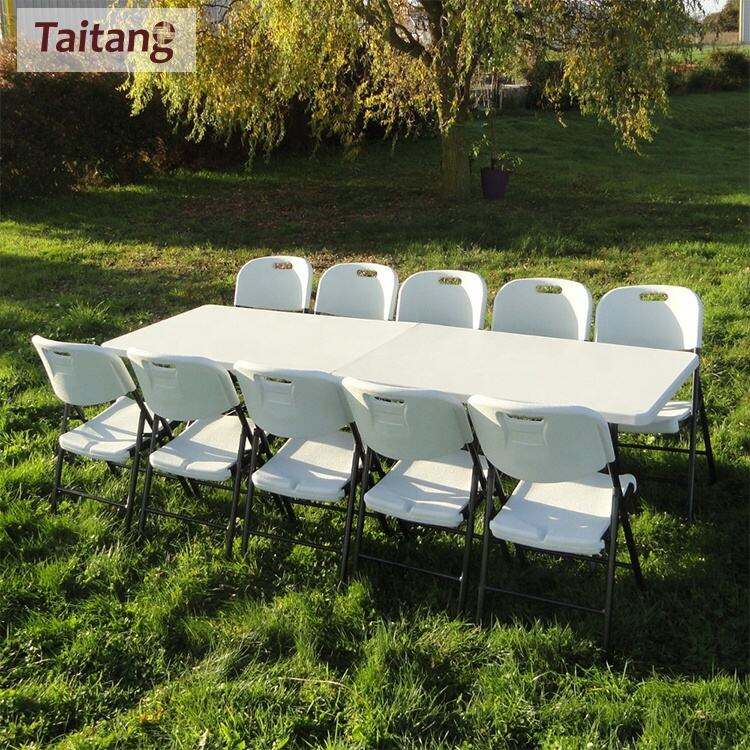
Commercial event venues face the constant challenge of selecting furniture that can withstand intensive daily use while maintaining professional aesthetics. The selection of appropriate banquet table solutions directly impacts operational efficiency, guest satisfaction, and long-term investment returns. Understanding the key characteristics that define heavy-duty event furniture enables venue managers and event planners to make informed purchasing decisions that support sustained business operations.
Heavy event use places extraordinary demands on commercial furniture, requiring banquet table designs that exceed standard residential or light commercial specifications. Professional venues hosting multiple events weekly need furniture solutions that maintain structural integrity under repeated setup, breakdown, and transportation cycles. The investment in quality banquet table systems pays dividends through reduced replacement costs, minimized event disruptions, and enhanced venue reputation for reliability and professionalism.
Construction Materials and Structural Design
Frame Materials and Engineering
The foundation of any durable banquet table lies in its frame construction, where material selection and engineering design converge to create lasting stability. Steel frames offer superior strength-to-weight ratios, particularly when constructed from high-grade steel alloys that resist deformation under load. Stainless steel variants provide additional corrosion resistance, making them ideal for venues that regularly clean surfaces with industrial-grade sanitizers or operate in humid environments.
Advanced welding techniques and reinforcement strategies significantly impact banquet table longevity and performance. Continuous seam welding creates stronger joints compared to spot welding, distributing stress loads more effectively across connection points. Strategic placement of cross-braces and support struts prevents frame flex during loading, ensuring the banquet table maintains level surfaces even when supporting heavy catering equipment or decorative displays.
Engineering considerations must account for dynamic loading scenarios common in event environments. A quality banquet table design incorporates safety factors that exceed static weight ratings, accommodating sudden load applications such as staff leaning on surfaces or guests placing heavy items unexpectedly. Professional-grade frames typically feature tube thickness measurements of 1.2mm or greater, providing the structural mass necessary for commercial applications.
Surface Materials and Durability Features
Table surface selection directly impacts both aesthetic appeal and functional longevity in commercial banquet environments. High-pressure laminate surfaces offer excellent resistance to scratches, heat, and chemical damage while maintaining cost-effectiveness for large-scale purchases. These surfaces typically feature moisture-resistant cores that prevent warping or delamination in high-humidity event spaces or outdoor applications.
Edge banding quality represents a critical factor in banquet table durability, as edges receive the highest impact stress during transport and setup operations. T-molding edge treatments provide superior protection compared to standard PVC banding, creating a cushioned barrier that absorbs impacts while preventing moisture infiltration. Professional banquet table designs often incorporate beveled edges that reduce sharp corners, enhancing both safety and visual appeal.
Surface thickness specifications should meet or exceed 19mm for commercial applications, providing the structural mass necessary to prevent deflection under distributed loads. Thicker surfaces also offer better screw-holding capacity for accessories like skirting clips or equipment mounts, expanding the functional versatility of each banquet table unit.
Folding Mechanisms and Portability Features
Locking Systems and Safety Mechanisms
Reliable folding mechanisms enable efficient banquet table storage and transportation while maintaining structural security during use. Spring-loaded locking pins provide positive engagement that prevents accidental folding during events, while allowing single-person operation during setup procedures. The best commercial systems feature dual-locking mechanisms that engage both legs simultaneously, ensuring balanced support and eliminating wobbling issues.
Safety considerations demand that folding banquet table designs include finger guards and clearance areas that prevent injury during folding operations. Smooth-operating hinges with sealed bearings resist contamination from dust and cleaning chemicals, maintaining consistent performance throughout extended service life. Quality control testing should verify that locking mechanisms maintain engagement force specifications after thousands of folding cycles.
Leg adjustment features enhance banquet table versatility by compensating for uneven floor surfaces common in diverse event venues. Adjustable glides or leveling feet allow precise height corrections up to 25mm, ensuring stable placement on carpeted, tiled, or outdoor surfaces. These adjustment mechanisms must withstand repeated use while maintaining precise positioning capabilities.
Transport and Storage Considerations
Efficient banquet table storage systems maximize venue space utilization while protecting furniture investments during non-use periods. Nested folding designs allow multiple tables to stack compactly, reducing storage footprint by up to 70% compared to fixed-leg alternatives. Transport dollies specifically designed for banquet table dimensions enable single-person movement of multiple units, improving operational efficiency and reducing labor costs.
Weight distribution plays a crucial role in banquet table portability, with optimal designs balancing structural strength against handling convenience. Tables exceeding 25kg become difficult for single-person transport, while units under 15kg may sacrifice durability for weight reduction. Professional specifications typically target weight ranges between 18-22kg for standard rectangular banquet table configurations.
Protective features such as corner guards and edge bumpers prevent damage during transport and storage operations. Rubber or plastic protective elements absorb impacts that could otherwise cause dents, scratches, or structural damage to banquet table surfaces and frames. These protective systems prove particularly valuable in high-turnover venues where furniture handling occurs multiple times weekly.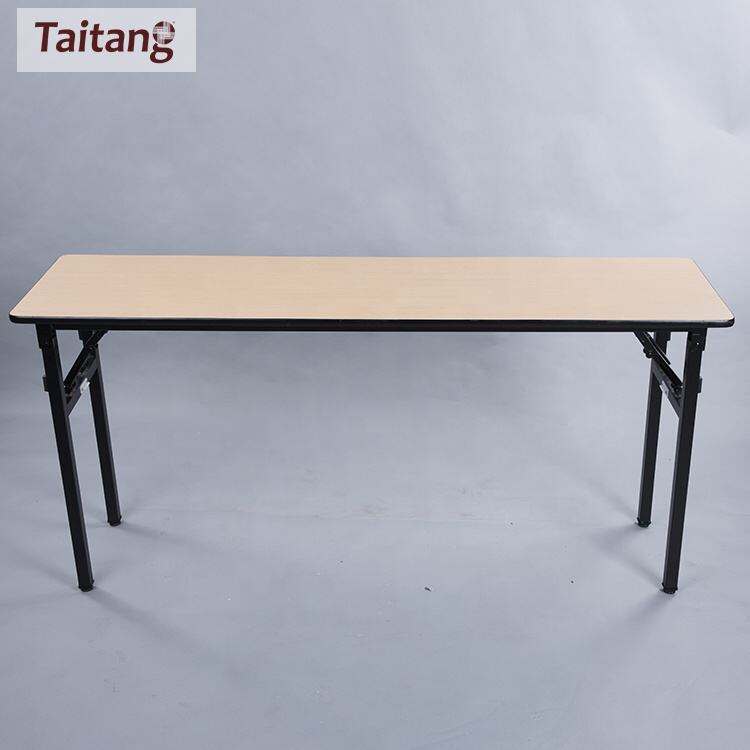
Load Capacity and Weight Distribution
Static and Dynamic Loading Requirements
Commercial banquet table applications require careful consideration of both static weight capacity and dynamic loading scenarios that occur during actual event use. Static load ratings typically range from 150-300kg for professional units, providing adequate support for catering displays, equipment, and decorative elements commonly placed on event surfaces. However, dynamic loading considerations must account for impact forces, uneven weight distribution, and sudden load applications that exceed static calculations.
Testing protocols for commercial banquet table certification include distributed loading across entire surface areas as well as concentrated loading at critical points such as corners and edges. Professional-grade units should withstand point loads of 75kg applied at table corners without permanent deformation or structural failure. These testing standards ensure reliable performance under real-world conditions where loading patterns vary significantly from controlled laboratory environments.
Engineering safety factors built into banquet table designs provide operational margins that accommodate unexpected loading conditions. A properly designed commercial table with a 200kg rating should safely support 300kg loads without failure, providing confidence for venue operators and event planners. This safety margin proves essential in environments where precise weight control is impractical.
Frame Geometry and Support Distribution
Optimal banquet table frame geometry distributes loads effectively across multiple support points, preventing stress concentrations that could lead to premature failure. Trestle-style frames with wide stance configurations offer superior stability compared to narrow pedestals, particularly important for rectangular tables exceeding 180cm in length. Cross-bracing between leg assemblies creates triangulated support structures that resist lateral movement and improve overall rigidity.
Support point spacing directly affects surface deflection characteristics, with closer spacing reducing flex under loading. Professional banquet table designs typically maintain support point spacing below 120cm for standard surface thicknesses, ensuring minimal deflection even under maximum rated loads. This spacing requirement influences frame design decisions and affects overall table proportions.
Leg positioning relative to table edges impacts stability and user comfort during banquet table deployment. Inset leg placement maximizes seating capacity by eliminating interference with chair positioning, while maintaining adequate support for edge loading conditions. The optimal inset distance balances structural requirements with functional considerations specific to banquet seating arrangements.
Surface Treatments and Maintenance Requirements
Chemical Resistance and Cleaning Protocols
Commercial banquet table surfaces must withstand frequent cleaning with industrial-grade sanitizers and disinfectants commonly used in professional food service environments. High-pressure laminate surfaces treated with melamine resins offer excellent chemical resistance while maintaining visual appeal throughout extended service cycles. These surface treatments resist staining from common banquet materials including wine, coffee, oils, and acidic food products.
Cleaning protocol compatibility ensures that banquet table maintenance procedures align with venue sanitation requirements without causing surface degradation. Surfaces should tolerate bleach solutions, quaternary ammonium compounds, and alcohol-based sanitizers without discoloration or texture changes. Testing protocols verify chemical compatibility across typical cleaning agent concentrations used in commercial applications.
Edge sealing quality prevents moisture infiltration that could compromise banquet table structural integrity over time. Professional edge banding systems create watertight seals that protect core materials from cleaning solution penetration. Regular inspection of edge integrity helps identify potential maintenance needs before moisture damage occurs.
Wear Resistance and Aesthetic Longevity
Surface wear resistance directly impacts the long-term appearance and professional image projected by banquet table installations. Abrasion testing using standardized protocols helps predict surface longevity under typical use conditions including setup equipment contact, serving tray movement, and decorative item placement. High-quality surfaces maintain their original appearance after thousands of use cycles.
Color stability under UV exposure prevents fading or discoloration in banquet table applications involving outdoor events or venues with significant natural lighting. UV-resistant surface treatments maintain consistent color matching across table groups even after extended sun exposure. This consistency proves important for venues that mix indoor and outdoor event capabilities.
Scratch resistance testing evaluates banquet table surface performance under typical handling conditions including equipment placement, utensil contact, and cleaning procedures. Professional surfaces should resist visible scratching from normal use while allowing minor damage to be buffed out during routine maintenance procedures.
Size Standards and Configuration Options
Industry Standard Dimensions
Standardized banquet table dimensions facilitate efficient venue planning and enable consistent seating capacity calculations across different event configurations. Rectangular tables commonly measure 183cm x 76cm (72" x 30") or 244cm x 76cm (96" x 30"), providing seating for 8-10 or 10-12 guests respectively depending on chair specifications and service requirements. These standard dimensions optimize transportation efficiency and storage space utilization.
Height standardization at 76cm (30") ensures compatibility with standard banquet chairs and maintains comfortable dining proportions for diverse guest demographics. This height specification accommodates both seated dining and standing reception configurations while maintaining appropriate clearances for guest comfort and service access. Consistent height standards enable venues to mix different banquet table styles within single events.
Round banquet table options typically range from 150cm to 180cm diameter, seating 8-12 guests depending on specific venue requirements and chair configurations. Round configurations promote conversation and create intimate dining environments, while requiring careful space planning to optimize venue capacity. The larger footprint of round tables must be considered during venue layout planning.
Modular Systems and Flexibility Features
Modular banquet table systems enable venues to create custom configurations that adapt to varying event requirements and space constraints. Connector hardware allows multiple rectangular units to combine into extended configurations, creating head tables or buffet stations that exceed standard single-table dimensions. These connection systems must provide secure attachment while allowing quick assembly and disassembly.
Shape conversion capabilities expand banquet table versatility by enabling transformation between rectangular and curved configurations. Specialized curved connector pieces allow standard rectangular tables to form serpentine or circular arrangements, creating dynamic event layouts without requiring dedicated curved table inventory. This flexibility reduces total furniture investment while expanding design possibilities.
Height adjustment features accommodate diverse event types ranging from cocktail receptions to formal dining services. Telescoping leg systems or adjustable supports enable banquet table height variation between standard dining height (76cm) and cocktail height (107cm), maximizing furniture utilization across different event formats. These adjustment mechanisms must maintain stability across the full height range.
Quality Certifications and Testing Standards
Commercial Furniture Standards
Professional banquet table certification involves rigorous testing protocols that verify performance under commercial use conditions. BIFMA (Business and Institutional Furniture Manufacturers Association) standards provide comprehensive testing criteria including structural integrity, durability, and safety requirements specific to commercial applications. These certifications ensure banquet table designs meet or exceed industry benchmarks for professional use.
Cyclic loading tests simulate years of banquet table use through repeated loading and unloading cycles that replicate typical event scenarios. Professional certification requires tables to withstand 25,000 loading cycles without structural failure or significant performance degradation. These tests provide confidence in long-term reliability under intensive commercial use conditions.
Impact resistance testing evaluates banquet table ability to withstand sudden impacts from transport operations, setup procedures, and accidental contact during events. Certification standards specify impact energy levels that professional furniture must survive without permanent damage or safety hazards. These requirements ensure reliable performance in demanding commercial environments.
Safety and Regulatory Compliance
Fire safety compliance ensures banquet table materials meet commercial building codes and insurance requirements for professional venues. Surface materials should achieve appropriate flame spread ratings while maintaining other performance characteristics essential for commercial use. Compliance documentation enables venues to satisfy regulatory requirements and insurance obligations.
Stability testing protocols verify that banquet table designs resist tipping under normal use conditions including uneven loading and edge pressure applications. Professional certification requires tables to maintain stability even when loaded beyond recommended capacities, providing safety margins that protect guests and staff. These stability requirements influence frame geometry and weight distribution decisions.
Chemical emission testing ensures that banquet table materials comply with indoor air quality standards for commercial spaces. Low-emission certifications verify that surface materials and adhesives do not release harmful volatile organic compounds that could affect guest or staff health. These environmental considerations become increasingly important in modern commercial applications.
FAQ
What weight capacity should I expect from a commercial banquet table
Commercial banquet table weight capacities typically range from 150-300kg for professional applications, with most standard rectangular units rated for 200-250kg distributed loading. The actual capacity depends on frame construction, surface thickness, and support point spacing. Professional venues should select tables rated 25-50% above their expected maximum loading to provide adequate safety margins for unexpected load conditions.
How do I determine the right banquet table size for my venue
Banquet table sizing depends on your typical guest count, venue dimensions, and service requirements. Standard 183cm tables seat 8-10 guests comfortably, while 244cm tables accommodate 10-12 guests. Consider aisle spacing requirements (minimum 120cm), service access needs, and emergency egress paths when calculating venue capacity. Round tables require more floor space but promote conversation and create intimate dining environments.
What maintenance schedule keeps banquet tables in optimal condition
Effective banquet table maintenance includes daily cleaning with appropriate sanitizers, weekly inspection of folding mechanisms and adjustment hardware, and monthly lubrication of moving parts. Annual professional inspection should verify structural integrity, surface condition, and safety mechanism function. Proper storage in dry, climate-controlled environments prevents moisture damage and extends service life significantly.
How long should quality banquet tables last in commercial use
Professional-grade banquet table systems typically provide 10-15 years of reliable service in commercial applications when properly maintained and operated within capacity limits. Higher-quality construction with steel frames and premium surfaces can extend service life to 20+ years. Regular maintenance, proper handling procedures, and adherence to weight limits significantly impact longevity and return on investment for commercial venues.