
 EN
EN



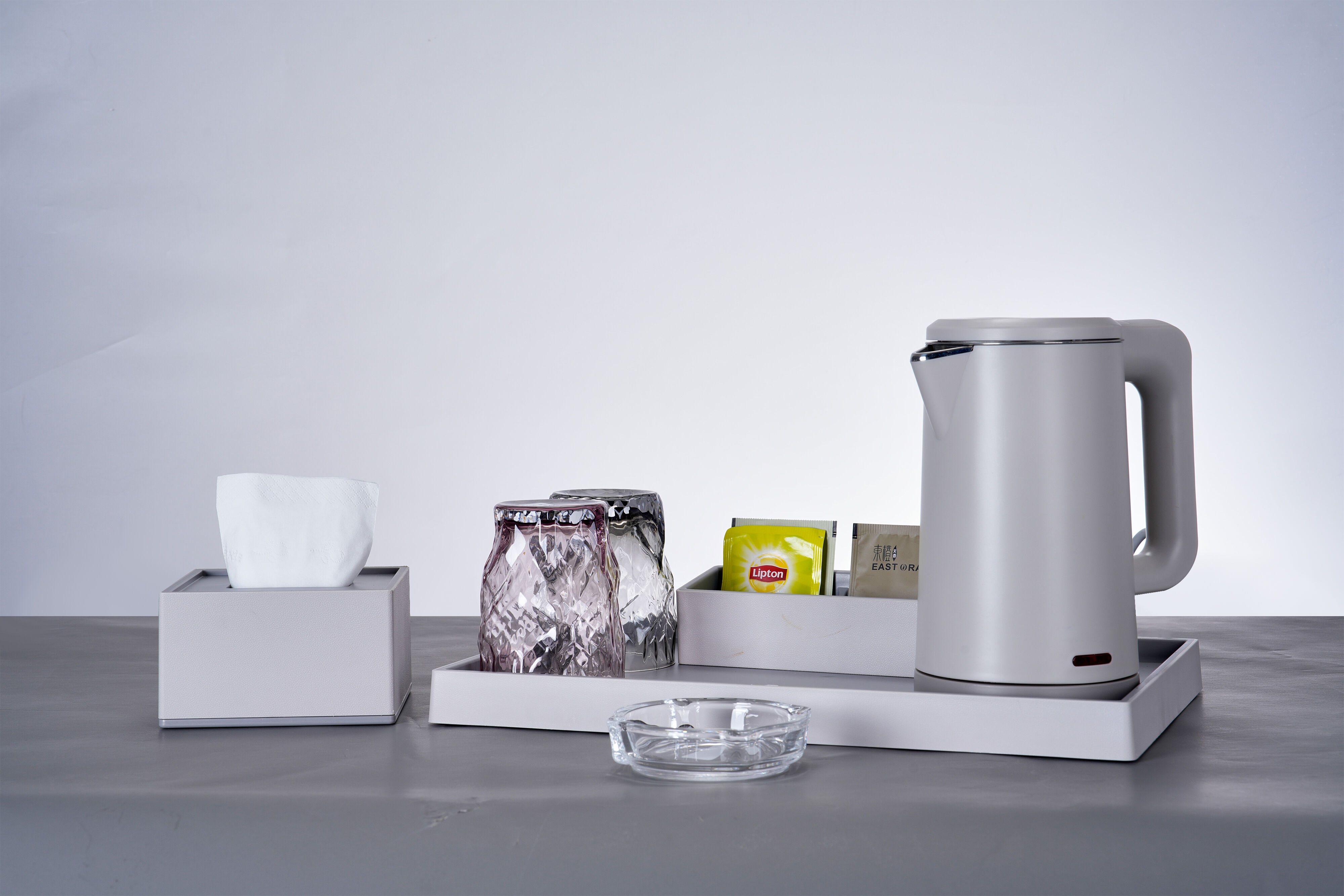
Establishing a new hotel property requires careful consideration of every guest touchpoint, particularly the bathroom experience that significantly influences guest satisfaction and review scores. Selecting the right hotel bathroom accessories forms the foundation of a memorable stay, combining functionality with aesthetic appeal to create an atmosphere of luxury and comfort. From soap dispensers to tissue holders, each element contributes to the overall impression guests form about your establishment's attention to detail and commitment to quality service.
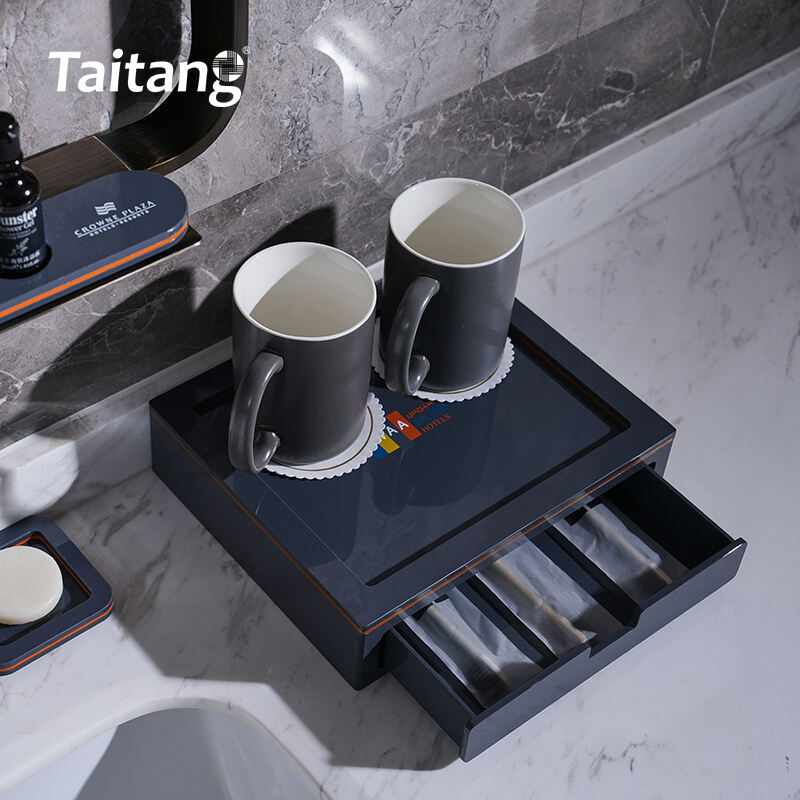
The hospitality industry's competitive landscape demands strategic investments in amenities that deliver both immediate guest satisfaction and long-term operational efficiency. Modern travelers expect consistency in quality across all aspects of their accommodation experience, making the selection of durable, stylish bathroom fixtures a critical business decision. Understanding the balance between initial investment costs and ongoing maintenance requirements helps property managers make informed choices that support both guest expectations and profit margins.
Essential Categories of Hotel Bathroom Accessories
Soap and Sanitization Systems
Contemporary guests prioritize hygiene and convenience, making soap dispensers and sanitization stations fundamental components of any hotel bathroom setup. Wall-mounted dispensers offer space-saving benefits while maintaining professional aesthetics, particularly when crafted from materials like ABS plastic combined with leather accents for premium appeal. These systems reduce waste compared to individual soap bars while providing consistent product delivery that guests can rely on throughout their stay.
The selection of appropriate soap dispensing mechanisms depends on your target market and property positioning within the hospitality sector. Luxury establishments benefit from touch-free automatic dispensers that enhance the perception of cleanliness and technological sophistication. Mid-range properties can achieve similar guest satisfaction through well-designed manual dispensers that offer tactile engagement while maintaining cost-effectiveness and operational simplicity.
Storage and Organization Solutions
Effective bathroom storage systems enhance guest convenience while maintaining the clean, uncluttered appearance that modern travelers expect from quality accommodations. Tissue box holders, amenity caddies, and towel storage solutions should integrate seamlessly with your overall design aesthetic while providing practical functionality. The strategic placement of these organizational elements reduces housekeeping time while ensuring guests can easily access necessary items throughout their stay.
Multi-functional accessories that combine storage with decorative elements offer exceptional value for new properties operating within defined budget parameters. Products featuring leather and ABS construction provide durability against humidity and frequent cleaning while maintaining an upscale appearance that justifies premium room rates. These materials resist wear from daily housekeeping procedures while retaining their visual appeal over extended periods of use.
Material Selection and Durability Considerations
ABS Plastic Benefits in Hospitality Applications
ABS plastic represents an optimal choice for hotel bathroom accessories due to its exceptional resistance to impact, chemical exposure, and temperature fluctuations common in commercial hospitality environments. This thermoplastic material maintains structural integrity under the stress of frequent use while offering excellent moldability for creating sophisticated designs that complement various interior aesthetics. The non-porous surface characteristics of ABS prevent bacterial growth and simplify sanitization procedures critical for maintaining health standards.
The cost-effectiveness of ABS construction allows properties to invest in comprehensive accessory sets without compromising quality or visual appeal. Manufacturing flexibility enables custom color matching and texture variations that align with specific brand guidelines or interior design themes. This adaptability proves particularly valuable for hotel chains requiring consistency across multiple properties while accommodating regional preferences or architectural constraints.
Leather Accent Integration
Incorporating leather elements into bathroom accessory designs elevates the perceived value and luxury quotient of hotel amenities without significantly increasing procurement costs. The tactile appeal of genuine or high-quality synthetic leather creates memorable sensory experiences that guests associate with premium service levels. These materials age gracefully when properly maintained, developing character that enhances rather than detracts from their visual impact over time.
Leather components require specific care protocols to maintain their appearance and functionality in high-humidity bathroom environments. Regular conditioning and proper ventilation prevent cracking and discoloration while preserving the sophisticated aesthetic that justifies higher room rates. Training housekeeping staff in appropriate maintenance techniques ensures consistent quality presentation that supports positive guest reviews and repeat bookings.
Design Coordination and Brand Consistency
Aesthetic Integration Strategies
Successful hotel bathroom accessory selection requires careful consideration of how individual pieces contribute to the overall design narrative while maintaining functional excellence. Color schemes, finish materials, and hardware details should align with broader property aesthetics to create cohesive guest experiences that reinforce brand positioning. The visual connection between bathroom accessories and other room elements helps establish the attention to detail that distinguishes exceptional properties from standard accommodations.
Working with suppliers who understand hospitality design requirements streamlines the specification process while ensuring compatibility across different accessory categories. Coordinated sets eliminate the guesswork involved in matching individual pieces while often providing cost advantages through bulk purchasing arrangements. These comprehensive approaches support faster installation timelines critical for new property openings operating under tight construction schedules.
Customization and Brand Expression
Custom hotel bathroom accessories offer opportunities to reinforce brand identity through subtle design elements that guests notice and appreciate. Logo integration, custom color schemes, and unique textural treatments create distinctive experiences that support premium positioning and guest loyalty development. These personalized touches demonstrate investment in guest experience while creating memorable associations that influence future booking decisions and referral behavior.
The lead times associated with custom accessory production require early planning integration into overall project timelines to avoid delays in property opening schedules. Establishing relationships with manufacturers capable of meeting hospitality quality standards while accommodating customization requests ensures access to unique products that differentiate your property from competitors. This strategic approach to procurement supports long-term brand building while managing operational costs effectively.
Operational Efficiency and Maintenance Requirements
Housekeeping Considerations
Efficient housekeeping operations depend significantly on the design and functionality of bathroom accessories, making these selections critical for controlling ongoing operational costs. Accessories with smooth surfaces and minimal crevices reduce cleaning time while preventing the accumulation of soap residue and mineral deposits that compromise appearance and hygiene standards. The ease of disassembly for deep cleaning affects both maintenance quality and staff productivity across hundreds of daily room preparations.
Training requirements for proper accessory maintenance should factor into procurement decisions, particularly for properties with high staff turnover rates common in hospitality operations. Intuitive design elements that communicate proper usage and care reduce the likelihood of damage from incorrect handling while maintaining consistent presentation standards. Clear maintenance protocols and readily available replacement components ensure continuous operation without service interruptions that negatively impact guest satisfaction.
Replacement and Upgrade Planning
Strategic planning for accessory replacement and system upgrades helps maintain property standards while managing capital expenditure requirements over time. Understanding the expected lifespan of different materials and components enables accurate budgeting for renovations and updates that keep pace with evolving guest expectations. Regular assessment of wear patterns and guest feedback identifies opportunities for improvements that enhance satisfaction while optimizing operational efficiency.
Establishing relationships with suppliers who maintain consistent product availability ensures seamless replacement capabilities that preserve design continuity across property renovations. The ability to source matching or compatible upgrades reduces the need for comprehensive bathroom overhauls while maintaining the cohesive aesthetic that guests expect from quality accommodations. This approach supports incremental improvements that extend the effective lifespan of major renovation investments.
Budget Optimization and ROI Considerations
Initial Investment Planning
Balancing upfront costs with long-term value requires comprehensive analysis of how bathroom accessory selections impact both guest satisfaction metrics and operational expenses over time. Higher-quality initial investments often provide superior returns through reduced replacement frequency and enhanced guest review scores that support premium pricing strategies. Understanding the total cost of ownership, including maintenance requirements and replacement schedules, enables informed decision-making that supports sustainable profitability.
Bulk purchasing arrangements for new property openings create opportunities for significant cost savings while ensuring consistency across all guest rooms and common areas. Working with suppliers who understand hospitality procurement cycles and can accommodate phased delivery schedules helps manage cash flow requirements while meeting construction timelines. These strategic partnerships often provide additional value through extended warranty coverage and priority service support that protects operational investments.
Guest Satisfaction ROI
The correlation between thoughtfully selected bathroom accessories and positive guest reviews directly impacts revenue through improved online ratings and increased direct bookings. Small investments in premium accessories often yield disproportionate returns through enhanced perceived value that justifies higher average daily rates and improved occupancy levels. Guest feedback consistently highlights attention to detail in bathroom amenities as a differentiating factor in accommodation selection and recommendation decisions.
Monitoring guest satisfaction metrics related to bathroom amenities provides valuable data for optimizing future purchasing decisions and identifying opportunities for targeted improvements. The measurable impact of accessory upgrades on review scores and repeat booking rates demonstrates the tangible business value of strategic amenity investments. This performance data supports budget justifications for premium selections while identifying the most effective allocation of limited renovation resources.
FAQ
What materials work best for hotel bathroom accessories in high-humidity environments
ABS plastic combined with treated leather accents provides optimal performance in bathroom environments due to moisture resistance and durability under frequent cleaning. These materials maintain their appearance and functionality despite exposure to steam, cleaning chemicals, and constant use typical in hotel operations. Stainless steel hardware components offer additional corrosion resistance while complementing contemporary design aesthetics that guests expect from quality accommodations.
How often should hotel bathroom accessories be replaced or upgraded
Quality bathroom accessories typically require replacement every 3-5 years depending on usage intensity and maintenance quality, though premium materials like ABS and leather can extend this timeline with proper care. Regular inspection schedules help identify wear patterns before they impact guest experience, while planned upgrade cycles align with broader renovation projects to maximize cost efficiency. Monitoring guest feedback and review mentions provides additional guidance for timing replacement decisions that maintain competitive standards.
What factors should influence custom versus standard accessory selection
Custom accessories provide brand differentiation opportunities and precise design integration but require longer lead times and higher initial investments compared to standard options. Properties targeting luxury segments benefit most from customization capabilities that reinforce brand identity and justify premium pricing strategies. Standard high-quality accessories offer faster deployment and proven reliability while still supporting excellent guest experiences when selected thoughtfully to complement overall design themes.
How do bathroom accessory choices impact operational costs beyond initial purchase price
Accessory design significantly affects housekeeping efficiency through cleaning time requirements and maintenance complexity that accumulate substantial cost impacts across daily operations. Products with simple surfaces and intuitive functionality reduce training requirements and minimize damage from incorrect handling while supporting consistent presentation standards. Replacement part availability and supplier service support also influence long-term operational costs that should factor into procurement decisions for sustainable profitability.
Table of Contents
- Essential Categories of Hotel Bathroom Accessories
- Material Selection and Durability Considerations
- Design Coordination and Brand Consistency
- Operational Efficiency and Maintenance Requirements
- Budget Optimization and ROI Considerations
-
FAQ
- What materials work best for hotel bathroom accessories in high-humidity environments
- How often should hotel bathroom accessories be replaced or upgraded
- What factors should influence custom versus standard accessory selection
- How do bathroom accessory choices impact operational costs beyond initial purchase price