
 EN
EN


The hospitality industry operates on principles that span multiple service channels, each with unique operational demands and customer expectations. HORECA represents a fundamental classification system that has become essential for understanding how hospitality businesses function and compete. Whether you manage a hotel, operate a restaurant, or run a catering service, HORECA directly influences your supply chain decisions, staff training, and service delivery standards. Understanding what HORECA means and why it matters can transform how your hospitality business approaches procurement, quality control, and operational efficiency.
HORECA emerged as an industry term to describe the interconnected sectors that collectively serve the hospitality market. The acronym itself—standing for Hotel, Restaurant, and Catering—reflects a market classification that vendors, suppliers, and operators now use daily to align their offerings with specific hospitality segments. This framework has evolved beyond mere terminology; it now shapes product development, pricing strategies, distribution channels, and regulatory compliance across the entire hospitality supply ecosystem. Recognizing where your business fits within HORECA and how this classification affects your operations is critical for growth and competitive positioning.
Understanding the Core Components of HORECA
The Hotel Segment in HORECA Operations
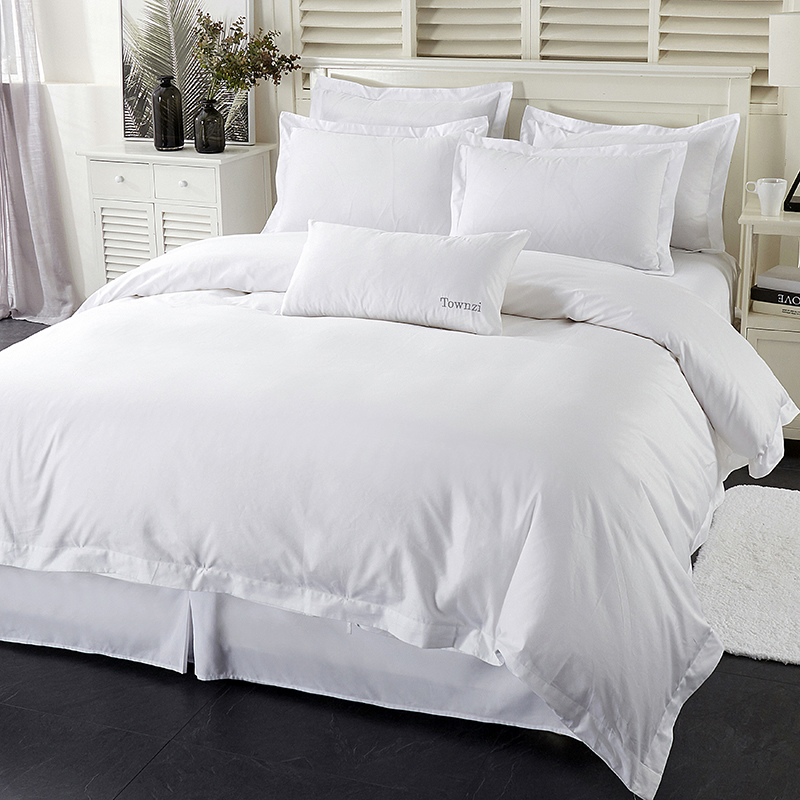
Hotels represent the accommodation pillar within HORECA, encompassing everything from boutique properties to international luxury chains. The hotel segment within HORECA demands specialized products, from commercial-grade bedding and linens to durable furniture and advanced hospitality technology systems. Hotels operating within HORECA standards prioritize consistency, durability, and guest satisfaction metrics that directly influence revenue and reputation. A HORECA-focused hotel supplier understands that linens, towels, and soft furnishings must withstand frequent industrial washing cycles while maintaining aesthetic appeal and guest comfort standards.
Restaurant and Catering Excellence in HORECA
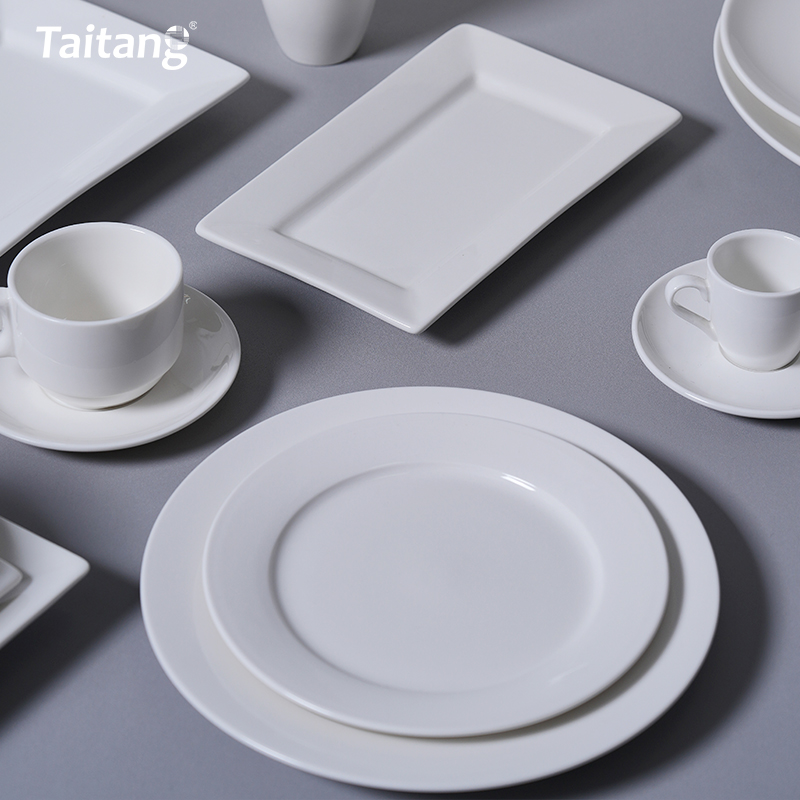
Restaurants and catering operations form the food service foundation of HORECA, requiring specialized kitchen equipment, food-safe containers, and service ware that meets stringent health and safety regulations. Within the HORECA framework, restaurant operations emphasize speed of service, food safety compliance, and cost efficiency without compromising quality. Catering businesses operating under HORECA standards must coordinate with multiple HORECA suppliers to ensure seamless event execution, from food preparation through guest service. The HORECA catering sector demands products and services that support rapid scaling, flexible menu execution, and professional presentation across varying venue types and guest counts.
Why HORECA Matters for Hospitality Businesses
Supply Chain Alignment and Vendor Selection
Understanding HORECA classification helps hospitality managers identify vendors who genuinely understand their operational context and can provide suitable solutions. HORECA suppliers stock products specifically engineered for the demands of hotel, restaurant, and catering environments, whereas general retail suppliers often lack this specialized expertise. When you source from HORECA-certified or HORECA-focused vendors, you gain access to wholesale pricing, bulk delivery logistics, and products designed for commercial durability and performance. HORECA procurement networks connect you with suppliers who understand seasonal demand patterns, quality standards, and delivery requirements unique to hospitality operations.
Quality Standards and Regulatory Compliance
HORECA products and services must meet rigorous quality, hygiene, and safety standards that exceed those required for retail consumers. Hotels utilizing HORECA bedding and linens benefit from commercial-grade construction, standardized sizing, and proven performance in high-volume laundry operations. Restaurants and catering businesses operating within HORECA frameworks comply with food safety certifications, equipment standards, and sanitation protocols that protect guests and maintain legal compliance. HORECA standards create a baseline for operational excellence that builds guest trust and protects your business from liability and reputational damage.
Cost Efficiency and Scalability
HORECA suppliers enable economies of scale that would be impossible through general retail channels, allowing hospitality businesses to reduce per-unit costs while improving product quality and consistency. When hotel operators purchase HORECA linens in bulk from specialized suppliers, they achieve pricing levels that reflect commercial volume and long-term partnerships rather than retail markup structures. Catering companies leveraging HORECA supply chains can rapidly scale operations for large events without compromising service quality or exhausting inventory. The HORECA model creates predictability in procurement, allowing hospitality managers to budget confidently and allocate resources toward guest experience enhancement.
Strategic Implementation of HORECA Knowledge
Building HORECA Supplier Relationships
Successful hospitality businesses cultivate long-term relationships with HORECA suppliers who understand their specific operational demands and growth trajectory. HORECA vendors who invest in understanding your business model can provide consultative support, recommend product upgrades aligned with your standards, and offer flexible terms that support your operational calendar. By positioning yourself as a committed HORECA client, you gain priority access to new products, preferential pricing on volume purchases, and collaborative partnerships that extend beyond transactional vendor relationships. HORECA relationships often include training support, technical consultation, and service level agreements that reduce operational friction.
Integrating HORECA Standards Across Operations
Implementing HORECA standards throughout your hospitality operation creates operational consistency, simplifies staff training, and establishes measurable quality benchmarks that improve guest satisfaction. Hotels that standardize on HORECA linens, towels, and furnishings create a cohesive guest experience across properties and elevate perceived quality in the mind of travelers. Restaurants and catering operations adopting HORECA service ware, equipment, and food handling products demonstrate professionalism and reliability that distinguish them in competitive markets. HORECA compliance becomes a tangible competitive advantage that supports marketing claims, justifies premium positioning, and builds operational efficiency through standardized processes.
FAQ
What does HORECA stand for in the hospitality industry?
HORECA stands for Hotel, Restaurant, and Catering, representing the three primary segments of the hospitality industry. This classification system is used globally by suppliers, vendors, and hospitality operators to segment markets, align product offerings, and establish specialized supply chains tailored to the unique demands of each hospitality sector.
How does HORECA influence product selection for hospitality businesses?
HORECA classification ensures that products meet the durability, safety, and performance standards required by commercial hospitality operations. Hotels seeking HORECA linens benefit from industrial-grade construction designed for frequent washing and extended lifespan, while restaurants and catering operations source HORECA equipment engineered for high-volume production and compliance with food safety regulations. HORECA designation signals that products have been tested for hospitality-specific demands rather than consumer retail applications.
Why should hospitality managers prioritize HORECA suppliers?
HORECA suppliers specialize in understanding the operational needs, regulatory requirements, and scalability demands of hospitality businesses, offering wholesale pricing, bulk logistics, and consultative partnerships unavailable through retail channels. By working with HORECA suppliers, hospitality managers gain access to products proven in commercial environments, benefit from economies of scale, and build relationships with vendors who understand their industry's unique challenges and opportunities.