
 EN
EN


Selecting the right hospitality supplies is fundamental to operational efficiency and guest satisfaction across accommodation properties. Different property types—from boutique hotels to full-service resorts, extended-stay facilities to budget chains—have distinct needs regarding quality, durability, and specification. Understanding how to align hospitality supplies with your specific property type ensures you invest in appropriate products, manage costs effectively, and maintain consistent service standards. The process requires evaluating guest expectations, operational capacity, turnover rates, and budget constraints that vary significantly across hospitality property categories.
The challenge of choosing hospitality supplies extends beyond simply purchasing items in bulk. Property managers must match supply characteristics—thread count, durability, maintenance requirements, aesthetic appeal—to the operational reality and guest profile of their specific venue. A luxury resort's linen requirements differ fundamentally from a budget motel's needs, yet both require hospitality supplies that balance quality with cost management. This guide walks through critical decision criteria, helping you evaluate property-specific factors and select hospitality supplies that support your operational goals and revenue objectives.
Assessing Your Property Type and Guest Demographics
Understanding Property Category Requirements
Each hospitality property category operates under different economic models and service standards, which directly shape what hospitality supplies make sense. Luxury hotels typically prioritize premium linens, high-quality bedding, and refined amenities that command higher room rates and attract guests expecting five-star experiences. Mid-range properties balance quality and cost efficiency, selecting hospitality supplies that project professionalism without premium pricing. Budget accommodations and extended-stay properties focus on durability and value, choosing hospitality supplies engineered for frequent laundering and rapid turnover. Understanding your property's market positioning is the first step in identifying which hospitality supplies align with guest expectations and justify your rate structure.
Guest Profile and Length of Stay Impact
Guest demographics and stay duration significantly influence hospitality supplies selection. Transient guests in quick-turnover hotels require hospitality supplies—particularly linens and towels—that withstand intense laundry cycles without rapid degradation. Extended-stay properties value hospitality supplies with softer hand-feel and longer fabric life since guests tolerate less frequent replacements. Leisure destinations can employ more decorative hospitality supplies and seasonal items, while business hotels prioritize functional, neutral-aesthetic products that project reliability. Corporate housing and serviced apartments need hospitality supplies approaching residential durability standards. Mapping your actual guest profile—business travelers, families, couples, long-term residents—helps you prioritize which hospitality supplies categories matter most and what specifications deliver genuine value.
Key Hospitality Supplies Categories and Selection Criteria
Bedding and Linen Specifications
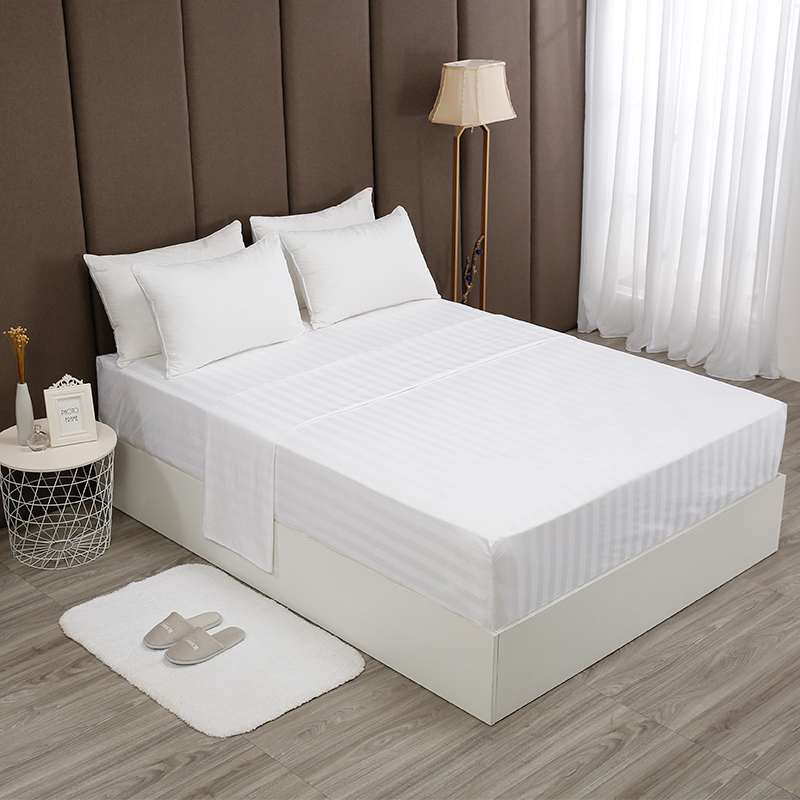
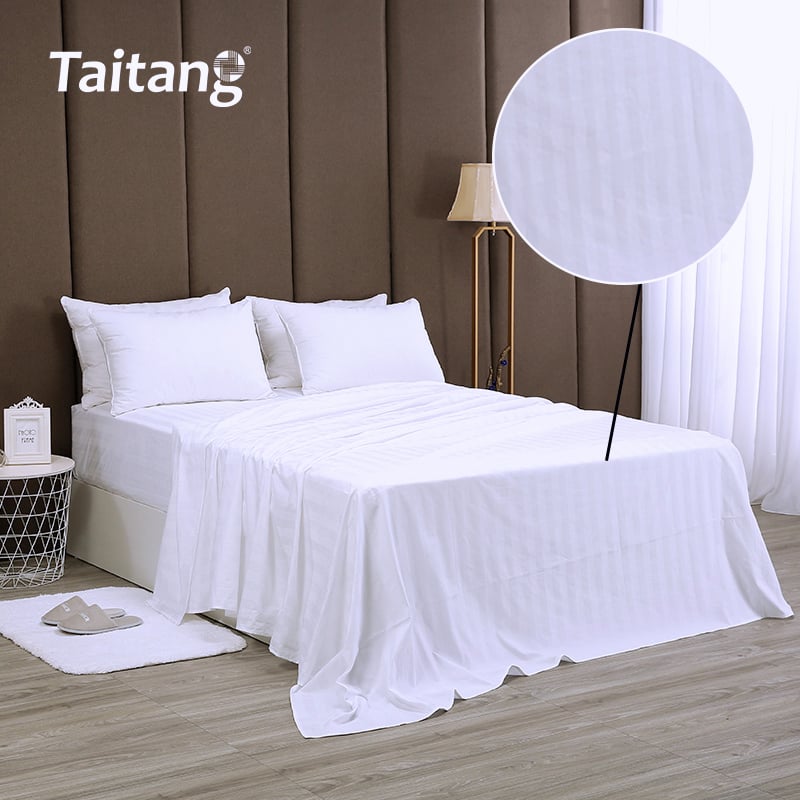
Bedding represents the largest and most visible hospitality supplies investment for accommodation properties. Thread count, fabric composition, and weave structure directly affect durability, comfort, and maintenance costs. For hospitality supplies in the bedding category, most properties choose between 200–400 thread count all-cotton or cotton-poly blends; luxury properties may select 600+ thread count premium linens. Stripe patterns—particularly engineered weaves like 3-centimeter vertical stripes—offer visual interest while providing practical benefits for hospitality supplies: stripes help housekeeping identify wear patterns and facilitate efficient color sorting during laundry. Hospitality supplies featuring reinforced seams, quality elastication on fitted sheets, and fade-resistant dyes ensure your bedding investment performs through hundreds of wash cycles. Your property type dictates whether hospitality supplies should emphasize luxury softness (premium segment) or industrial durability (budget/extended-stay segment).
Towel and Bath Amenities Selection
Bath amenities represent a second-tier hospitality supplies priority with variable importance across property types. Luxury hotels select premium hospitality supplies including plush towels, quality robes, and high-end bath products that enhance perceived value. Budget properties deploy functional hospitality supplies—standard-weight towels in neutral colors, basic soap—that minimize laundry burden and replacement frequency. Extended-stay properties need hospitality supplies bridging both needs: durable enough for frequent washing, yet pleasant enough to support retention and positive reviews. Towel weight, measured in grams per square meter, ranges from lightweight (300–400 gsm) hospitality supplies for budget properties to premium (600+ gsm) options for luxury venues. Color selection in hospitality supplies also reflects property type: neutrals and earth tones work universally, while bolder colors suit boutique properties and leisure destinations.
Guest Room Amenities and Accessories
Beyond core bedding and towels, hospitality supplies encompassing amenities and accessories vary dramatically by property segment. Luxury properties invest in hospitality supplies including pillow menu options, premium mattress pads, quality hangers, high-end notepads, and curated welcome gifts. Mid-range hospitality supplies include basic amenities, functional decor, standard toiletries, and practical supplies like luggage stands and ironing boards. Budget properties select minimal hospitality supplies focused on functional necessities only: basic hangers, notepads, small mirrors, and complimentary supplies that meet guest expectations without adding substantial cost. Extended-stay properties need hospitality supplies supporting longer residence: larger closets, additional linen sets, kitchen basics, and comfort items that approximate residential standards. Identifying which hospitality supplies categories drive guest satisfaction in your specific market allows you to allocate budgets strategically rather than uniformly across all property types.
Cost Management and Sourcing Strategies for Hospitality Supplies
Balancing Quality with Budget Constraints
Procurement of hospitality supplies requires sophisticated cost-benefit analysis rather than simply selecting lowest-price options. Cheaper hospitality supplies often fail after fewer laundry cycles, requiring premature replacement and increasing long-term costs despite lower initial pricing. Premium hospitality supplies may seem expensive initially but deliver superior value through extended fabric life, fewer replacements, and stronger guest satisfaction driving repeat bookings and positive reviews. Budget properties benefit from mid-tier hospitality supplies offering durability without luxury pricing, rather than bottom-tier products that degrade quickly. A property manager should calculate cost-per-use over two to three years rather than per-unit cost, revealing that quality hospitality supplies often prove more economical than cheapest alternatives. Establishing a hospitality supplies budget tied to revenue targets—typically 3–5% of gross room revenue—ensures procurement remains proportional to property performance and guest expectations.
Supplier Relationships and Bulk Procurement
Successful hospitality supplies sourcing depends on cultivating reliable supplier relationships and leveraging bulk purchasing power. Wholesale hospitality supplies providers offer volume discounts, consistent quality, and reliable delivery—critical factors for properties operating multiple locations or requiring consistent guest experiences. Building long-term relationships with hospitality supplies vendors creates negotiating leverage, ensures priority access during supply constraints, and often secures favorable payment terms. Digital platforms streamline reordering and inventory management for hospitality supplies, reducing administrative overhead and minimizing stockouts. Requesting samples of hospitality supplies before bulk commitments allows property teams to validate specifications, test durability, and confirm colors match property aesthetics. Establishing supplier performance metrics—on-time delivery, quality consistency, responsive support—ensures your hospitality supplies procurement remains efficient and reliable.
FAQ
How do I know which hospitality supplies specifications match my property type?
Begin by researching guest expectations and competitive standards in your market segment. Luxury properties typically benchmark against similar five-star venues, mid-range properties compare within their segment, and budget properties focus on functional adequacy. Request samples of hospitality supplies from suppliers and test them under actual operating conditions—laundry, guest use, extended wear. Review guest feedback and online reviews mentioning comfort, cleanliness, or room quality to identify which hospitality supplies aspects most influence satisfaction. Survey your housekeeping team about which hospitality supplies features improve efficiency or durability. This data-driven approach ensures hospitality supplies selections reflect your actual market position and operational needs rather than assumptions.
What hospitality supplies should I prioritize when budget is limited?
Prioritize bedding quality above all other hospitality supplies categories, since sheets directly affect guest comfort and drive satisfaction more than any other single item. Guests notice bed quality immediately and often cite poor bedding in negative reviews. Select mid-tier hospitality supplies for towels that balance durability and softness. Minimize expenditure on optional hospitality supplies—amenities, decor, specialized items—that guests perceive as nice-to-have rather than essential. Focus hospitality supplies investment on products guests directly contact: sheets, pillows, blankets, towels, and core amenities. This prioritization maximizes perceived value from limited hospitality supplies budgets and generates better guest satisfaction returns on invested dollars.
How often should I replace or refresh my hospitality supplies inventory?
Replace hospitality supplies on a cycle matching expected fabric lifespan rather than fixed schedules. Quality bedding hospitality supplies typically sustain 200–300 laundry cycles before excessive pilling, color fading, or elastic failure becomes noticeable. In busy hotels, this translates to 6–18 months; in extended-stay properties, 18–36 months. Towel hospitality supplies typically perform well for 100–150 cycles, requiring replacement every 12–24 months depending on usage intensity. Implement a rotating replacement system where you gradually introduce fresh hospitality supplies batches rather than replacing entire inventories simultaneously, smoothing budget impact and maintaining consistent quality. Track actual replacement timelines based on your specific laundry frequency and climate to optimize hospitality supplies refresh cycles aligned with real conditions rather than industry averages.