Professional Restaurant F&B Equipment: Advanced Commercial Kitchen Solutions

Get a Free Quote

Our representative will contact you soon.
Email
Name
Country/Region
WhatsApp
Company Name
Message
0/1000

restaurant f&b equipment

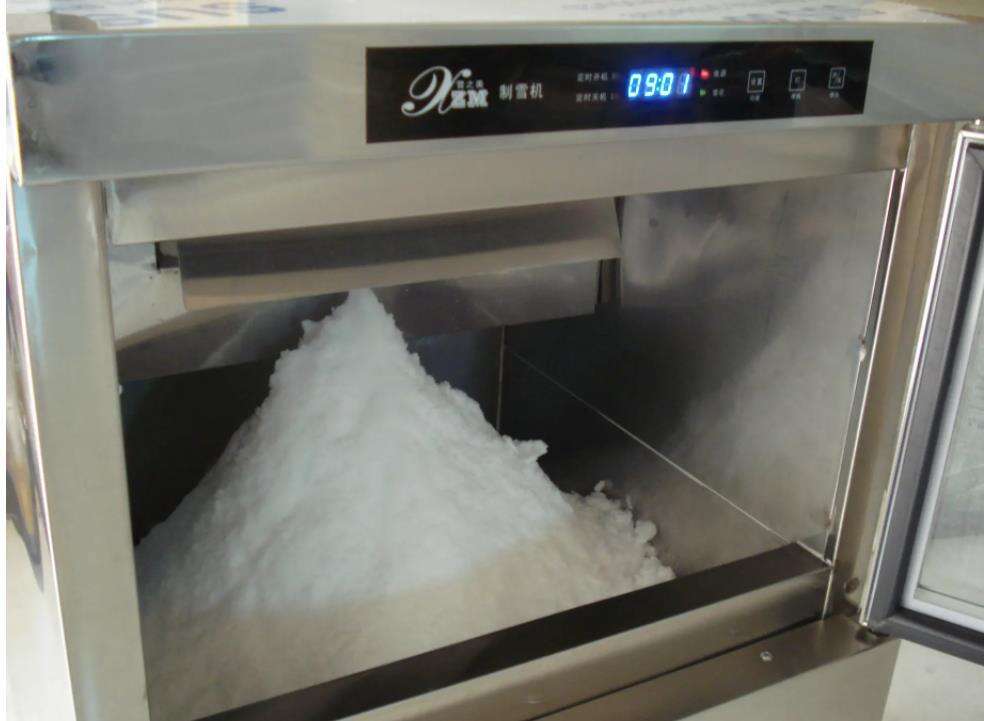
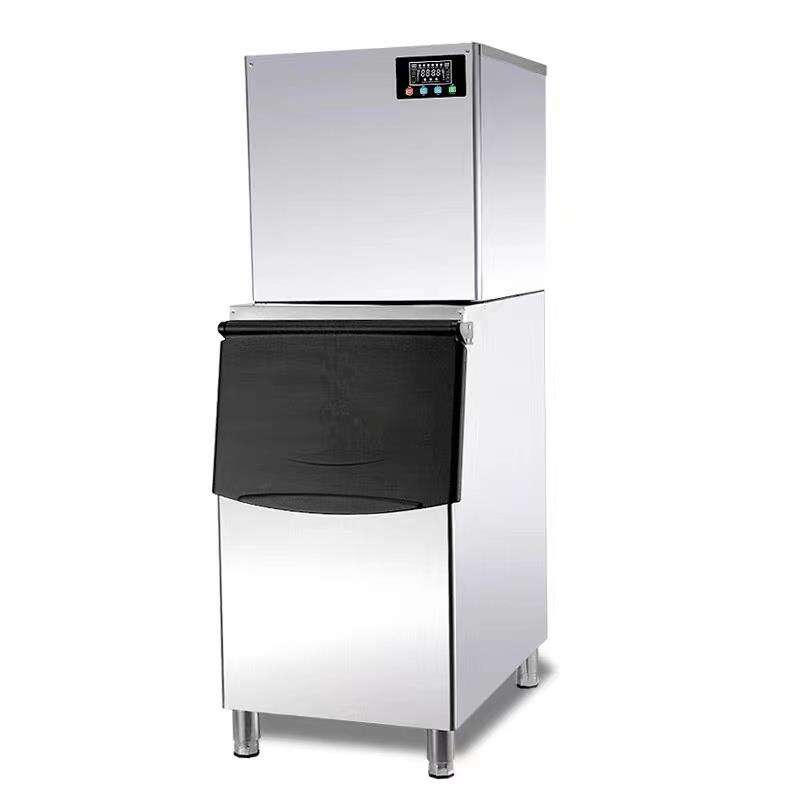
Restaurant f&b equipment represents the backbone of modern food service operations, encompassing a comprehensive range of specialized machinery and tools designed to streamline culinary processes. This sophisticated restaurant f&b equipment includes commercial-grade ovens, refrigeration systems, food processors, dishwashing machines, prep tables, grills, fryers, and beverage dispensers. Each piece serves specific functions that collectively enable restaurants to deliver consistent, high-quality food service while maintaining operational efficiency. Commercial ovens feature advanced temperature control systems and multiple cooking modes, allowing chefs to prepare diverse dishes simultaneously. Refrigeration units incorporate energy-efficient compressors and precise temperature monitoring to preserve ingredient freshness and comply with food safety regulations. Food processors equipped with variable-speed motors and interchangeable attachments facilitate rapid preparation of vegetables, meats, and sauces. Modern restaurant f&b equipment integrates cutting-edge technology including digital displays, programmable settings, and automated functions that reduce manual labor and minimize human error. Smart connectivity features enable remote monitoring and diagnostics, allowing operators to track performance metrics and schedule preventive maintenance. These technological advancements ensure consistent cooking results, optimize energy consumption, and extend equipment lifespan. The applications of restaurant f&b equipment span across various establishment types, from quick-service restaurants requiring rapid food preparation to fine dining venues demanding precision cooking capabilities. Fast-casual restaurants benefit from versatile equipment that handles high-volume orders while maintaining food quality standards. Institutional kitchens utilize heavy-duty restaurant f&b equipment designed for continuous operation and large-batch preparation. The modular design of contemporary equipment allows for flexible kitchen layouts that maximize workspace efficiency and accommodate future expansion needs. Professional-grade materials and construction ensure durability under demanding commercial conditions, while compliance with industry standards guarantees safe operation and regulatory adherence.


Popular Products

Restaurant f&b equipment delivers substantial operational benefits that directly impact profitability and customer satisfaction. These advantages begin with enhanced productivity, as modern equipment accelerates food preparation processes significantly. Commercial-grade processors and mixers complete tasks in minutes that would otherwise require extensive manual labor, allowing kitchen staff to focus on quality control and presentation. Energy efficiency represents another crucial advantage, with contemporary restaurant f&b equipment featuring advanced insulation, optimized heating elements, and intelligent power management systems that reduce utility costs by up to forty percent compared to older models. This efficiency translates into lower operating expenses and improved profit margins for restaurant owners. Consistency stands as a fundamental benefit, ensuring every dish meets established quality standards regardless of which staff member operates the equipment. Programmable settings and automated functions eliminate guesswork, producing identical results batch after batch. This consistency builds customer trust and enhances brand reputation, leading to increased customer loyalty and positive reviews. Food safety improvements represent perhaps the most critical advantage of professional restaurant f&b equipment. Built-in temperature monitoring systems prevent foodborne illnesses by maintaining proper storage and cooking temperatures throughout service. Stainless steel construction facilitates thorough cleaning and sanitization, meeting stringent health department requirements. Space optimization benefits small and large operations alike, with compact designs that maximize functionality within limited kitchen footprints. Multi-functional equipment reduces the need for separate appliances, creating more workspace for food preparation and storage. Durability ensures long-term value, with commercial-grade restaurant f&b equipment withstanding years of intensive use without significant performance degradation. This reliability minimizes unexpected breakdowns that could disrupt service and disappoint customers. Maintenance costs remain predictable through manufacturer support programs and readily available replacement parts. Staff safety improves through ergonomic designs, automatic shut-off features, and user-friendly interfaces that reduce workplace injuries. Training requirements decrease as intuitive controls and digital displays make equipment operation straightforward for new employees. Scalability allows restaurants to expand operations smoothly by adding compatible equipment modules without redesigning entire kitchen layouts. These comprehensive advantages make restaurant f&b equipment an essential investment for sustainable foodservice success.

Tips And Tricks

Stainless Steel vs. Plastic Bathroom Accessories: Which Is Better

09

Dec

Stainless Steel vs. Plastic Bathroom Accessories: Which Is Better

When renovating or designing a bathroom, selecting the right materials for your fixtures and accessories plays a crucial role in both functionality and aesthetics. The debate between stainless steel and plastic bathroom accessories continues to influ...
View More
How to Choose Hotel Amenities That Enhance Guest Experience

15

Dec

How to Choose Hotel Amenities That Enhance Guest Experience

Selecting the right amenities for your hotel can significantly impact guest satisfaction and overall experience. Modern travelers expect more than just a comfortable bed and clean room; they seek thoughtful touches that make their stay memorable and ...
View More
How to Choose Strong and Stable Banquet Tables for Hotels

14

Jan

How to Choose Strong and Stable Banquet Tables for Hotels

Selecting the right banquet tables for your hotel establishment requires careful consideration of durability, functionality, and aesthetic appeal. Hotel managers and procurement specialists must evaluate multiple factors to ensure their investment de...
View More
Stainless Steel vs. Other Utensils: What Works Best in Hotels

14

Jan

Stainless Steel vs. Other Utensils: What Works Best in Hotels

Modern hospitality design demands thoughtful integration of functional elements that enhance the guest experience while maintaining aesthetic appeal. Hotel guest storage solutions have evolved significantly beyond traditional approaches, incorporatin...
View More

Get a Free Quote

Our representative will contact you soon.
Email
Name
Country/Region
WhatsApp
Company Name
Message
0/1000

restaurant f&b equipment

Advanced Temperature Control Technology

Advanced Temperature Control Technology

Modern restaurant f&b equipment incorporates sophisticated temperature control systems that revolutionize food preparation accuracy and safety. These advanced systems utilize digital sensors and microprocessor technology to maintain precise temperatures within narrow tolerances, ensuring optimal cooking conditions for various food types. The importance of temperature control cannot be overstated in commercial kitchens, where consistent results and food safety compliance are paramount. Professional-grade ovens feature multi-zone temperature management, allowing different cooking temperatures in separate compartments simultaneously. This capability enables restaurants to prepare multiple dishes with varying temperature requirements without compromising quality or extending preparation times. Refrigeration units employ variable-speed compressors and intelligent defrost cycles that adapt to usage patterns, maintaining ideal storage temperatures while minimizing energy consumption. The technology extends beyond basic heating and cooling functions, incorporating predictive algorithms that anticipate temperature fluctuations based on door openings, ambient conditions, and load variations. This predictive capability prevents temperature spikes that could compromise food quality or safety standards. Smart connectivity features allow managers to monitor temperature data remotely through mobile applications, receiving instant alerts when temperatures deviate from preset parameters. This real-time monitoring capability proves invaluable for maintaining HACCP compliance and preventing costly food spoilage. The value proposition of advanced temperature control technology extends to operational efficiency gains. Automated preheating functions reduce wait times during busy service periods, while precision temperature maintenance eliminates overcooking or undercooking issues that could result in food waste. Recovery time improvements mean equipment returns to optimal temperatures quickly after door openings or product loading, maintaining consistent cooking conditions throughout service periods. Energy savings result from optimized heating cycles that use only necessary power to maintain desired temperatures. Documentation capabilities automatically log temperature data for regulatory compliance, reducing manual record-keeping requirements and ensuring accurate reporting for health inspections. The technology also enables menu innovation by providing chefs with precise control over cooking parameters, allowing for complex preparations that require exact temperature management. This precision empowers restaurants to offer premium menu items that differentiate them from competitors while maintaining consistent quality standards that build customer loyalty.
Energy-Efficient Performance Systems

Energy-Efficient Performance Systems

Restaurant f&b equipment manufacturers have prioritized energy efficiency as a critical design element, developing performance systems that significantly reduce operational costs while maintaining superior functionality. These energy-efficient systems incorporate multiple technologies working in concert to minimize power consumption without compromising cooking performance or food quality. The significance of energy efficiency extends beyond cost savings, contributing to environmental sustainability and regulatory compliance in markets with strict energy usage requirements. Modern commercial ovens utilize advanced insulation materials and precision heating elements that direct energy exactly where needed, eliminating heat waste through improved thermal management. Induction cooking technology represents a breakthrough in energy efficiency, transferring heat directly to cookware with minimal energy loss to surrounding air. This direct heat transfer approach reduces cooking times while using substantially less energy than traditional gas or electric cooking methods. Variable-speed motors in food processors and mixers automatically adjust power consumption based on load requirements, using minimal energy during light-duty operations while providing full power when processing dense ingredients. Refrigeration systems incorporate environmentally-friendly refrigerants and high-efficiency compressors that maintain optimal cooling performance while consuming significantly less electricity than conventional units. Smart scheduling features allow equipment to enter low-power standby modes during inactive periods, further reducing energy consumption without affecting readiness for immediate use. The economic value of energy-efficient restaurant f&b equipment becomes apparent through measurably lower utility bills and improved profit margins. Restaurants typically see energy cost reductions ranging from twenty-five to fifty percent when upgrading to efficient equipment, with payback periods often occurring within two to three years. These savings continue throughout the equipment lifespan, providing ongoing financial benefits that improve business sustainability. Energy efficiency also translates into reduced heat generation in kitchen environments, lowering air conditioning costs and improving working conditions for kitchen staff. Maintenance requirements decrease with efficient systems, as optimized energy usage reduces component stress and extends operational life. Government incentives and utility rebates often offset initial investment costs for energy-efficient restaurant f&b equipment, making upgrades more financially attractive. Environmental benefits include reduced carbon footprints and decreased strain on electrical grid systems, supporting corporate sustainability initiatives and community environmental goals. The technology continues evolving with emerging innovations like heat recovery systems that capture waste heat for other applications, further improving overall efficiency ratings.
Streamlined Maintenance and Reliability Features

Streamlined Maintenance and Reliability Features

Contemporary restaurant f&b equipment integrates sophisticated maintenance and reliability features designed to minimize downtime and extend operational life through proactive care systems. These features represent a paradigm shift from reactive maintenance approaches to predictive systems that identify potential issues before they cause equipment failures. The importance of reliable equipment cannot be understated in foodservice operations, where unexpected breakdowns can result in lost revenue, disappointed customers, and compromised food safety. Self-diagnostic capabilities continuously monitor equipment performance parameters, detecting anomalies that could indicate developing problems. These systems track operating hours, temperature variations, power consumption patterns, and mechanical stress indicators to provide comprehensive health assessments. Automated alerts notify operators when maintenance intervals approach or when performance metrics deviate from optimal ranges, enabling timely intervention before major repairs become necessary. Modular component design facilitates rapid replacement of worn parts without requiring extensive downtime or specialized technical expertise. Quick-disconnect fittings, standardized mounting systems, and accessible component layouts enable maintenance personnel to complete repairs efficiently. This design philosophy reduces labor costs and minimizes service interruptions that could impact customer service quality. Remote diagnostic capabilities allow manufacturer technicians to assess equipment status without on-site visits, providing immediate troubleshooting support and accurate repair cost estimates. This remote access capability proves particularly valuable for restaurants in remote locations or during emergency situations when immediate technical support is crucial. The reliability features extend to robust construction using commercial-grade materials specifically chosen for durability under intensive use conditions. Stainless steel surfaces resist corrosion and facilitate thorough cleaning, while reinforced mechanical components withstand repeated stress cycles without premature failure. Quality control processes ensure consistent manufacturing standards that deliver predictable performance throughout equipment lifecycles. Preventive maintenance scheduling features automatically generate maintenance reminders based on actual usage patterns rather than arbitrary time intervals, optimizing maintenance timing for maximum effectiveness. This approach prevents both premature maintenance that wastes resources and delayed maintenance that risks equipment failure. The value proposition includes significantly reduced total cost of ownership through extended equipment life, lower repair costs, and improved operational reliability. Warranty protection often extends longer for equipment with integrated maintenance systems, providing additional financial security for restaurant investments. Training resources and technical support programs ensure operators can maximize reliability benefits through proper equipment care and operation procedures.
Professional Restaurant F&B Equipment: Advanced Commercial Kitchen Solutions

Get a Free Quote

Our representative will contact you soon.
Email
Name
Country/Region
WhatsApp
Company Name
Message
0/1000