EN
EN



News
Why Hotels Prefer White Linens
Time : 2025-12-26
1. Psychological Assurance of Cleanliness: White is universally associated with purity and hygiene. It provides a clear visual guarantee of cleanliness, as any stain or imperfection is immediately visible, building instant guest trust.
2. Operational Efficiency & Cost-Effectiveness: White linens streamline operations. They are durable enough to withstand frequent high-temperature washing and bleaching without fading. This uniformity also simplifies sorting, inventory management, and replacement.
3. Superior Hygiene and Maintenance: White cotton fabrics can tolerate strong disinfectants and bleach, which are essential for meeting strict hotel hygiene standards. This rigorous cleaning process helps maintain a fresh, like-new appearance over time.
4. Subtle Aesthetic Sophistication: Luxury hotels often use various shades and textures of white (e.g., off-white, ivory) to create a layered, visually rich, and high-quality ambiance, proving that white is not plain.
Whenever you step into a hotel room, the pristine white sheets and spotless towels always bring a sense of reassurance. This white haven seems to silently tell us: "Everything is ready for you." But why are hotels so devoted to white linens? This seemingly simple choice is actually backed by a wealth of thoughtful reasoning.
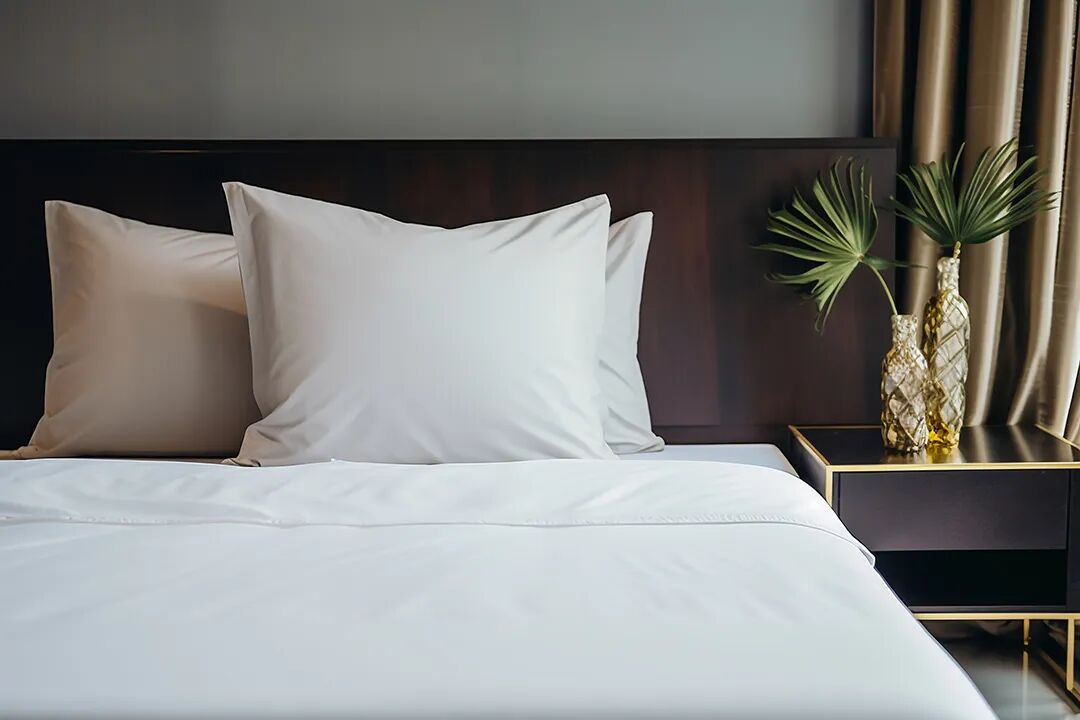
The preference for white linens in the hotel industry stems first and foremost from its irreplaceable suggestion of cleanliness. From a psychological perspective, white is the color that most directly conveys a sense of spotlessness. As guests enter the room, the sight of white bedding immediately builds trust in the hygiene standards—any stain, hair, or imperfection becomes glaringly obvious against the white backdrop. This immediate visual guarantee is more powerful than a thousand promises.
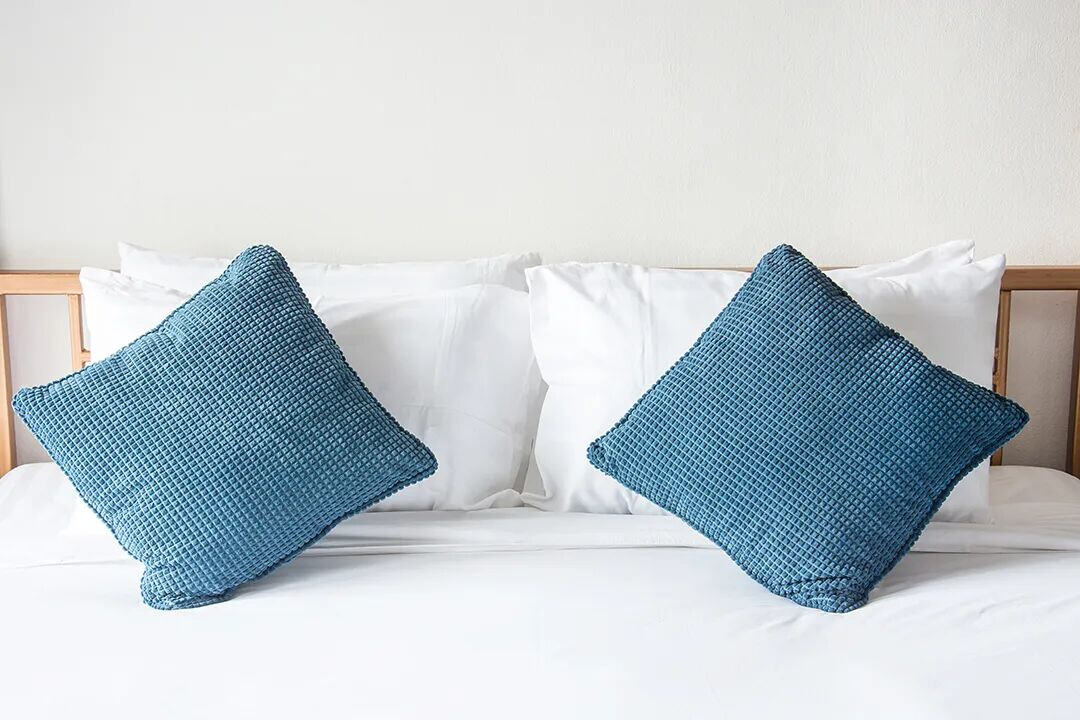
On the operational management side, white offers greater efficiency and economic benefits. Hotel linens require frequent, high-intensity washing and disinfection. White fabrics can endure repeated high-temperature washes and bleaching without concerns about color fading. Standardizing on white also simplifies the sorting, matching, and inventory management of linens, reducing the additional labor costs associated with coordinating colors.
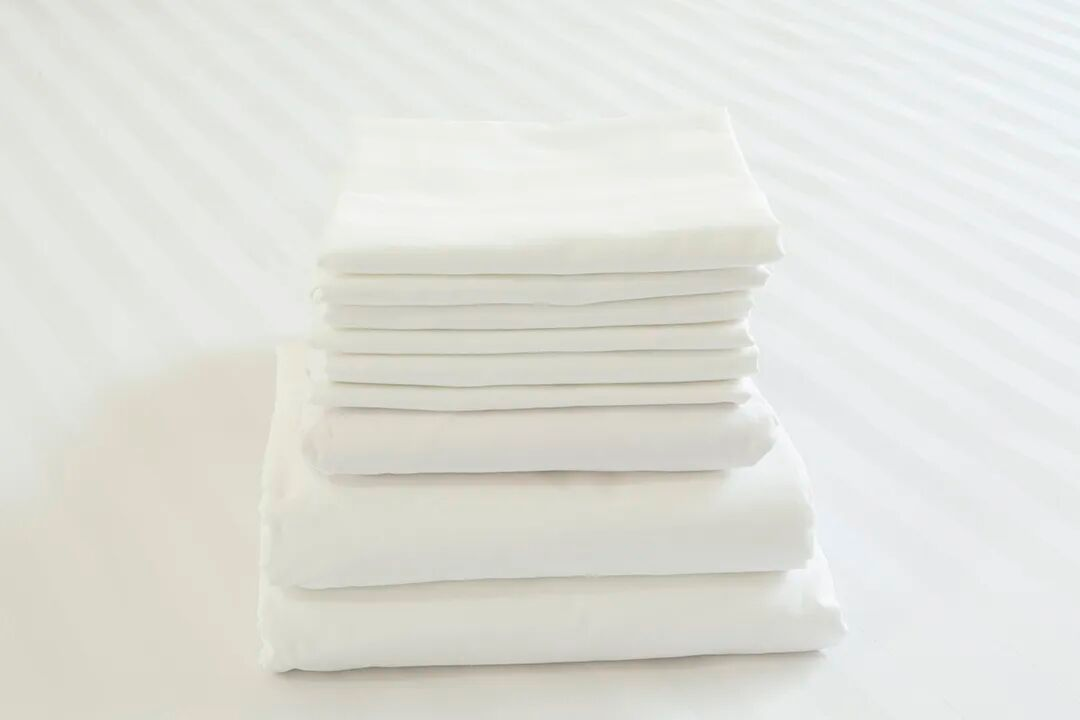
When it comes to cleaning and disinfection, white's advantages are even more pronounced. Hotel linens must meet strict hygiene standards, often necessitating the use of potent disinfecting agents like chlorine bleach in the washing process. White cotton not only tolerates these cleaning agents well but can also maintain its bright appearance through the bleaching process—something colored linens can hardly match.
Many guests might not realize it, but the "white" used in luxury hotels often contains subtle layers of variation. Different materials, weaves, and thicknesses of white fabric are cleverly combined to create a rich tapestry of texture. The bed sheets might be a slightly warm off-white, the towels a pure bright white, and decorative fabrics a soft ivory white—these subtle differences unconsciously enhance the room's visual quality.
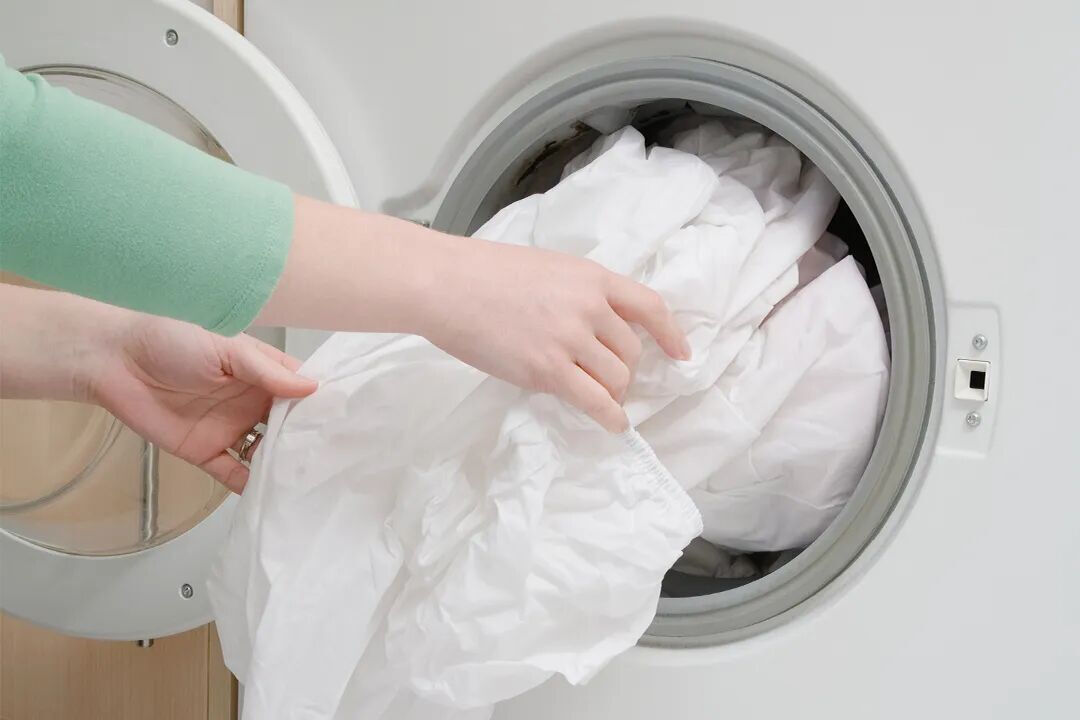
Of course, as the hotel industry becomes more diverse, colored linens have found their niche in specific segments.
Resort hotels, boutique hotels, and unique inns often experiment with light-colored or patterned linens to create a distinctive atmosphere. Soft shades of grey, beige, or light blue can maintain a professional feel while expressing individuality. However, when using these non-white linens, hotels face greater maintenance challenges.
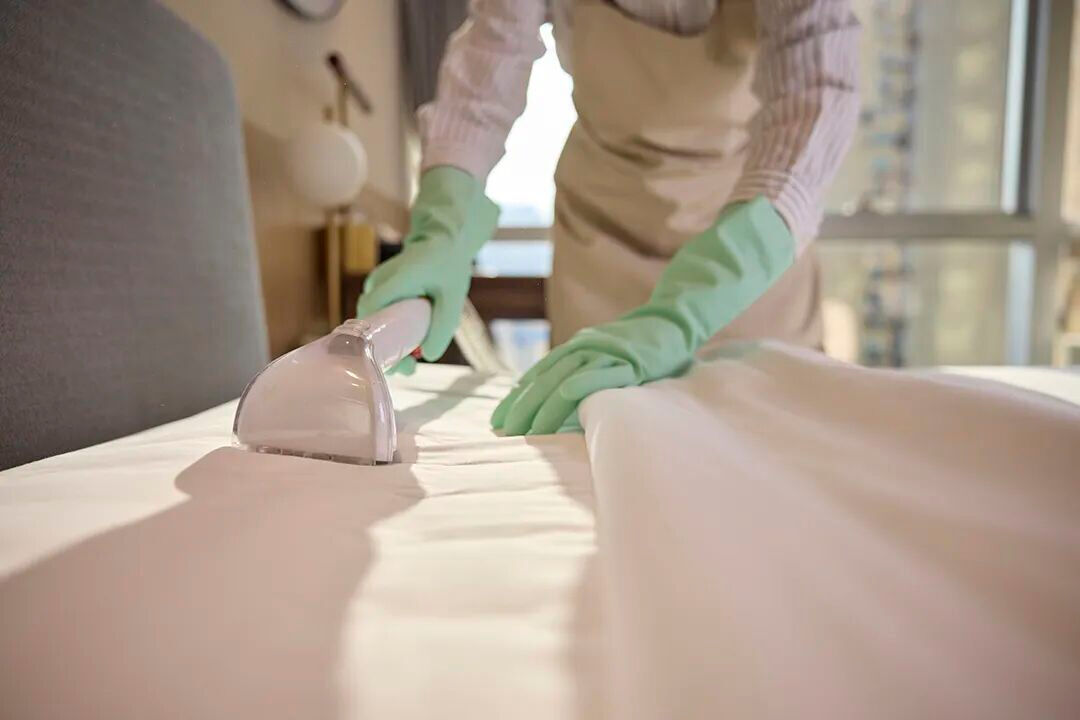
Colored linens first grapple with the issue of fading. Even when washed separately, frequent cleaning causes colors to gradually dull, and linens from different batches can develop color variations, affecting aesthetics. Secondly, to preserve color vibrancy, strong bleach cannot be used in the washing process, which places higher demands on achieving effective disinfection. Furthermore, inventory management for colored linens is more complex, and matching replacements for damaged items is much more difficult than with white.

For hotels seeking personalized expression, choosing colored linens means finding a balance between aesthetics and practicality. A common compromise is the "white first, color accents" strategy—keeping core bedding like sheets white, while adding color through throw pillows, blankets, or decorative textiles. This approach satisfies visual creativity while avoiding the bulk of the maintenance headaches.

The enduring preference for white linens in the hotel industry is no accident. It is a rational choice born from the interplay of multiple factors: hygiene standards, operational efficiency, guest psychology, and practical considerations. This expanse of white represents both a safeguard for guest well-being and a promise of hotel quality.
Next time you check into a hotel and see that pure white landscape, you might better appreciate the consideration and refinement behind its simplicity. Quality service often lies hidden within these seemingly ordinary, yet carefully deliberated, choices.
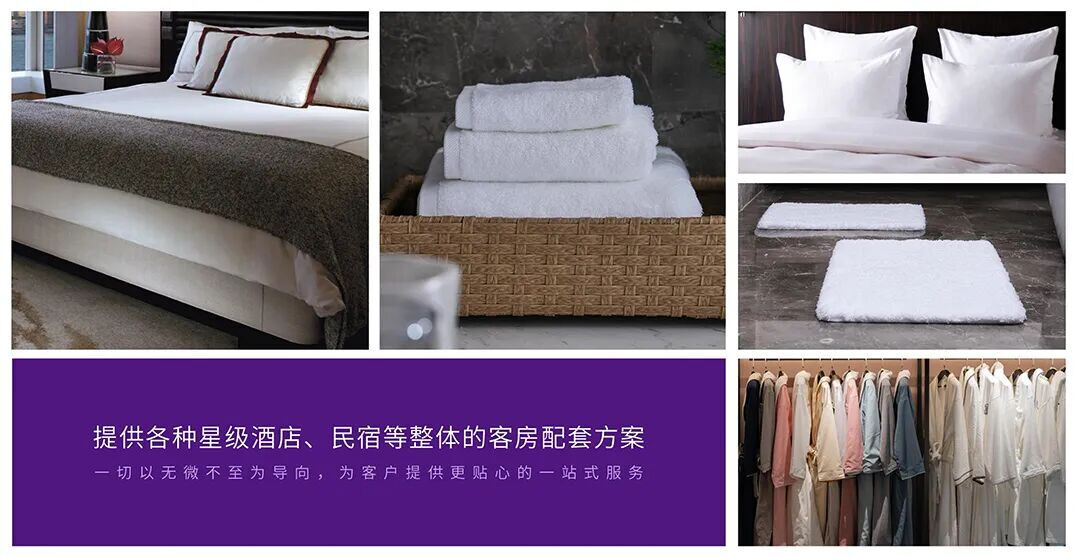
Just as Taitang has been deeply involved in the hotel supplies industry for sixteen years, consistently focusing on the R&D and production of hotel linens. From bed sheets, duvets, and pillows to bathrobes, bath towels, and face towels, every product directly impacts the guest's stay experience and the hotel's overall reputation.
We uphold a rigorous and meticulous approach to "white," integrating this dedication into every step from raw material selection to finished product delivery. We are committed to providing our hotel partners with linens that are not only clean and safe but also comfortable and durable, working with you to create a secure and comfortable travel experience for every guest.