
 EN
EN


ЖАҢЫЛЫКТАР
Сиз туура отел мини-тоңдургучун тандап жатасызбы?
Таза көрпөлөр, эргономикалык мебель жана жогорку ылдамдыктагы Wi-Fi стандарттык күтүүлөр болуп саналса, бөлмөдөгү тоңдургуч гостинин тынчтыгынын сапатын аныктайт. Түнкү 2:00 саатта чырык чыгарган компрессор түнкү убакытта шуулуу шаалоолорго, интернетте терс баалоолорго жана компенсация талаптарына алып келет. Ал эми өтө тынч гостинин бөлмөсүндөгү мини-бар гостинин тынчтыгын жогорулатат, жеке ичимдиктерин жана дарыларын сактоого мүмкүндүк берет жана бөлмө ичинде жогорку пайдада сатылган товарлардын кирешесин көбөйтөт.
B2B отел ишмерлери үчүн туура отел мини-тоңдургучун сатып алуу гостинин тажрыйбасы, термалык инженериясы, энергия менеджменти жана узак мөөнөттүү Жалпы Ээлүүлүк Чыгымдар (TCO) ортосунда теңсиздикти талап кылат. Бул сатып алуу боюнча көрсөтмө гостинин бөлмөсүндөгү мини-барларды тандаш, орнотуш, карау жана инвестициялардан кайтарылышын (ROI) максималдуу деңгээлге көтөрүү боюнча бардык маалыматтарды камтыйт; Taitang компаниясынын тажрыйбасына негизделген.
1. Мини-тоңдургучтардын ролу
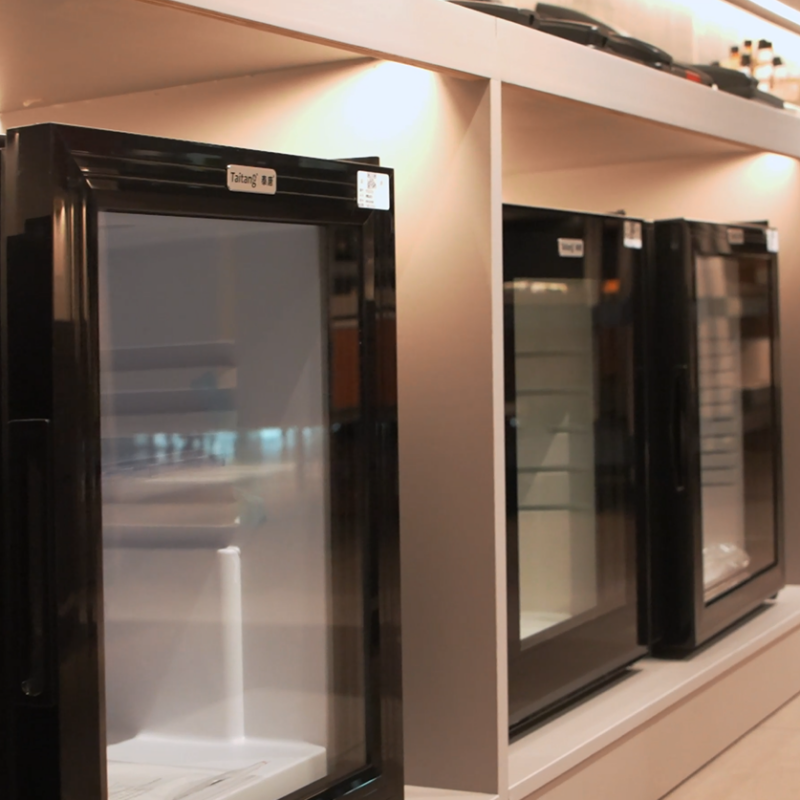
Он-дуурундагы тоңуткучтар люкс кызмат катарында өнүккөн жана бутик мейманханаларда, 5-жулдуздуу люкс курорттордо жана узак мөөнөттүү тургундук мейманханаларда да милдеттүү функция болуп калды.
1) Меймандардын ыңгайлыгын жогорулатуу: Саякатчылар шишедеги суу, өз ичимдиктери, жаңы чакан тамактар, балдардын сүтү жана температурага чөнүккөн дарыларды салып токтотуу үчүн надёждуу тоңуткуч күтүшөт.
2) Он-дуурундагы кирешени жогорулатуу: Ойлонуп жасалган мини-тоңуткучтар, айрыкча шыныдан жасалган эсиктери барлары, ичимдиктер менен чакан тамактардын импульстук сатысын түртүп, бир бөлмөгө туура келген кирешени көбөйтөт.
3) Узак мөөнөттүү тургундук үчүн конкуренттүү артыкчылык: Корпоративдик меймандар жана узак мөөнөттүү саякатчылар надёждуу тоңуткучу бар бөлмөлөрдү приоритеттүү тандашат, ошондуктан бул кайталанган корпоративдик саякат контрактарын түзүүдө негизги фактор болуп саналат.
2. Мейманханадагы мини-тоңуткучтун негизги функциялары
1) Туура салыштырма технологияны тандау
Кызматкерлердин бөлмөсүнүн профилине туура келген аппаратты тандау үчүн тоңутуу механизмин түшүнүңүз.
| Жыртып чейин технологиясы | Жыныш сүйөөсү | Салкындатуу эффективдүүлүгү | Эң жакшы жарамдуулугу |
| Абсорбциялык тоңутуу | 0 дБ | Орточо (амбиент температурасынан 3°C–12°C төмөн) | Люкс-люкс-номерлор, тынч гостьдөрдүн номерлору, жогорку сапаттагы курорттор |
| Термоэлектрлүү | Очень түнгү (~15–20 дБ) | Орточо (Эко-достуу, тоңоттуруучу жок) | Бутик-отелдор, компакттуу номерлер |
| Компрессор (Отел деңгээлиндеги) | Төмөн (28 дБ – 38 дБ) | Тез жана терең суутуу | Узун мөөнөттүү турган жайылар, жылы климаттар, жогорку колдонуу бар барлар |
2) Очень тынч иштөө
Коммерциялык отелдеги тоңуткучтар ынтымаксыз деңгээлден төмөн иштөө үчүн нуруу жоготуучу изоляция жана вибрациясыз тоңутуу циклдерин колдонот.
3) Энергиянын эффективдүүлүгү
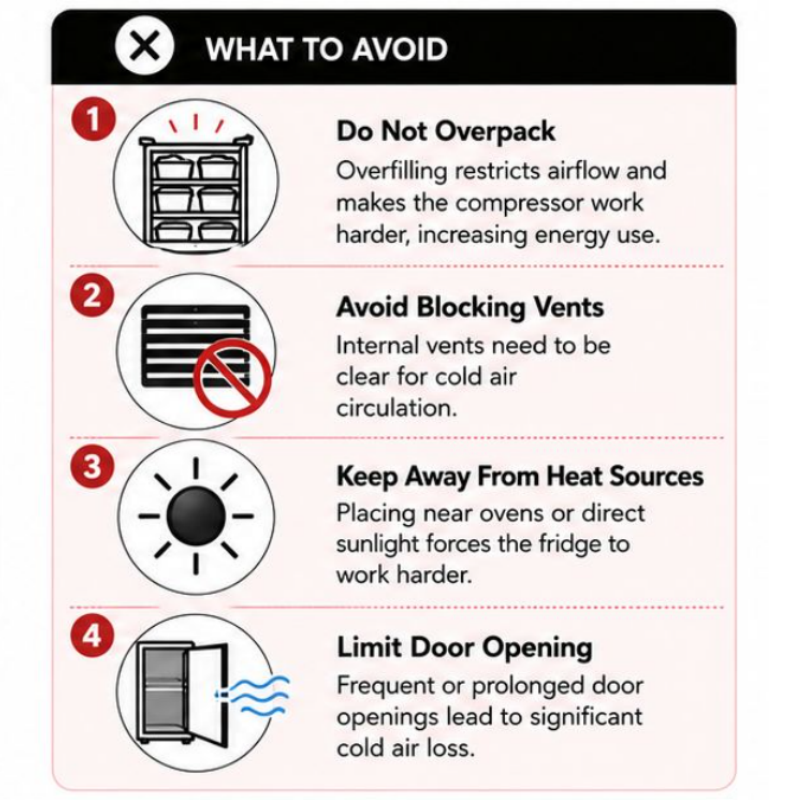
Эко-достуу, төмөн ГВП (глобалдык жылуулук потенциалы) рефрижеранттарды, калың циклопентан менен толтурулган изоляцияны жана акылдуу термостат технологиясын колдонгон энергиянын эффективдүүлүгү жогору мини-барларды издөө керек.
5) Катуу капак vs. Шыны капак
• Катуу / толтурулган капактар: Термалдык изоляцияны камсыз кылат жана энергиянын чыгымын төмөндөт. Алар энергиянын эффективдүүлүгү жана таза мебельге баштапкы орнотулушу баштапкы мааниге ээ болгон стандарттуу гость бөлмөлөрү үчүн идеалдуу.
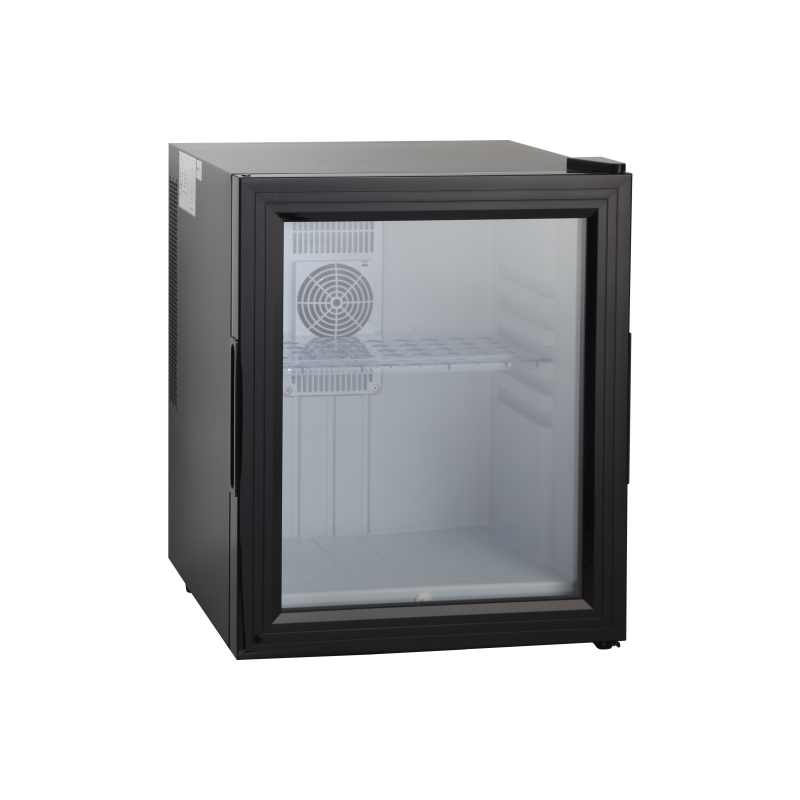
• Темперирленген шыны капактар: Бөлмө ичинде көрсөтүүнүн привлекциялык каражаты катары иштейт. Жылы ички LED жарыгы менен жупталган шыны капактагы мини-барлар суук продуктторду чакыргычтап көрсөтүп, бөлмө ичиндеги мини-бардын сатысын жогорулатат.
5) Уй-бүлө иши боюнча эффективдүүлүк
Автоматтык токтотуу функциясы бар отел мини-тоңуткучун тандоо бузулган музду жок кылат, тоңутуу эффективдүүлүгүн сактайт жана уй-бүлө иши боюнча эмгек чыгымдарын кыскартат.
3. Орнотуу жана желдетүү боюнча нускамалар
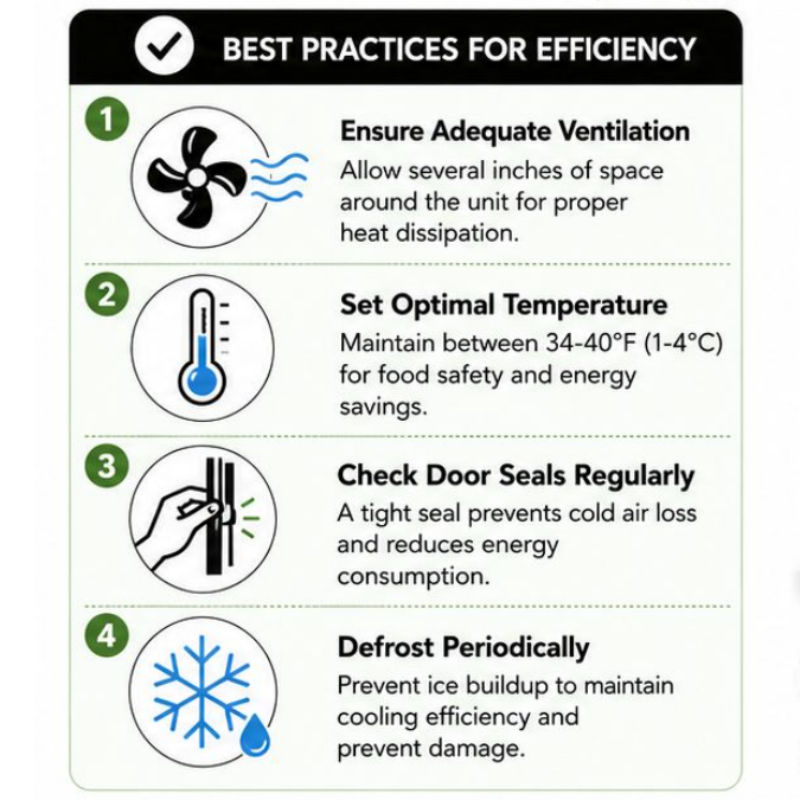
Мини-хладардын иштебей калышынын жана гостьдордун жылы сусууларга токтоо аркылуу шаарылышынын баштапкы себеби – туура эмес шкаф орнотулушу. Эгер мини-бар мебельдин ичине жетиштүү вентиляциясыз жабылса, жылуулук бирдиктин артка тарабында туткулуп калат. Бул шкафтын «түшүп калышына» алып келет, ошондуктан суутуу системасы ашыкча иштеп, энергия чыгымы көтөрүлөт жана бирдик өтө эрте иштебей калат.
Жылуулуктун туура чачырануусун камсыз кылуу жана өндүрүүчүнүн кепилдик шарттарын коргоо үчүн, ар бир имаратка орнотулган отелдеги мини-бардын орнотулушу 200 см² Эрежесине ылайык болушу керек:
• Эң азынан таза киргизүү аймагы ≥ 200 см²
• Эң азынан таза чыгаруу аймагы ≥ 200 см²
Негизги орнотулуш кадамдары
1) Түтүн түтүгүнүн агымы: Салкын аба төмөнкү плинт же топуракка тийген вентиляция ачуусунан киргенден кийин, мини-бардын корпусунун артка тарабында жогору карай көтөрүлүп, жогорку артка тарабындагы же жогорку беттеги решёткадан чыгышы керек.
2) Арткы аралык: Хладардын арткы бети менен шкафтын дубалы ортосунда эң азынан 50 мм (2 дюйм) аралык сакталышы керек.
3) Эсиктин шарнир геометриясы: Эсиктин магниттүү жабылгысын кысып албай, шкафтын эсигин бирге караатташтыруу үчүн сыргыма шарнир комплекттерин же эсик-эсик куплерлерин колдонуңуз.
4. Кызмат көрсөтүү жана караатташтыруу боюнча нускама
1) Айлык жабылгы текшерүүлөрү: Магниттүү эсик жабылгыларын трещиналар, чөп-чөп же айрым жерлерден сыйдырып чыгып жатканы үчүн текшерип, жумшак тазалоочу зат менен жылы суу менен жуунуз.
2) Төрт айлык аба агымын текшерүү: Вентиляциялык решеткаларга чөп-чөп, кийим же мейман тарабынан коюлган жүрөкчөлөрдүн тосулганын текшерип, тазалап туруңуз.
3) Конденсатордун ооруктарын тазалоо: Арткы жылуулук алмашуу аппараты же конденсатордун ооруктарын жылытма эффективдүүлүгүн сактоо үчүн жылына эки жолу вакуумдук тазалоочу менен тазалап туруңуз.
4) Температураны калибрлеоо: Сырткы температураны цифровой проба менен периоддук текшерип, ичке температуранын диапазону (тамак-аштын тез салкындатылышы үчүн 4°C–8°C) түзүлгөнүн текшерип туруңуз.
5. Тайтанг минибар сериясы
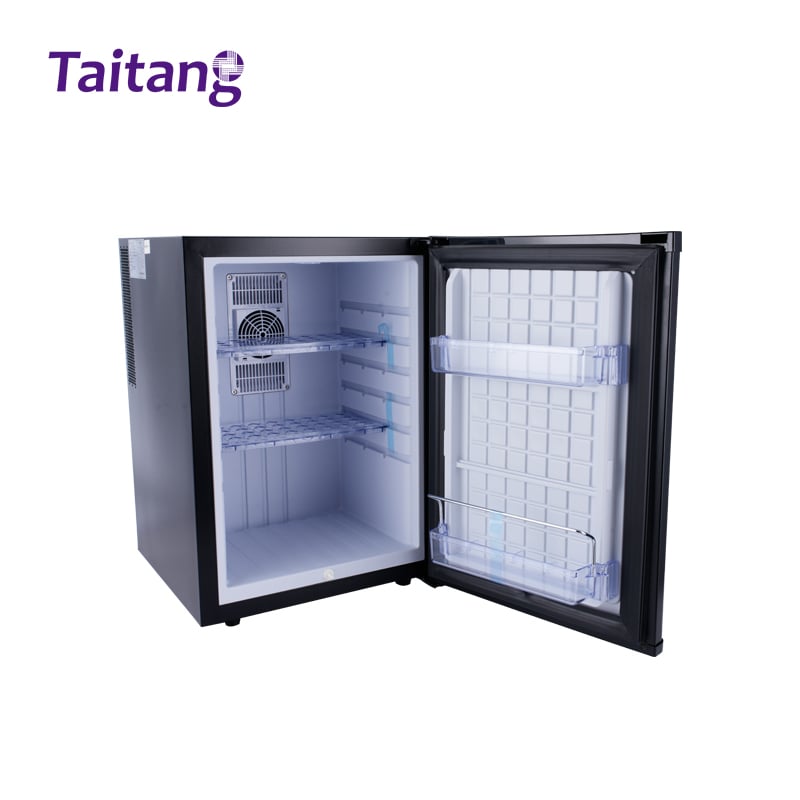
1) 40 литрлук ультра-сүүкүлдүү, энергияны утуп алуучу тооштук : Акылдуу температура контролү менен жана экологиялык таза суутек-хладагент менен иштеген 40 литрлук жогорку кубаттуулуктагы минибар.
2) 32 литрлук ультра-сүүкүлдүү, көрүнгөн эсиктүү минибар колдонуучулардын тез арада сатып алуусун талап кылган жылыткан LED жарык менен шыныдан жасалган эсик менен долбоорлонгон.
6. Отельдеги сатып алуу иштери үчүн неге Taitang тандоо кылыңыз?
Белгилүү дүйнөлүк коммерциялык отель бөлмөсүнүн жабдууларын таркатуучу компания катары, Taitang өзүнүн заводдук сапатын, жаңылыштырмакчылыктын өнүгүшүн, экологиялык таза энергияга ылайыктуулугун жана отелдерге, курортторго жана казинолорго ылайыктуу OEM/ODM чечимдерин таанытат. Бир гана отельдин жаңыртуусунан баштап, ири бренддик жайгаштырууга чейин, биздин жалпы таркатуу тармагы надёждуу жеткирүү жана техникалык колдоо камсыз кылат.
[Бүгүнкү күнү баа суроо үчүн бизге кайрылыңыз ]
Байланыштуу окуу материалдары
1. Отель бөлмөсүндөгү коопсуздук карапайларын тандаганда кайсы нерселерге көңүл бургула?
2. Эң жакшы мейманхана үтүк топтомун кандай тандаңыз?
3. Кыргызча: Отельдеги чач кургаткычты кантип тандаш керек?
4. Неге номердөгү кофе машинасы гостьтун тажрыйбасын жогорулатат?

