
 EN
EN



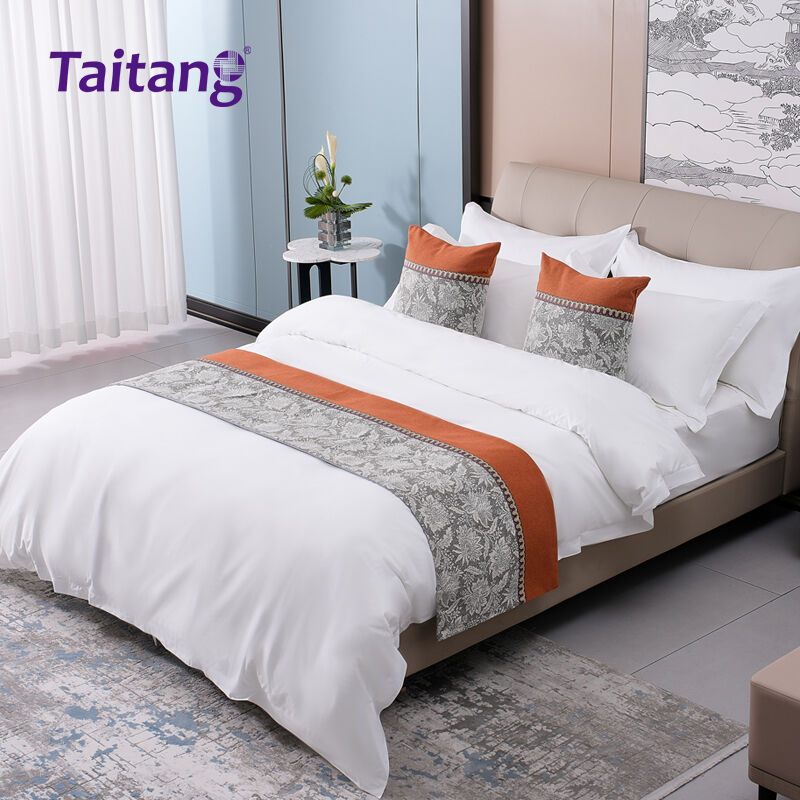
When you slip into a luxurious hotel bed, the first thing you notice is the exceptional quality and comfort of the linens. The difference between hotel-grade bed sheets and typical home bedding goes far beyond thread count alone. Understanding these distinctions can help you recreate that premium sleeping experience in your own bedroom while making informed purchasing decisions for hospitality businesses or personal use.
Material Composition and Fiber Quality
Premium Cotton Selection Standards
Hotel-grade bed sheets utilize carefully selected cotton varieties that meet stringent quality requirements. The most common choice is long-staple cotton, particularly Pima or Egyptian cotton, which creates stronger, more durable fibers. These premium materials resist pilling, maintain their shape after countless washes, and develop a softer feel over time. Commercial hospitality suppliers prioritize consistency in fiber length and quality to ensure uniform performance across large inventory orders.
The selection process for hotel-grade bed sheets involves testing cotton batches for tensile strength, moisture absorption, and colorfastness. Unlike consumer bedding that may use shorter staple cotton or cotton blends, professional hospitality linens maintain higher standards to withstand industrial laundering processes while preserving guest comfort.
Blend Ratios and Synthetic Integration
Many hotel-grade bed sheets incorporate strategic cotton-polyester blends, typically ranging from 60/40 to 80/20 cotton-to-polyester ratios. This composition provides the breathability and softness of cotton while adding polyester's wrinkle resistance and durability. The synthetic component helps maintain crisp appearance between launderings and reduces shrinkage concerns that plague pure cotton alternatives.
Professional textile manufacturers engineer these blends specifically for commercial use, ensuring the synthetic fibers integrate seamlessly without compromising comfort. The polyester content is often microfiber-based, creating a smoother surface texture that guests associate with luxury while maintaining practical benefits for housekeeping operations.
Construction Methods and Weaving Techniques
Percale Versus Sateen Weaving
Hotel-grade bed sheets predominantly feature percale weaving, which creates a crisp, breathable fabric structure ideal for year-round comfort. The one-over-one-under weaving pattern allows maximum airflow while maintaining durability under frequent washing cycles. This construction method results in sheets that feel cool against the skin and resist trapping body heat during sleep.
Some luxury hotels opt for sateen weaves in their premium suites, offering a silkier feel through a four-over-one-under construction. However, percale remains the industry standard for hotel-grade bed sheets due to its superior breathability and lower maintenance requirements. The weaving tension used in commercial production also exceeds home textile standards, creating tighter, more durable fabric structures.
Thread Count Optimization
Contrary to popular belief, hotel-grade bed sheets typically maintain moderate thread counts between 200-400 threads per square inch. This range provides the optimal balance of durability, breathability, and comfort without the excessive density that can trap heat or create laundering difficulties. Professional hospitality buyers understand that thread count alone doesn't determine quality.
The focus shifts from maximum thread count to optimal yarn quality and weaving precision. Single-ply yarns rather than multi-ply alternatives create stronger, more breathable fabrics that withstand commercial laundering while maintaining consistent performance. This approach ensures hotel-grade bed sheets deliver reliable comfort across thousands of wash cycles.
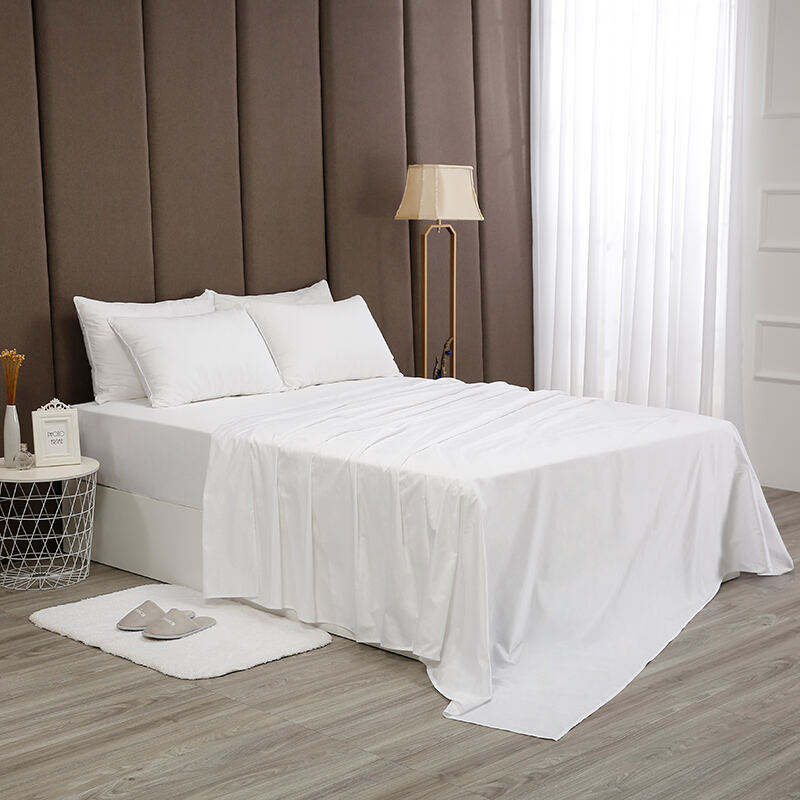
Durability Standards and Testing Protocols
Industrial Laundering Resistance
Hotel-grade bed sheets undergo rigorous testing to ensure they withstand commercial laundry operations that use high temperatures, strong detergents, and aggressive washing cycles. These linens must maintain their integrity through bleaching processes, hot water washing at temperatures exceeding 160°F, and high-heat drying that would destroy typical consumer bedding.
Testing protocols include simulated wash cycles equivalent to several years of home use compressed into accelerated timeframes. Color retention testing ensures hotel-grade bed sheets maintain their crisp white appearance even after exposure to harsh bleaching agents and industrial sanitizing chemicals used in hospitality environments.
Tensile Strength and Tear Resistance
Professional textile manufacturers subject hotel-grade bed sheets to standardized strength testing using specialized equipment that measures resistance to tearing, stretching, and seam failure. These tests simulate the stress of frequent bed making, guest movement, and housekeeping handling to identify potential weak points before production.
The reinforcement techniques used in hotel-grade bed sheets include stronger seam construction, often using French seams or reinforced edges that distribute stress more effectively. Corner construction receives particular attention, as these areas experience the most tension during fitted sheet installation and removal.
Sizing and Fit Specifications
Commercial Sizing Standards
Hotel-grade bed sheets follow standardized sizing that accommodates commercial mattresses, which often differ from residential dimensions. Professional hospitality mattresses may be thicker, requiring deeper fitted sheet pockets, or slightly larger to account for mattress pads and toppers commonly used in hotel settings.
Flat sheets in hotel-grade bed sheets sets are typically oversized to ensure proper tucking and a neat appearance after housekeeping service. This extra fabric allows for the precise hospital corners and tight bed making techniques that create the signature hotel bed presentation guests expect.
Shrinkage Control and Pre-Treatment
Pre-shrinking treatments ensure hotel-grade bed sheets maintain consistent dimensions throughout their service life. Commercial textile processors use controlled shrinkage procedures that simulate multiple wash cycles before the linens reach hotels, eliminating the dimensional changes that could affect bed making procedures.
The pre-treatment process also includes mercerization for cotton components, which strengthens fibers and improves dye absorption. This treatment contributes to the crisp feel and bright white appearance that characterizes premium hotel-grade bed sheets while enhancing their resistance to yellowing over time.
Color and Finish Characteristics
White Color Standards and Maintenance
The predominant white color of hotel-grade bed sheets serves practical and aesthetic purposes beyond creating a clean, luxurious appearance. White linens allow for aggressive bleaching and sanitizing without color degradation concerns, ensuring maximum hygiene standards in hospitality environments.
Professional white dyes and optical brightening agents used in hotel-grade bed sheets resist yellowing and maintain their brightness through repeated washing cycles. The specific shade of white is often standardized across hotel chains to ensure consistency in guest experience and brand presentation.
Surface Texture and Hand Feel
The surface finishing processes for hotel-grade bed sheets create the distinctive smooth, crisp texture that guests associate with luxury accommodations. Calendering processes apply controlled pressure and heat to create uniform surface smoothness while maintaining the fabric's breathable properties.
Chemical finishing treatments may include wrinkle-resistant applications that help maintain appearance between launderings. These treatments are carefully balanced to preserve comfort while reducing ironing requirements for housekeeping staff, contributing to operational efficiency without compromising guest satisfaction.
Performance Features and Guest Comfort
Temperature Regulation Properties
Hotel-grade bed sheets are engineered for optimal temperature regulation across diverse climates and guest preferences. The percale weave construction promotes airflow while moisture-wicking properties keep sleepers comfortable throughout the night. These thermal management features are particularly important in hospitality settings where room temperatures may vary.
The fiber composition in hotel-grade bed sheets balances cotton's natural breathability with synthetic components that enhance moisture transport away from the body. This combination creates a sleeping surface that feels cool initially while adapting to body temperature for consistent comfort.
Hypoallergenic and Antimicrobial Features
Many hotel-grade bed sheets incorporate antimicrobial treatments that inhibit bacterial growth and reduce odor retention between washings. These treatments are particularly valuable in hospitality environments where linens may experience varying levels of use before laundering cycles.
Hypoallergenic properties in hotel-grade bed sheets result from both material selection and processing methods that minimize allergen retention. The smooth fiber surfaces and tight weave construction reduce dust mite habitat while facilitating thorough cleaning during laundering processes.
Cost Considerations and Value Proposition
Initial Investment Versus Long-Term Value
While hotel-grade bed sheets typically cost more initially than consumer alternatives, their extended lifespan and performance consistency provide superior long-term value. Hotels calculate linen costs based on cost-per-use over the product lifecycle, making durability a critical economic factor.
The reduced replacement frequency of hotel-grade bed sheets offsets higher initial costs through lower inventory turnover and reduced procurement expenses. Additionally, their consistent performance reduces complaints and enhances guest satisfaction, contributing to indirect revenue benefits.
Operational Efficiency Benefits
Hotel-grade bed sheets contribute to operational efficiency through features like wrinkle resistance, consistent sizing, and easy-care properties that reduce housekeeping labor requirements. These efficiency gains translate to cost savings that accumulate significantly over time in commercial operations.
The standardized specifications of hotel-grade bed sheets also simplify inventory management and staff training, as housekeeping teams can rely on consistent product performance across all linens. This standardization reduces errors and improves service quality consistency.
FAQ
How long do hotel-grade bed sheets typically last compared to regular sheets
Hotel-grade bed sheets are designed to withstand 300-500 wash cycles while maintaining their quality and appearance, compared to 50-100 cycles for typical consumer sheets. In commercial use, this translates to 1-3 years of service life depending on occupancy rates and laundering frequency. For home use, hotel-grade bed sheets can last 5-10 years or more with proper care.
Can I wash hotel-grade bed sheets at home using regular detergent
Yes, hotel-grade bed sheets can be safely washed at home using regular household detergent and washing machines. However, they're designed for hot water washing and high-heat drying, so using these settings will help maintain their crisp texture and appearance. Avoid fabric softeners as they can reduce the sheets' moisture-wicking properties and crisp feel.
Why do hotel-grade bed sheets feel different from high thread count consumer sheets
The difference in feel comes from the weave construction and fiber treatment rather than thread count alone. Hotel-grade bed sheets use percale weaves and single-ply yarns that create a crisp, breathable texture, while many high thread count consumer sheets use sateen weaves or multi-ply yarns that feel silkier but may be less durable and breathable.
Are hotel-grade bed sheets worth buying for home use
Hotel-grade bed sheets can be an excellent investment for home use if you prioritize durability, easy care, and the classic hotel sleeping experience. They're particularly valuable for households that wash bedding frequently, prefer crisp textures, or want long-lasting linens that maintain their appearance over time. The higher initial cost is offset by their extended lifespan and consistent performance.