
 EN
EN


Terry towels have become the industry standard in hospitality settings, but understanding how they compare to other towel types is essential for making informed purchasing decisions. Whether you operate a boutique hotel, resort, spa, or vacation rental, selecting the right towel directly impacts guest satisfaction, operational costs, and brand perception. Terry towels offer distinct advantages over standard cotton weaves, microfiber blends, and budget alternatives, making them the preferred choice for hospitality professionals who prioritize both performance and longevity.
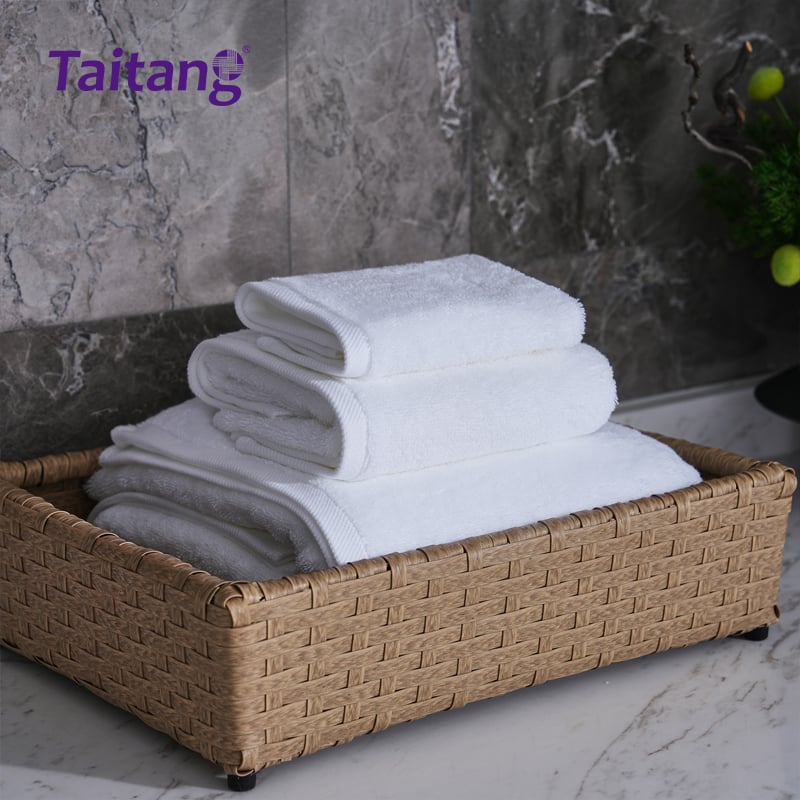
The hospitality industry demands towels that withstand frequent laundering, maintain absorbency after hundreds of wash cycles, and deliver a luxurious feel that justifies premium room rates. Terry towels excel in all three dimensions. Unlike flat-weave towels or low-quality cotton blends, terry towels feature looped pile construction that traps moisture, resists pilling, and preserves softness across the product lifecycle. This comprehensive guide compares terry towels with competing alternatives, explaining why hospitality operations choose terry towels for guest areas, staff amenities, and back-of-house applications.
Why Terry Towels Outperform Flat-Weave Alternatives
Absorbency and Moisture Retention
Terry towels deliver superior absorbency compared to flat-weave towels due to their distinctive loop structure. The loops create surface area that captures and holds water, allowing guests to dry efficiently after bathing or swimming. Flat-weave towels, by contrast, rely on dense cotton fibers without looped construction, limiting their ability to absorb moisture quickly. When hospitality businesses invest in terry towels instead of flat-weave alternatives, they reduce the number of towels guests need per stay, cutting laundry volume and water consumption. This practical advantage translates directly into operational savings and environmental benefit.
Durability Through Repeated Laundering
Hospitality laundry operations expose towels to intense heat, industrial detergents, and mechanical stress that gradually break down fiber integrity. Terry towels withstand this environment far better than flat-weave or low-ply alternatives because the looped structure distributes stress across a broader fiber base. After 100 wash cycles, quality terry towels retain 85–90% of their original softness and absorbency, whereas flat-weave towels show noticeably reduced performance. Premium terry towels maintain color fastness and resist fading even when exposed to chlorine-treated water and aggressive bleaching protocols. This durability means hospitality properties can confidently project a 2–3 year lifespan for terry towels, whereas budget alternatives require replacement every 12–18 months.
Terry Towels Versus Microfiber and Synthetic Blends
Guest Comfort and Perceived Luxury
Microfiber towels and synthetic blends have gained market share in budget hospitality segments, but they present significant drawbacks that discourage upscale properties from choosing them over terry towels. Microfiber absorbs moisture efficiently but feels plasticky against skin, lacks the thermal comfort of natural cotton terry, and can trap odors despite frequent washing. Guests at premium hotels expect terry towels because the natural fiber feel, breathability, and luxurious hand-feel align with their expectations of a high-quality stay. Terry towels communicate quality through sensory experience in ways synthetic alternatives cannot replicate. Properties that switched from microfiber to authentic terry towels report measurably improved guest satisfaction scores and higher likelihood of repeat bookings.
Long-Term Cost Efficiency
While synthetic blends sometimes cost less upfront, the total cost of ownership favors terry towels substantially. Premium terry towels typically cost 15–25% more initially but last 50–100% longer than microfiber or blended alternatives. Hospitality operations that calculate cost-per-use over a multi-year period consistently find that terry towels deliver superior value. Additionally, terry towels maintain their aesthetic appearance longer—they do not develop the fuzzing, pilling, or discoloration that degrades synthetic blends. When guests see worn or pilled towels in bathrooms, it negatively impacts their perception of cleanliness and property standards, potentially harming online reviews and booking rates. Terry towels protect brand reputation by maintaining visual quality throughout their operational lifespan.
Terry Towels in Hospitality-Specific Applications
Pool and Spa Environments
Hospitality properties operating pools, hot tubs, or spa facilities face extreme towel demands because chlorine, salt water, and constant sun exposure accelerate fiber degradation. Terry towels specifically formulated for pool use incorporate UV-resistant dyes and stabilized fiber structures that resist chlorine bleaching far better than standard alternatives. The looped construction of terry towels also resists absorbing excess chemical residue, reducing the skin irritation that sometimes occurs with flat-weave or microfiber pool towels. Properties operating in tropical or high-sun environments particularly benefit from premium terry towels because the fiber structure remains stable despite year-round intense exposure. Guests appreciate terry towels at pool areas because they feel softer, dry faster, and do not leave chemical residue on skin compared to economy alternatives.
Guest Room and Bathroom Integration
In guest rooms and bathrooms, terry towels create a multi-sensory experience that reinforces the value proposition of a hospitality stay. Guests interact with towels multiple times during their visit, and the quality of that experience influences overall satisfaction and willingness to recommend the property to others. Terry towels offer consistent performance whether used for face washing, shower drying, or post-bath relaxation. The absorbency of terry towels means guests achieve complete drying with fewer motions, enhancing the practical experience. Properties that upgrade from budget flat-weave or synthetic alternatives to quality terry towels frequently report positive guest comments specifically mentioning towel quality in online reviews. This indirect marketing effect makes terry towels a worthwhile investment for properties competing on guest experience metrics.
Understanding Terry Towel Performance Metrics
Weight, Ply, and Construction Standards
Terry towels are evaluated using three primary metrics that indicate expected performance: weight per square meter (GSM), ply count, and loop density. Premium hospitality terry towels typically range from 500–700 GSM, with higher GSM indicating greater absorbency and durability. Ply refers to the number of times yarn is twisted—two-ply terry towels are more durable than single-ply alternatives and resist unraveling after extended use. Loop density measures how tightly packed the loops are on the towel surface; higher density indicates better absorbency and slower wear progression. When comparing terry towels to other options, hospitality buyers should prioritize GSM above 550 and minimum two-ply construction to ensure the towels perform consistently across hundreds of laundry cycles. These technical specifications directly correlate with the real-world performance that guests experience and properties observe during daily operations.
Testing and Quality Assurance
Reputable terry towel suppliers conduct rigorous testing to verify that products meet hospitality industry standards. Testing protocols include accelerated laundry cycles simulating 200–300 real-world washes, colorfastness assessments, tensile strength measurements, and absorbency quantification. Properties purchasing large volumes of terry towels should request compliance documentation and test reports before committing to bulk orders. Quality assurance processes ensure that every batch of terry towels meets specified GSM, loop density, and softness parameters. This standardization protects hospitality operations by guaranteeing consistent guest experiences across all properties in a chain or across multiple stay occasions at a single property. Towels that fail quality thresholds create negative guest impressions and waste operational resources, making rigorous supplier vetting essential for hospitality organizations.
FAQ
Why do hospitality businesses prefer terry towels over flat-weave towels?
Hospitality businesses prefer terry towels because the looped structure provides superior absorbency, faster drying times, and exceptional durability through repeated industrial laundering. Terry towels also feel more luxurious to guests, directly supporting premium positioning and guest satisfaction. Flat-weave towels lack the absorbent capacity and degradation resistance that intense hospitality operations require, making them unsuitable for upscale or mid-tier properties despite lower initial cost.
How long do quality terry towels last in hospitality operations?
Quality terry towels designed for hospitality use typically maintain acceptable performance for 2–3 years with proper laundry protocols and industrial-grade equipment. This lifespan assumes weekly washing cycles and appropriate water temperature and detergent management. Premium terry towels with higher GSM ratings and superior fiber construction may extend beyond three years, whereas budget alternatives often require replacement after 12–18 months. Total cost of ownership analysis consistently demonstrates that investing in quality terry towels delivers better financial results than cycling through lower-cost alternatives.
Do terry towels perform well in chlorinated pool environments?
Premium terry towels formulated specifically for pool environments resist chlorine degradation and color fading far better than standard terry towels or synthetic alternatives. These specialty terry towels feature UV-resistant dyes and stabilized fiber structures that maintain performance despite constant exposure to chlorinated water and intense sun. Hospitality properties operating pools, spas, or water features should specify chlorine-resistant terry towels to ensure consistent guest satisfaction and extend towel lifespan in high-chemical environments. Standard terry towels may show visible yellowing or weakening after extended pool use, whereas pool-specific terry towels maintain their appearance and function throughout their operational lifespan.