
 EN
EN



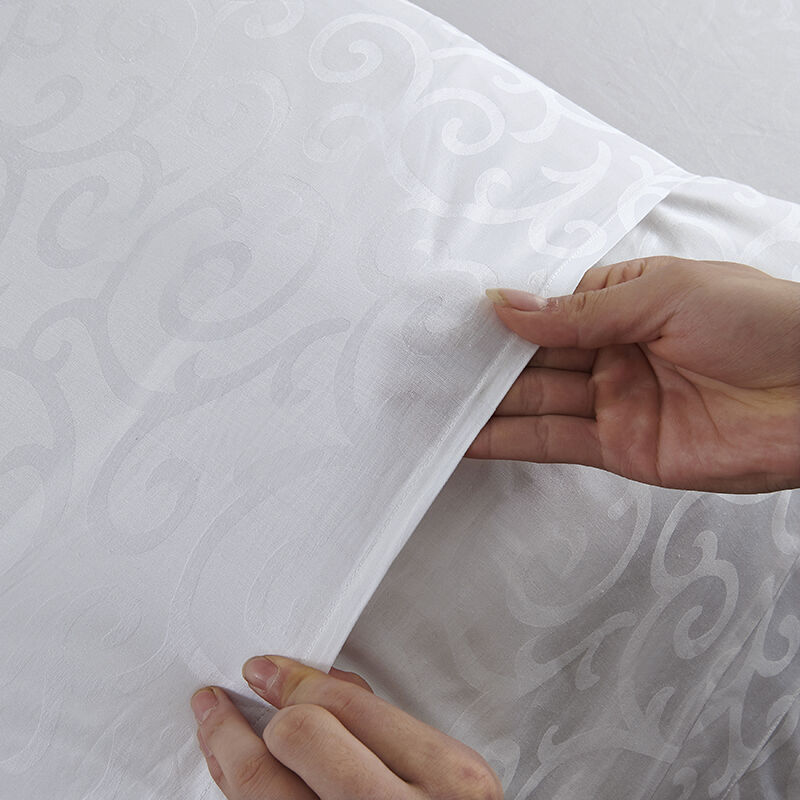
Selecting the right hotel pillow cases represents a critical decision that directly impacts guest satisfaction and operational efficiency in hospitality establishments. Professional hoteliers understand that quality bedding components, particularly hotel pillow cases, serve as foundational elements in creating memorable guest experiences while maintaining cost-effective operations. The selection process involves evaluating multiple factors including fabric composition, thread count specifications, durability requirements, and maintenance considerations that collectively determine the long-term value proposition of your investment.
Modern hospitality markets demand exceptional attention to detail across all guest touchpoints, with bedding quality serving as a primary differentiator between establishments. Hotel pillow cases must withstand intensive commercial laundering cycles while maintaining their aesthetic appeal and structural integrity throughout extended service periods. Understanding the relationship between material properties and performance characteristics enables procurement professionals to make informed decisions that balance initial investment costs with long-term operational benefits.
Understanding Fabric Materials and Thread Count Standards
Cotton Varieties and Performance Characteristics
Premium hotel pillow cases typically utilize high-quality cotton varieties that offer superior durability and comfort properties compared to synthetic alternatives. Percale cotton weaves provide exceptional breathability and crisp texture that many guests associate with luxury hotel experiences, while sateen finishes deliver smooth surfaces with subtle sheen effects. Egyptian cotton and Pima cotton represent top-tier material choices for hotel pillow cases, offering extended fiber lengths that contribute to enhanced strength and reduced pilling tendencies over time.
Commercial-grade cotton blends incorporate synthetic fibers to improve wrinkle resistance and dimensional stability, particularly beneficial in high-volume hospitality environments where operational efficiency matters significantly. These blended fabrics maintain acceptable comfort levels while reducing maintenance requirements and extending service life compared to pure cotton alternatives. The selection between pure cotton and blended materials for hotel pillow cases depends primarily on budget constraints, guest demographic preferences, and operational priorities within specific hospitality segments.
Thread Count Considerations for Commercial Applications
Thread count specifications directly influence the performance characteristics and perceived quality of hotel pillow cases, though higher numbers do not automatically guarantee superior results in commercial environments. Industry standards typically recommend thread counts between 200 and 400 for optimal balance between durability, comfort, and cost-effectiveness in hospitality applications. Excessively high thread counts can create overly dense fabrics that trap moisture and reduce breathability, potentially compromising guest comfort during extended sleep periods.
Professional procurement teams evaluate thread count alongside weave patterns and fiber quality to determine overall suitability for specific hotel operations. Single-ply yarns generally provide better longevity compared to multi-ply constructions in commercial laundering environments, while balanced thread counts in warp and weft directions ensure uniform wear patterns. Understanding these technical specifications enables hoteliers to select hotel pillow cases that deliver consistent performance throughout their intended service life while meeting guest expectations for comfort and quality.
Durability Requirements and Commercial Laundering Compatibility
Washing Cycle Endurance and Color Retention
Commercial laundering presents unique challenges for hotel pillow cases, requiring fabrics that maintain structural integrity through hundreds of washing cycles while preserving color consistency and dimensional stability. High-temperature washing processes, aggressive detergents, and mechanical stress during commercial laundering operations can rapidly degrade inferior materials, resulting in premature replacement costs and inconsistent guest experiences. Quality hotel pillow cases should demonstrate resistance to shrinkage, fading, and fiber breakdown when subjected to standard commercial laundering protocols.
Professional-grade hotel pillow cases incorporate advanced fiber treatments and construction techniques that enhance durability without compromising comfort properties. Pre-shrunk fabrics eliminate dimensional changes during subsequent washing cycles, while colorfast dyes prevent bleeding and fading that can compromise visual appeal. Testing protocols should evaluate performance after 200-300 commercial wash cycles to ensure selected hotel pillow cases meet operational requirements for your specific hospitality environment.
Stain Resistance and Maintenance Efficiency
Effective stain resistance represents a critical performance characteristic for hotel pillow cases, directly impacting operational costs and guest satisfaction levels. Advanced fabric treatments can provide soil-release properties that facilitate easier stain removal during standard laundering processes, reducing the need for specialized cleaning procedures or premature replacement. These treatments must maintain effectiveness throughout the expected service life without compromising fabric softness or breathability characteristics.
Maintenance efficiency considerations extend beyond basic cleaning requirements to include factors such as drying time, wrinkle resistance, and storage requirements for hotel pillow cases. Quick-drying fabrics reduce energy consumption and increase inventory turnover rates, while wrinkle-resistant properties minimize pressing requirements and associated labor costs. Evaluating these operational factors alongside initial purchase costs provides accurate total cost of ownership calculations that inform procurement decisions.
Size Specifications and Fit Considerations
Standard Sizing Requirements for Different Pillow Types
Proper sizing represents a fundamental requirement for hotel pillow cases, ensuring secure fit and professional appearance across various pillow dimensions commonly used in hospitality applications. Standard pillow cases typically measure 20 inches by 30 inches to accommodate regular-sized pillows, while king-size options measure 20 inches by 36 inches for larger pillow formats. European square pillows require specialized cases measuring 26 inches by 26 inches, popular in upscale hospitality environments for decorative and functional purposes.
Dimensional accuracy becomes particularly important when procuring hotel pillow cases in large quantities, as variations in sizing can result in poor fit, reduced visual appeal, and increased replacement frequency. Quality manufacturers maintain tight tolerances on finished dimensions while accounting for shrinkage allowances that ensure proper fit throughout the product lifecycle. Procurement specifications should include detailed measurements and tolerance requirements to ensure consistency across delivery batches.
Closure Mechanisms and Security Features
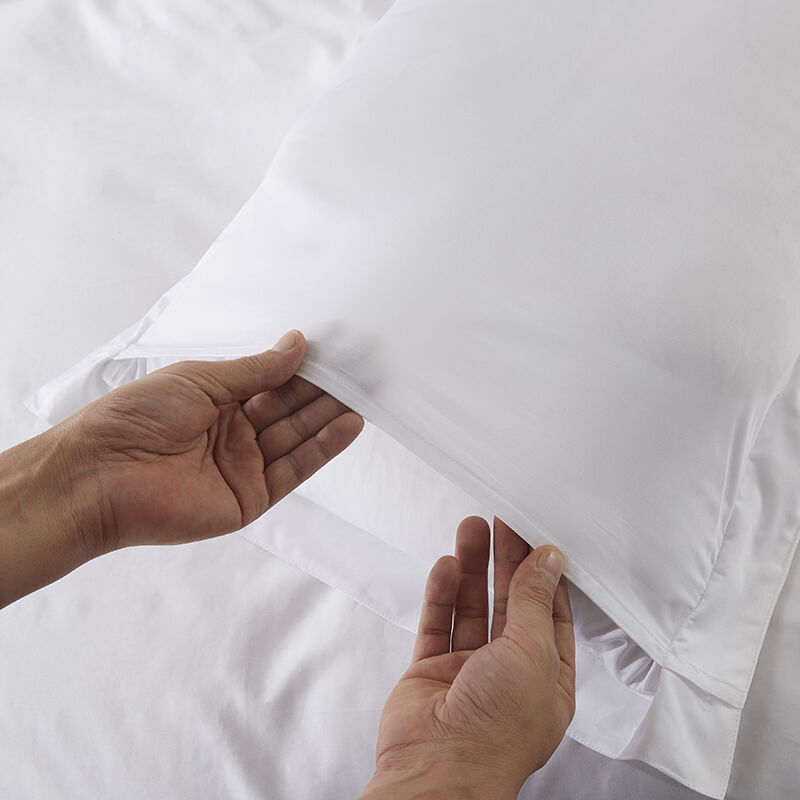
Closure design significantly impacts the functionality and durability of hotel pillow cases, with envelope-style closures representing the most common and practical option for commercial applications. These closures provide secure pillow retention while facilitating easy removal for laundering purposes, essential for efficient housekeeping operations. The closure overlap should measure at least 4-6 inches to prevent pillows from working loose during normal use while maintaining neat appearance.
Alternative closure mechanisms such as zipper systems or button closures may offer enhanced security but can complicate laundering processes and increase maintenance requirements for hotel pillow cases. Envelope closures with reinforced seams provide optimal balance between functionality, durability, and operational efficiency in most hospitality environments. The selection of closure type should align with specific operational requirements and housekeeping procedures established within your hotel property.
Color Selection and Aesthetic Considerations
Classic White Versus Alternative Color Options
White remains the predominant color choice for hotel pillow cases across most hospitality segments, offering timeless appeal, versatility, and practical advantages in commercial laundering environments. White fabrics facilitate effective bleaching treatments for stain removal and sanitization while providing neutral backgrounds that complement diverse interior design schemes. The psychological associations with cleanliness and luxury make white hotel pillow cases particularly effective in establishing positive first impressions among guests.
Alternative color options for hotel pillow cases can provide differentiation opportunities and enhanced aesthetic appeal, particularly in boutique properties or themed accommodations. However, colored fabrics may present challenges in terms of stain visibility, fading resistance, and inventory management complexity. Darker colors can effectively conceal minor stains but may show lint, dust, or soap residue more readily than white alternatives. The decision between white and colored hotel pillow cases should consider brand positioning, target demographics, and operational capabilities.
Brand Consistency and Design Integration
Effective brand integration through hotel pillow cases requires careful consideration of color coordination, pattern selection, and overall aesthetic harmony within guest room environments. Consistent color palettes across all bedding components create cohesive visual experiences that reinforce brand identity and perceived quality levels. Hotel pillow cases should complement existing décor elements while maintaining flexibility for future design updates or seasonal variations.
Custom embroidery or monogramming options can enhance brand recognition and perceived luxury levels for hotel pillow cases, particularly in upscale market segments. These customization features must be evaluated against additional costs, minimum order requirements, and potential limitations in supplier flexibility. Simple, elegant approaches to branding typically prove most effective while maintaining operational efficiency and cost-effectiveness over time.
Supplier Evaluation and Procurement Strategies
Quality Assurance and Testing Protocols
Comprehensive supplier evaluation processes ensure that hotel pillow cases meet established quality standards and performance requirements before large-scale procurement commitments. Quality assurance protocols should include fabric testing for tensile strength, colorfastness, dimensional stability, and resistance to pilling or other forms of degradation. Independent laboratory testing provides objective verification of manufacturer claims and helps identify potential performance issues before they impact guest experiences.
Supplier audits examine manufacturing processes, quality control systems, and production capabilities that directly influence the consistency and reliability of hotel pillow cases deliveries. Established suppliers with proven track records in hospitality markets typically offer greater assurance of product quality and delivery reliability compared to unknown manufacturers. Reference checks with other hospitality clients provide valuable insights into real-world performance and supplier responsiveness to quality issues or service requirements.
Cost Analysis and Value Optimization
Effective cost analysis for hotel pillow cases extends beyond initial purchase prices to encompass total lifecycle costs including maintenance, replacement frequency, and operational impacts. Higher-quality products may justify premium pricing through extended service life, reduced replacement costs, and enhanced guest satisfaction levels. Detailed cost modeling should include factors such as laundering requirements, energy consumption, labor costs, and inventory management expenses.
Volume purchasing strategies can deliver significant cost advantages for hotel pillow cases while ensuring adequate inventory levels for operational requirements. Seasonal procurement planning helps optimize cash flow and storage requirements while taking advantage of manufacturer production cycles and pricing incentives. Long-term supply agreements may provide price stability and priority allocation during periods of high demand or material shortages affecting the hospitality industry.
Implementation and Inventory Management
Transition Planning and Guest Impact Minimization
Successful implementation of new hotel pillow cases requires careful planning to minimize disruptions to guest services while ensuring consistent quality standards across all room types. Phased replacement schedules allow for gradual inventory turnover while maintaining adequate supplies for daily operations. Staff training programs ensure proper handling, storage, and maintenance procedures that maximize the service life and performance of new hotel pillow cases.
Quality monitoring during the initial implementation phase helps identify potential issues and allows for corrective actions before they impact guest satisfaction levels. Feedback collection from housekeeping staff provides valuable insights into practical performance characteristics and operational challenges that may not be apparent during initial evaluation processes. Regular assessments ensure that selected hotel pillow cases continue to meet operational requirements and guest expectations throughout their service life.
Storage and Inventory Control Systems
Proper storage conditions preserve the quality and appearance of hotel pillow cases while maximizing inventory turnover and minimizing carrying costs. Climate-controlled storage areas protect fabrics from moisture damage, pest intrusion, and environmental contamination that can compromise product quality. Organized storage systems facilitate efficient inventory rotation using first-in-first-out principles that prevent degradation from extended storage periods.
Inventory management systems should track usage patterns, replacement cycles, and performance characteristics for hotel pillow cases across different room categories and usage levels. Data-driven approaches enable optimization of inventory levels while identifying opportunities for procurement efficiency improvements. Regular inventory audits verify accuracy and identify potential shrinkage or quality issues that may require corrective action.
FAQ
What thread count should I look for in commercial hotel pillow cases
For commercial applications, thread counts between 200-400 provide the optimal balance of durability, comfort, and cost-effectiveness for hotel pillow cases. Higher thread counts don't necessarily mean better performance in commercial laundering environments and may actually reduce breathability and increase costs without proportional benefits.
How often should hotel pillow cases be replaced in commercial operations
Quality hotel pillow cases should typically last 200-300 commercial wash cycles, which translates to approximately 12-18 months in most hotel operations depending on occupancy rates and laundering frequency. Regular inspection for signs of wear, fading, or damage helps determine optimal replacement timing to maintain guest satisfaction standards.
Are cotton blends or pure cotton better for hotel pillow cases
Cotton blends often perform better in commercial hotel environments because they offer improved wrinkle resistance, dimensional stability, and durability compared to pure cotton options. While pure cotton may feel more luxurious, blended fabrics typically provide better long-term value and easier maintenance for hotel pillow cases in high-volume operations.
What special features should I consider for hotel pillow cases in different market segments
Luxury hotels may benefit from higher thread counts, premium cotton varieties, and custom embroidery options for their hotel pillow cases, while budget properties should prioritize durability and easy maintenance. Mid-market hotels typically find the best value in quality cotton blends with thread counts around 250-300 that balance comfort with operational efficiency.
Table of Contents
- Understanding Fabric Materials and Thread Count Standards
- Durability Requirements and Commercial Laundering Compatibility
- Size Specifications and Fit Considerations
- Color Selection and Aesthetic Considerations
- Supplier Evaluation and Procurement Strategies
- Implementation and Inventory Management
- FAQ