standard pillow case
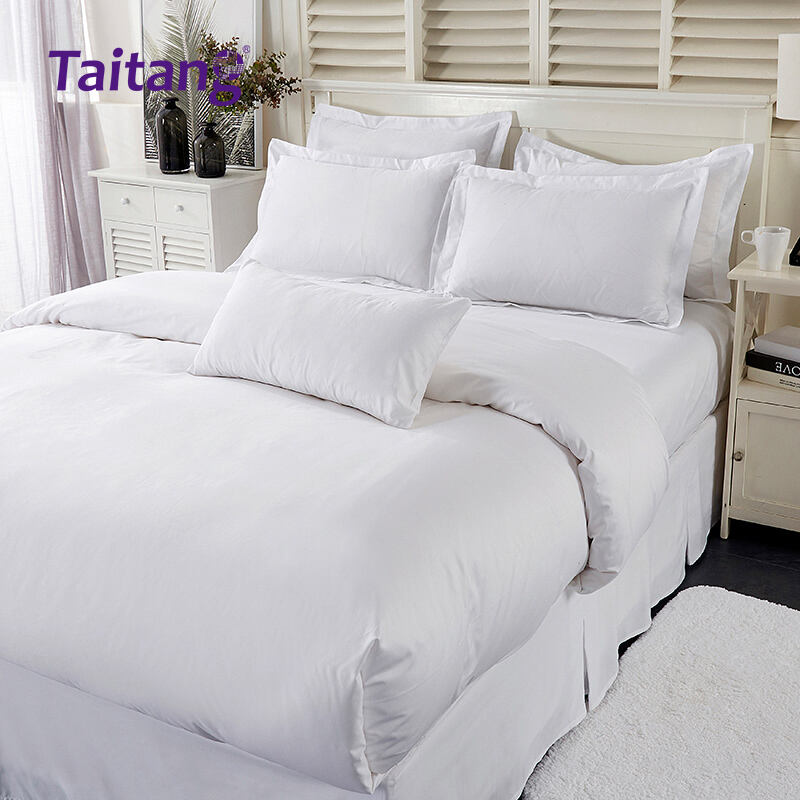
A standard pillow case serves as the essential protective covering for pillows, designed to maintain hygiene, comfort, and aesthetic appeal in bedrooms worldwide. This fundamental bedding accessory functions as a removable sleeve that completely encases pillows, creating a barrier between the sleeper's face and hair and the pillow's core material. The standard pillow case typically measures 20 by 30 inches, accommodating most regular-sized pillows used in homes, hotels, and dormitories. Modern standard pillow cases incorporate various technological features that enhance user experience. These include envelope closures that secure pillows without zippers or buttons, ensuring smooth surfaces that prevent skin irritation during sleep. Many feature reinforced seams using double-stitching techniques that withstand repeated washing cycles and daily use. Advanced fabric treatments such as wrinkle-resistant finishes, moisture-wicking properties, and antimicrobial coatings are increasingly common in contemporary designs. The applications of standard pillow cases extend beyond basic protection. They play crucial roles in interior design, allowing homeowners to coordinate bedroom aesthetics through color schemes and patterns. Healthcare facilities rely on standard pillow cases for infection control protocols, while hospitality businesses use them to maintain consistent cleanliness standards. Educational institutions and military facilities depend on these accessories for efficient laundry management systems. Material composition varies significantly, with cotton, polyester, bamboo, and blended fabrics each offering distinct characteristics. Cotton standard pillow cases provide breathability and natural comfort, while polyester versions offer durability and easy maintenance. Bamboo options deliver hypoallergenic properties and temperature regulation, making them suitable for sensitive sleepers. The manufacturing process involves precise cutting, sewing, and quality control measures to ensure consistent dimensions and structural integrity. Modern production techniques incorporate automated systems that maintain uniform stitching patterns and eliminate defects, resulting in reliable products that meet consumer expectations for both functionality and longevity.

 EN
EN