
 EN
EN


NOVI
Quomodo Commerciales Hospitii Lini Proprie Lavare? Plena Commercialis Curae Directiva
In industria hospitalitatis, linteamina sunt magna impensa operativa et punctum contactus cum satisfactione hospitis. Tela stragularia praestantia pro hotelibus ita sunt fabricata ut sensum acutum, aspectum pristinum et constantem durabilitatem praebere possint. Tamen, ut haec experientia quinque stellae per centenos ciclos lavationis alti voluminis servetur, ratio scientifica requiritur.
Hoc est opus professionale quod viam praebet ad systema curae textilium pro hotelibus instituendum, ad investitionem tuendam et ad operationes lavanderiarum optimizandas.
1. Cur stragulae pro hospitalitate curam specialem postulent?
Lectuli hotalici commerciales subiiciuntur continuo frictioni mechanicae, extremae expositioni chymicis, et rapidae substitutioni. Saepissime stratum hotalicum lavatur ter quinqueve in hebdomade. Sine rigido protocollum curae, praedia vulnerabilitatibus criticis obnoxia sunt:
1) Accelerata Degradatio Fibrorum: Alta temperatus et agitatio vehemens fibras cotoneas longae stapulae praemature dissolvunt, vitae spatium stratorum dimidiantes.
2) Rates Contractilis Incontrolabilis: Linum hotalicum alti gradus fabricatur cum praedicta allowance contractilis. Impropria chymia lavandi aut excesus caloris causant deformationem imprevistam, ut strata ad dimensiones matricularum non bene aptentur.
2. Strategiae Classificationis & Sortationis Ante Lavationem
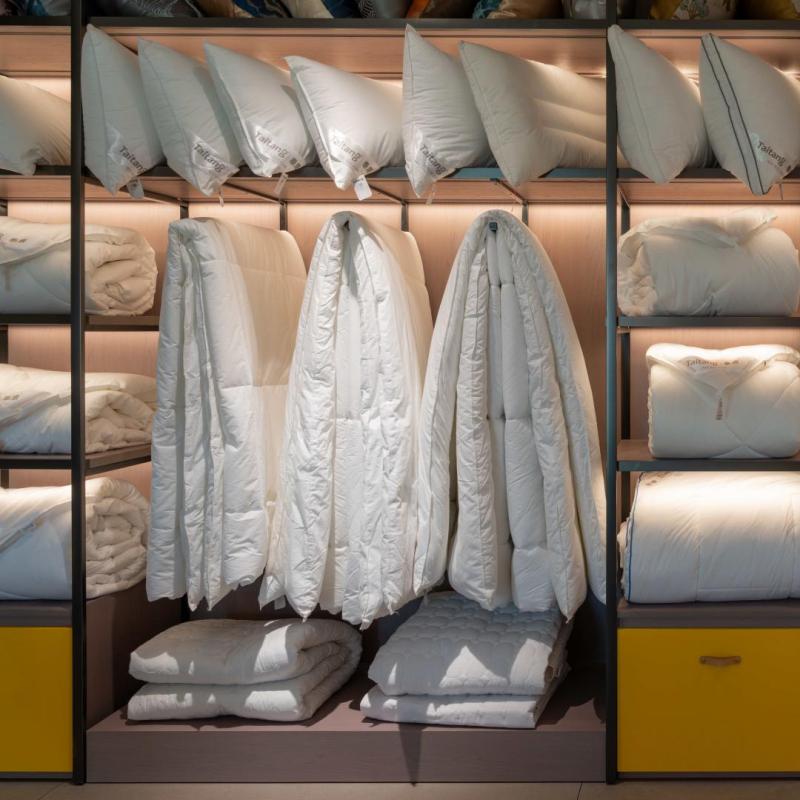
Mixtura textuum incompatibilium intra lavatorem industrialem causa prima est praematurae canities et pilositas textuum.
A. Secundum Compositionem Materialem & Texturam
1) 100% Cotoneum Longae Stapulae: Notum est pro frigida, opaca superficie. Est valde durabile, sed requirit inferiorem calorem initialis siccationis ad rugas reprimendas.
2) Sateen ex puro cotone: Splendorem sericum habet cum structura texturae propria. Sateen requirit agitationem leniorem et tractationem inversam (intus versus foras) ut splendor superficiei servetur.
3) Mixturae ex polyestere et cotone: Resistentes ad rugas et cito siccantes, sed fibrae syntheticæ facile particulas sordis emissas retinent. Separatim a puro cotone lavandæ sunt, ne contaminatio intercursu oriatur.
B. Per categoriam articuli
Regula aurea lavandarum in hospitiis: Numquam strata et strata ad aptandum lectum eodem tempore cum teliis tergiis lavanda sunt.
Telia tergia crassas fibras annulatas habent, quæ ut abrasivum vehementer agunt contra strata texta leviter in rotationibus structuralibus tamburi. Haec frictio integritatem textus altæ densitatis in vestimentis lecti minuit et particulas pilorum gravissimas transferunt, quæ experientiam tactilis levitatis, quam hospites exspectant, corrumpunt.
C. Per colores
Alba lintea stricte suos proprios habere debent ciclos lavandi. Etiam leves off-albae vel cremae toni micro-dyes transferre possunt, quae albam vividam ac candidam apparentiam, quae ad luxuriosam camerarum praesentationem pertinet, obtundunt.
3. Praetractatio pro Maculis Obstinate
Maculae post calidum lavacrum tractatae proteina aut olea in matrix fibrarum permanentiter infixunt. Lavandriae protocollum praetractationis cito et precise ad gradum sortitionis implere debent.
| Categoria Macularum | Actio Celeris | Protocollum Tractationis | Quae Vitanda Sunt |
| Olea Corporis et Sudor | Absorbere, non fricare | Praetractare cum substantia chemica enzyumatica aut immissione locali surfactantis | Lavacrum alti calorici sine praemersione |
| Sanguis et Liquida Organica | Aequa cum liquidis | Inunda locum affectum aqua frigida aut solutione peroxidis hydrogenii locali. Utere immerso enzymatico per tricesimum minutum | Aqua calida vel fervens in quovis stadio |
| Te & caffè | Absorbe umorem superficialem superfluum | Applica solutionem detergente neutra mixtam cum acido organico leni | Frictionem violentam textus |
| Cosmetica et Fundamenta | Remove solida physica rasu | Applica solutionem micellarem abundanter in tensioactivis aut fluidum praetractationis oleo-solvente directe ad textum siccum | Humectatio immediata cum halogeno chlorato |
| Limum et Sordium Externa | Primum permittendum est plene siccare | Crustam siccum penitus exsufflare, deinde liquidi macularis detergents ad altam superficiem activitatem applicare | Humectatio limi humidi |
4. Parametri Lavationis
A. Qualitas Aquae: Index Duritiae
In aedificiis industrialibus aqua mollis utenda est. Aqua dura magnas concentrationes calcii et magnesii continet, quae cum detergentibus reagunt ut saburra calcarea formetur. Haec saburra in laminis depositur, alba splendida textilia in grisea opaca et aspera gradatim convertens.
B. Optimatio Temperaturae
Ad sanitatem ordinariam temperaturarum inter 40°C et 60°C (104°F ad 140°F) idoneus est optimus locus operativus. Hic efficaciter detergentia commercialia activat et oleos corporis solvit sine denaturando naturalibus polymeris cotoni. Cicli ad altam temperaturam (90°C) stricto modo ad protocolla isolationis reserventur, quoniam continua exposicio calori extremo vim tensilem cotoni longifibris destruit.
C. Selectio Chemicorum Commercialium
1) Detergentia: Utere detergentibus liquidis. Variantes pulverulentae saepe non omnino solvuntur in magnis oneribus commercialibus, cristalla alcalina abrasiva in textura subtili retinendo.
2) Albae: Abi a fortibus albis chloro-continuis ad cotidianam candefactionem. Chlorum vincula molecularia lintei destruit, quae in tenuitatem stratorum et tandem in flavescentiam inducunt. Opta pro albis ex oxygenio confectis ut candor diuturnus tute servetur.
3) Lenimenta Textilium: Elimina aut valde minue lenimenta textilium in stratis pretiosissimis ex linteo. Haec lenimenta stratum tenue, hydrophobum, ex silicio factum super fibras imponunt. Quamquam primo tactu mollia sunt, haec vestis paulatim textilium suffocat, absorbentiam minuit et odorem corporis in textura ipsa includit.
D. Capacitas Tympani et Rationes Onusti
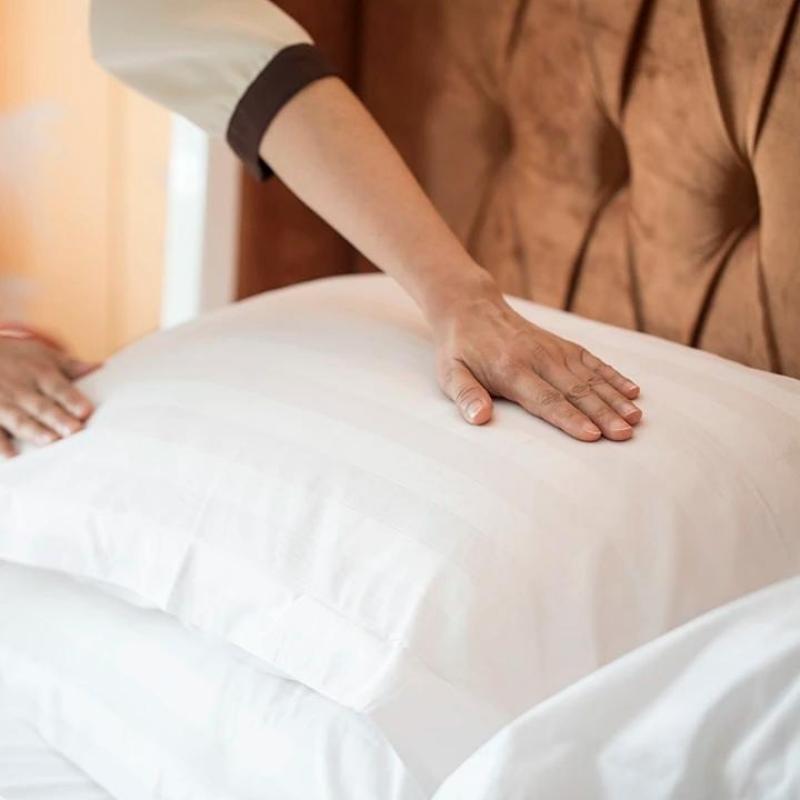
Serva strictam capacitattem oneris mechanici inter 75% et 80%. Superoneratio machinae lavatoriae commercialis impedit drappos ut libere cadant intra cymbam. Haec absentia motus ad inadaequatam lavationem ducit, residua chemica relinquens quae drappos rigescere faciunt in siccatione.
5. Protocolla Siccandi: Custodia Elasticitatis Fibrae
Fase siccationis subtilis linteamen hotelicum maxime subiectum est ictui caloris. Siccatio nimia umorem naturalem e fibris cotoni excoquit, ita ut illae friabiles et asperae fiant.
1) Gestio Temperaturae: Sicca in gyro ad temperaturam stabilem mediocriter inferiorem. Calor altus filamenta fluitantia tenuia texturae satinet fracturat, superficiem eius lucidam destruens.
2) Regula Humiditatis 15%: Exhibe drappos e siccatore commerciali dum adhuc 10% ad 15% humiditatis residuae retinent. Textus frigidus et paululum madidus esse debet, non prorsus aridus nec calidus.
3) Auxilia Mechanica: Utere mundis pilulis lanatis in tamburo. Illae fasciculos textilium dissolvunt, aerem internum optime dirigunt, et tempus siccationis commercialis usque ad 25 % minuunt, ita ut stress thermalis minuatur.
4) Alternativae siccationis per aerem: Si tua possessio methodos siccationis externae aut per funem utitur, cure ut linteamina in luce indirecta, umbratili vel diffusa appendantur. Licet lux solaris directa naturaliter dealbet, tamen diuturna exposicio ultraviolettae polymera textilium disrumpit et lintheamina colorata cito evanescunt.
6. Pressio et perfectio
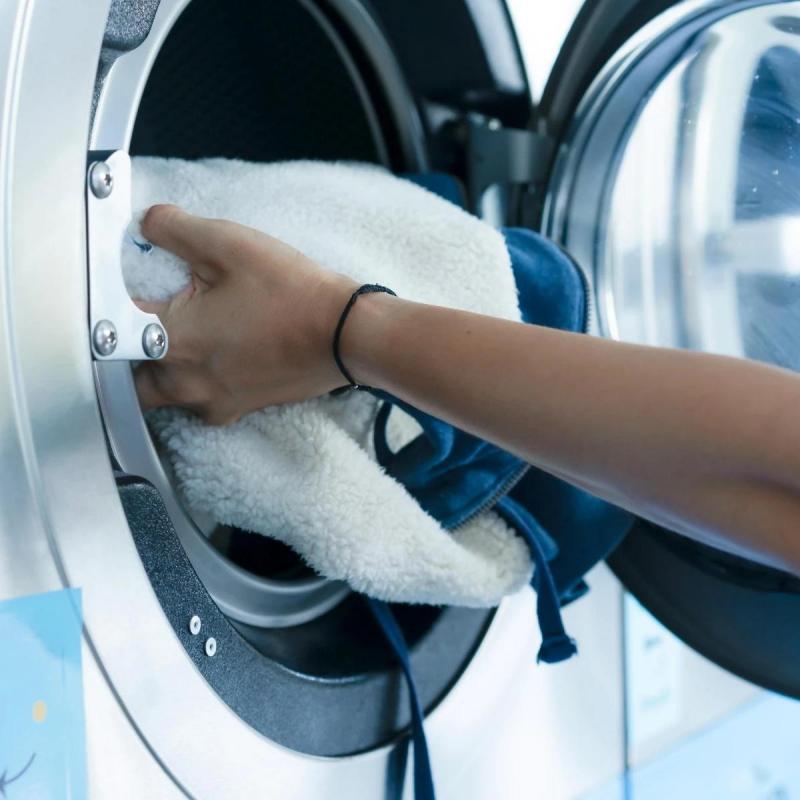
1) Fenestra pressoria: Immittenda sunt linteamina in ferro planum statim post egressum e siccatoribus, dum adhuc 10–15 % umoris residui retinent. Humor internus vaporis puri localem generat, cum in cylindros calefactos incidit, et rugas facile aplanat absque damno textili. Si linteamina prorsus siccaverint, uniformiter aspergenda sunt aqua mollis et 30 secundis quiescere debent antequam premantur.
2) Temperaturae destinatae: Temperaturas ferri ad normas textilium aptare: 200°C (392°F) pro percalibus puris ex cotone, et minorem temperaturam 150°C ad 170°C pro sateenis cotoneis aut mixtis ex cotone et polyestere.
3) Executio directa: Semper ferro recte uti, secundum parallelum ordinem filorum texturae (utrumque in ordine et in trama). Motus diagonales aut circulares vitare, qui structuralem geometriam pannorum planorum aut angulorum adaptatorum distorquent, ac per hoc orant marginum flacciditatem cum tempore. Sateenes ferro in parte adversa tractare, ut splendor delicatus superficiei plene tueatur.
7. Niveles Par et custodia prudens
A. Vis systematis quattuor-parium
Gestio hospitii cum insufficiens copia linteaminum cogit officinas ut eadem lintea lavent, siccant, et eadem die rursus in lectos collocent. Haec defatigatio sine requie fibras accelerat et vitae usui linteaminum dimidiam partem abscindit. Taitang minimum systematis trium-vel-quattuor-parium suadet:
1) Unum par: In usu in lectis hospitum.
2) Unum par: Lintea sordida quae nunc in circuitu lavandi versantur.
3) 1 Par: Linen purum in armariis custodiae domus repositum.
4) 0,5 ad 1 Par: Reserva emergentiae in magazino centrali emptionum servata, ut subitae occupationis incrementa aut inopinata maculae compensentur.
B. Regulae ambientis custodiae
Servanda sunt strata pura in frigido, obscuro, bene ventilato armario linteorum, ubi temperatus aer stabilis manet. Eo provisum est ut omnino a sole directo aut intensis fontibus radiorum ultraviolettarum remota sint, ne decoloratio fiat.
Semper strata laxa plicanda sunt, non autem in angustas acutasque plicas premenda. Ad custodiam diuturnam vel ad supellectilem extra seasonem, strata plana nitide volvenda sunt, ne plicae profundae fibras cotoneas subtilis per tempus rumpant. Strata in sacculis linteorum ex lino aut canvas respirantibus solummodo servanda sunt—numquam in binis plasticis hermeticis, quae humorem ambientem retinent et fungos musti odoris generant.
8. Veritates de vitae duratione et temporibus substitutionis
Lintea hospitalitatis praemium e Taitang fabricata sunt ut 250+ ciclos lavationis industrialis integros sustinere possint, si sub his strictis, professionalibus parametris administrantur.
Domus hospitales singulis trimestribus examina qualitatis structurata instituere debent, ut res in phase sua senectutis ingressas detegant:
1) Examen Tensionis: Ad tenuitatem explorandam centrum linteorum contra lucem uniformem retrogradam tenendum est. Zonae translucidae amissionem fibrarum structurales indicant.
2) Examen Integritatis Orli: Patrones frangendi in orlis et triplicibus orlis inspiciendi sunt. Tractus minimi filorum abscindi et prudenter restitui possunt; sed orli solvendi deponendi aut exonerandi sunt.
3) Examen Tactile: Si linteum, quamvis dosis detergente recta et parametri aquae mollis observentur, asperum aut rigidum sentitur, fibrae structurales suam naturalem elasticitatem amiserunt et iam non ultra experientiam hospitis summae qualitatis praebere possunt.
9. Consilia Prudens pro Administratione Linteorum Subtiliori
1) Regula Quiescendi Fibrae per Vigiliam: Semper sinite strata lavata in pulcris cumeris reponi saltem per viginti quattuor horas antequam rursus in lecto hospitis collocentur. Hoc tempus intermedium fibris cotoneis longis permittit ut humorem ambientem rursus absorbeant et suam naturalem elasticitatem plene recuperent, sic vitam singulorum stratorum prolongantes.
2) Longitudinem Vitae per Micro-Stamping Observa: Usurpa parvas, coloribus distinctas matricis sigillorum calore adhaerentium aut subtilia caesaria signa in orla interiori, ut mensem et annum exactum notent quo res in circulum introivit. Haec data praebent metricas vitae certas, facientes futuras decisiones de emptionibus accuratas et praedictibiles.
10. Experientiam Hospitis Sublima cum Taitang Praeclara Strata
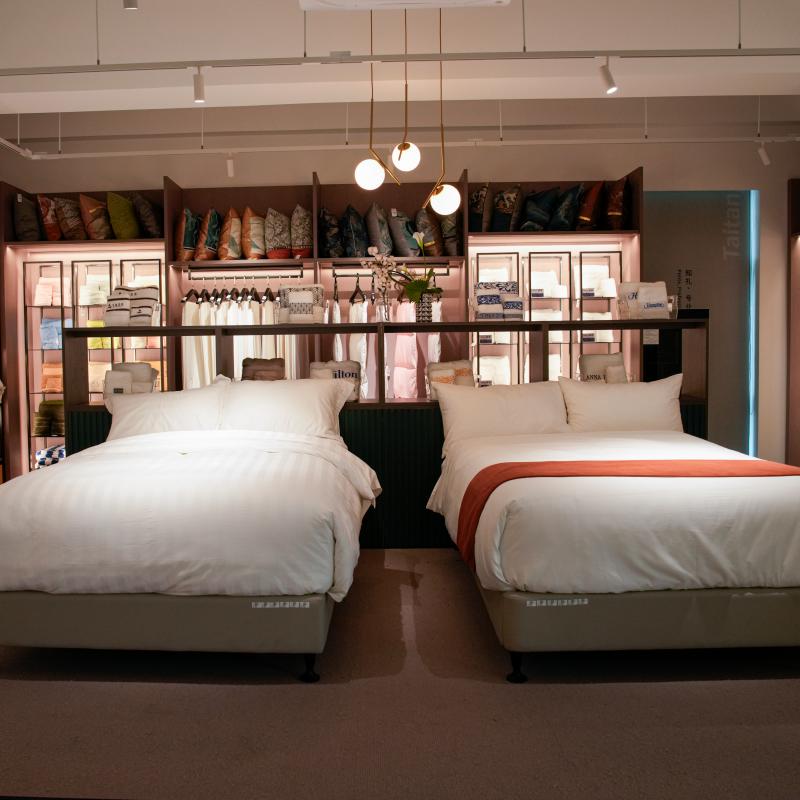
Strata nostra ex cotone sateen ingeniose confecta sunt ex filis altius tensilibus et longis, quae ad severas commerciales lavationes, expositiones chemicas et ferros planos ad altas temperaturas, quae in hoc libello describuntur, accommodatae sunt, nihilominus suam sericam nitiditatem aut integritatem structuralem amittentes.
Utrumne boutique resort administras an plurium proprietatum internationalem catenam hotelierum, Taitang solutiones textiles ad mensuram praebet quae luxum quinque stellaram cum durabilitate commerciale perfecte aequilibrant.
[Hodie Taitang Hospitality Specialistum Contace ]
Related reading
1. Emptio Linorum Hotelariorum: Interpretatio Numeri Filorum, Densitatis, et Arcanorum Materialium
2. Taitang Praeclara Linorum Hotelarium Fabricatio
3. Index Emptionis Tuarum in Hospitio: GSM, Genera et Consilia de Cura

