
 EN
EN


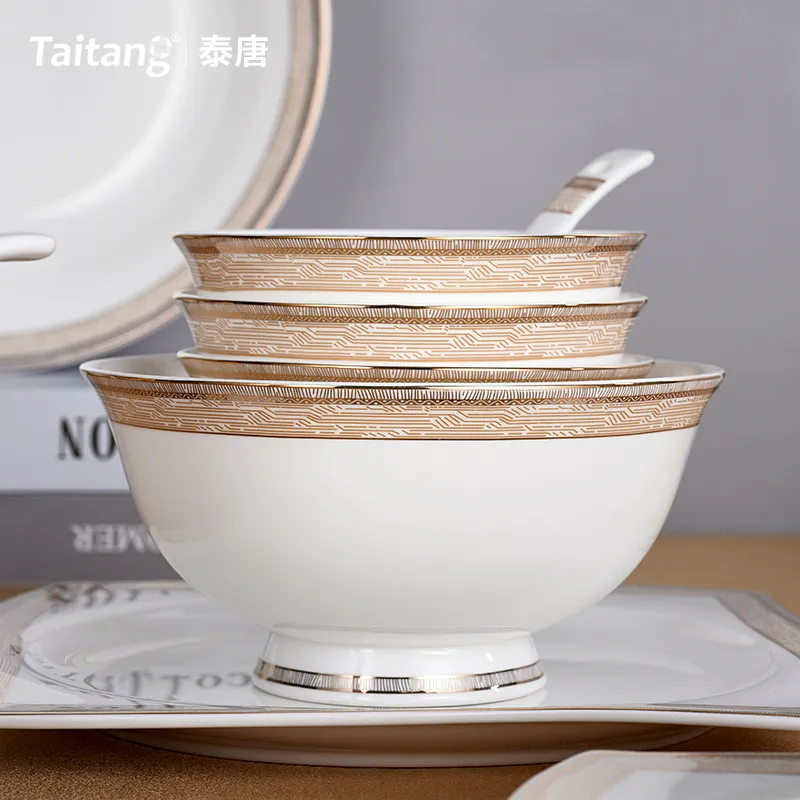
The hospitality industry is experiencing a significant shift in how establishments approach their dinnerware selections, with luxury hotels and resorts recognizing that dining experiences begin the moment guests sit at the table. Modern dinnerware choices have evolved far beyond simple functionality, becoming a critical component of brand identity and guest satisfaction. Hotel operators and event planners are increasingly investing in premium dinnerware that reflects their establishment's values, culinary vision, and commitment to excellence. The right dinnerware not only enhances the aesthetic appeal of dining spaces but also communicates quality and attention to detail that guests expect from high-end hospitality venues.
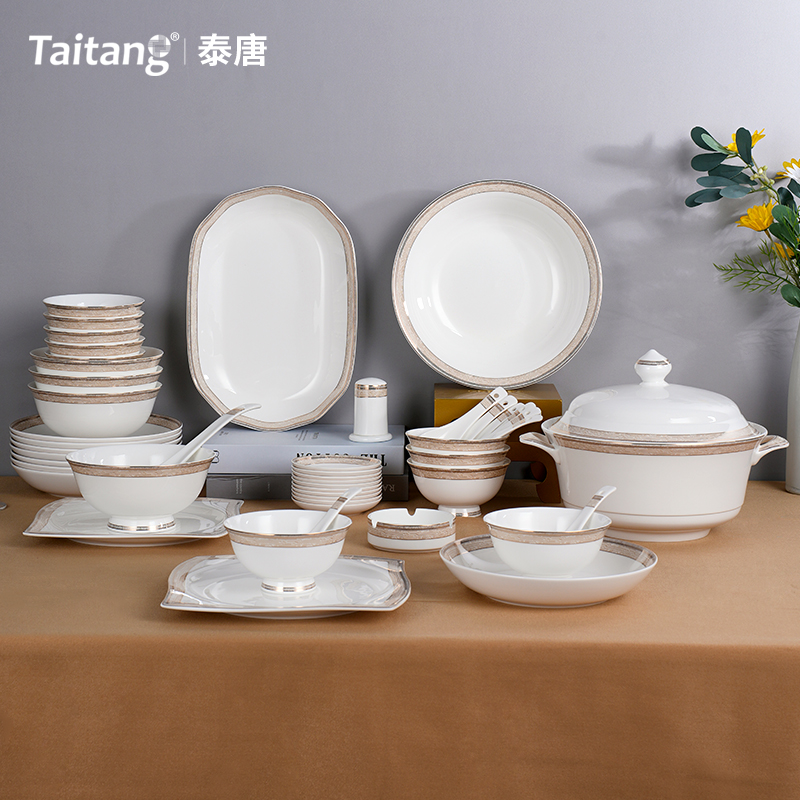
Contemporary dinnerware trends reflect broader changes in dining culture, sustainability awareness, and design philosophy within the hospitality sector. Hotels and resorts are making deliberate choices about their dinnerware portfolios to align with guest expectations, operational efficiency, and environmental responsibility. Understanding these emerging trends helps hospitality leaders make informed purchasing decisions that enhance their competitive positioning and deliver memorable guest experiences. The evolution of dinnerware in modern hotels reveals how a seemingly simple element can significantly impact the overall dining journey and guest perception.
Understanding Premium Dinnerware Standards in Luxury Hospitality
Material Composition and Quality Considerations
The foundation of modern dinnerware selection begins with understanding material options and their performance characteristics in high-volume hospitality environments. Fine bone china represents the premium standard for dinnerware, offering superior durability, chip resistance, and an elegant aesthetic that guests immediately recognize as luxurious. Porcelain dinnerware provides excellent value while maintaining professional appearance, making it a popular choice for many established hotels. Contemporary dinnerware must withstand intensive commercial dishwashing cycles, frequent use, and the rigorous demands of daily service in busy restaurants and banquet facilities. Hotels increasingly prioritize dinnerware that combines aesthetic refinement with practical resilience, ensuring their investment delivers both visual impact and operational longevity. Material selection directly influences maintenance costs, replacement frequency, and the overall guest perception of dining quality.
Design Aesthetics and Brand Alignment
Modern dinnerware design has become an extension of hotel branding and interior design strategy rather than a purely functional consideration. Hotels are choosing dinnerware with distinctive patterns, custom glazing, or minimalist contemporary aesthetics that reinforce their unique identity and dining philosophy. The trend toward sophisticated dinnerware design reflects how hospitality venues recognize that every table element contributes to the guest experience narrative. Personalized or custom dinnerware increasingly allows hotels to create signature dining environments that guests remember and associate with their brand. The visual presentation of dinnerware sets the tone for the entire meal, making design selection a strategic rather than purely aesthetic decision. Leading hotels understand that carefully curated dinnerware demonstrates intentionality and elevates perceived value of their culinary offerings.
Sustainability and Ethical Sourcing in Contemporary Dinnerware
Environmental Responsibility in Production
Environmental consciousness has become central to how hospitality venues select dinnerware, with many establishments prioritizing suppliers committed to sustainable manufacturing practices. Modern dinnerware production increasingly emphasizes reduced water consumption, minimized waste, and responsible sourcing of raw materials like kaolin and feldspar. Hotels committed to environmental stewardship are actively seeking dinnerware from manufacturers with transparent supply chains and certifications demonstrating ecological responsibility. The longevity of quality dinnerware contributes to sustainability goals by reducing replacement frequency and the associated environmental impact of manufacturing and transportation. Guest expectations around corporate environmental responsibility are driving hospitality venues to examine their dinnerware sourcing and make purchasing decisions aligned with broader sustainability commitments. Premium dinnerware manufacturers are responding to this demand by innovating production methods and materials that maintain quality while reducing environmental footprint.
Ethical Labor and Supply Chain Transparency
Beyond environmental considerations, modern hotels are increasingly concerned with ethical labor practices and transparent supply chains in dinnerware manufacturing. Hospitality leaders recognize that supporting manufacturers with fair labor standards and ethical business practices aligns with their corporate values and guest expectations. Transparency in dinnerware sourcing allows hotels to communicate their commitment to responsible business practices, strengthening brand reputation with socially conscious guests. Established dinnerware manufacturers with documented supply chain oversight and worker welfare programs are gaining preference among discerning hospitality operators. This trend reflects broader shifts in hospitality procurement toward vendors demonstrating comprehensive corporate responsibility. Hotels that articulate their commitment to ethically sourced dinnerware differentiate themselves in competitive markets and appeal to guests prioritizing responsible consumption.
Operational Efficiency and Cost Optimization with Strategic Dinnerware Selection
Commercial Durability and Maintenance Requirements
Selecting appropriate dinnerware requires balancing aesthetic aspirations with practical operational considerations that directly impact daily hotel expenses and service quality. Commercial-grade dinnerware must withstand industrial dishwashing equipment, extreme temperature variations, and the physical handling demands of high-volume food service environments. Hotels increasingly analyze the total cost of ownership for dinnerware, considering not only purchase price but also breakage rates, replacement costs, and maintenance requirements over multiple years. Quality dinnerware with superior chip resistance and durability reduces replacement frequency, offsetting higher initial investment through reduced long-term operational expenses. Staff training becomes essential when introducing new dinnerware, as different materials and designs require specific handling and dishwashing protocols to maintain longevity. Strategic dinnerware selection that prioritizes durability and ease of maintenance directly improves operational efficiency and reduces unexpected costs associated with breakage and replacement.
Workflow Integration and Service Excellence
Modern dinnerware trends emphasize how table service workflows and guest experience align with practical dinnerware considerations in busy hospitality environments. Hotels are selecting dinnerware that facilitates efficient plating, easy transport by service staff, and comfortable handling by guests throughout the dining experience. Ergonomic features of dinnerware, such as weight distribution and rim design, contribute to service efficiency and reduce fatigue for staff managing multiple tables. The visual stackability and storage requirements of dinnerware influence back-of-house logistics and kitchen organization, making these practical considerations part of the selection process. Contemporary dinnerware that balances aesthetic refinement with operational practicality enables hotels to deliver consistent service quality while maintaining staff efficiency. Hospitality venues increasingly recognize that dinnerware selection impacts not only guest experience but also staff satisfaction and workplace ergonomics.
FAQ
What factors should hotels prioritize when selecting new dinnerware?
Hotels should evaluate dinnerware based on material durability, aesthetic alignment with brand identity, total cost of ownership, sustainability credentials, and compatibility with existing service workflows. Premium dinnerware that balances visual appeal with operational resilience delivers the best value for hospitality environments. Guest perception, staff feedback, and long-term maintenance costs should all inform dinnerware purchasing decisions rather than prioritizing initial price alone.
How do contemporary dinnerware choices influence guest satisfaction?
Quality dinnerware significantly enhances the dining experience by communicating attention to detail, reinforcing brand positioning, and creating memorable moments that guests associate with the hotel. Beautiful, well-maintained dinnerware elevates perceived value of meals and contributes to overall satisfaction and likelihood of repeat visits or recommendations. The presentation and quality of dinnerware often form guests' first impressions of dining standards and hotel commitment to excellence in hospitality.
Are there specific dinnerware trends gaining adoption among luxury hotels currently?
Modern luxury hotels are increasingly investing in personalized or custom dinnerware reflecting their unique brand identity, sustainably sourced fine bone china dinnerware, and contemporary minimalist designs that photograph well for social media. Hotels are also prioritizing dinnerware from manufacturers with transparent supply chains and ethical labor practices. The trend toward locally inspired dinnerware designs and artisanal aesthetic approaches reflects broader hospitality movement toward authentic, distinctive dining experiences.