
 EN
EN




Ang kasiyahan ng mga bisita sa industriya ng hospitality ay nakasalalay sa daan-daang detalye, ngunit bihira ang mga elemento na direktang nakaaapekto sa karanasan ng mga bisita kung hindi ang kalidad at pag-aalaga sa sablay ng kama para sa hotel kapag nagsisimula ang mga bisita sa kanilang pag-check in sa kuwarto ng hotel, ang kalinisan, kahihinahan, at pangkalahatang presentasyon ng kama ay lumilikha ng agarang impresyon na maaaring magtakda kung ang kanilang pananatili ay magiging luho o kaya’y nakakadismaya. Ang tamang pag-aalaga sa kumot at kumot na pampahiga ay umaabot nang malayo sa mga pangunahing pamamaraan sa paglalaba—kasali rito ang mga estratehikong gawain sa pagpapanatili na nagpapreserba ng kalidad ng tela, nagtiyak ng mga pamantayan sa kalinisan, at lumilikha ng antas ng kaginhawahan na humahantong sa positibong mga review at paulit-ulit na mga booking.
Ang ugnayan sa pag-aalaga ng kumot at kasiyahan ng mga bisita ay gumagana sa maraming antas, mula sa sikolohikal na kapanatagan na nararamdaman ng mga bisita kapag pumasok sila sa loob ng malinis at maayos na pangangalagaan na kumot hanggang sa mga praktikal na konsiderasyon sa kalusugan at kaligtasan na nagpaprotekta sa parehong mga bisita at sa reputasyon ng hotel. Ang pag-unawa kung bakit mahalaga ang tamang pag-aalaga ay nangangailangan ng pagsusuri kung paano nakaaapekto ang pangangalaga sa kumot sa panception ng mga bisita, sa kahusayan ng operasyon, at sa pangmatagalang kikitain. Ang mga hotel na binibigyang-prioridad ang komprehensibong mga protokol sa pag-aalaga ng kumot ay konstanteng nakakamit ng mas mataas na marka sa kasiyahan ng mga bisita, nababawasan ang gastos sa pagpapalit, at mas malakas na posisyon sa kompetisyon sa kanilang mga merkado.
Ang Direktang Epekto sa Komportable at Kalidad ng Tulog ng mga Bisita
Pagpapanatili ng Tekstura at Kalamnan
Ang tamang pag-aalaga sa mga kumot at kumot na ginagamit sa kama ng hotel ay direktang nakaaapekto sa pandama na karanasan na nauugnay ng mga bisita sa kaginhawahan at luho. Kapag ang mga kumot ay binibigyan ng angkop na temperatura sa paglalaba, banayad na mga detergent, at tamang proseso ng pagpapahid, ang mga hibla ng tela ay nananatiling malambot at makinis sa kanilang likas na estado. Ang pagpapanatili ng kalidad ng tela na ito ay lumilikha ng mainit na pagtanggap na inaasahan ng mga bisita kapag sila ay pumapasok sa kama matapos ang mahabang araw ng paglalakbay o mga gawain sa negosyo. Ang mga hotel na nagpapatupad ng komprehensibong mga protokol sa pag-aalaga ay naiuulat na ang mga bisita ay paulit-ulit na nagkukomento sa napakagandang pakiramdam ng kanilang kama sa mga survey ng kasiyahan.
Ang mga pamamaraan ng paghuhugas at pagmamaneho ng mga bed sheet ng hotel ang tumutukoy kung ang mga tela ay magiging mabagot, may mga scratch, o hindi komportable na matigas sa paglipas ng panahon. Ang matigas na detergent, labis na init, at mabigat na paghuhugas ay nagpapahamak ng mga fibers ng koton at iba pang materyales, na lumilikha ng mga texture na hindi kaakit-akit sa balat. Sa kabaligtaran, ang wastong pangangalaga ay nagpapanatili ng kakayahang huminga at kakayahang umangkop na nagpapahintulot sa mga sheet na umangkop nang natural sa mga contour ng katawan, na sumusuporta sa mas mahusay na posisyon ng pagtulog at regulasyon ng temperatura sa buong gabi.
Ang mga propesyonal na pamamaraan sa paghuhugas na kinabibilangan ng mga paggamot na nagpapahumok ng tela at kinokontrol na mekanikal na pagkilos ay tinitiyak na ang mga higaan ng kama ng hotel ay nagpapanatili ng kanilang orihinal na mga katangian ng ginhawa sa mahabang panahon. Ang pare-pareho na kalidad ng tela ay nangangahulugan na ang mga bisita ay nakakatanggap ng parehong antas ng ginhawa kung naninirahan sa panahon ng peak season o sa mga panahon ng off-peak, na nag-aambag sa maaasahang mga karanasan sa tatak na bumubuo ng katapatan ng customer at positibong mga rekomendasyon ng salita ng
Mga katangian ng regulasyon ng temperatura
Ang mga kumot at kumot na higaan ng hotel na maayos ang pag-aalaga ay nagbibigay ng mahusay na kakayahan sa regulasyon ng temperatura na direktang nakaaapekto sa kalidad ng tulog at sa pangkalahatang kaginhawahan ng mga bisita. Ang tamang proseso ng pag-aalaga ay nagpapanatili sa likas na hangin-hangin ng tela na cotton at cotton-blend, na nagpapahintulot sa sirkulasyon ng hangin upang maiwasan ang sobrang init habang natutulog. Kapag ang proseso ng paglalaba ay nagpapanatili sa integridad ng istruktura ng tela, ang mga kumot ay patuloy na nagsisipsip ng kahalumigmigan mula sa katawan at tumutulong sa pagkalat ng init, na lumilikha ng optimal na kapaligiran para sa pagtulog sa iba’t ibang temperatura ng kuwarto at kondisyon ng klima.
Ang mga kemikal na gamot at paraan ng paghuhugas na ginagamit sa pag-aalaga ng kumot ay may malaking epekto sa mga katangian nito sa temperatura. Ang labis na paggamit ng matitigas na kemikal o sobrang init ay maaaring isara ang mga butas ng tela at bawasan ang kakayahang huminga nito, na nagdudulot ng hindi komportableng kondisyon sa pagtulog kung saan nararamdaman ng mga bisita na sobrang mainit o nakakaranas ng pag-akumula ng kahalumigmigan. Ang mga hotel na binibigyang-prioridad ang mga banayad na paraan ng pag-aalaga ay nananatiling pinapanatili ang likas na mga katangian nito sa regulasyon ng temperatura, na tumutulong sa mga bisita na makamit ang mas malalim at mas nakapagpapagaan na pagtulog anuman ang pagbabago ng panahon sa iba't ibang panahon.
Ang kumportableng temperatura ay naging lalo pang mahalaga para sa mga negosyante at turista na maaaring umaangkop sa iba't ibang klima o nakakaranas ng jet lag. Sablay ng kama para sa hotel ang mga kumot na nananatiling may kakayahang mag-regulate ng temperatura sa pamamagitan ng tamang pag-aalaga ay tumutulong sa mga bisita na mas mabilis na umangkop sa bagong kapaligiran at makamit ang nakapagpapagaling na pagtulog na kinakailangan para sa produktibong araw at positibong karanasan sa paglalakbay.
Mga Pamantayan sa Kaliwanagan at Proteksyon sa Kalusugan
Pag-alis at Pag-iwas sa mga Pathogen
Ang epektibong mga protokol sa pag-aalaga ng kumot at kumot na higaan ay nagsisilbing mahahalagang hadlang laban sa pagkalat ng mga mikrobyo at nagpapatiyak sa proteksyon ng kalusugan na karapat-dapat na inaasahan ng mga bisita mula sa mga propesyonal na establisimyento sa larangan ng hospitality. Ang tamang temperatura sa paglalaba, karaniwang nasa pagitan ng 140–160 degrees Fahrenheit, ay nakapagpapawala ng mga bakterya, virus, at iba pang mikroorganismo na maaaring magdulot ng sakit o iritasyon sa balat. Ang mga kinakailangang temperatura na ito, kasama ang angkop na mga detergent at disinfectant, ay lumilikha ng mga proseso sa paglalaba na sumusunod o kaya’y lumalampas sa mga pamantayan ng departamento ng kalusugan para sa komersyal na operasyon sa larangan ng hospitality.
Ang oras at dalas ng pagbabago ng kumot at kumot na tela ay naglalaro rin ng mahalagang papel sa pagpapanatili ng mga pamantayan sa kalinisan na nagsisilbing proteksyon sa kalusugan ng mga bisita. Ang mga hotel na may komprehensibong mga protokol sa pag-aalaga ay nagbabago ng mga kumot at kumot na tela ng kama sa bawat pag-alis ng bisita at ipinatutupad ang araw-araw na pagbabago para sa mahabang pananatili, upang maiwasan ang pag-akumula ng mga selula ng balat, likido ng katawan, at mga kontaminante mula sa kapaligiran na maaaring magtaglay ng nakakahamak na mikroorganismo. Ang sistematikong pamamaraan na ito sa kalinisan ay nagpapakita ng dedikasyon ng hotel sa kagalingan ng mga bisita at binabawasan ang panganib ng mga reklamo o negatibong review na may kaugnayan sa kalusugan.
Ang mga propesyonal na kagamitan at proseso sa paglalaba na ginagamit para sa mga kumot ng hotel ay kasama ang maraming pag-uulit ng paghuhugas upang alisin ang mga natitirang detergent at potensyal na mga allergen na maaaring mag-trigger ng mga reaksyon sa balat o mga problema sa panghinga sa mga bisita na sensitibo. Ang lubos na pag-alis ng mga kemikal sa paglilinis ay nagsisiguro na ang mga kumot ay mananatiling hypoallergenic at ligtas para sa direkta na kontak sa balat, na partikular na mahalaga para sa mga bisita na may sensitibidad sa kemikal o mga kondisyon sa balat na nangangailangan ng karagdagang pag-aalala.
Pangangontrol sa Allergen at Kaligtasan ng Balat
Ang tamang pag-aalaga sa mga kumot at kumot na ginagamit sa hotel ay kasama ang mga tiyak na hakbang upang kontrolin ang karaniwang mga allergen at panatilihin ang kaligtasan ng balat para sa mga bisita na may iba't ibang sensitibidad at kondisyong medikal. Ang mga hypoallergenic na detergent at fabric softener ay nababawasan ang posibilidad ng mga allergic reaction habang pinapanatili ang mga pamantayan sa kalinisan na kinakailangan para sa komersyal na operasyon sa industriya ng hospitality. Ang mga espesyalisadong produktong ito ay nag-aalis ng dust mites, pet dander, at pollen na maaaring dalhin ng mga bisita sa mga kuwarto, samantalang iniiwasan ang mga matitinding kemikal na maaaring mag-trigger ng iritasyon sa balat o mga problema sa panghinga.
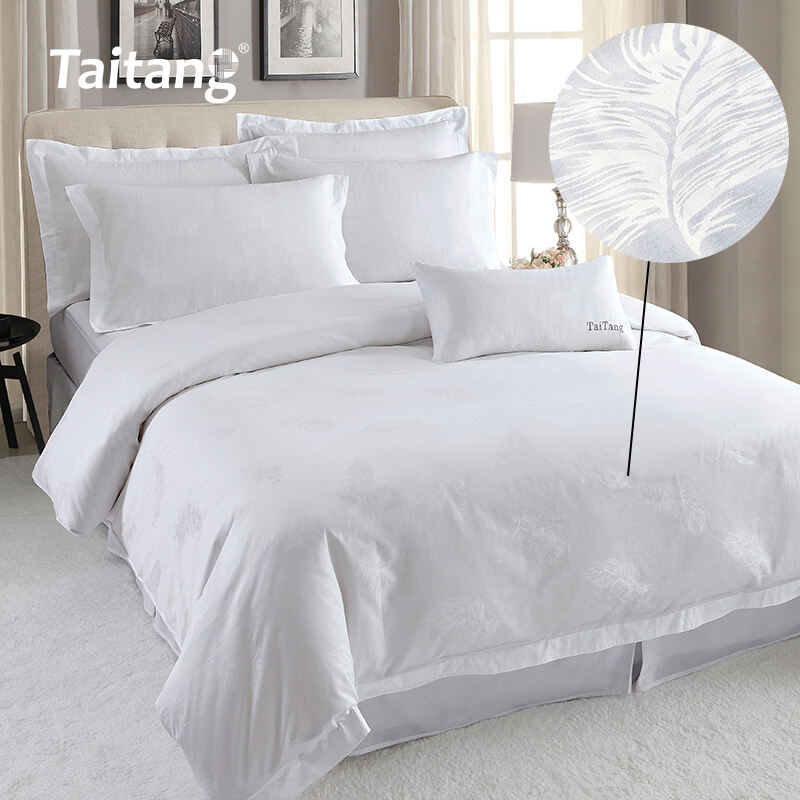
Ang mga proseso sa pag-iimbak at paghawak sa mga malinis na kumot at kumot na ginagamit sa hotel ay nakaaapekto rin sa pagkontrol sa allergen at sa kaligtasan ng balat. Ang tamang pag-iimbak sa malinis, climate-controlled na kapaligiran ay nagpapipigil sa muling kontaminasyon ng alikabok, kahalumigmigan, o iba pang allergen bago pa man dumating ang mga kumot sa mga kuwarto ng mga bisita. Ang pagsasanay sa mga tauhan tungkol sa mga hygienic na pamamaraan sa paghawak ay nagsisiguro na ang malinis na beddings ay nananatiling ligtas mula sa laundry facility hanggang sa paghahanda ng kuwarto at sa aktwal na paggamit ng mga bisita.
Ang mga hotel na nagpapatupad ng komprehensibong mga hakbang sa pagkontrol ng allergen sa kanilang mga protokol sa pag-aalaga ng kumot at kumot na ginagamit sa kama ay karaniwang tumatanggap ng positibong puna mula sa mga bisita na may asthma, eksema, at iba pang kondisyon na nagiging sanhi ng kanilang labis na sensitibidad sa mga environmental irritant. Ang pagsisikap na ito sa pagbibigay-pansin sa mga konsiderasyon sa kalusugan ay hindi lamang nagpapabuti sa kasiyahan ng mga bisita kundi nagpapalawak din ng atractibilidad ng hotel sa mga biyahero na sinadyang naghahanap ng mga pasilidad na maaaring ligtas na magkasya sa kanilang mga medikal na pangangailangan.
Visual na Presentasyon at Brand Image
Malinaw na Anyo at Propesyonal na Estetika
Ang visual na presentasyon ng mga kumot at kumot na ginagamit sa kama ng hotel ay may malaking impluwensya sa pananaw ng mga bisita tungkol sa kalidad, kalinisan, at propesyonalismo mula sa sandaling pumasok sila sa kanilang mga kuwarto. Ang tamang paraan ng pag-aalaga—kabilang ang angkop na pagpapapino, pagbubukod, at paraan ng pagpresenta—ay lumilikha ng malinaw at napakalinis na anyo na nauugnay ng mga bisita sa mga karanasan sa luho sa industriya ng hospitality. Ang maayos na pinapanatili na mga kumot na may malalim na gilid, makinis na ibabaw, at perpektong sulok ay nagpapahiwatig ng pansin sa detalye na umaabot sa buong operasyon ng hotel.
Ang mga propesyonal na proseso sa paglalaba at pagpipinong pang-hotel ay nagpapaguarante sa mga kumot ng kama na panatilihin ang kanilang maliwanag na puting kulay at walang ruga na anyo kahit pagkatapos ng maraming ulit na paglalaba. Ang paggamit ng mga kagamitan na may kalidad na pang-komersyo at espesyalisadong teknik ay nakakapigil sa pagkakalantad, pagpuputî, at permanenteng ruga na maaaring magbigay ng impresyon na lumabas o hindi malinis ang mga kumot ng kama kahit na ang aktwal na antas ng kalinisan ay mataas. Ang tuloy-tuloy na kalidad ng panlabas na anyo na ito ay tumutulong na panatilihin ang mga pamantayan ng tatak at lumilikha ng isang napakaginhawang presentasyon na nagpapaliwanag sa premium na presyo ng mga kuwarto.
Ang epekto sa sikolohiya ng mga kumportableng kama na may kaakit-akit na panlabas na anyo ay hindi maaaring balewalain sa industriya ng hospitality, kung saan ang unang impresyon ay kadalasang nagtatakda ng kabuuang rating ng kasiyahan ng mga bisita. Ang mga sheet ng kama sa hotel na maayos na inaalagaan ay nakatutulong sa kabuuang ambiance ng kuwarto at nagpapakita ng dedikasyon ng hotel sa kahusayan sa lahat ng aspeto ng operasyon. Madalas na iniuugnay ng mga bisita ang malinis at maayos na ipinapakita na mga kumot at sheet sa mataas na kalidad ng serbisyo, at mas malamang na irekomenda ang mga hotel na nananatiling konsebtrado sa mataas na pamantayan sa panlabas na anyo.
Pagkakapreserba ng Kulay at Pagkapagal ng Telang Ginagamit
Ang epektibong mga protokol sa pag-aalaga ng kumot at kumot na higaan ay nagpapanatili ng integridad ng kulay at lakas ng tela, na nagsisiguro na ang mga linen ng hotel ay nananatiling maganda sa itsura sa buong kanilang operasyonal na buhay. Ang tamang mga pamamaraan sa paglalaba na kontrolado ang temperatura ng tubig, antas ng pH, at konsentrasyon ng kemikal ay nakakapigil sa maagang pagkawala ng kulay at pagkabago ng kulay na maaaring gawing lumang tingnan at nasira ang mga kumot na talagang bago pa lamang. Ang pagpapanatili ng kalidad ng panlabas na anyo na ito ay nagbibigay-daan sa mga hotel na mapanatili ang pare-parehong presentasyon ng mga silid habang pinakamaksimum ang kita mula sa kanilang investisyon sa mga linen.
Ang pagpili at paggamit ng angkop na mga pampaputi at mga proseso ng pagpaputing pang-medisina ay nangangailangan ng maingat na balanse upang mapanatili ang kasingkatinuan nang hindi nasasamantala ang integridad ng tela. Ang mga propesyonal na pamamaraan sa pag-aalaga ay gumagamit ng kontroladong proseso ng pagpaputi na nag-aalis ng mga mantsa at nananatiling puti habang pinapanatili ang lakas ng mga hibla ng cotton at pinipigilan ang kahinaan na nagdudulot ng maagang pagkaburak o pagbuo ng butas. Ang balanseng pamamaraang ito ay nagsisiguro na ang mga kumot at kumot na ginagamit sa kama ng hotel ay mananatiling kaakit-akit sa paningin at functional na matibay.
Ang pagkakapareho ng kulay sa lahat ng kategorya ng kuwarto ay naging lalo pang mahalaga para sa mga hotel na gumagamit ng mga kumot bilang bahagi ng kanilang identidad bilang brand at estratehiya sa disenyo ng visual. Ang tamang mga pamamaraan sa pag-aalaga ay nagsisiguro na ang mga kumot sa karaniwang kuwarto, mga suite, at mga premium na akomodasyon ay nananatiling pare-pareho ang hitsura upang palakasin ang pagkilala sa brand at lumikha ng magkakasamang karanasan ng bisita sa buong property.
Kasinumuan ng Operasyon at Pagpapasalamuha ng Gastos
Pahabain ang Buhay na Tagal at Bawasan ang Gastos sa Pagpapalit
Ang pagpapatupad ng tamang mga protokol sa pag-aalaga para sa mga kumot at kumot na ginagamit sa kama ng hotel ay nagdudulot ng malaking pagtitipid sa gastos sa pamamagitan ng pagpapahaba ng buhay ng tela at pagbawas sa dalas ng pagpapalit nito. Ang mga propesyonal na pamamaraan sa paglalaba—na gumagamit ng angkop na temperatura, mahinang aksyon na mekanikal, at mga kemikal na kaibigan sa tela—ay maaaring magdulot ng dalawang o tatlong beses na pagtaas sa kapaki-pakinabang na buhay ng de-kalidad na kumot kumpara sa mga agresibong o hindi angkop na pamamaraan sa pag-aalaga. Ang ganitong pagpapahaba ng buhay ng kumot ay direktang nakaaapekto sa operasyon na badyet sa pamamagitan ng pagbawas sa mga gastos sa kapital para sa pagpapalit ng mga kumot at sa pagbawas ng mga gastos sa pag-iingat ng imbentaryo.
Ang mga benepisyong pangkabuhayan ng tamang pag-aalaga sa mga kumot ay umaabot pa sa simpleng pag-iimpok sa gastos ng pagpapalit, kabilang ang nabawasan na gastos sa paggawa na kaugnay ng madalas na pagbabago ng mga kumot at pamamahala ng imbentaryo. Ang mga hotel na panatilihin ang mga kumot sa kama ng hotel sa mahusay na kondisyon sa pamamagitan ng maingat na paghawak ay maaaring mag-implementa ng mas epektibong iskedyul ng housekeeping at bawasan ang oras ng staff na kinakailangan para sa pagsusuri, pag-uuri, at pagpapalit ng mga lumang kumot. Ang mga operasyon na ito na may kahusayan ay nakatutulong sa pagpapabuti ng kita habang pinapanatili o binabawasan ang antas ng kasiyahan ng mga bisita.
Ang de-kalidad na pag-aalaga sa mga kumot sa kama ay nababawasan din ang mga gastos sa emergency na pagpapalit at mga pagkakagulo sa supply chain na nangyayari kapag ang mga kumot ay sumisira nang hindi inaasahan o kailangang agad na palitan dahil sa pinsala mula sa di-maingat na paghawak. Ang mga hotel na may komprehensibong mga protokol sa pag-aalaga ay nananatiling may mga nakatakda nang maaga at napapanatiling pare-pareho ang mga iskedyul ng pagpapalit, na nagbibigay-daan sa estratehikong pagbili sa panahon ng mga mainam na kondisyon sa merkado at mga diskwento sa bulk order na nagpapababa pa ng gastos bawat yunit.
Mga Na-optimisang Operasyon ng Housekeeping
Ang mga kama ng hotel na may maayos na pananatili ng kumot ay nakatutulong sa mas epektibong operasyon ng housekeeping sa pamamagitan ng pagbawas sa oras at pagsisikap na kailangan para sa paghahanda ng kuwarto at inspeksyon ng kontrol ng kalidad. Ang mga kumot na nananatiling may hugis, elastisidad, at anyo sa pamamagitan ng tamang pag-aalaga ay mas madaling hawakan ng mga tauhan ng housekeeping, mas madaling isuot sa mga matras, at mas maginhawang ipakita nang kaakit-akit nang walang labis na pag-aadjust o muling paggawa. Ang ganitong kahusayan sa operasyon ay nagbibigay-daan sa mga koponan ng housekeeping na mapanatili ang mas mabilis na bilis ng pagbabago ng kuwarto habang umaabot sa pare-parehong pamantayan ng kalidad.
Ang nabawasang pangangailangan ng paggamot sa mga mantsa, espesyal na paghawak, at resolusyon ng mga isyu sa kalidad kapag ang mga kumot ng hotel ay tinatamasa ng tamang pag-aalaga ay nagreresulta sa mas simple na mga kinakailangan sa pagsasanay at mas pare-parehong pagganap sa buong mga miyembro ng tauhang housekeeping. Ang mga koponan ay maaaring tumutok sa epektibong mga teknik sa paghahanda ng kuwarto imbes na harapin ang mga problema sa kama na nangangailangan ng dagdag na oras o espesyal na atensyon upang tupdin ang inaasahan ng mga bisita.
Ang tamang mga protokol sa pag-aalaga ay nagpapababa rin ng pagkagambala na dulot ng pagkabigo ng mga kumot at unan sa panahon ng mataas na occupancy kung kailan ang mga opsyon para sa kapalit ay maaaring limitado. Ang mga hotel na pinapanatili ang kanilang imbentaryo ng kumot sa napakagandang kalagayan sa pamamagitan ng sistematikong mga proseso ng pag-aalaga ay maiiwasan ang mga isyu sa kasiyahan ng mga bisita at mga komplikasyon sa operasyon na nangyayari kapag ginagamit ang mga kumot at unan na may mababang kalidad dahil sa kakulangan ng suplay o hindi inaasahang pinsala.
Madalas Itanong
Gaano kadalas dapat palitan ang mga kumot sa kama ng hotel na may tamang pag-aalaga?
Sa pamamagitan ng tamang mga protokol sa pag-aalaga, ang mga de-kalidad na kumot sa kama ng hotel ay karaniwang tumatagal ng 200–300 beses na paglalaba, na katumbas ng 2–3 taon ng regular na paggamit depende sa antas ng occupancy at kadalasan ng paglalaba. Dapat subaybayan ng mga hotel ang bilang ng paglalaba at suriin nang regular ang mga kumot para sa mga palatandaan ng pagkapagod, pagmumura, o permanenteng mga stain na nagpapahiwatig na kailangan nang palitan. Ang pagpapatupad ng sistematikong mga proseso ng pag-aalaga ay maaaring pahabain nang malaki ang buhay na tagal nito kumpara sa mahigpit na paraan ng paglalaba na maaaring kailangang palitan pagkatapos ng 100–150 beses na paglalaba.
Anong temperatura ng paghuhugas ang optimal para mapanatili ang kalidad ng kumot habang tiyakin ang kalinisan?
Ang optimal na temperatura ng paghuhugas para sa mga kumot ng hotel ay 140–160 degree Fahrenheit, na epektibong pinapatay ang mga mikrobyo habang pinipigilan ang pinsala sa tela. Ang saklaw ng temperatura na ito ay sumusunod sa mga kinakailangan ng departamento ng kalusugan para sa komersyal na operasyon sa industriya ng hospitality, samantalang pinapanatili ang integridad ng cotton fiber at pinipigilan ang labis na pagkontrakt o pagkawala ng kulay. Ang ilang hotel ay gumagamit ng mga siklo ng paghuhugas na may gradwal na temperatura—nagsisimula sa mas mataas na temperatura para sa sanitasyon at natatapos sa mas mababang temperatura upang bawasan ang thermal stress sa mga tela.
Nakakaapekto ba talaga ang tamang pag-aalaga sa kumot sa mga online review at sa mga score ng kasiyahan ng mga bisita?
Oo, ang tamang pag-aalaga sa kumot at kumot na tela ay malaki ang epekto sa mga puntuhan ng kasiyahan ng mga bisita at sa mga online na review, dahil ang kalidad ng mga kumot at kumot na tela ay isa sa pinakakaraniwang binabanggit na aspeto ng pagtutulog sa hotel batay sa feedback ng mga bisita. Ang mga pag-aaral ay nagpapakita na ang mga hotel na may komprehensibong protokol sa pag-aalaga ng mga linen ay nakakakuha ng 15–20% na mas mataas na rating para sa mga kategorya ng kalinisan at kaginhawahan ng kuwarto. Madalas na binabanggit ng mga bisita ang kahapong kahapong kumot, kalinisan, at presentasyon nito sa positibong review, samantalang ang mga reklamo tungkol sa mga kumot na nakakapangit, lumalangoy, o hindi maayos na napapanatili ay lumalabas nang prominenteng- prominenteng sa negatibong feedback na maaaring makaapekto sa desisyon ng mga susunod na bisita na mag-book.
Ano ang mga pangunahing palatandaan na nagsasaad na kailangan ng pagpapabuti ang mga protokol sa pag-aalaga ng kumot at kumot na tela?
Ang mga pangunahing indikador ay kinabibilangan ng mga reklamo ng mga bisita tungkol sa kumportableng pagkakatulog o kalinisan ng mga kama, mga nakikitang palatandaan ng pagkapagod tulad ng mga manipis na bahagi o permanenteng mga stain, pagbaba ng kahaluman o pagtaas ng kabuholan sa tekstura ng tela, pagpapakulay o pagpaputing ng kulay, at pagtaas ng dalas ng pagpapalit. Bukod dito, ang mga ulat mula sa mga tauhan ng housekeeping na may kahirapan sa tamang pagpasok ng mga sheet o sa pagkamit ng makinis na presentasyon ay maaaring magpahiwatig na ang mga protokol sa pag-aalaga ay sumisira sa elastisidad at pag-iingat ng hugis ng tela. Dapat gawin ng mga hotel ang regular na mga audit sa kalidad at pagsusuri ng feedback ng mga bisita upang matukoy ang mga kahinaan sa mga protokol sa pag-aalaga bago pa man ito makaapekto sa kasiyahan ng mga bisita.
Talaan ng Nilalaman
- Ang Direktang Epekto sa Komportable at Kalidad ng Tulog ng mga Bisita
- Mga Pamantayan sa Kaliwanagan at Proteksyon sa Kalusugan
- Visual na Presentasyon at Brand Image
- Kasinumuan ng Operasyon at Pagpapasalamuha ng Gastos
-
Madalas Itanong
- Gaano kadalas dapat palitan ang mga kumot sa kama ng hotel na may tamang pag-aalaga?
- Anong temperatura ng paghuhugas ang optimal para mapanatili ang kalidad ng kumot habang tiyakin ang kalinisan?
- Nakakaapekto ba talaga ang tamang pag-aalaga sa kumot sa mga online review at sa mga score ng kasiyahan ng mga bisita?
- Ano ang mga pangunahing palatandaan na nagsasaad na kailangan ng pagpapabuti ang mga protokol sa pag-aalaga ng kumot at kumot na tela?